
Altérations à l'Hôtel de Ville
Rappel concernant les Earthcaches :
Il n'y a pas de conteneur à rechercher ni de logbook à signer. Après avoir été sur les lieux pour chercher les réponses aux questions, loguez cette cache "Found it" et envoyez-moi vos propositions de réponses, en précisant le code GC de la cache, soit via mon profil, soit via la messagerie geocaching.com (Message Center), et je vous contacterai en cas de problème.
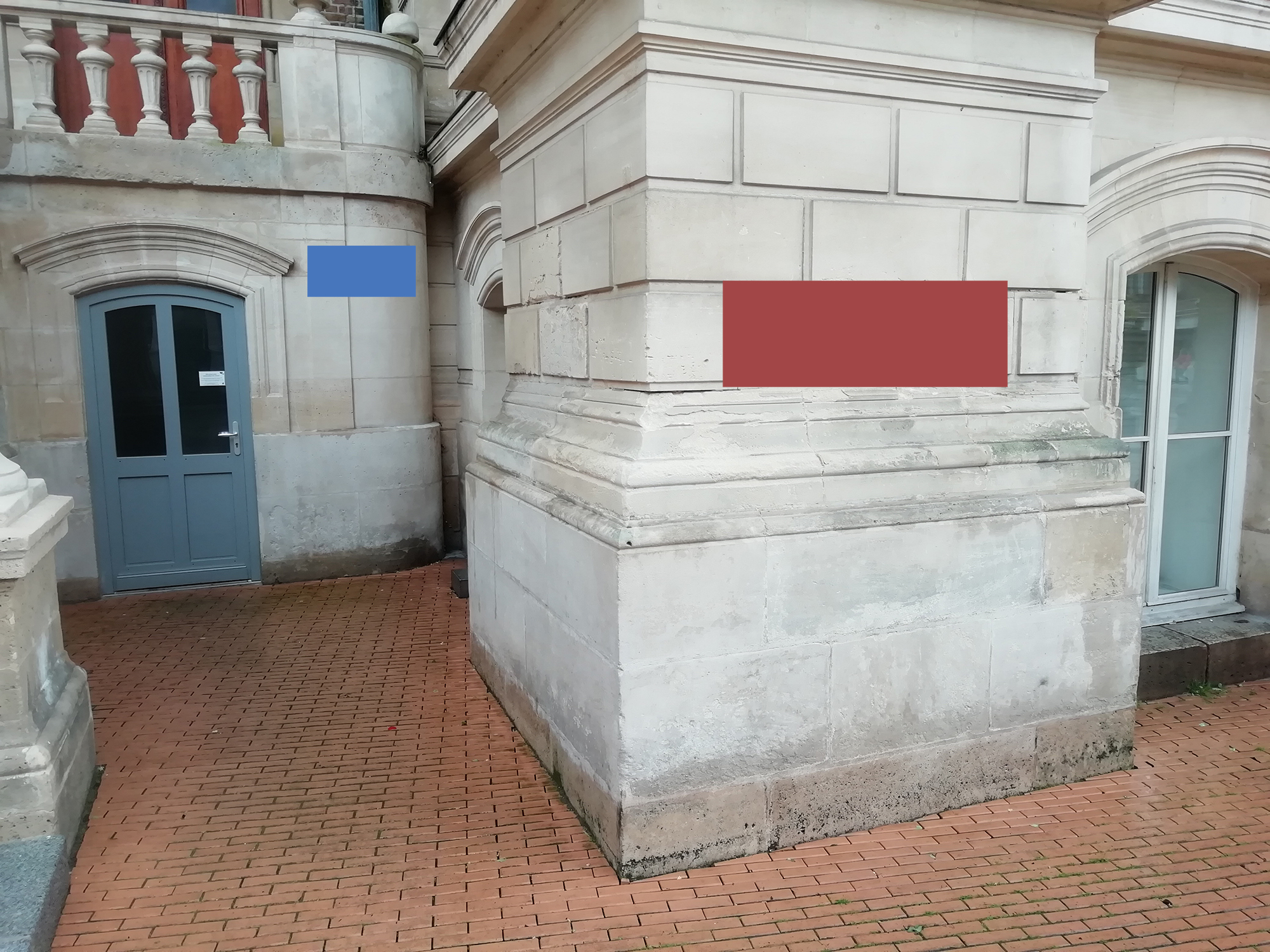
Questions :
1- Quel est le principal responsable de l'altération des roches ?
2- Avec l'aide de la photo, dites-moi quelle altération observez-vous dans la zone bleue et dans la zone rouge ?
Descriptif de l'earthcache
In geology, alteration is the combination of changes in the physical-chemical properties of minerals, and thus rocks, by atmospheric agents (meteoric alteration), by groundwater (subsurface alteration) and thermal waters (hydrothermal alteration). It depends in particular on the climate, the temperature of the water, the nature of the rocks and their degree of fracturing
Impact of climate
The alteration of the rocks depends largely on the presence of water. It is therefore directly related to the height of precipitation. The alteration is almost nil in dry deserts, like the Sahara desert, where erosion is purely mechanical. It is also very limited in environments where liquid water is scarce, as is the case in high mountains or high latitudes (polar climates). In areas where precipitation is not negligible, alteration is significant.
Some examples of alterations
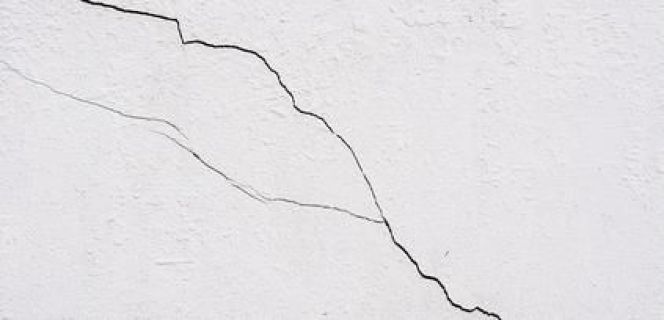
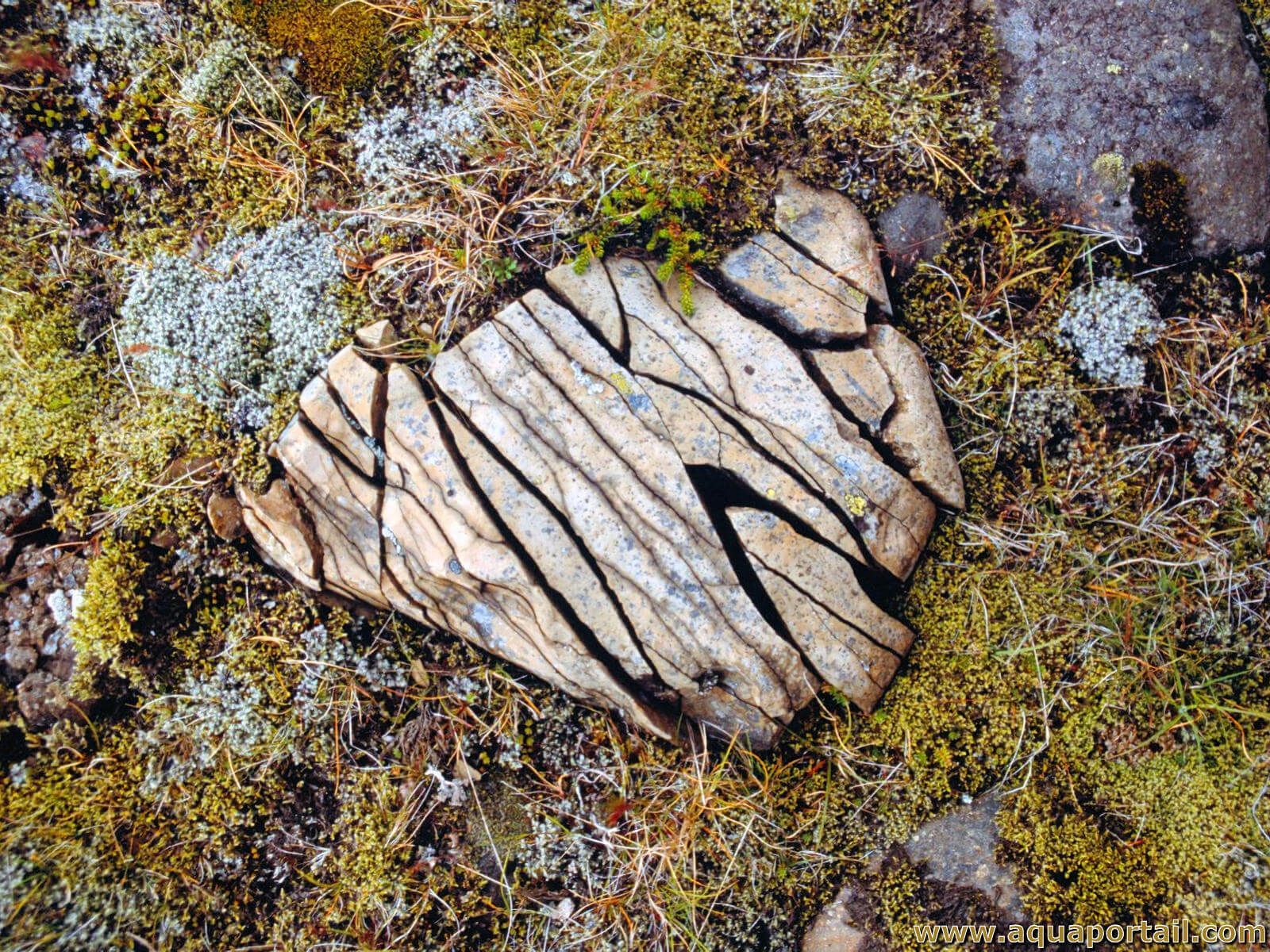
Crack is a "defect" or a brutal discontinuity that appeared or appeared in a material under the influence of internal or external stresses, where the material is separated on a certain surface.
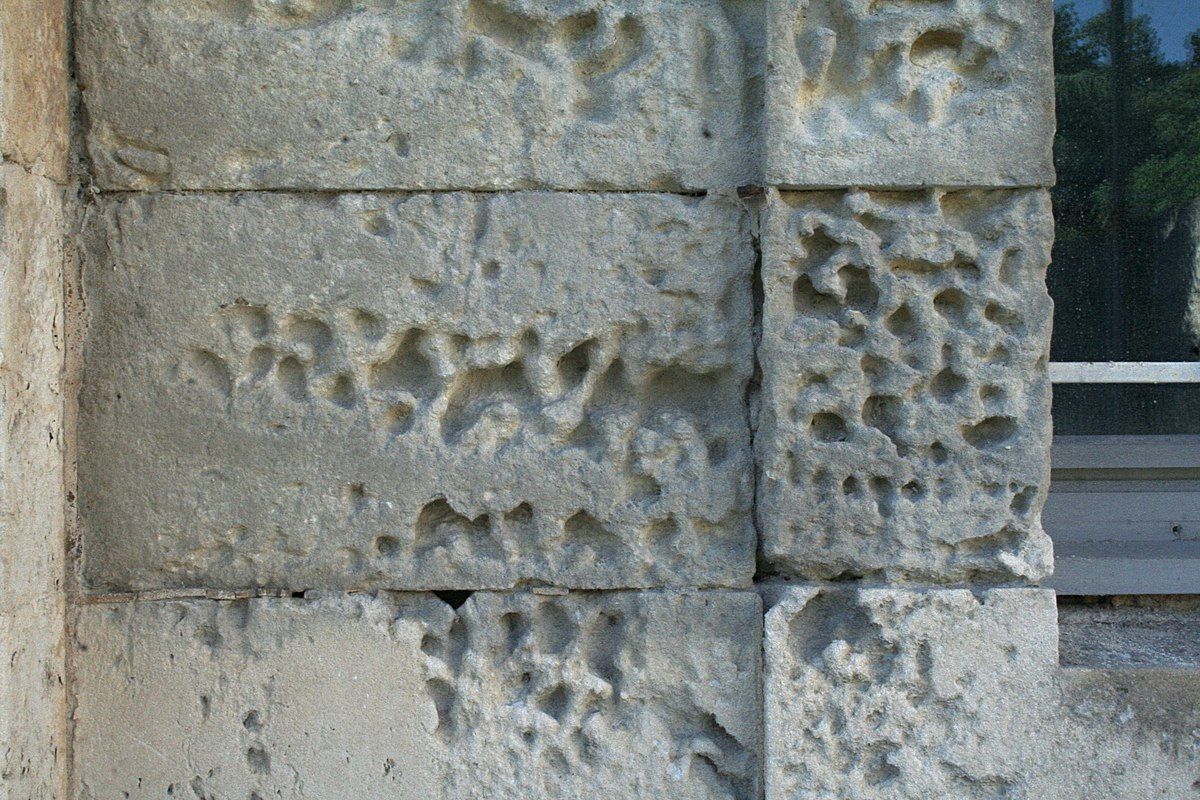
Alveolization is when a superficial part of the rock breaks apart and falls leaving on the siding in a situation, either alveoli or furrows, separated from each other by hard edges.
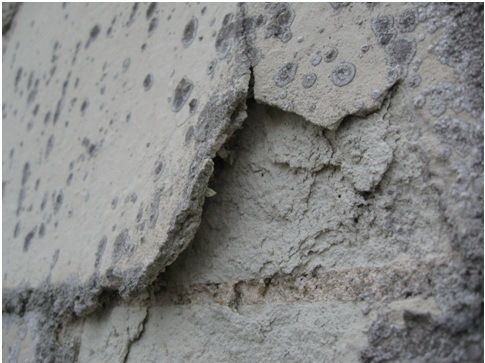
Exfoliation joint is the physical, visible translation of a number of processes of degradation of the rock (meteorization). It is manifested by the detachment of lamellae or superficial scales.
Cryoclasty is a process of fragmentation of rocks, caused by the cycles of freezing and thawing of water. The ice contained in the porous network of rocks can therefore exert significant pressures within the rock.

Alterations at the Town Hall
Reminder about Earthcaches:
There are no containers to search or logbooks to sign. Once you've been to the site to look for the answers to the questions, log this cache “Found it” and send me your suggested answers, specifying the cache's GC code, either via my profile or via geocaching.com (Message Center), and I'll contact you if there's a problem.
Questions :
1- Who is the first responsible for the alteration of rocks?
2- With the help of the photo, tell me what alteration do you see in the blue zone and in the red zone?
Earthcache description
In geology, alteration is the combination of changes in the physical-chemical properties of minerals, and thus rocks, by atmospheric agents (meteoric alteration), by groundwater (subsurface alteration) and thermal waters (hydrothermal alteration). It depends in particular on the climate, the temperature of the water, the nature of the rocks and their degree of fracturing
Impact of climate
The alteration of the rocks depends largely on the presence of water. It is therefore directly related to the height of precipitation. The alteration is almost nil in dry deserts, like the Sahara desert, where erosion is purely mechanical. It is also very limited in environments where liquid water is scarce, as is the case in high mountains or high latitudes (polar climates). In areas where precipitation is not negligible, alteration is significant.
Some examples of alterations
Crack is a "defect" or a brutal discontinuity that appeared or appeared in a material under the influence of internal or external stresses, where the material is separated on a certain surface.
Alveolization is when a superficial part of the rock breaks apart and falls leaving on the siding in a situation, either alveoli or furrows, separated from each other by hard edges.
Exfoliation joint is the physical, visible translation of a number of processes of degradation of the rock (meteorization). It is manifested by the detachment of lamellae or superficial scales.
Cryoclasty is a process of fragmentation of rocks, caused by the cycles of freezing and thawing of water. The ice contained in the porous network of rocks can therefore exert significant pressures within the rock.