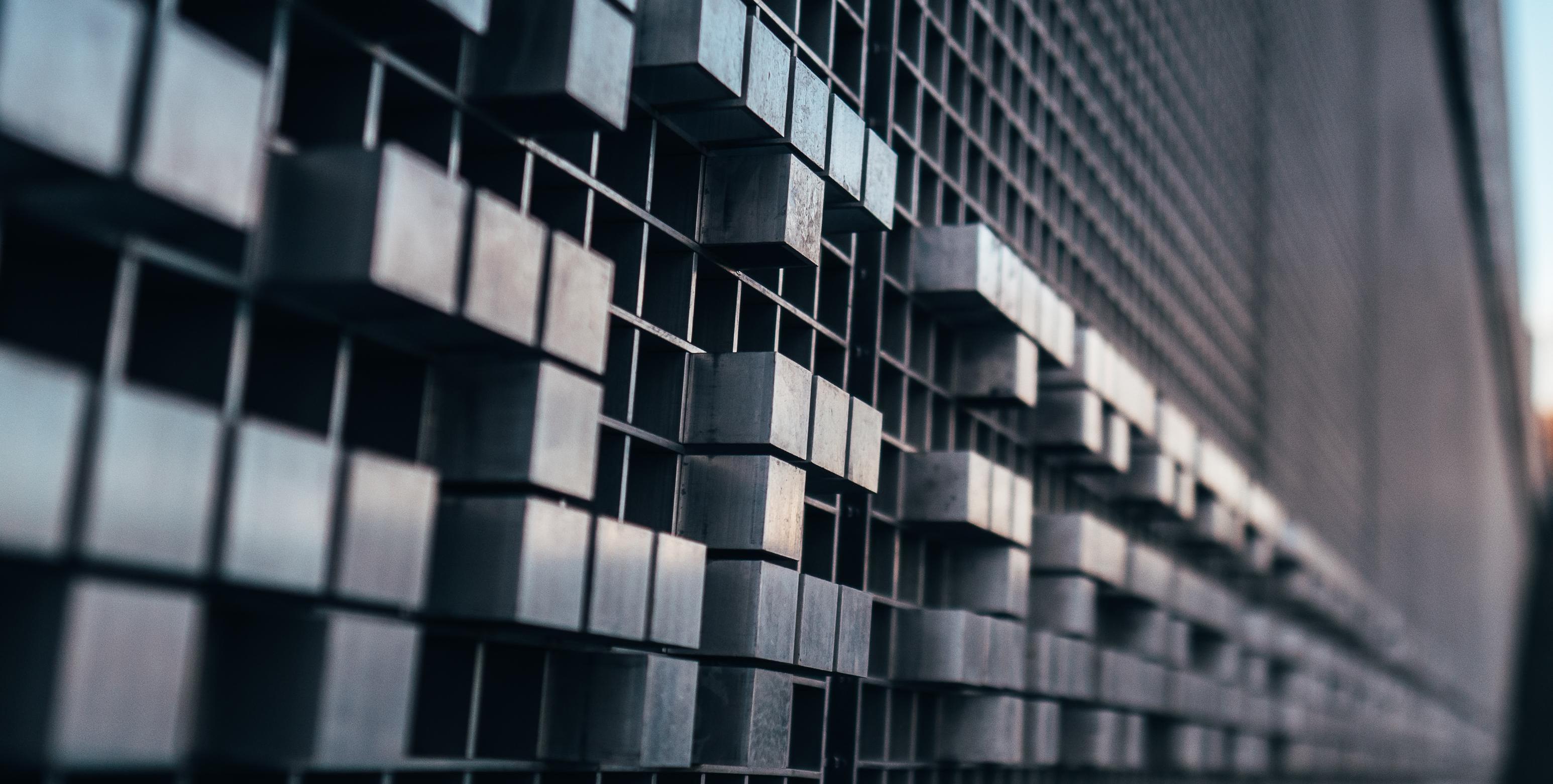
A Néprajzi Múzeum közel félmillió pixelből kialakított homlokzati díszítése magyar és nemzetközi motívumok alapján készült. A pixeleket egy speciális robot helyezte be a lézervágott alumínium rácsszerkezetekbe, melyekből több mint 2.000 darabot rögzítenek fel az épületre. A sorminták hímzett, szőtt, fonott, faragott, korongolt, festett és karcolt népművészeti tárgyak alakja, díszítései alapján készültek. A pixelrács a népművészeti elemeknek nem „szószerinti”, egy az egyben való idézése. Az alkotó az absztrakció mellett a forgatás, a fordítás, a tükrözés, a nagyítás-kicsinyítés eszközeit is használta.
A homlokzat legfelső sorában pl. magyarországi takácsminták, afrikai fapohár faragása, óceániai teknőchéj ékszer áttört mintázata az elsődleges forrás. A legalsó rácssor ácsolt láda karcolását, Amur vidéki lábszárvédő rátétes díszítését, dunántúli tükrös spanyolozását és Venezuelából származó táska fonását is magába foglalja. A további sorok kongói maszkot, kameruni terítőt, horvátországi kötényt, észtországi kesztyűt, vajdasági hímestojást, kalotaszegi vőfélykendőt, mongóliai sámánköpenyt használnak inspirációs forrásnak.
Részletes leírás: Néprajzi Múzeum, ornamentika
The decoration of the facade of the Museum of Ethnography made of nearly half a million pixels is based on Hungarian and international motifs. The pixels were inserted into a laser-cut aluminum grid by a special robot, more than 2,000 of which are attached to the building. The line patterns were made based on shapes and decorative features of embroidered, woven, spun, carved, thrown, painted and engraved folk art objects. Rather than being a faithful reproduction of folk art elements, the motifs are used in the lattice structure to form a linear pattern. Besides abstraction, the creator also used the tools of rotation, translation, mirroring, and zooming in and out.
In the uppermost band of the façade, for example, the main sources of inspiration were the openwork designs found in Hungarian weaving patterns, an African carved wooden cup, and tortoiseshell jewellery from Oceania. The bottom band features engraving from a wooden chest, the appliqué decoration used on boots from the Amur region, the wax inlay on a mirror from Transdanubia, and a woven bag from Venezuela. Inspiration for the other bands in the lattice was found in a Congolese mask, a tablecloth from Cameroon, a Croatian apron, Estonian gloves, a decorated egg from Vojvodina, a best man’s wedding kerchief from Kalotaszeg, and a Mongolian shaman’s cloak.
Detailed description: Museum of Ethnography, ornament
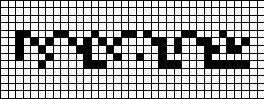
A láda nem a megadott koordinátán található. / The cache is not at the given coordinate.
A valódi koordináta a sormintában van elrejtve. / The real coordinate is hidden in the line pattern.