Questa cache è ispirata al film Dune del 1984, scritto e diretto da David Lynch e tratto dal romanzo omonimo di Frank Herbert.
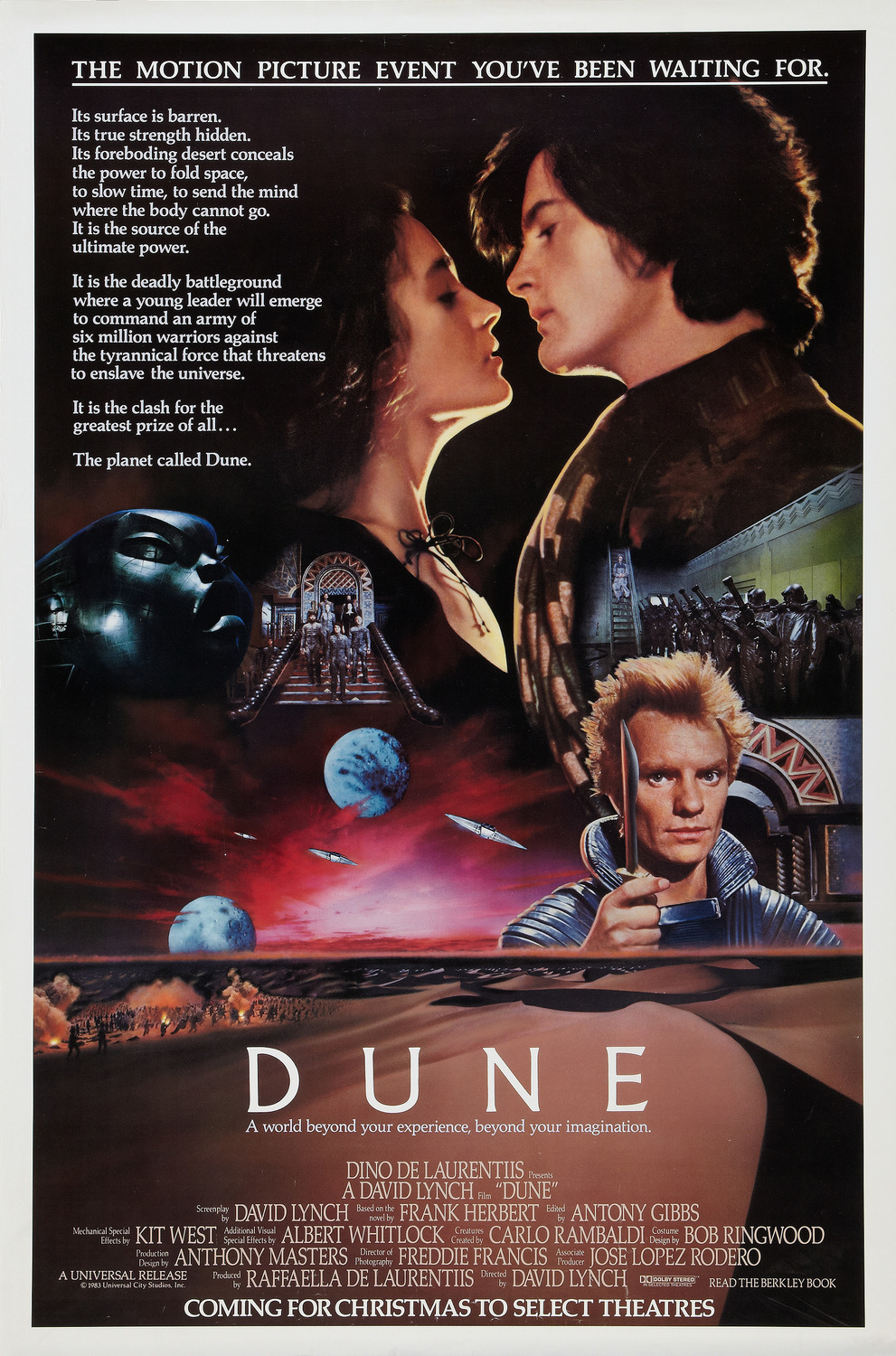
Dopo la pubblicazione del romanzo, molti produttori cinematografici cercarono di adattare "Dune" di Herbert in un film, ma ciò portò a una delle odissee produttive più travagliate della storia del cinema.
Il primo tentativo, nel 1971, fu di Arthur P. Jacobs, produttore de "Il Pianeta delle Scimmie", ma il progetto venne interrotto a causa della sua morte nel 1973.
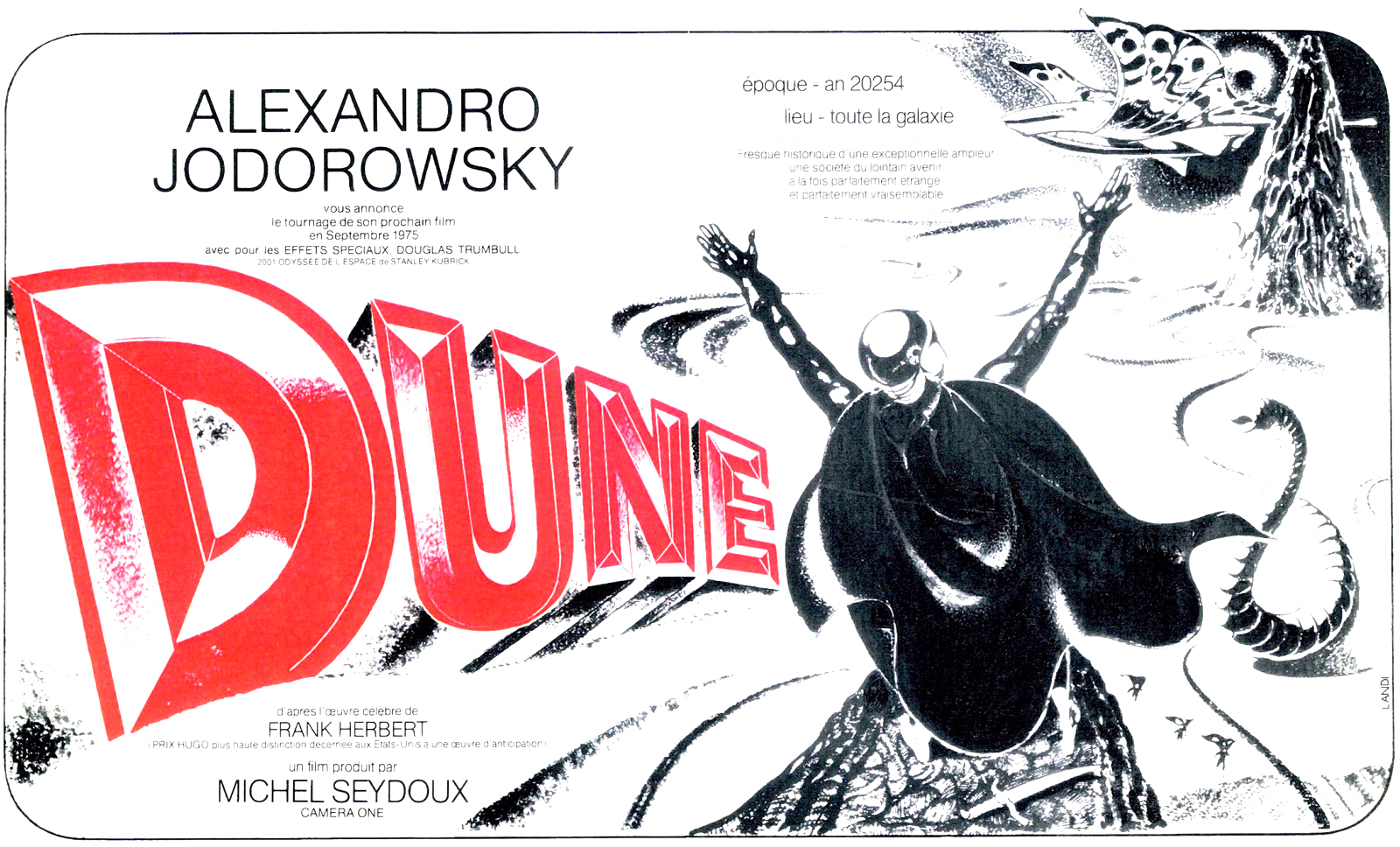
Nel 1974, un consorzio francese guidato da Jean-Paul Gibon coinvolse Alejandro Jodorowsky come regista, ma il progetto si rivelò troppo ambizioso e venne abbandonato.
Nel 1976, i diritti furono acquistati da Dino De Laurentiis, che incaricò Herbert di scrivere una nuova sceneggiatura. Ridley Scott fu coinvolto nel progetto, ma alla fine decise di abbandonarlo per dirigere "Blade Runner".
Nel 1981, con i diritti di adattamento in scadenza, Raffaella De Laurentiis convinse David Lynch a prendere il posto di regista, dopo averlo visto dirigere "The Elephant Man".
Nel 2020, David Lynch descrisse il suo film del 1984, l'adattamento del romanzo di fantascienza "Dune" di Frank Herbert, come una grande tristezza della sua vita
Il film è stato un fallimento clamoroso, costando 40 milioni di dollari e incassandone solo poco meno di 31 milioni.
È stato accolto con disinteresse dal pubblico e deriso dalla critica, definito come un caos incomprensibile e una delle sceneggiature più ingarbugliate di tutti i tempi da Roger Ebert.
A differenza di altri film come "Blade Runner", il "Dune" di Lynch non è mai diventato un cult e rappresenta ancora il più grande fallimento nella carriera di Lynch, il creatore di Twin Peaks.
La débâcle del copione firmato da David Lynch è resa paradossale dal fatto che il materiale di partenza era di grande valore.
Il romanzo pubblicato da Frank Herbert nel 1965, primo di una serie di sei libri seguiti anche da quelli scritti dal figlio dell'autore insieme a Kevin J. Anderson, è ancora oggi considerato una pietra miliare della fantascienza letteraria e oltre.
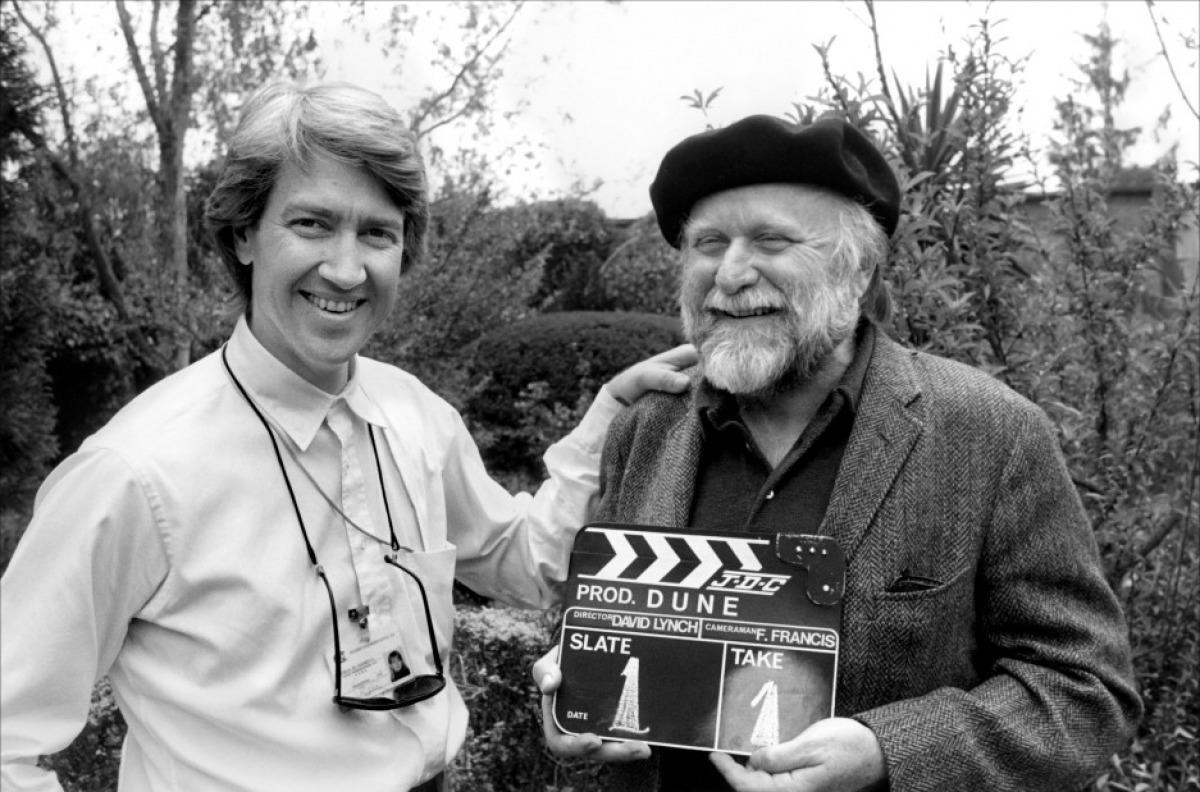
La storia si svolge in un futuro distante, dominato da casate nobiliari, corporazioni spaziali e dalla preziosa sostanza chiamata "spezia". Paul Atreides, interpretato da Kyle MacLachlan, è un giovane nobile inviato sul pianeta desertico di Arrakis. Qui, Paul si trova coinvolto in una battaglia per il controllo della spezia, scoprendo di essere il Messia predetto dalle antiche profezie. Con l'aiuto di sua madre e dei misteriosi Bene Gesserit, Paul guida una ribellione contro i suoi nemici. "Dune" esplora temi come il potere e il destino.
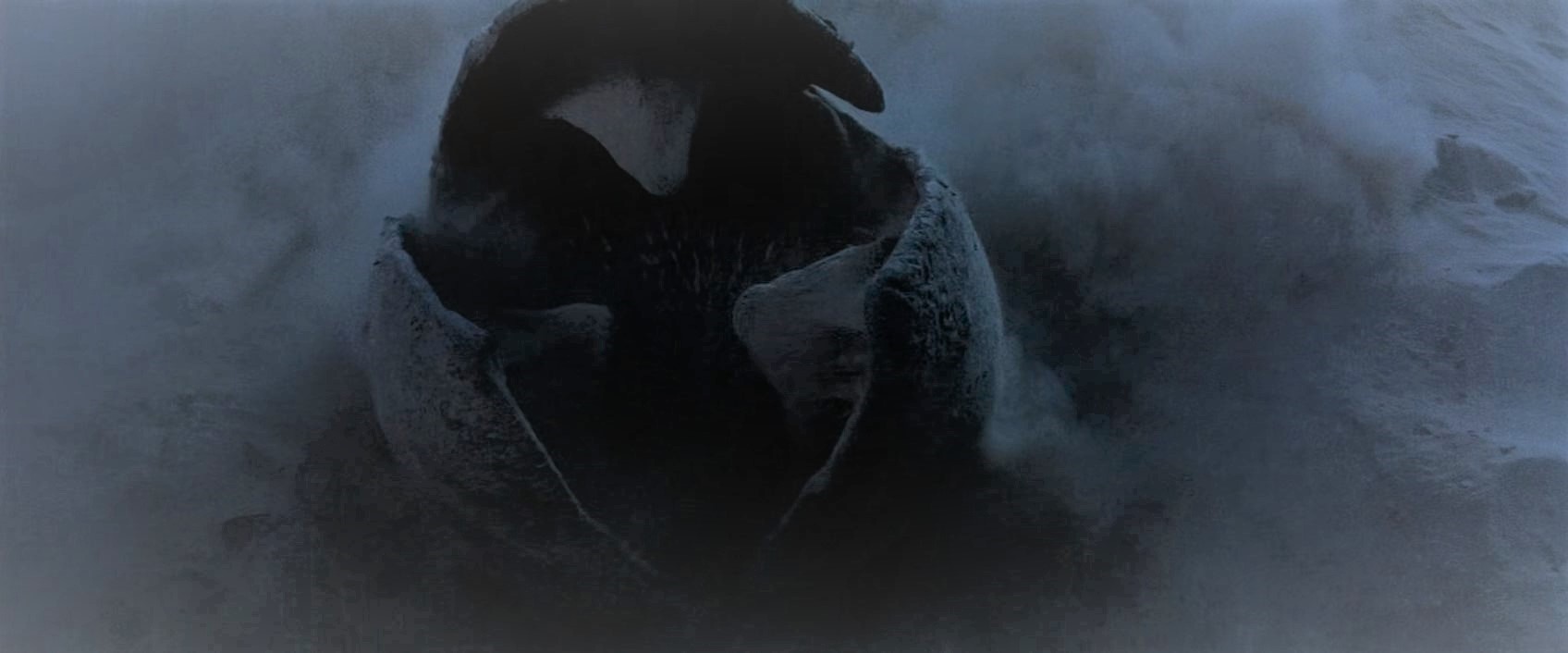
E veniamo invece al nuovo film, non ancora terminato, del regista Denis Villeneuve nel 2021.
Il film si presenta come un'opera ambiziosa che cerca di conciliare la fedeltà al testo di Frank Herbert e le esigenze commerciali.
La narrazione di Villeneuve, seppur fedele, rischia di soffocare la grandiosità visiva delle immagini, dando poco tempo alla loro contemplazione. La magniloquenza e la complessità del mondo di "Dune" sembrano soffrire della necessità di condensare la storia in un tempo limitato. Tuttavia, l'imponente messa in scena e l'approccio classico di Villeneuve creano un'atmosfera di meraviglia e maestosità.
Il film pone una sfida importante nel trovare un equilibrio tra una narrazione potente e il tempo per la contemplazione dello spettatore, rappresentando una possibile direzione per i blockbuster d'autore nel futuro.
Insomma... si vedrà al cinema quando verrà proiettata la seconda parte!
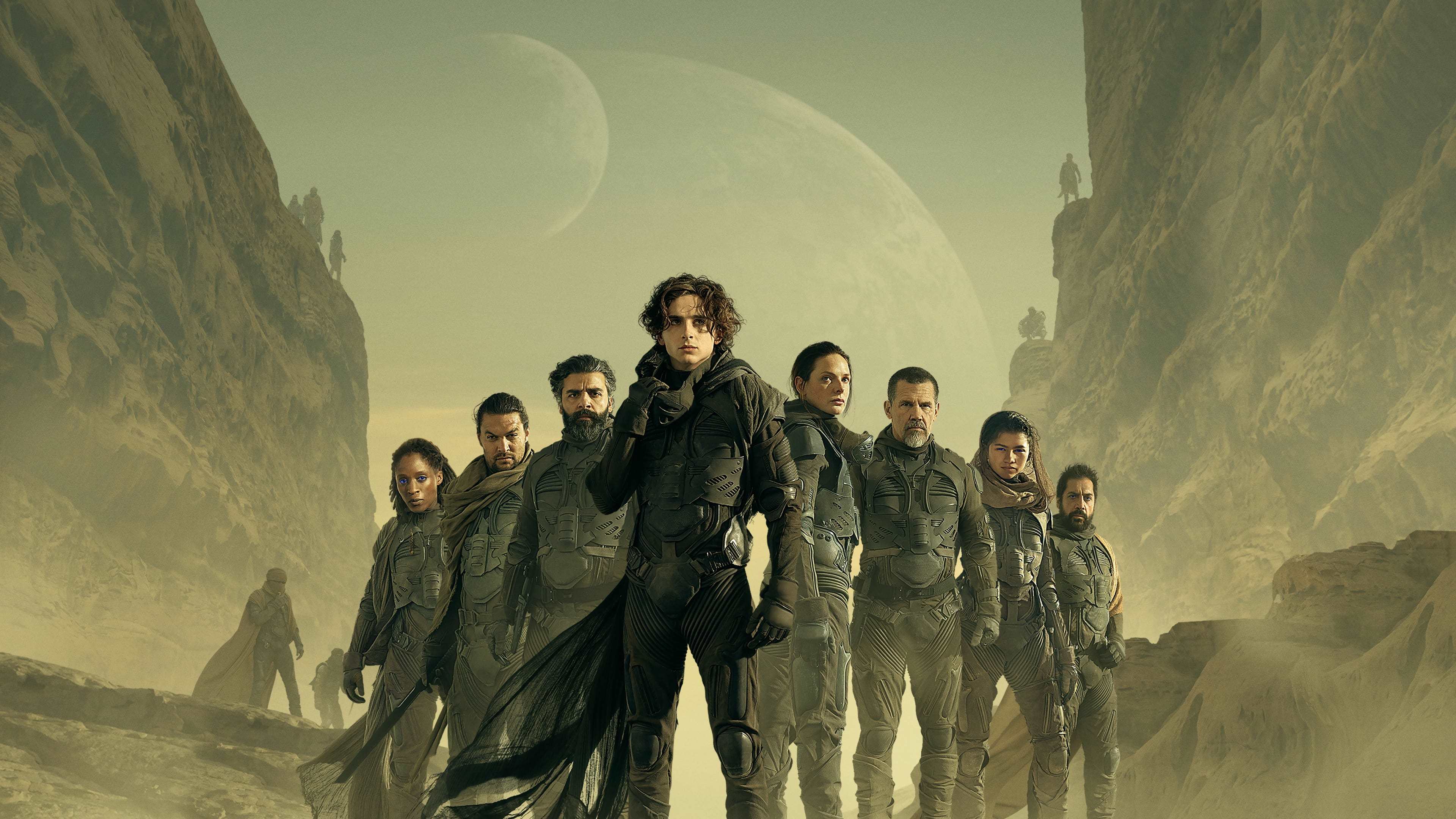
La cache
Nel 1971 il regista cileno Alejandro Jodorowsky aveva inizialmente tentato di adattare il romanzo di Frank Herbert "Dune" in un'ambiziosa produzione cinematografica. Jodorowsky ha coinvolto un team di talentuosi artisti e professionisti, tra cui il disegnatore di fumetti Moebius, il concept artist H.R. Giger e il musicista Pink Floyd, per creare un film che si prevedeva sarebbe stato innovativo e rivoluzionario. Il progetto di Jodorowsky prevedeva una durata di circa 14 ore e includeva idee e concetti visionari che sarebbero stati all'avanguardia per l'epoca. Tuttavia, nonostante gli sforzi di Jodorowsky nel cercare finanziamenti, il progetto alla fine non riuscì a trovare il sostegno necessario per essere realizzato e venne abbandonato. Nonostante il film non sia mai stato realizzato, il progetto di Jodorowsky ha avuto una grande influenza sul cinema e molti dei suoi collaboratori hanno successivamente lavorato su altri progetti di grande rilievo nell'industria cinematografica.
Per trovare la cache, dovrai capire dove si nasconde il "verme".


This cache is inspired by the 1984 film "Dune," written and directed by David Lynch and based on the novel of the same name by Frank Herbert.
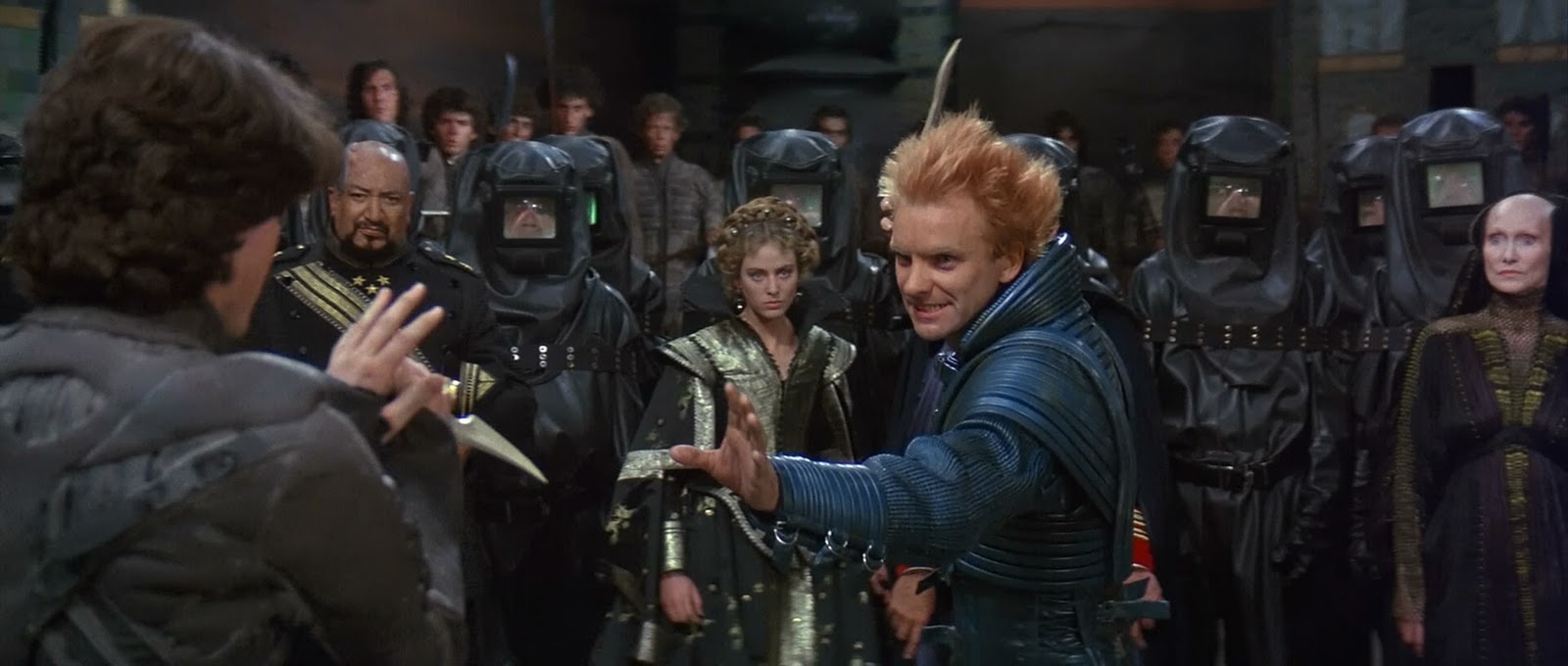
After the novel's publication, many film producers attempted to adapt Frank Herbert's "Dune" into a movie, leading to one of the most troubled production odysseys in cinema history.
The first attempt in 1971 was made by Arthur P. Jacobs, the producer of "Planet of the Apes," but the project was halted due to his death in 1973. In 1974, a French consortium led by Jean-Paul Gibon involved Alejandro Jodorowsky as the director, but the project proved to be too ambitious and was abandoned. In 1976, the rights were acquired by Dino De Laurentiis, who commissioned Herbert to write a new screenplay. Ridley Scott was involved in the project but eventually decided to abandon it to direct "Blade Runner." In 1981, with the adaptation rights about to expire, Raffaella De Laurentiis convinced David Lynch to take over as the director after seeing his work on "The Elephant Man."
In 2020, David Lynch described his 1984 film adaptation of Frank Herbert's science fiction novel "Dune" as a great sadness in his life. The film was a resounding failure, costing $40 million and earning just under $31 million. It was met with indifference from the audience and derision from critics, being described as an incomprehensible chaos and one of the most convoluted screenplays of all time by Roger Ebert. Unlike other films like "Blade Runner," Lynch's "Dune" never became a cult classic and still represents Lynch's biggest failure in his career as the creator of Twin Peaks.
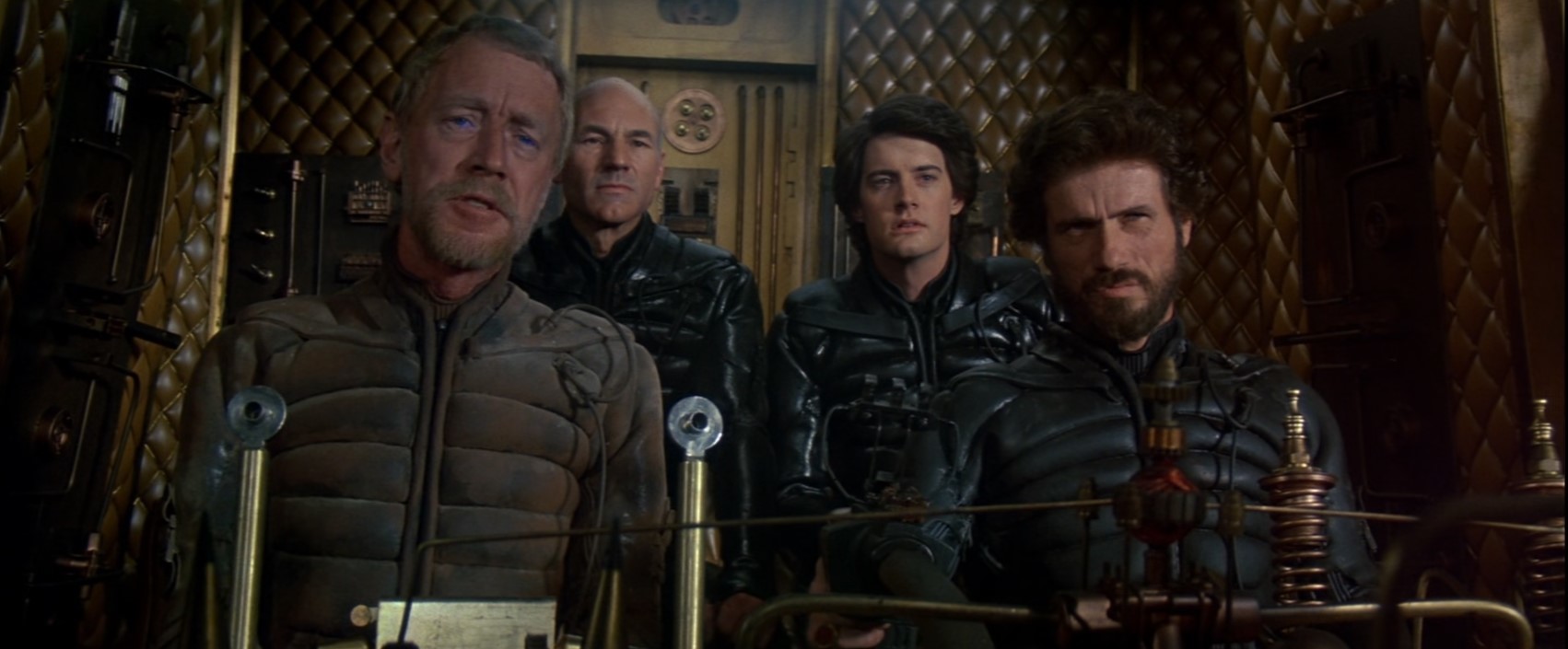
The debacle of David Lynch's script is paradoxical considering the high value of the source material. The novel, published by Frank Herbert in 1965 and followed by a series of six books, including those written by the author's son in collaboration with Kevin J. Anderson, is still considered a milestone in literary science fiction and beyond. The story takes place in a distant future dominated by noble houses, space corporations, and the valuable substance called "spice." Paul Atreides, portrayed by Kyle MacLachlan, is a young noble sent to the desert planet of Arrakis. Here, Paul becomes entangled in a battle for control of the spice, discovering that he is the Messiah foretold by ancient prophecies. With the help of his mother and the mysterious Bene Gesserit, Paul leads a rebellion against his enemies. "Dune" explores themes of power and destiny.

Now, let's turn to the new film, not yet finished, by director Denis Villeneuve in 2021. The film presents itself as an ambitious work that seeks to reconcile fidelity to Frank Herbert's text with commercial demands. Villeneuve's narration, although faithful, risks suffocating the visual grandeur of the images, allowing little time for contemplation. The magnificence and complexity of the world of "Dune" seem to suffer from the need to condense the story into a limited time. However, the imposing staging and Villeneuve's classical approach create an atmosphere of wonder and grandeur. The film poses an important challenge in finding a balance between powerful storytelling and allowing the viewer time for contemplation, representing a possible direction for auteur blockbusters in the future.
In short... we'll see it in the cinema when the second part is screened!.
The cache
In 1971, Chilean director Alejandro Jodorowsky initially attempted to adapt Frank Herbert's novel "Dune" into an ambitious film production. Jodorowsky involved a team of talented artists and professionals, including comic book artist Moebius, concept artist H.R. Giger, and the band Pink Floyd, to create a film that was expected to be innovative and revolutionary. Jodorowsky's project had an estimated duration of about 14 hours and included visionary ideas and concepts that would have been groundbreaking for the time. However, despite Jodorowsky's efforts to secure funding, the project ultimately failed to find the necessary support to be realized and was abandoned. Although the film was never made, Jodorowsky's project had a significant influence on cinema, and many of his collaborators went on to work on other highly notable projects in the film industry.
To find the cache, you will need to figure out where the "sandworm" is hidden.

|