tragovi u kamenu
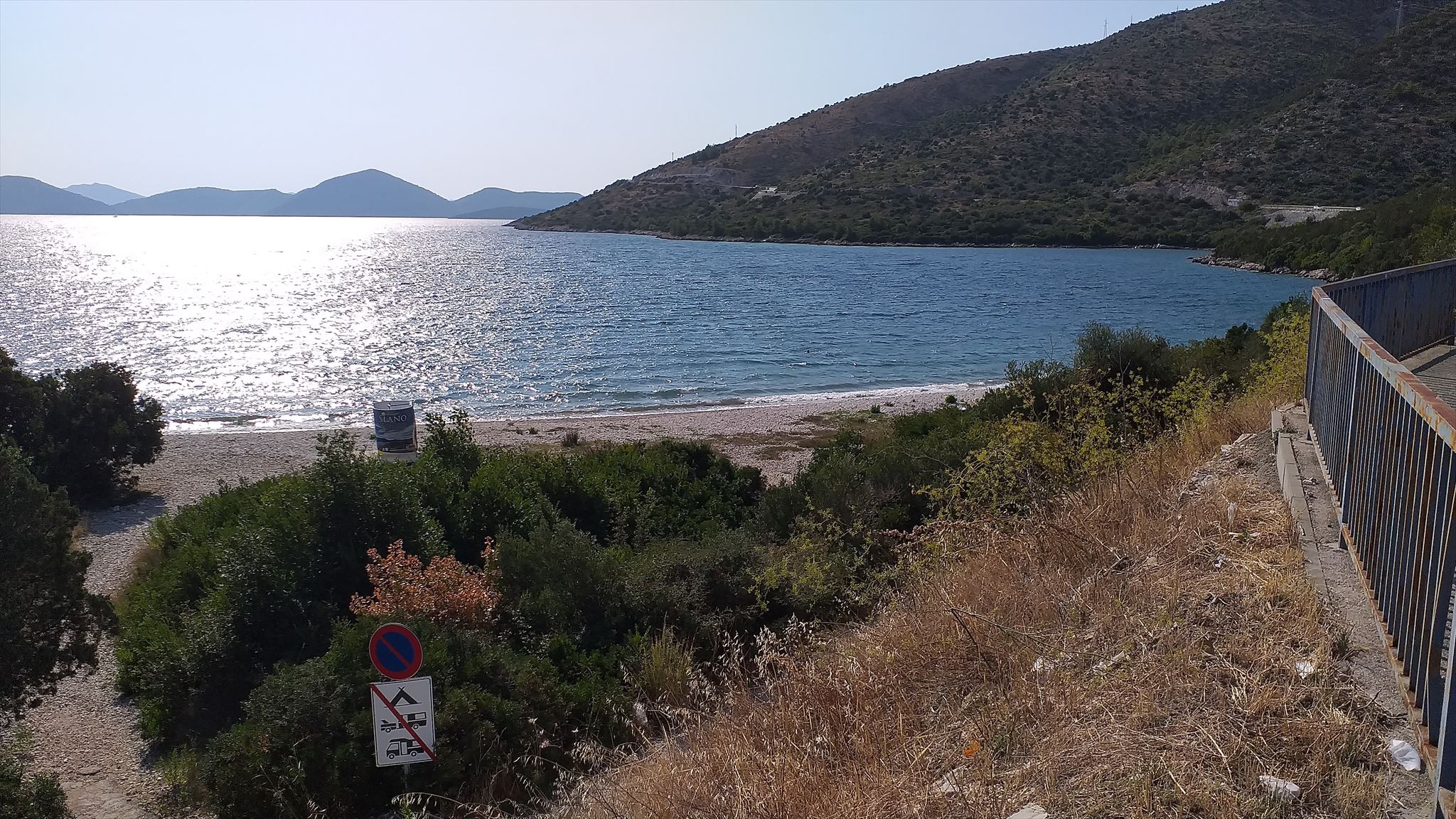
Ovaj cache vodi vas do plaže na hrvatskoj jadranskoj obali u blizini Dubrovnika. Tamo ćete pronaći razne stijene s tragovima fosila. Prisutni su tragovi spužvi svrdlaša (Cliona), spužvi (Myida) i vapnenastih cjevaša (Serpulidae, njemački Serpel). Ova plaža je prije mnogo, mnogo godina više bila dio Mediterana.
Geologija:
Krajolik Hrvatske u osnovi je nastao između 180 milijuna godina (gornja jura) i prije oko 55 milijuna godina (eocen). Dalmacija je dio Dinarskog gorja. Dinarske planine su među najvišim i najstrmijim planinama u Europi. Sastoji se najvećim dijelom od vapnenca i karakterizira ga jaka karstifikacija, koja je posebno izražena između Dalmacije i Bosne. Dinarsko gorje, kao i Središnje Alpe, nastalo je sudarom afričko-arapske i euroazijske ploče u oligocenu, što traje i danas.
Vapnenac/dolomit je relikt poplava i organizama koji žive u njemu koji sežu daleko u povijest Zemlje. Ti organizmi - vapnenačke alge, rakovi (rakovi), mekušci, brahiopodi (brahiopodi), foraminifere i koralji - dobiveni su nakon njihove smrti ili izlučevinama u razdoblju prije 145,5 do 65,5 milijuna (kreda). godine polazni materijal za nastanak vapnenca.
Što su fosili?
Fosil je svaki dokaz prošlog života u Zemljinoj povijesti koji je stariji od 10 000 godina i stoga se može pripisati geološkom dobu prije početka holocena.
Nastanak
Obično, kada živo biće umre, počinje truljenje, raspadanje i fermentacija ili organizam jednostavno pojede drugi. Osim ako je organizam utopljen u smolu, led, sitni pijesak ili blato, ili ako je stavljen u taninsku vodu, koja sprječava potpunu razgradnju, tako da cijeli ili dio organizma preživi. Kada se to dogodi, oni se nazivaju fosilima. Mogu nastati ili iz dijelova samog živog bića ili kao njegov otisak u stijeni ili kao njegov trag u stijeni. Način na koji su fosili nastali određuje vrstu fosila.
Postoji pet vrsta fosila:
Fosili tijela
Molekularni fosili.
Fosili u tragovima
Fosili ugljika
Pseudofosili.
Fosili mogu biti biljke ili životinje.
Profil životinja koje su ostavile trag ovdje u Kaklksteinu:
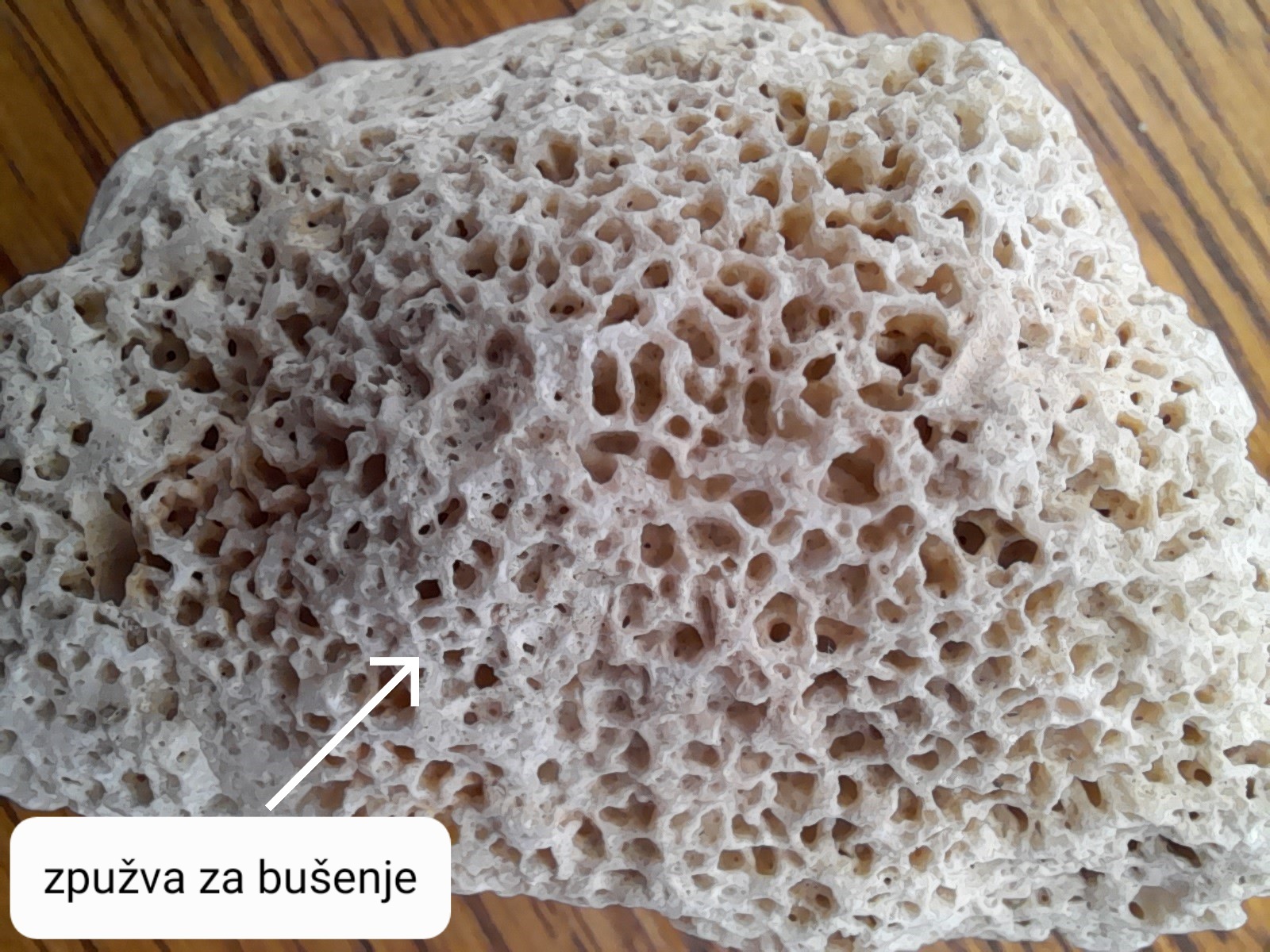
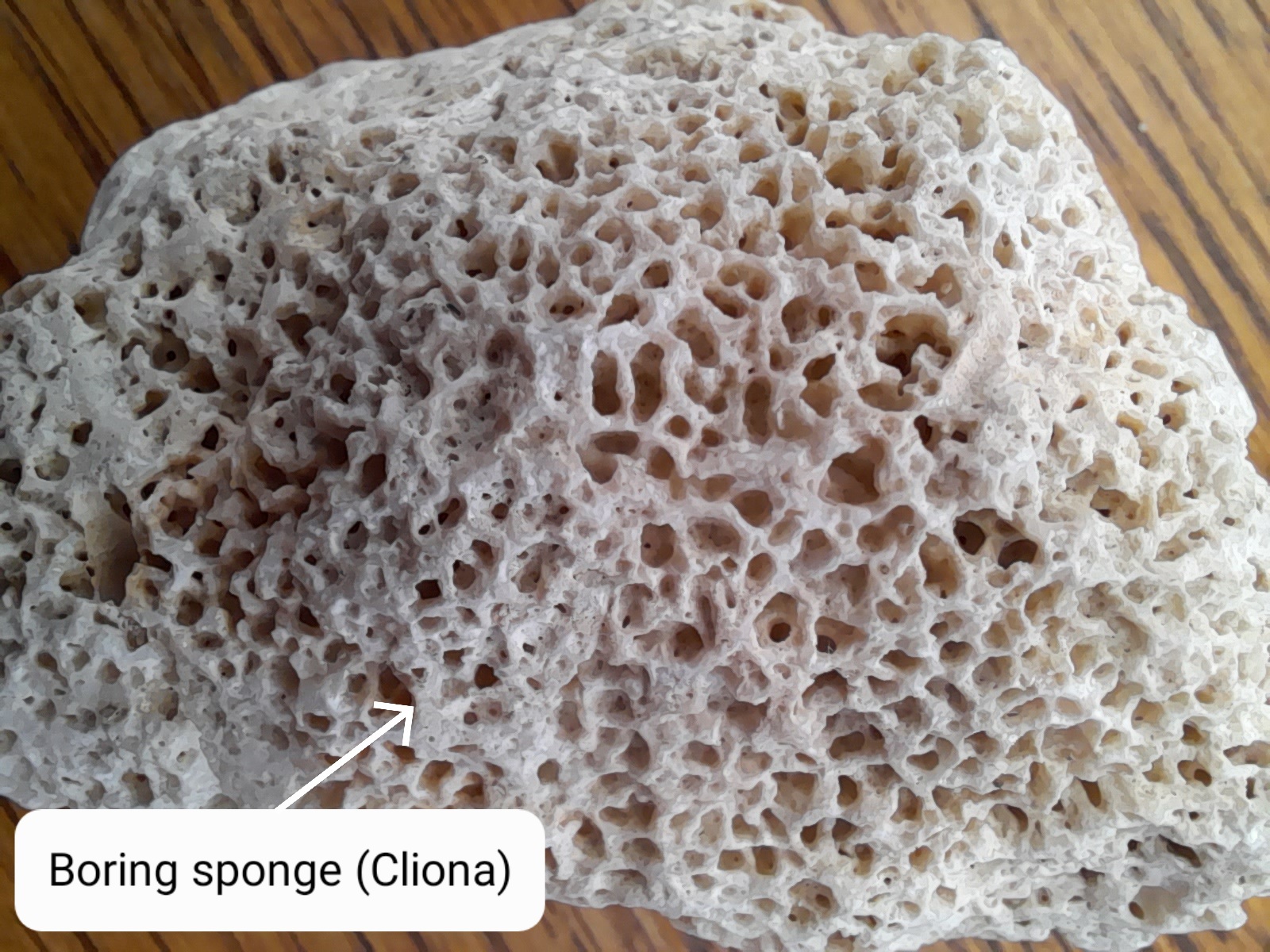
Spužva za bušenje (Cliona)
Spužva za bušenje buši kružne rupe promjera do 5 mm u vapnencu. Žuta spužva obitava uz obalu u priobalnom području, na dubinama između 0 i 200 m. Prednost ima cirkumlitoral, odnosno dublje područje priobalja.
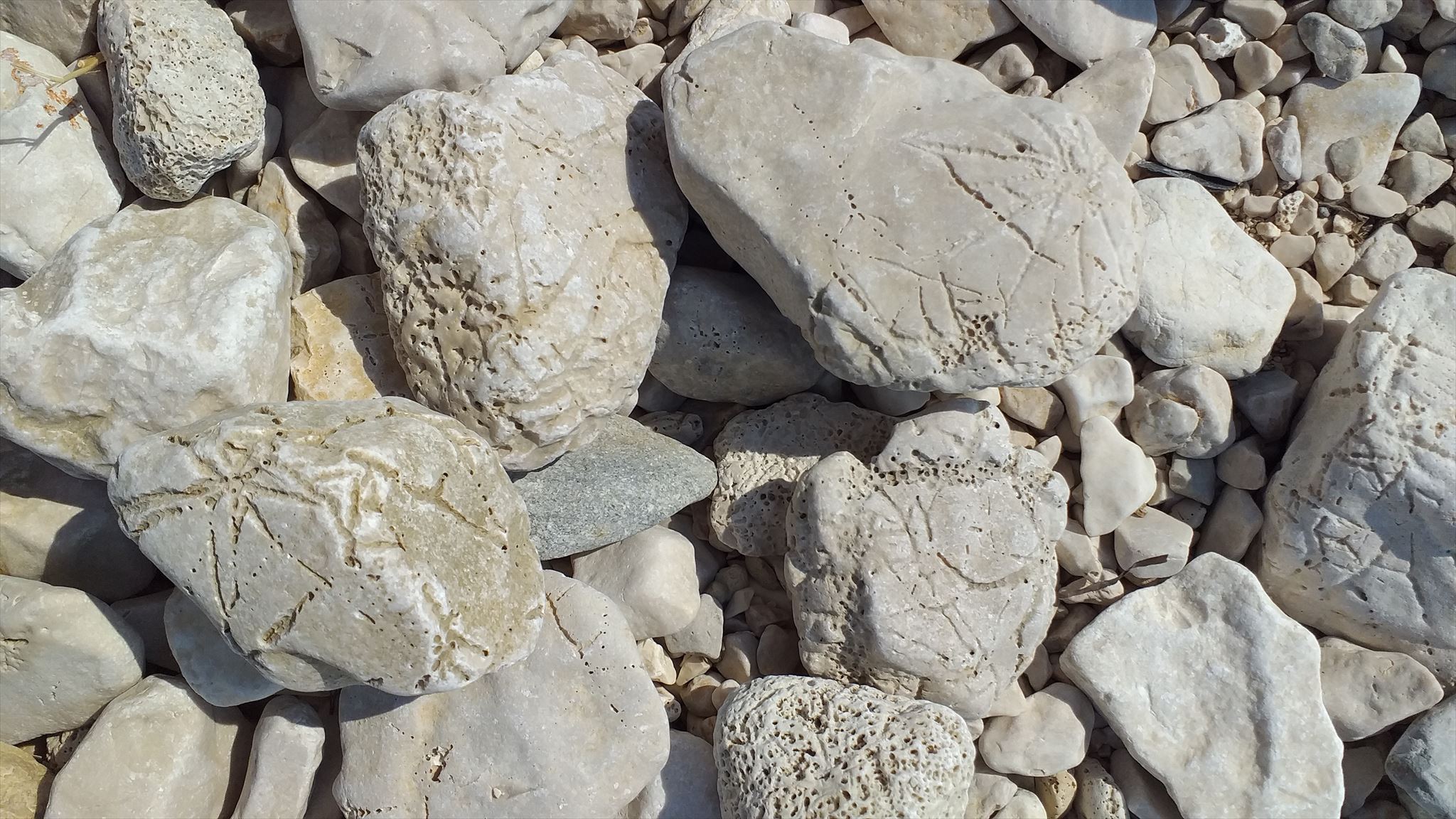
dosadne školjke ( Myida)
Postoje različite vrste školjki i nije moguće točno reći koje su vrste tragova. Šupljine se također nazivaju gastrochaenoliti u fosilima. U geoznanostima se koriste za određivanje prethodne razine mora, budući da se bušotine formiraju na vrlo koncentriran način samo nekoliko metara ispod vodene linije. Gastrohenoliti su fosili u tragovima koji nastaju kao bušotina u obliku toljage (u obliku toljage) u tvrdoj podlozi kao što je školjka, stijena ili tvrdo karbonatno tlo. Otvor jazbine je uži od glavne komore i može biti kružnog, ovalnog ili oblika bučice. Međutim, jazbine nisu tipične ni za jednu vrstu, već za dagnje dagnje iz roda Lithophaga i srodnih rodova općenito.
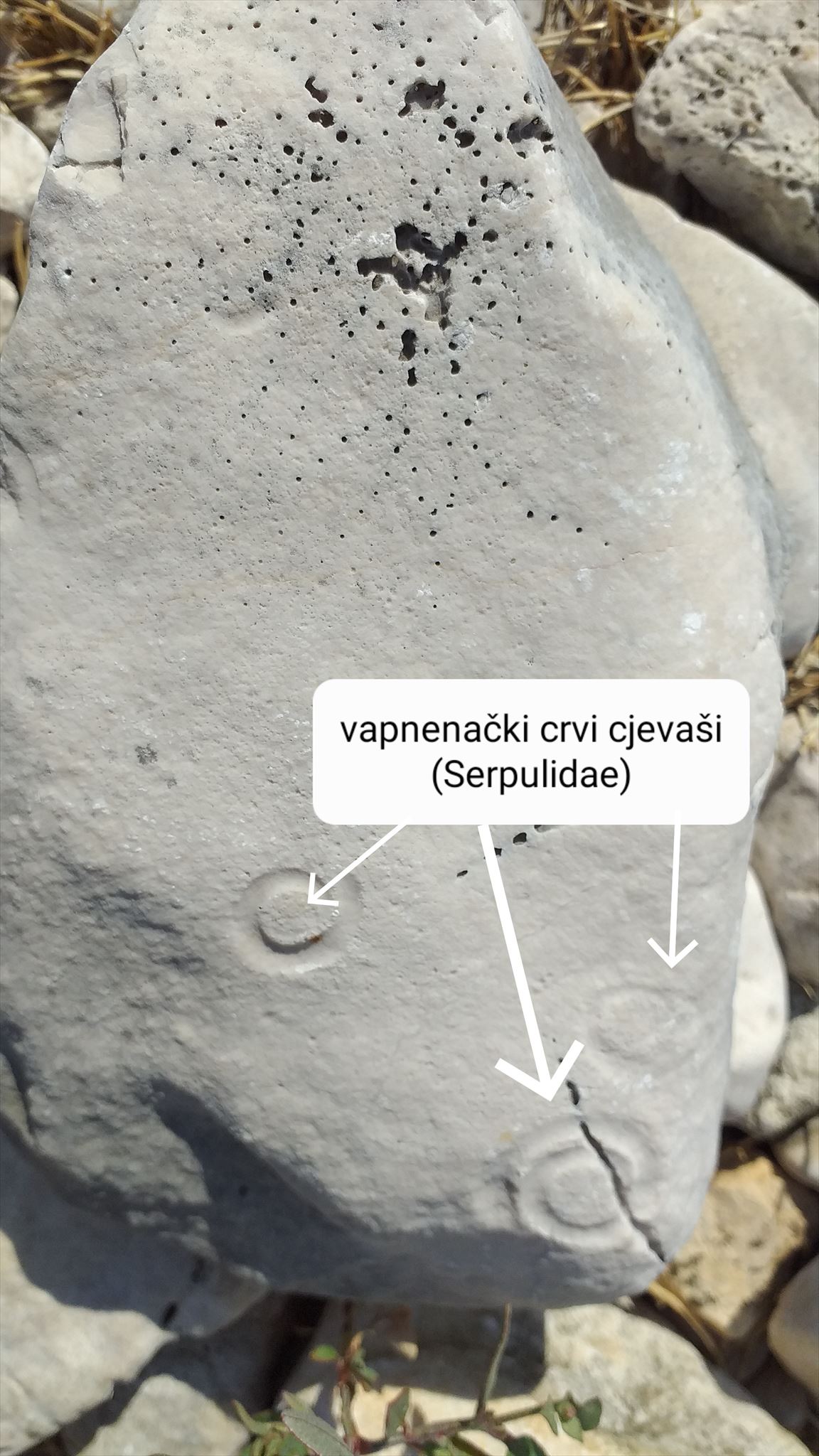
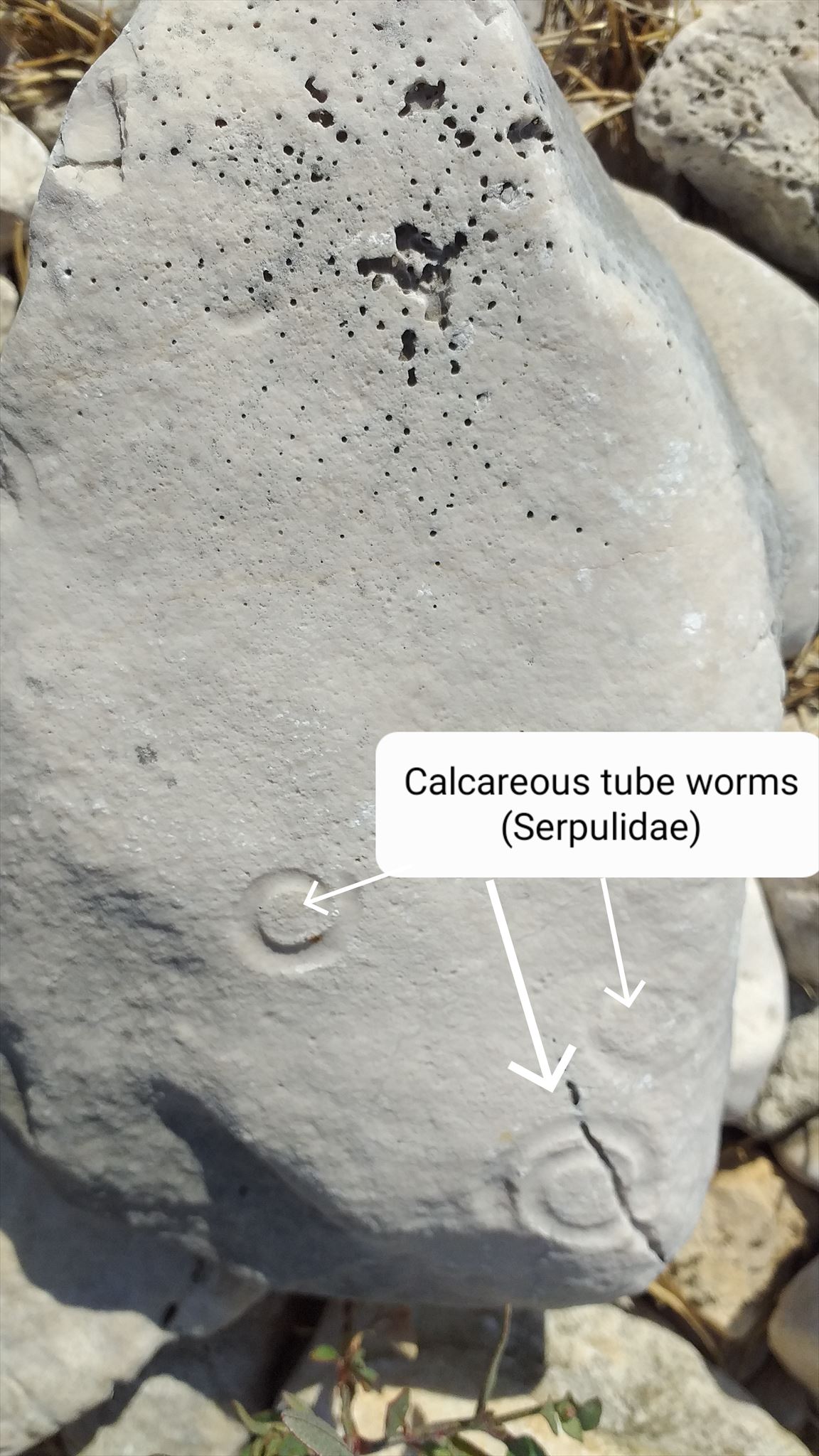
Vapnenački crvi cjevaši (Serpulidae)
Ovisno o vrsti, vapnenasti cjevčari dugi su između 2 mm i više od 10 cm, pri čemu vapnenasti cjevaš može biti nekoliko puta duži od crva. Vapnenačke cijevi serpulida fosilno su dobro očuvane.
Da biste mogli zabilježiti ovu predmemoriju, morate odgovoriti na nekoliko malih pitanja:
1) Koju vrstu fosila možete pronaći ovdje
2) Koji je razlog zašto danas možemo vidjeti ove tragove fosilnog života na plaži?
3) Jesu li fosili pronađeni po cijeloj plaži ili samo na određenim mjestima?
4) Zatvorite oči i pokupite 10 nasumičnih kamenčića. Zatim pogledajte koliko njih sadrži tragove fosila.
5) Fotografija
Na pitanja se može odgovoriti uz pomoć popisa i zdrave znatiželje na licu mjesta bez daljnjeg istraživanja! Molimo Vas da odgovore šaljete na naš profil. Zabavite se otkrivajući i istražujući. Literatura: WIKIPEDIA, fossilien.de, planet-schule.de, vlastite fotografije
Prevedeno sa Google
Let the Earth be your teacher !
Traces in the stone
This earth cache takes you to a beach on the Croatian Adriatic coast near Dubrovnik. You will find a variety of stones with fossil traces. There are traces of drill sponges (Cliona), drill shells (Myida) and calcareous tubeworms (Serpulidae, German Serpel). This beach was part of the Mediterranean Sea many, many years ago.
The landscape of Croatia was essentially formed 180 million years ago (Upper Jurassic) to about 55 million years ago (Eocene). Dalmatia is part of the Dinaric Mountains.
The Dinaric Mountains are among the highest and steepest mountains in Europe. It consists largely of limestone and is characterised by its strong karstification, which is particularly pronounced between Dalmatia and Bosnia. The Dinaric Mountains, like the Central Alps, were formed by the collision of the African-Arabian and Eurasian plates in the Oligocene, a process that continues to the present day.
Limestone/dolomite is a relic of flooding far back in Earth's history and the organisms living in it. These organisms - calcareous algae, crustaceans, molluscs, brachiopods, foraminifera and corals - provided the raw material for the formation of limestone and dolomite after their death or through excretion in the period 145.5 to 65.5 million (Cretaceous) years ago. years ago provided the raw material for the
What are fossils?
A fossil is any evidence of past life in the history of the Earth that is older than 10,000 years and can thus be assigned to a geological age before the beginning of the Holocene.
Origin
When a living thing dies, processes of decay, putrefaction and fermentation normally set in, or the organism is simply eaten by another. Unless the organism becomes embedded in resin, ice, fine sand or mud, or enters tannic water where complete decomposition is prevented, so that the whole organism or parts of it are preserved. When this happens, they are called fossils.
They can occur either from parts of the living organism itself or as its imprint in the rock or as its trace in the rock.
The way in which the fossils were formed determines the type of fossil. There are five types of fossils:
-
Body Fossils.
-
Molecular Fossils.
-
Trace Fossils.
-
Carbon Fossils.
-
Pseudofossils.
Fossils can be plants or animals.
Profile of the animals that have left their traces here in the limstone:
Boring sponge (Cliona)
The boring sponge bores circular holes with a diameter of up to
5 mm in limestone. The yellow boring sponge lives near the coast in the shore area, at depths of between 0 and 200 m. It is found in the circalittoral, in the shore area. It prefers the circalittoral, i.e. the deeper part of the shore.
Boring molluscs ( Myida)
There are different types of bivalves and it is not possible to say exactly which species the traces are.
The burrows are fossilised and called gastrochaenolites. In geosciences, they are used to determine earlier sea levels, as the boreholes are formed in a very concentrated manner in only a few metres below the waterline. Gastrochaenoliths are trace fossils formed as a club-shaped (lobe-shaped) hole in a hard substrate such as a shell, rock or carbonate hardpan. The opening of the bore is narrower than the main chamber and may be circular, oval or dumbbell-shaped However, boreholes are not typical of one species, but are more general to boring mussels of the genus Lithophaga and related genera
Calcareous tube worms (Serpulidae)
Depending on the species, the calcareous tube worms grow from 2 mm to over 10 cm long, and the calcareous tube can be several times the length of the worm. The calcareous tubes of the serpulids are well preserved fossil.
To be able to log this cache, you have to answer a few small questions:
1) What type of fossils can you find here?
2) What is the reason that we can discover these traces of fossil life on the beach here today?
3) Are the fossils found everywhere on the beach, or only in certain places?
4) Close your eyes and pick up 10 random stones. Then see how many of them contain fossil traces.
5) Photo
The questions can be answered with the help of the listing and healthy curiosity on the spot without further research !
Please send the answers to our profile.
Have fun discovering and exploring.
Literature: WIKIPEDIA, fossilien.de, planet-schule.de, own photos
Translated with www.DeepL.com/Translator (free version)
Let the Earth be your teacher !
Spuren im Stein
Dieser Earthcache führt Euch zu einem Strand an der kroatischen Adria Küste in die Nähe von Dubrovnik. Ihr werdet da eine Vielzahl an Steinen mit fossilen Spuren finden. Es sind Spuren vom Bohrchwämmen (Cliona), von Bohrmuscheln ( Myida) und Kalkröhrenwürmer (Serpulidae, deutsch Serpel). Dieser Strand war vor vielen, vielen Jahren ein Teil des Mittelmeeres.
Geologie
Die Landschaft Kroatiens ist im wesentlichen vor 180 Millionen Jahren (Oberjura) bis etwa vor 55 Millionen Jahren (Eozän) entstanden. Dalmatien ist Teil des Dinarischen Gebirge.
Das Dinarische Gebirge zählt zu den höchsten und steilsten Gebirgen Europas. Es besteht größtenteils aus Kalkstein und ist durch seine starke Verkarstung gekennzeichnet, die zwischen Dalmatien und Bosnien besonders ausgeprägt ist. Das Dinarische Gebirge entstand, ebenso wie die Zentralalpen, durch die Kollision der afrikanisch-arabischen und der eurasischen Platte im Oligozän, die sich bis in die heutige Zeit hinein fortsetzt.
Kalkstein/Dolomit ist ein Relikt von weit in die Erdgeschichte zurückreichende Überflutungen und der darin lebenden Organismen. Jene Organismen – Kalkalgen, Crustacea (Krebse), Mollusken, Brachiopoden (Armfüßer), Foraminiferen und Korallen – lieferten nach deren Ableben oder durch Ausscheidungen in der Zeit vor 145,5 bis 65,5 Mio (Kreide) Jahren das Ausgangsmaterial für die Bildung von Kalkstein.
Was sind Fossilien?
Ein Fossil ist jedes Zeugnis vergangenen Lebens der Erdgeschichte, das älter als 10.000 Jahre ist und sich somit einem geologischen Zeitalter vor dem Beginn des Holozäns zuordnen lässt.
Entstehung
Wenn ein Lebewesen stirbt, setzen normalerweise Fäulnis-, Verwesungs- und Gärungsprozesse ein oder der Organismus wird einfach von einem anderen aufgefressen. Es sei denn, der Organismus wird in Harz, Eis, feinen Sand oder Schlamm eingebettet oder gelangt in gerbstoffhaltiges Wasser, in dem die vollständige Zersetzung verhindert wird, so dass der gesamte Organismus oder Teile von ihm erhalten bleiben. Wenn dies geschieht, spricht man von Fossilien.
Sie können entweder aus Teilen des Lebewesens selbst oder als dessen Abdruck im Gestein oder als dessen Spur im Gestein auftreten.
Die Art und Weise der Entstehung der Fossilien bestimmt den Typ des Fossils. Es werden folgende Typen unterschieden:
-
Versteinerungen
-
Abdrücke
-
Einschlüsse
-
Mumifizierungen
-
Inkohlungen
Fossilien können Pflanzen oder Tiere sein.
Steckbrief der Tier die hier im Kaklkstein ihre Spuren hinterlassen haben:
Bohrschwamm (Cliona)
Der Bohrschwamm bohrt kreisrunde Löcher mit einem Durchmesser von bis zu
5 mm in Kalkstein. Der Gelbe Bohrschwamm lebt in Küstennähe im Uferbereich, in Tiefen zwischen 0 und 200 m. Dabei wird das Circalitoral, also der tiefere Bereich des Uferbereichs, bevorzugt.
Bohrmuscheln ( Myida)
Es gibt verschiedene Arten von Bohrmuscheln und man kann nicht genau sagen , von welcher Art die Spuren sind.
Die Höhlungen werden fossil auch als Gastrochaenolites bezeichnet. Sie dienen in den Geowissenschaften zur Bestimmung von früheren Meeresspiegelständen, da die Bohrlöcher sehr konzentriert in nur wenigen Metern unterhalb der Wasserlinie gebildet werden. Gastrochaenolithe sind Spurenfossilien, die als keulenförmige (keulenförmige) Bohrung in einem harten Substrat wie einer Muschel, einem Gestein oder einem Karbonat-Hartboden gebildet werden. Die Öffnung der Bohrung ist schmaler als die Hauptkammer und kann kreisförmig, oval oder hantelförmig sein Die Bohrlöcher sind jedoch nicht typisch für eine Art, sondern ganz allgemein für bohrende Miesmuscheln der Gattung Lithophaga und verwandte Gattungen
Kalkröhrenwürmer (Serpulidae)
Die Kalkröhrenwürmer werden je nach Art zwischen 2 mm und über 10 cm lang, wobei die Kalkröhre eine mehrfache Länge des Wurms haben kann. Die kalkigen Röhren der Serpuliden sind fossil gut erhaltungsfähig.
Um diesen Cache Loggen zu können , müsst Ihr noch ein paar kleine Fragen beantworten:
1) Welchen Typ Fosilien kannst Du hier finden..
2) Was ist die Ursache, dass wir diese Spuren fossilen Lebens heute am Strand hier entdecken können?
3) Sind die Fossilen überall am Strand zu finden , oder nur an bestimmten Stellen?
4) Schließe deine Augen und hebe 10 zufällige Steine auf. Dann sieh nach, wie viele von ihnen Fossiele Spuren enthalten.
5 ) Foto
Die Fragen lassen sich mit Hilfe des Listings und gesunder Neugier vor Ort ohne weitere Recherchen beantworten !
Die Antworten sendet Ihr bitte an unser Profil.
Viel Spaß beim Entdecken und Erkunden.
Literatur: WIKIPEDIA, fossilien.de, planet-schule.de, eigene Fotos
Let the Earth be your teacher !