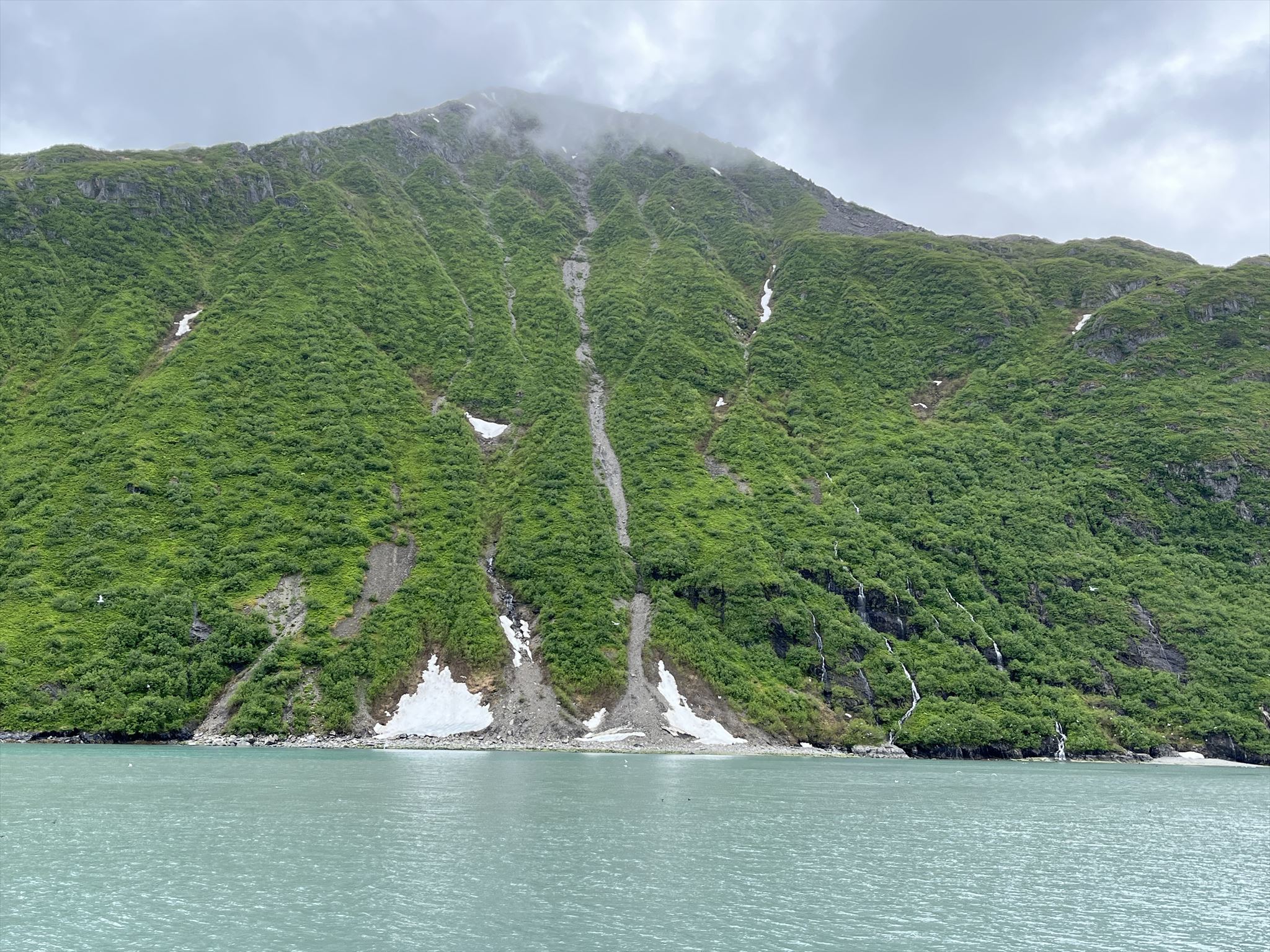
Mass wasting, a geological process also known as slope movement or landsliding, is a natural phenomenon that involves the downward movement of rock, soil, and debris occurs due to the force of gravity. This movement can range from slow and imperceptible to rapid and catastrophic, causing significant changes in the landscape over time. Various factors contribute to mass wasting, including the steepness of slopes, the type and structure of the geological materials, climate conditions, and human activities like deforestation or construction. Trigger events, such as heavy rainfall, earthquakes, volcanic eruptions, or even man-made disturbances, can exacerbate the process. The frequency of mass wasting varies depending on the location and geological characteristics of an area, with some regions experiencing frequent small-scale movements while others may see infrequent but massive landslides.
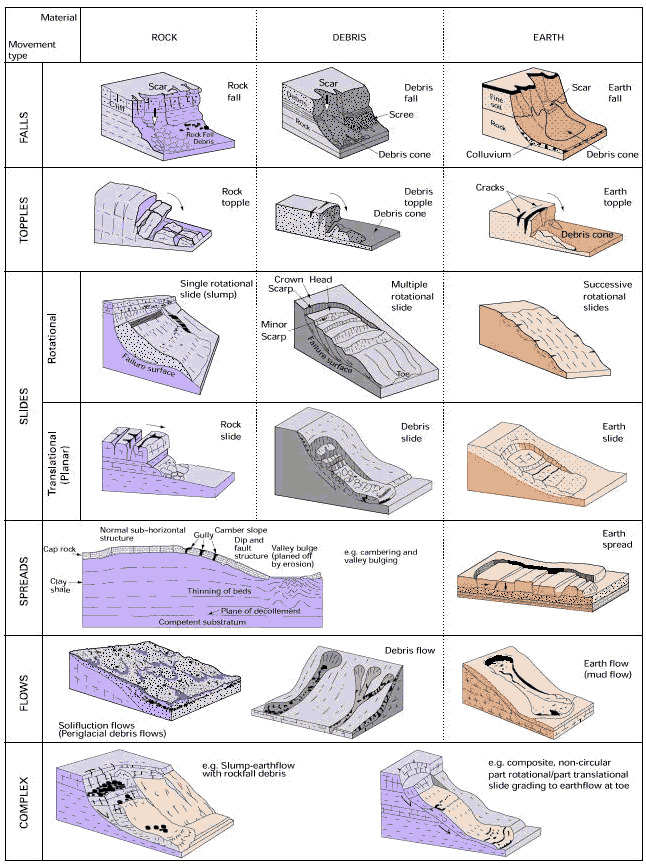
Mass wasting events are classified based on several factors, including the speed of movement, the type of material involved, and the nature of the movement. The speed of mass wasting can range from slow to fast, with slow-moving processes like creep occurring imperceptibly over long periods, while fast-moving events like rockfalls and debris flows can happen suddenly and with immense destructive force. The type of material involved distinguishes between rockfalls (consisting of detached rocks), slides (where material moves along a well-defined surface), and flows (where loose material behaves like a fluid). Additionally, mass wasting events can be classified as rotational or translational, depending on the type of movement. Rotational slides involve material rotating along a curved surface, often forming bowl-shaped depressions known as slumps. Translational slides occur when material moves along a planar surface, such as in landslides.
Logging Requirements:
- Describe the size, shape, length, and other characteristics of the mass wasting that occurred here. What type of material does it appear to be?
- Using the chart as a guide, what would you classify this mass wasting as? Describe why you chose that category.
- Do you think this mass wasting event occurred rapidly, or slowly? What led you to that conclusion?
- How do you think water content has influenced the mass wasting evident in front of you? Do you think water may have been a trigger event?
- Upload a photo taken in the area. You don't have to be in the photo, though it is strongly encouraged.
Sources:
- https://www.nps.gov/subjects/erosion/mass-wasting.htm
- https://opengeology.org/textbook/10-mass-wasting/
- https://opentextbc.ca/geology/chapter/15-2-classification-of-mass-wasting/