Per poter registrare come "found" questa eartcache devi rispondere alle seguenti domande.
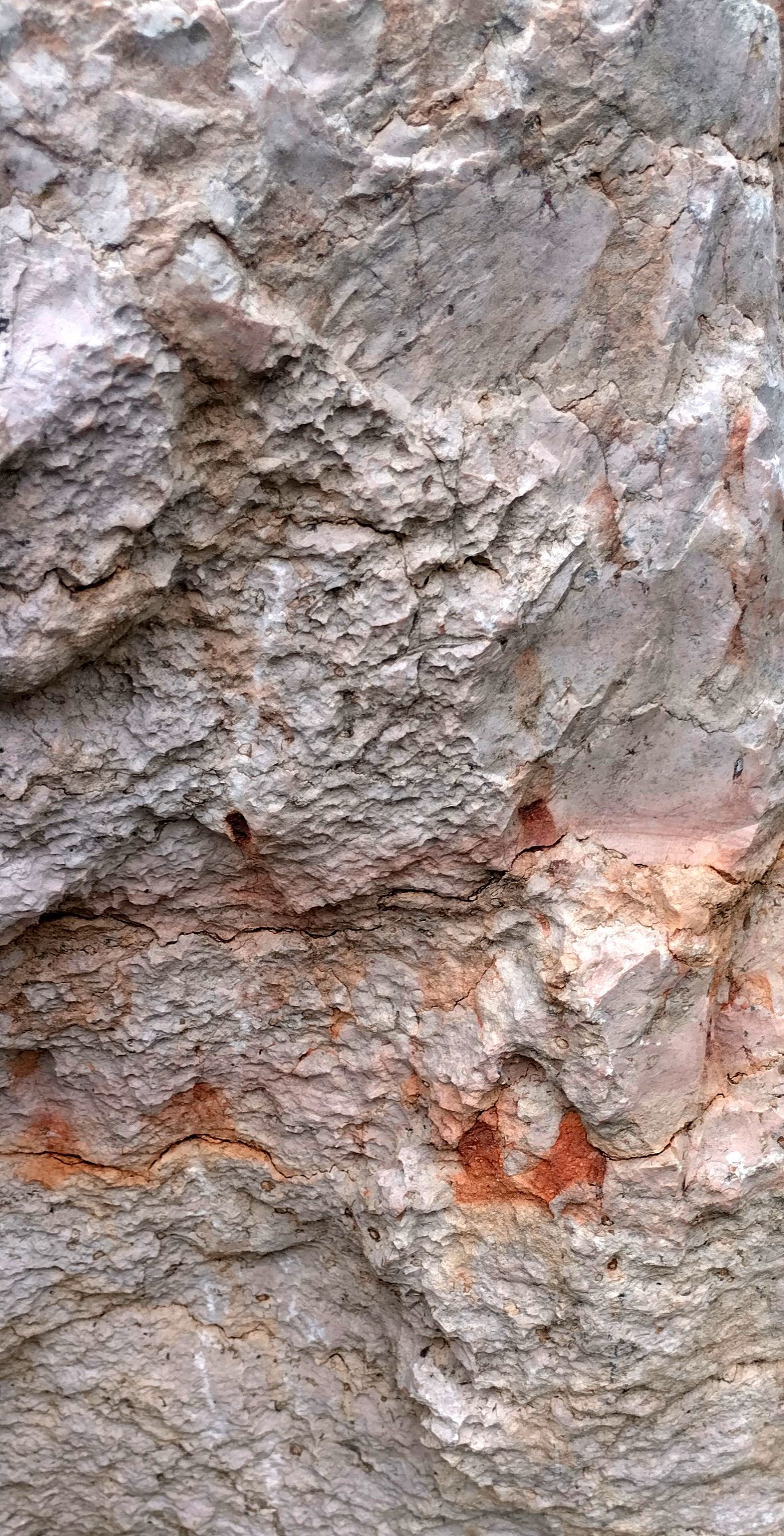
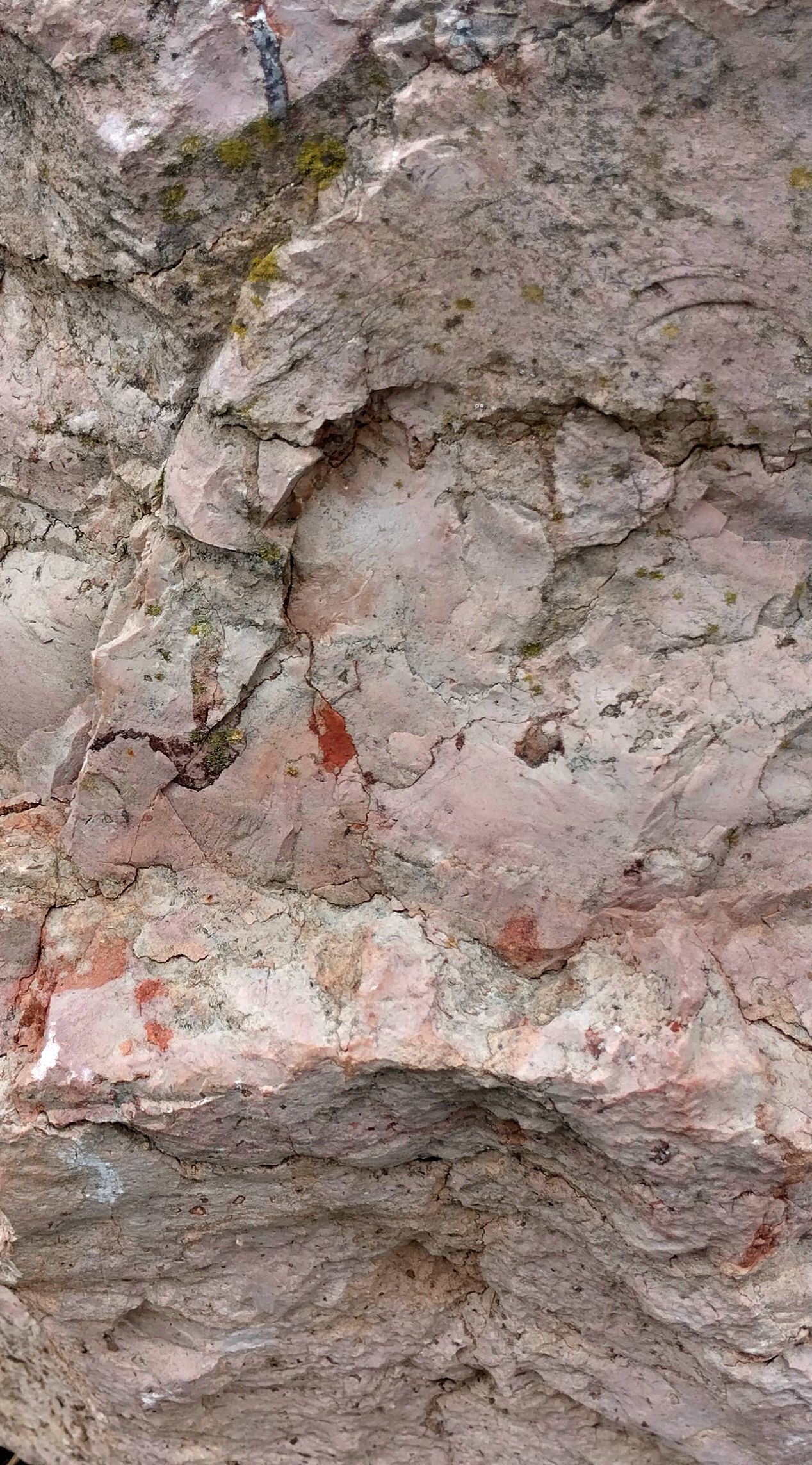
1. Una volta a destinazione cerca i due blocchi di Rosso Ammonitico all'inizio del vialetto; sono piuttosto evidenti.
Osservali con cura, e una volta fatto rispondi alla seguente domanda.
Che provenieenza immagini abbiano, Veronese o Lombarda?
Qual è il motivo della tua risposta?
2. Vedi ammoniti presenti sulla sezione superiore?
3. OBBLIGATORIO - Fatti una foto o falla al tuo GPS/smartphone/nickname (a scelta) sul posto.

In order to register this earthcache as "found" you must answer the following questions.
1. Once you reach your destination, look for the two blocks of Rosso Ammonitico at the beginning of the path; they are quite obvious. Observe them carefully, and once you have done so, answer the following questions.
What is the origin of the images, Veronese or Lombard?
What is the reason for your answer?
2. Do you see any ammonites present on the upper section?
3. MANDATORY - Take a photo of yourself or your GPS/smartphone/nickname (your choice) on the spot.

Para poder registrar esta earthcache como "encontrada", debes responder las siguientes preguntas.
1. Una vez que llegues a tu destino, busca los dos bloques de Amonita Roja al inicio del camino; Son bastante obvias. Obsérvalos atentamente y una vez hecho, responde las siguientes preguntas.
¿De dónde proceden las imágenes, de Veronese o de Lombardía?
¿Cual es el motivo de su respuesta?
2. ¿Ves alguna amonita presente en la sección superior?
3. OBLIGATORIO - Tómate una foto o hazla con tu GPS/smartphone/nickname (a tu elección) en el lugar.
ROSSO AMMONITICO
Il Rosso Ammonitico Veronese e il Rosso Ammonitico Lombardo sono due varietà della stessa formazione geologica, il Rosso Ammonitico, una roccia sedimentaria calcarea di colore rosso che prende il nome dalla presenza di ammoniti fossili, già trattata approfonditamente o meno in altre earthcache.
Tuttavia, ci sono alcune differenze tra le due varianti dovute alla loro area di formazione e alle condizioni geologiche locali.
Rosso Ammonitico Veronese
- Si trova principalmente nella zona di Verona e delle Prealpi Venete.
- Ha una tonalità di rosso più intensa, spesso tendente al bordeaux.
- È generalmente più compatto e resistente rispetto alla variante lombarda.
- Pur potendo presentare noduli, ha una struttura più compatta e omogenea, con una minore incidenza di discontinuità evidenti.
- Tende a presentare una maggiore abbondanza e una migliore conservazione di ammoniti rispetto al Rosso Ammonitico Lombardo.
Nel Veronese, infatti, la sedimentazione del Rosso Ammonitico è stata più regolare e meno disturbata da eventi tettonici, permettendo una migliore fossilizzazione degli ammoniti.
Rosso Ammonitico Lombardo
- Si trova soprattutto nella zona delle Alpi e Prealpi Lombarde, in particolare nella Brianza e nelle zone attorno a Bergamo e Brescia.
- Il colore può essere più variabile, con sfumature che vanno dal rosso intenso al rosato o addirittura al grigiastro.
- Spesso è più fratturato e presenta stratificazioni più evidenti.
- Ha spesso una tessitura più irregolare e discontinua, con numerosi noduli calcitici e frequenti fratture dovute ai processi tettonici che hanno interessato le Alpi e Prealpi Lombarde.
Entrambe le varianti derivano dalla stessa formazione geologica del Giurassico medio-superiore, ma il Rosso Ammonitico Veronese è generalmente più pregiato, compatto e utilizzato a livello artistico e architettonico, mentre il Rosso Ammonitico Lombardo può presentare una maggiore variabilità cromatica e strutturale.
EARTHCACHE
Per poter registrare come "found" questa eartcache devi rispondere alle seguenti domande.
1. Una volta a destinazione cerca i due blocchi di Rosso Ammonitico all'inizio del vialetto; sono piuttosto evidenti.
Osservali con cura, e una volta fatto rispondi alla seguente domanda.
Che provenieenza immagini abbiano, Veronese o Lombarda?
Qual è il motivo della tua risposta?
2. Vedi ammoniti presenti sulla sezione superiore?
3. OBBLIGATORIO - Fatti una foto o falla al tuo GPS/smartphone/nickname (a scelta) sul posto.
Si prega di non scrivere le risposte nel log, ma di inviarle attraverso il mio profilo su geocaching.com.
Puoi fare il log DOPO AVER INVIATO LE RISPOSTE, senza aspettare la mia conferma.
Se le tue risposte sono sbagliate ti contatterò.
La mancanza della foto comporterà la cancellazione del log; lo stesso la mancanza di risposte.
AMMONITIC RED
The Veronese Ammonitic Red and the Lombard Ammonitic Red are two varieties of the same geological formation, the Ammonitic Red, a red limestone sedimentary rock named after the presence of fossil ammonites, which has already been extensively or less extensively covered in other earthcaches.
However, there are some differences between the two variants due to their formation area and local geological conditions.
Veronese Ammonitic Red
- It is mainly found in the area of Verona and the Venetian Prealps.
- It has a more intense red hue, often tending towards burgundy.
- It is generally more compact and resistant compared to the Lombard variant.
- Although it may present nodules, it has a more compact and homogeneous structure, with fewer evident discontinuities.
- It tends to show a greater abundance and better preservation of ammonites compared to the Lombard Ammonitic Red.
In Verona, in fact, the sedimentation of Ammonitic Red was more regular and less disturbed by tectonic events, allowing for better fossilization of ammonites.
Lombard Ammonitic Red
- It is mainly found in the area of the Alps and Lombard Prealps, particularly in Brianza and the areas around Bergamo and Brescia.
- The color can be more variable, with shades ranging from intense red to pinkish or even grayish.
- It is often more fractured and shows more evident stratifications.
- It often has a more irregular and discontinuous texture, with numerous calcitic nodules and frequent fractures due to the tectonic processes affecting the Alps and Lombard Prealps.
Both variants originate from the same Middle-Upper Jurassic geological formation, but the Veronese Ammonitic Red is generally more valuable, compact, and used for artistic and architectural purposes, while the Lombard Ammonitic Red may present greater chromatic and structural variability.
EARTHCACHE
To log this earthcache as "found," you need to answer the following questions.
1. Once you reach your destination, look for the two blocks of Rosso Ammonitico at the beginning of the path; they are quite obvious. Observe them carefully, and once you have done so, answer the following questions.
What is the origin of the images, Veronese or Lombard?
What is the reason for your answer?
2. Do you see any ammonites present on the upper section?
3. MANDATORY - Take a photo of yourself or your GPS/smartphone/nickname (your choice) on the spot.
Please do not write the answers in the log, but send them through my profile on geocaching.com.
You can log AFTER SENDING THE ANSWERS, without waiting for my confirmation.
If your answers are wrong, I will contact you.
The absence of a photo will result in the deletion of the log; the same applies for missing answers.
ROJO AMONÍTICO
El Rojo Amonítico Veronés y el Rojo Amonítico Lombardo son dos variedades de la misma formación geológica, el Rojo Amonítico, una roca sedimentaria caliza de color rojo que debe su nombre a la presencia de amonites fósiles, ya tratada en profundidad o de forma más superficial en otras earthcaches.
Sin embargo, existen algunas diferencias entre ambas variantes debido a su área de formación y a las condiciones geológicas locales.
Rojo Amonítico Veronés
- Se encuentra principalmente en la zona de Verona y los Prealpes Vénetos.
- Tiene un tono rojo más intenso, a menudo tendiendo al burdeos.
- Es generalmente más compacto y resistente en comparación con la variante lombarda.
- Aunque puede presentar nódulos, tiene una estructura más compacta y homogénea, con una menor incidencia de discontinuidades evidentes.
- Tiende a presentar una mayor abundancia y mejor conservación de amonites en comparación con el Rojo Amonítico Lombardo.
De hecho, en Verona, la sedimentación del Rojo Amonítico fue más regular y menos afectada por eventos tectónicos, permitiendo una mejor fosilización de los amonites.
Rojo Amonítico Lombardo
- Se encuentra principalmente en la zona de los Alpes y Prealpes Lombardos, en particular en la Brianza y en las áreas alrededor de Bérgamo y Brescia.
- El color puede ser más variable, con matices que van desde el rojo intenso al rosado o incluso al grisáceo.
- A menudo es más fracturado y presenta estratificaciones más evidentes.
- Suele tener una textura más irregular y discontinua, con numerosos nódulos calcíticos y fracturas frecuentes debido a los procesos tectónicos que afectaron a los Alpes y Prealpes Lombardos.
Ambas variantes provienen de la misma formación geológica del Jurásico medio-superior, pero el Rojo Amonítico Veronés es generalmente más valioso, compacto y utilizado en el ámbito artístico y arquitectónico, mientras que el Rojo Amonítico Lombardo puede presentar una mayor variabilidad cromática y estructural.
EARTHCACHE
Para registrar esta earthcache como "encontrada", debes responder las siguientes preguntas.
1. Una vez que llegues a tu destino, busca los dos bloques de Amonita Roja al inicio del camino; Son bastante obvias. Obsérvalos atentamente y una vez hecho, responde las siguientes preguntas.
¿De dónde proceden las imágenes, de Veronese o de Lombardía?
¿Cual es el motivo de su respuesta?
2. ¿Ves alguna amonita presente en la sección superior?
3. OBLIGATORIO - Tómate una foto o hazla con tu GPS/smartphone/nickname (a tu elección) en el lugar.
Por favor, no escribas las respuestas en el registro, envíalas a través de mi perfil en geocaching.com.
Puedes registrar el DESPUÉS DE ENVIAR LAS RESPUESTAS, sin esperar mi confirmación.
Si tus respuestas son incorrectas, me pondré en contacto contigo.
La falta de foto resultará en la eliminación del registro; lo mismo ocurrirá con la falta de respuestas.