This is an Earthcache – as such, there is no physical cache. Instead after examining the sand at the Coquina Beach, you will answer 3 questions and message them to me. Coquina Beach is open from Sunrise to Midnight daily. This Earthcache has been approved by the Parks and Natural Resources Department of Manatee County.

A beach is a landform made of very small loose particles that gather at the shore of a body of water. These particles are typically made from rock, such as sand, gravel, pebbles, or shingles. About 31% of the world’s beaches are sandy. Sand comes from erosion of rocks both far away from and near the water. These rocks can be remnants of old mountains, eroded under water rock beds, or even coral reefs can be even source of sand. Much of the sand on Florida beaches is made up of quartz crystals, produced by the weathering of continental land masses like the Appalachian mountains. The quartz is washed down America's great rivers into the Atlantic and the Gulf of Mexico where it is carried onto the beaches by water currents and waves.

The color of the sand particles can tell you more about how a particular beach is formed and the minerals of the rocks of which they are composed. The white sand beaches in Florida's peninsular Gulf coast begin just above Tampa Bay and extend south to Marco Island. The fine soft white quartz sand is fluffy, almost like walking on "baby powder!" Yet, it is a firm sand good for walking on or sandcastle building.
Among the white quartz crystals you will also find shell fragments, coral limestone fossils, and organic matter. Each of these lend different colors to the sand.
The size of the sand particles can give important clues to its sedimentary history. Imagine a mass movement of rock from a rockslide happening over a stream. All that sediment was grabbed at once and quickly relocated into one place below. The big stuff stays put for longer amounts of time, while overtime, as the sediments break down into smaller bits they move further down the stream are deposited elsewhere.
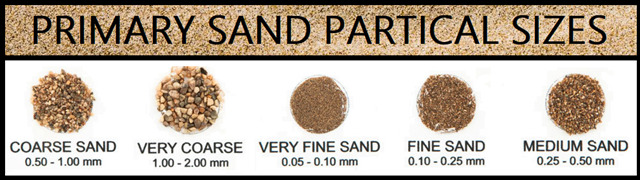
The more uniformed the size and coarseness of the sand, the closer it is to its source. The more diverse and fine the particle size of ther sand telling us that it has been moved very far from its source. There are many natural processes that can break down the size of sand particles, but most of these are controlled by the local speed of water flow.
Sand reflects heat and in most places is hot to the touch. Experts say that most beach sand can get 120F to 130F, but here the white beaches never seem to get hot, even during the hottest days of summer.
A fun fact is that in some spots on these white sandy beach, usually near the dunes (please don't climb on the dunes), the sand is so clean it “squeaks” or “chirps” when you step on it in just the right way. This only happens with dry sand. It's quite entertaining for kids and "BIG" kids to go stepping through the dry powdery sand to make it squeak and toot.
LOGGING REQUIREMENTS:
To log this Earthcache: Read the geology lesson above. Answer all three questions posted below. Answers can be sent via e-mail or messenger contacts on my Geocaching profile within a reasonable time. Group answers are fine, but do not post the answers to the questions in your logs.
QUESTION 1. Grab a handful of dry sand and squeeze. Does it retain the squeezed shape, or does it crumble back into a pile of loose sand?
QUESTION 2. Using the PRIMARY SAND PARTICAL SIZES chart in the write-up, how would you classify the size these sand particles?
QUESTION 3. Where you able to make the beach sand Squeek when you walked on it?
OPTIONAL PHOTO: Posting a photo to your log readily indicates that you (and anyone else logging the find) are at the location.
 Awesnap has earned GSA's highest level:

REFERENCES
1. A Guide to the Colors and Textures of Florida's Beach Sands D.McRee, Visit Florida, website visitflorida.com
2. A Guide to the Colors and Textures of Florida's Beach Sands Metro Creative Services, The Bradenton Herald, Page N7, June 3, 2018, newsapernewspapers.com