|

🇲🇩 Acest EarthCache vă va arăta secretul geologic din orașului Chișinãu.
🇬🇧 This EarthCache will show you a geological secret in the city of Chisinau.
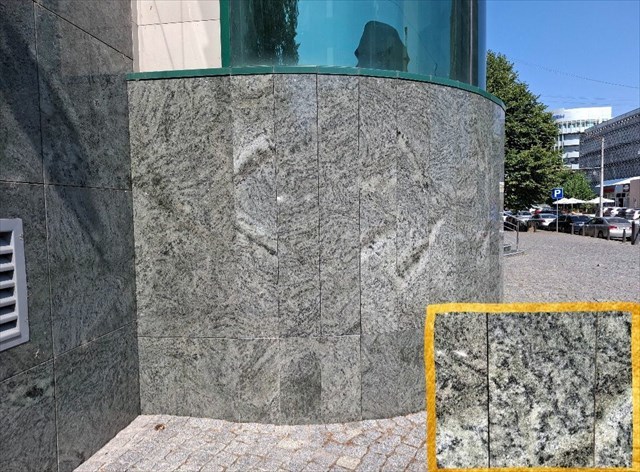
Metamorphosis of granite
🇲🇩 Metamorfismul granitului este procesul prin care roca de granit originală, cunoscută sub numele de rocă magmatică, suferă modificări din cauza presiunilor și temperaturilor ridicate adânci în scoarța terestră. Acest proces, cunoscut sub numele de metamorfism, își schimbă compoziția și structura minerală fără a topi roca. Granitul este compus în principal din cuarț, feldspat și mică. Când este expus la temperaturi și presiuni ridicate, de obicei la interfețele plăcilor convergente sau în timpul mișcărilor în scoarța terestră, este transformat. Mineralele din granit se pot transforma în alte minerale care sunt stabile în condiții noi. Cuarțul și feldspatul pot persista, dar mica se poate cristaliza în biotit sau moscovit și pot apărea noi minerale precum granatul sau sillimanit. Rezultatul metamorfismului granitului este formarea de roci precum gneisul sau migmatitul. Gneisul are o structură caracteristică cu benzi, care este creată ca urmare a transformării mineralelor în straturi cu diferite compoziții. Migmatita reprezintă o etapă intermediară între roca metamorfă și roca magmatică, unde granitul original este parțial topit.
🇬🇧 Granite metamorphism is the process by which the original granite rock, known as igneous rock, undergoes changes due to high pressures and temperatures deep in the earth's crust. This process, known as metamorphism, changes its mineral composition and structure without melting the rock. Granite is mainly composed of quartz, feldspar and mica. When it is exposed to high temperatures and pressures, typically at convergent plate interfaces or during movements in the Earth's crust, it is transformed. Minerals in granite can transform into other minerals that are stable under new conditions. Quartz and feldspar may persist, but mica may crystallize into biotite or muscovite, and new minerals such as garnet or sillimanite may appear. The result of the metamorphism of granite is the formation of rocks such as gneiss or migmatite. Gneiss has a characteristic banded structure, which is created due to the transformation of minerals into layers with different compositions. Migmatite represents an intermediate stage between metamorphic rock and igneous rock, where the original granite is partially melted.
Metamorphism
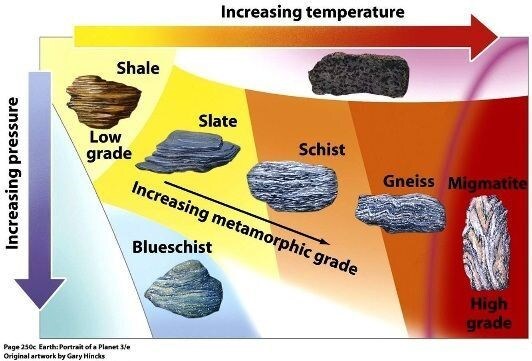
🇲🇩 Metamorfismul rocilor este un proces geologic în care compoziția minerală și structura rocii originale se schimbă din cauza temperaturii ridicate, presiunii sau fluidelor chimic active. Are loc în stare solidă, unde componentele rocii se rearanjează și formează noi minerale. Transformarea poate afecta atât rocile magmatice, cât și cele sedimentare.
Există trei tipuri principale de metamorfism: de contact, regional și dinamic. Metamorfismul de contact apare în apropierea corpurilor magmatice, unde predomină temperatura ridicată. Metamorfismul regional este asociat cu procesele orogenetice, unde presiunea și temperatura modifică rocile pe suprafețe mari. Metamorfismul dinamic are loc în zonele de falie, unde presiunea provoacă zdrobirea și recristalizarea rocilor.
Rocile metamorfice joacă un rol esențial în ciclul geologic, deoarece pot fi transformate în continuare sau topite. Cele mai cunoscute includ marmura, formată din calcare, și ardezia, derivată din roci sedimentare argiloase. Studiul metamorfismului îi ajută pe geologi să înțeleagă istoria scoarței terestre și procesele geologice profunde.
🇬🇧 Metamorphism of rocks is a geological process in which the mineral composition and structure of the original rock change due to high temperature, pressure, or chemically active fluids. It occurs in the solid state, where rock components rearrange and form new minerals. The transformation can affect both igneous and sedimentary rocks.
There are three main types of metamorphism: contact, regional, and dynamic. Contact metamorphism occurs near magmatic bodies, where high temperature is dominant. Regional metamorphism is associated with mountain-building processes, where pressure and temperature alter rocks over large areas. Dynamic metamorphism happens in fault zones, where pressure causes crushing and recrystallization of rocks.
Metamorphic rocks play a key role in the geological cycle because they can be further transformed or melted. The most well-known include marble, formed from limestone, and slate, derived from sedimentary clay rocks. The study of metamorphism helps geologists understand the history of the Earth's crust and deep geological processes.
🇲🇩 "Buldum" olarak oturum açmak için lütfen bu soruların yanıtlarını profilim aracılığıyla bana gönderin:
1) Descrieți cu propriile cuvinte procesul de metamorfoză. 2) Ai spune că aceasta este o piatră mixtă sau doar o piatră unică? Justificați-vă afirmația. 3) Adaugă o fotografie cu tine sau cu GPS-ul tău cu granit metamorfic pe coordonatele jurnalului.
🇬🇧 For log as "found it" please send me answers for those questions via my profile:
1) Describe in your own words the process of metamorphosis. 2) Would you say this is a mixed stone or just a one-kind stone? Justify your statement. 3) Add a photo of yourself or your GPS with metamorphic granite on the coordinates to the log.
🇲🇩 După trimiterea răspunsurilor, vă rog să înregistrați imediat jurnalul, mulțumesc.
🇬🇧 Please log the cache immediately after sending your answers, thanks. Photos by DanielKotmel, 2024. Sources -
https://www.sciencedirect.com/topics/earth-and-planetary-sciences/rock-metamorphism
https://www.usgs.gov/faqs/what-are-metamorphic-rocks
https://www.britannica.com/science/metamorphic-rock

|