|

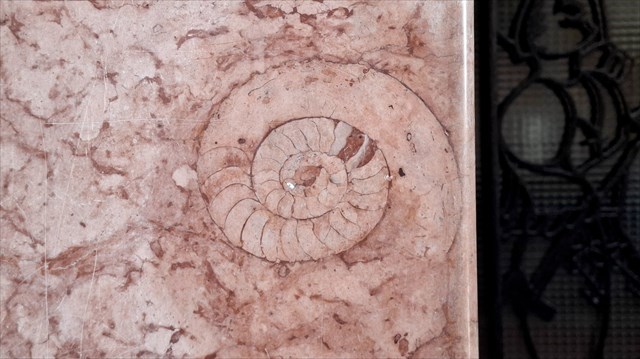
🇭🇺 A következő EarthCache-emben egy egyedülálló Ammonit-kövületet fogok bemutatni.
🇬🇧 My next EarthCache will show you a unique Ammonit fossil.
Ammonites 🐚
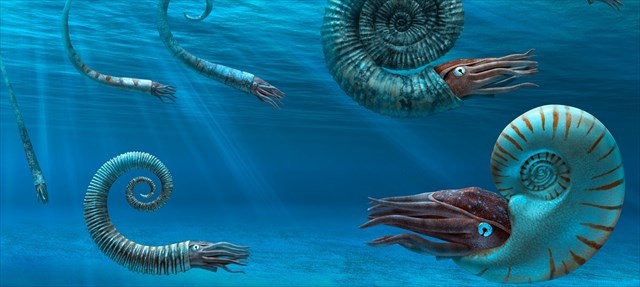
🇭🇺 Az ammonoidok (más néven ammonitok) a kihalt tengeri puhatestűek egy csoportja, amely a Cephalopoda osztály Ammonoidea alosztályába tartozik. Ezek a puhatestűek, amelyeket általában ammonitoknak neveznek, közelebbi rokonságban állnak az élő coleoidokkal (azaz polipokkal, tintahalakkal, tintahalakkal), mint a héjas nautiloidokkal, például az élő Nautilus fajokkal. A legkorábbi ammonitok a denovi korban jelentek meg, az utolsó faj pedig a kréta-paleogén kihalás során halt ki. Az ammoniták kamrákba osztott kagylókban éltek, és a testet az utolsóban, a nyílás közelében helyezték el. A legbelső kamra is a legrégebbi volt. Ahogy az állat nőtt, és több helyre volt szüksége, nagyobb üreget épített a nyílás elé, ahol elköltözött, és új kamrát izolált. Ezt a folyamatot az ammonit növekedésével megismételtük. A hátrahagyott kamrák úszótartályként szolgáltak. Egy finom cső (a szifon) futott át rajtuk, és lehetővé tette a gáz vagy folyadék mennyiségének szabályozását a kagyló belsejében, hogy beállítsa a tengeralattjáró helyzetét a vízben. Levegő pumpálásával és a kamrák gázzal való feltöltésével az ammonit elég könnyűvé vált ahhoz, hogy a tengeri szubsztrátum felett lebegjen. A legtöbb ammonitnak egy síkban elhelyezkedő spirális héja volt, oldala lapított és tökéletesen göndör, ezeket homomorf amonitokkal (egyenlő formák) jelölik. De léteztek részben feltekert, spirális formájú és még mindig egyenes héjak is, ezeket az ammonitokat heteromorfoknak (különböző formáknak) nevezik. A korábban beszélt formák mellett különféle típusú díszített kagylók is megjelentek: sima, barázdás, bordás és tövismintás.
🇬🇧 Ammonoids (also known as ammonites) are a group of extinct marine mollusc animals in the subclass Ammonoidea of the class Cephalopoda. These molluscs, commonly referred to as ammonites, are more closely related to living coleoids (i.e.,octopuses, squids, cuttlefish) than they are to shelled nautiloids such as the living Nautilus species. The earliest ammonites appear during the Denovian, and the last species died out in the Cretaceous-Paleogene extinction event.
The ammonites lived in shells subdivided in chambers, and the body was housed in the last of them, near the opening. The innermost chamber was also the oldest. As the animal grew and needed more space, it would build a larger cavity in front of the opening, where it moved, and isolate a new chamber. This process was repeated as the ammonite grew. The chambers left behind served as float tanks. A delicate pipe (the siphuncle) ran through them and allowed to regulate the amount of gas or liquid inside the shell to adjust its position in the water as a submarine. By pumping air and filling the chambers with gas, the ammonite became light enough to float above the marine substrate.
Most of the ammonites had shells with the spiral in a single plane, flattened of the sides and perfectly curly, these are denominated by homomorphous amonites (equal forms). But there were also partially coiled shells, in helical form, and still straight, these ammonites, are known as heteromorphs (different forms). In addition to the previously spoken forms also emerged ornamented shells of various types: smooth, patterns of furrows, ribs and thorns.
Fossils
🇭🇺 A kövület az előző életből maradt valami. Fosszíliák találhatók a földben. A szó a latin "fossilis" szóból származik, ami azt jelenti, hogy "feltárt". Gyakran beszélnek megkövesedésről, de vannak olyan kövületek is, amelyek nem megkövesednek, például az olaj. A legtöbb kövület élőlények maradványai, akár növények, akár állatok. A tojás vagy az ürülék is kövületté válhat. Az állati lábnyomok a homokban sok ezer évig fennmaradhatnak, és kövületekké válhatnak. Maga a lény azonban nem kövül meg, csak a lenyomata.
A kövületeket tanulmányozó tudomány a paleontológia. A kövületek a legjobb és szinte egyetlen módja annak, hogy megismerjük a kihalt lényeket. A kutatók jóval több mint 100 000 fosszilis élőlényfajt találtak és tanulmányoztak. De valószínűleg több mint egymilliárd faj létezett. A legtöbbjükből azonban egyetlen maradvány sem maradt fenn. Különösen jól ismertek a dinoszauruszok, az emberek, a fák és az ammoniták kövületei.
🇬🇧 A fossil is something left over from past life. Fossils are found in the ground. The word comes from the Latin word "fossilis" which means "unearthed". One often speaks of petrification, but there are also fossils that are not petrification, for example oil. Most fossils are the remains of living things, whether plants or animals. Eggs or feces can also become fossils. Animal footprints in the sand can persist for many thousands of years and become fossils. However, the creature itself does not petrify, only its imprint. The science that studies fossils is paleontology. Fossils are the best and almost the only way to learn about extinct creatures. Researchers have found and studied well over 100,000 fossil species of living things. But there have probably been over a billion species. However, no remains have survived from most of them. Fossils of dinosaurs, humans, trees and ammonites are particularly well known.
🇭🇺 A "found it" naplóhoz kérem küldje el nekem a válaszokat a profilomon keresztül:
1) Írd le, hogyan néz ki egy átlagos ammonitesz!
2) Add meg a képen látható ammonitesz átmérőjének nagyságát!
3) Látsz itt más fosszíliákat is?
4) Csatolj a logodhoz egy fényképet magadról vagy a GPS-edről a megadott koordinátákon!
🇬🇧 For log as "found it" please send me answers for those questions via my profile:
1) Describe what an average ammonite looks like. 2) Describe the range size of the ammonite. 3) Can you see any other fossils here?
4) Add a photo of yourself or your GPS on the initial coordinates to the log.
🇭🇺 A válaszok elküldése után azonnal jelentkezzen be, köszönöm.
🇬🇧 Please log the cache immediately after sending your answers, thanks. Photos by DanielKotmel, 2024. Sources -
Fossils [online]. Available from https://www.britannica.com/science/fossil [cit. 12. 07. 2024]
Sedimentary rock [online]. Available from https://education.nationalgeographic.org/
resource/sedimentary-rock/ [cit. 12. 07. 2024]
Fossilization [online]. Available from https://www.digitalatlasofancientlife.org/
learn/nature-fossil-record/the-process-of-fossilization/ [cit. 12. 07. 2024]

|