|

🇭🇺 A riolit ártufa az egyik érdekes kő a Ludovika téren. Üdvözlöm az újabb EarthCache-nél!
🇬🇧 Rhyolite ignimbrite is one of the interesting stones at Ludovika Square. Welcome to my next EarthCache!
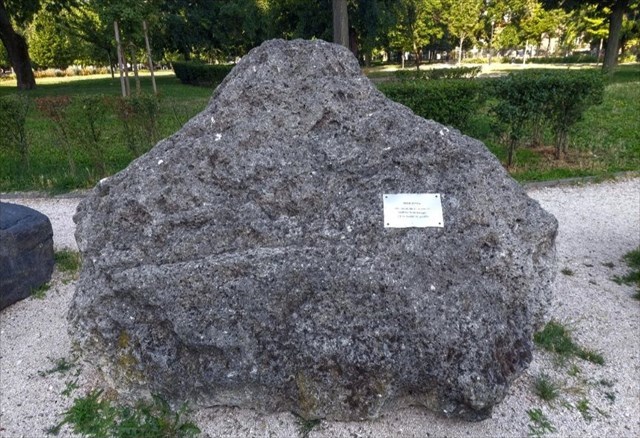
Riolit ártufa
🇭🇺 A miocén korból származó riolit ártufa egy érdekes geológiai anyag, amely sok információt nyújt a vulkanikus folyamatokról és arról a környezetről, amelyben keletkezett. Ez a tufák csoportjába tartozó kőzettípus főként vulkanikus üvegből és a kitörések során keletkezett ásványokból áll. A riolit ártufa robbanásszerű vulkáni kitörések során jön létre, amikor a szilíciumban gazdag magma a felszínre tör és hirtelen lehűl. Ennek eredményeként finomszemcsés, üveges szerkezet alakul ki, amely gyakran tartalmaz láva- és kristálytöredékeket, amelyek gyorsan lerakódtak a vulkáni hamu részeként.
A miocén időszakban, körülbelül 23–5 millió évvel ezelőtt, a vulkanikus környezet sok régióban rendkívül aktív volt, ami kiterjedt riolit ártufa-képződéshez vezetett. Ezeket az ártufákat olyan rétegekben találhatjuk meg, amelyek ma a korabeli vulkanikus események geológiai nyomait hordozzák. Nagy vulkáni mezők részeként jöttek létre, különösen olyan területeken, ahol a földkéreg megnyúlt és hajlamos volt a repedésre, ami megkönnyítette a magma felszínre jutását.
A riolit ártufák jellemzően világos színűek – gyakran fehérek, szürkék vagy rózsaszínűek – és az ásványi összetételtől függően különböző keménységet és tartósságot mutatnak. Az ártufákban található ásványok közé tartozik a kvarc, a földpát, valamint olykor a biotit vagy az amfibol is. Összetételük és finomszemcsés szerkezetük miatt az ártufák gyakran porrá esnek szét, ami befolyásolhatja azok felhasználhatóságát és tartósságát, különösen az építőiparban.
🇬🇧 The rhyolite ignimbrite from the Miocene period is an intriguing geological material that provides valuable information about volcanic processes and the environment in which it was formed. This type of rock, belonging to the group of ignimbrites, mainly consists of volcanic glass and minerals formed during eruptions. Rhyolite ignimbrite forms during explosive volcanic eruptions when silica-rich magma reaches the surface and cools rapidly. The result is a fine-grained to glassy structure, often containing fragments of lava and crystals that quickly settled as part of volcanic ash.
In the Miocene period, approximately 23 to 5 million years ago, the volcanic environment in many regions was extremely active, leading to widespread formation of rhyolite ignimbrites. These ignimbrites can be found in layers that today represent geological records of volcanic events from that time. They formed as part of extensive volcanic fields, especially in areas where the Earth’s crust stretched and became prone to cracking, which made it easier for magma to reach the surface.
Rhyolite ignimbrites are typically light in color—often white, gray, or pink—and depending on their mineral content, they can show varying degrees of hardness and durability. Minerals found in ignimbrites include quartz, feldspar, and sometimes biotite or amphibole. Due to their composition and fine-grained structure, ignimbrites often break down into dust, which can affect their usability and durability, particularly in construction.
🇭🇺 A "found it" naplóhoz kérem küldje el nekem a válaszokat a profilomon keresztül:
1) Melyik geológiai korszakból származik a kő?
2) Milyen színeket látsz, ha ránézel a követ?
3) Látsz kristályt a kövön?
4) Adjon hozzá egy fényképet magáról vagy a GPS-éről a koordinátákon lévő kővel a naplóhoz.
🇬🇧 For log as "found it" please send me answers for those questions via my profile:
1) What geological period does the stone come from?
2) What colors can you see when you look at the stone?
3) Can you see any crystals on the stone?
4) Add a photo of yourself or your GPS with the stone on the coordinates to the log.
🇭🇺 A válaszok elküldése után azonnal jelentkezzen be, köszönöm.
🇬🇧 Please log the cache immediately after sending your answers, thanks.
 |