
このEarthCacheの学習ポイントは、ジオキャッシャーに火成岩の玄武岩に親しんでもらうことです。
火成岩
火成岩を見る前に少し復習をしましょう。世界中にはたくさんの種類の岩石があります。そしてそれらはすべて3つのタイプのどれかに属している: 火成岩、堆積岩、変成岩です。火成岩は火山活動によって形成される。つまり、マグマが冷えてできたものか、溶岩が冷えてできたものである。マグマと溶岩の違いは、その場所である。(図参照)
The learning point of this EarthCache is to get the geocacher to become familiar with the Igneous rock Basalt.
Igneous Rocks
Let`s do a little bit of review before we look into the igneous rocks. There are so many different types of rocks to be found around the world. And they all belong to one of the three types: Igneous, Sedimentary or Metamorphic rocks. The igneous rocks are formed from volcanic activity. This means they are either created from cooled magma or cooled lava. The difference between magma and lava is its location - interior versus exterior. (See illustration)
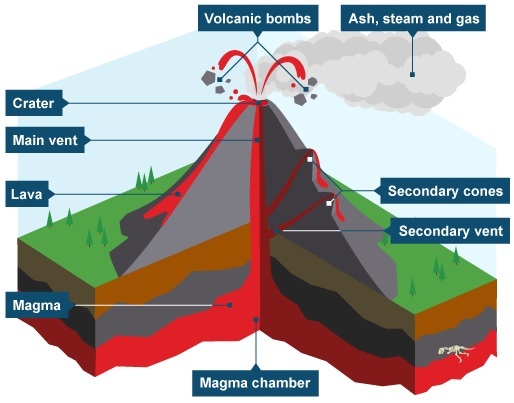
マグマは地殻の中にある溶けた岩石である。マグマのポケットはマントル/主噴出孔から湧き上がり、地殻の弱い場所や噴出孔を通って押し上げられる。噴火している火山でマグマが押し上げられると、マグマは溶岩となって火口から出ていく。
Magma is the molten rock found inside the crust of the earth. Pockets of magma come up from the mantle/main vent and push their way through weak spots and vents in the earth's crust, often under volcanoes. When magma is pushed up through a volcano that's erupting, the magma becomes lava as it exits out of the crater.
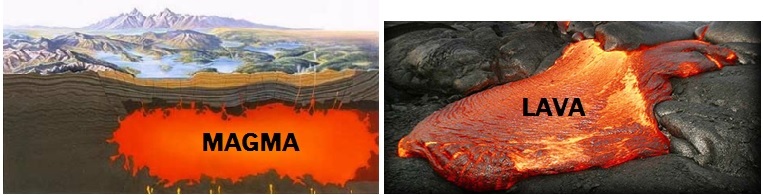
岩石が溶岩から冷えるかマグマから冷えるかは、どちらも火山性であっても大きな違いがあるので、この区別は重要である。マグマからできた岩石は貫入火成岩になり、溶岩からできた岩石は貫出火成岩になるからである。この違いは、物質が冷える速さによるものである。
The distinction is important since there is a main difference between if the rock cools from lava or from magma, even that both are volcanic. The formation and difference we are talking about here is important because the rocks that come from magma become intrusive igneous rocks, and the rocks that come from lava become extrusive igneous rocks. The difference is due to how fast the material cools.
冷却速度/プロセス。
マグマは地中にあるため、その上にある岩石や堆積物はマグマを暖かく保ち、ゆっくりと冷やす毛布の役割を果たす。しかし、溶岩は火山から出て、はるかに速く冷える。
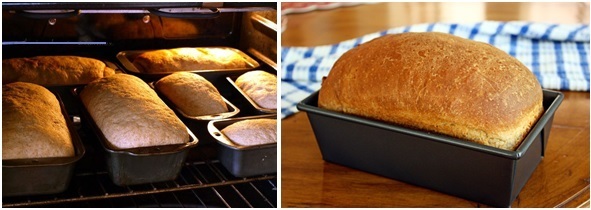
パン作りを例に挙げて冷却速度を説明するのが、このことをよく理解する簡単な方法だ。パンを焼いた後、オーブンのスイッチを切り、パンを冷ましてからスライスする。パンをオーブンの中に入れたまま冷ますと、パンは非常にゆっくりと冷める。オーブンから取り出してカウンターの上に置いて冷ますと、より早く冷める。
The cooling rates/process.
Since magma is located inside the earth, the overlying rock and sediment act as a blanket that keeps the magma warm and allows it to cool slowly. Lava, however, exits the volcano and cools much faster.
An easy way to see and understand this better is to explain the cooling rates by using baking as an example. After baking bread, you turn off the oven and allow the bread to cool before slicing. If you leave the bread inside the oven to cool, it does so very slowly. If you take the bread out of the oven and sit it on the counter to cool, it does so more quickly.
岩石では、冷却速度によって火成岩を構成する鉱物の結晶が成長する。岩石が冷える時間が長ければ長いほど、鉱物の結晶や粒は大きくなる。
マグマはゆっくり冷えるので、イオンが動き回り、鉱物の結晶を形成する時間がある。その結果、マグマが冷えてできた岩石には、さまざまな鉱物の結晶が見られます。これらの岩石は、地球の「内部」でゆっくりと冷えたため、貫入火成岩と呼ばれます。
溶岩はもっと早く冷えるので、鉱物の結晶が形成され成長するのに十分な時間がなく、拡大鏡を使わないと見えないような非常に小さな鉱物の結晶を持つ岩石ができる。このような岩石は、地球の「外側」で急速に冷えたため、火成岩のうち「貫入岩」とみなされます。
In rocks, the rate of cooling allows mineral crystals to grow, which make up the igneous rocks, to grow. The longer time the rock is allowed to cool, the bigger mineral crystals and grains we get.
Because the magma cools slowly, the ions have time to move around and form mineral crystals. As a result, when you have rocks that cooled from magma, you can easily see the different mineral crystals in the rock. These rocks are intrusive igneous rocks because they cooled slowly 'inside' the earth.
Because lava cools more quickly, there is not enough time for mineral crystals to form and grow, so you have rocks with very tiny mineral crystals that cannot be seen without the aid of a magnifier. These rocks are considered extrusive igneous rocks because they cooled quickly 'outside' the Earth.
玄武岩
玄武岩は地殻の中で最も一般的な岩石であり、海底の大部分を占めている。
玄武岩は、輝石や カンラン石のような色の濃い鉱物でできている。この火山岩はシリカの含有量が少なく、鉄とマグネシウムが比較的豊富です。玄武岩には、長石や石英のような明るい色の鉱物も含まれていますが、その量はごくわずかで、石を通して「輝く」ことはありません。一般的に、玄武岩は急速に冷却されるため、大きな結晶が形成されないため、顕微鏡を使用しないとほとんどの鉱物の結晶を見ることができません。そのため、結晶は小さくなり、人間の目には見えません。
黒色は輝石と磁鉄鉱によって玄武岩に与えられます。どちらも鉄分を含んでおり、これが黒色の理由です。つまり、玄武岩の着色の原因もまた鉄なのです。斜長石は通常、体積的に最も重要な成分であり、そのほとんどは淡灰色である。
玄武岩は、溶岩が 火山や 中海の海嶺で地表に達したときに形成される。溶岩が地表に到達したときの温度は1100~1250度である。溶岩は急速に冷え、数日から数週間で固い岩石になります。非常に厚い溶岩流の場合は、完全に固まるまでに何年もかかることもある。
観察:
小胞(穴):岩石には多数の小さな穴や空洞(小胞)があり、溶岩が冷えて固まる過程で、閉じ込められたガスの気泡によって形成された。
小胞状のテクスチャーは、地表近くまたは地表で急速に冷却した火山岩によく見られる。
岩石の色と質感:玄武岩質または苦鉄質組成に典型的な、濃い灰色から茶色がかった色をしている。粗い表面と不規則な構造は、急速に凝固した溶岩と一致する。
考えられる材質:スコリア:岩石が軽量で、主に小胞からできている場合、スコリアである可能性が高い。スコリアは、噴火の際に苦鉄質溶岩からガスが抜けて形成される。
小球状玄武岩: 岩石がより重く、小球が少ない場合、それは小球玄武岩、より密度の高い火山岩である可能性がある。
Basalt
Basalt is actually the most common type of rock in the earth's crust, and it also makes up most of the ocean floor.
The basalt rock is made of different dark colored minerals such as pyroxene and olivine. The volcanic rock is low in silica content and comparatively rich in iron and magnesium. Basalt also contains some light colored minerals such as feldspar and quartz, but the amounts are very small, and by that don’t “shine” through the stone. Typically, you can't see most of the mineral crystals without using a microscope in the basalt stone because the quick cooling that prevents large crystals from forming. This makes the crystals tiny and unseen by the human eye.
Black color is given to basalt by pyroxene and magnetite. Both of them contain iron and this is the reason why they are black. So this is iron again which is responsible for the coloration of basalt. Plagioclase, volumetrically usually the most important constituent, is mostly pale gray in color.
Basalt forms when lava reaches the earth's surface at a volcano or a mid ocean ridge. The lava is between 1100 to 1250° C when it gets to the surface. It cools quickly, within a few days or a couple weeks, forming solid rock. While very thick lava flows may take many years to become completely solid.
Observations:
Vesicles (holes):The rock contains numerous small holes or cavities (vesicles) that were formed by trapped gas bubbles during the cooling and solidification of lava.
Vesicular textures are common in volcanic rocks that cooled quickly near or on the Earth's surface.
Color and Texture:The rock has a dark, grayish to brownish color typical of basaltic or mafic compositions.The rough surface and irregular structure are consistent with lava that solidified rapidly.
Possible Material:Scoria: If the rock is lightweight and predominantly made of vesicles, it is likely scoria. Scoria forms when gas escapes from mafic lava during an eruption.
Vesicular Basalt: If the rock is heavier and less dominated by vesicles, it may be vesicular basalt, a denser volcanic rock.
現場での玄武岩
火山性玄武岩には2つのタイプがあり、2つの異なるタイプを理解しやすく、覚えやすいように言葉で説明する:
2種類の火山性玄武岩を表すのに2つのハワイ語が使われる:'A'aとpahoehoe。'A'a玄武岩の表面はザラザラしている(裸足で歩くと「あ!あ!」と声が出るほど)。このタイプの溶岩の表面はざらざらしていて、尖っている。A'a'溶岩は温度が低く、動きが遅い玄武岩質の溶岩である。パホーホー玄武岩の表面は滑らかなガラス質で、たくさんのロープのように見える。この「ロープ」は、溶岩がその下を流れる間に表面が冷えて固い岩になったときにできる。Pahoehoeはより高温で、より速く動く玄武岩質の溶岩である。
Basalt in the field
There are two types of volcanic basalt, described under in words to easier understand and remember the two different types:
Two Hawaiian words are used to describe the two types of volcanic basalt: 'A'a and pahoehoe. 'A'a basalts have rough surfaces (that make barefoot people cry, "Ah! Ah!" as they walk across it). This type of lava surface is rough with pointing and sharp edges. 'A'a is cooler, slower-moving basaltic lava. Pahoehoe basalts have a smooth glassy surface that looks like many ropes. The "ropes" form when the surface cools, becoming solid rock while lava flows beneath it. Pahoehoe is a hotter, faster-moving basaltic lava.

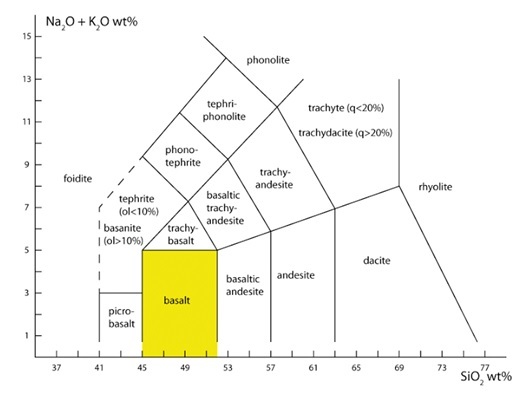
玄武岩は厳密な化学的定義がある。それは上記のTAS図で定義されています。玄武岩は、*SiO2を45%以上52%未満含み 、全アルカリ(K2O + Na2O) を5%未満含む火成岩です(*SiO2 = 二酸化ケイ素、別名シリカ、ケイ酸、ケイ酸アニリドライドとも呼ばれ、化学式SiO2で表されるケイ素の酸化物で、自然界では石英として、また様々な生物に最もよく見られます)。
この図からわかるように、玄武岩質安山岩、玄武岩、ピクライト(ピクロ玄武岩)、トラキ玄武岩のような近隣の岩石や、フォノテフライトや安山岩のようなさらに遠方の岩石は、非常によく似た外観を持つことがあり、多くの場合、玄武岩と間違えられやすい。
Basalt has a strict chemical definition. It is defined in the TAS diagram shown above. Basalt is an igneous rock that contains more than 45 and less than 52% of *SiO2 and less than five percent of total alkalies (K2O + Na2O) (*SiO2 = Silicon dioxide, also known as silica, silicic acid or silicic acid anydride is an oxide of silicon with the chemical formula SiO2, most commonly found in nature as quartz and in various living organisms.)
As you can see from the diagram, the neighboring rock types like basaltic andesite, basanite, picrite (picrobasalt), trachybasalt and even more distant rocks like phonotephrite or andesite may have very similar look and can be easily mistaken for basalt in many cases.
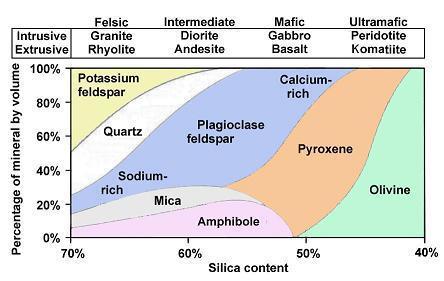
火成岩の図
Igneous_rocks diagram
このキャッシュを記録する
このキャッシュを記録するためには、アースキャッシュの座標に関連した質問に答えなければなりません。
答えが集まったら、確認のためCOに送ってください。
回答がCOに送られた後、すぐにログを取ることができます。あなたの答えに質問がある場合は、COがあなたに連絡します。
COへの回答がないログや、COからの質問が保留されているログは予告なく削除されます。
質問の答えとなるような写真をログに含めないでください。
To log this cache.
To get to log this cache you will have to visit and answer the questions which are related to the coordinates given the earthcache.
When answers are collected, send them to CO for verification.
You can log immediately after answers are sent CO. If there are any questions about your answers CO will contact you.
Logs without answers to CO or with pending questions from CO will be deleted without any further notice.
Please do not include pictures in your log that may answer the questions.
質問
1. 以下の質問に答えてください。
A. TAS図を使って、その座標の玄武岩を調べてください。このサンプルは、玄武岩質の「真のきれいな岩石」だと言えますか?(SiO2が45%以上52%未満で、アルカリが5%未満のもの)
B. あなたが観察したところから、この場所の玄武岩は貫入火成岩または貫出火成岩であり、結晶は見られますか?また、結晶は見られますか?
C. この石の色は何色ですか?また、その原因となる鉱物は何ですか?
2. あなた、グループ、またはGPSの写真を、答えを明かさずにその場所から撮ってください。
Questions:
1. Answer the questions under by visiting the coordinates.
A. Use the TAS diagram, and study the basalt at the coordinates. Would you say that the samples here is a “true and clean art” of basaltic rock, or outside the given terms? (that contains more than 45 and less than 52% of SiO2 and less than five percent of total alkalies)
B. From what you have observed, do you think the basalt here at the location is an intrusive or extrusive igneous rock, and are there any crystals to be seen? Describe.
C. What color is dominating the stone? And what are the minerals that cause this?
2. Take a photo of you, the group or the GPS from the location without revealing any of the answers.