
🌍 EarthCache: Geologija Dubrovačkog zida
📖 Uvod
Zidine grada Dubrovnika simbol su bogate povijesti i obrambene arhitekture, ali i vrijedan geološki lokalitet. Kamen korišten u gradnji otkriva podatke o lokalnoj geologiji, izvorima materijala i utjecaju vremenskih uvjeta. U ovom EarthCacheu istražit ćete vrste kamena, načine trošenja i strukturu zidina.
🪨 Zidni kamen
Veliki dio zidina sagrađen je od lokalnog vapnenca – sedimentne stijene formirane taloženjem biogenih ostataka u plitkom, toplom moru tijekom mezozoika.
🏛️ Kamen u Dalmaciji: Vapnenac i pješčenjak
Dok su zidine Dubrovnika većinom građene od vapnenca, u drugim dijelovima Dalmacije (poput Trogira, Šibenika i Splita) koristi se i domaći pješčenjak. Taj pješčenjak potječe uglavnom iz razdoblja neogena (ponajviše miocena), kada su rijeke nanosile velike količine pijeska i mulja u plitke morske ili riječne bazene. Tijekom vremena, ovi sedimenti su se kompaktirali i cementirali – najčešće karbonatnim ili silikatnim vezivom – stvarajući stijenu.
🔬 Posebnosti hrvatskog pješčenjaka
Sastoji se uglavnom od kvarcnog pijeska, s udjelima feldspata i fragmenata stijena.
Često se u njemu nalaze fosilni ostaci školjki ili tragovi biološke aktivnosti.
Boja varira od svijetložute do crvenkaste, ovisno o prisutnosti željeznih minerala.
Plano-pješčenjak iz okolice Trogira korišten je u mnogim povijesnim građevinama zbog lakoće obrade i estetskog izgleda.
📌 Iako je manje otporan na kemijsku eroziju nego vapnenac, njegova toplija boja i slojevita struktura čine ga prepoznatljivim i vrijednim građevinskim materijalom.
🔍 Tvoj zadatak
Odgovori na sljedeća pitanja tijekom posjete. Pošalji odgovore vlasniku cachea porukom ili e-mailom. Logiraj odmah – javit ćemo se samo ako je potrebno.
Pitanja
1. Koja je boja, tekstura i struktura kamena? Ima li fosila ili slojeva?
2. Prema opažanjima, o kojoj se vrsti stijene radi? (vapnenac, dolomit...?)
3. Pronađi barem dva znaka trošenja. Koji tip trošenja prepoznaješ i što ga je moglo uzrokovati?
4. Uoči razlike u dijelovima zidina. Vidiš li različite stilove gradnje, formate kamena ili materijale?
5. Mislite li da je kamen vađen lokalno? Zašto (ili zašto ne)?
ℹ️ Važno
- Ne dirajte ni ne oštećujte zidine!
- Poštujte kulturnu baštinu i druge posjetitelje.
- Odgovori moraju biti temeljeni na vlastitim opažanjima.
✅ Zahtjevi za logiranje
- Prenesite svoju fotografiju ili osobni predmet (npr. GPS uređaj, bilježnicu, maskotu). Ime vašeg keša također mora biti vidljivo (npr. na komadu papira).
- Zapisnici bez odgovora i bez fotografije bit će izbrisani
- Pošaljite mi odgovore putem Centra za poruke.
!!! Your cacher name must be visible in the photo (e.g. note, display, hand, etc.). Do not add it digitally afterward!
!!! Dein Cacher-Name muss auf dem Foto zu sehen sein (z. B. auf einem Zettel, auf einem Display, auf deiner Hand usw.). Füge ihn nicht nachträglich digital hinzu!


Wichtig! Das Objekt muss im Hintergrund zu erkennen sein.
Important! The object must be visible in the background.
Important ! L'objet doit être visible à l'arrière-plan.
¡Importante! El objeto debe verse en el fondo.
هام! يجب أن يكون الكائن مرئيًا في الخلفية.
Σημαντικό! Το αντικείμενο πρέπει να είναι ορατό στο φόντο.
Importante! L'oggetto deve essere riconoscibile sullo sfondo.
Važno! Predmet mora biti vidljiv u pozadini.
📚 Izvori
- Hrvatski geološki institut
- UNESCO Dubrovnik heritage info
- Terenska opažanja

🌍 EarthCache: Geology of Dubrovnik Walls
📖 Introduction
Dubrovnik's city walls are an architectural marvel and a geological site. The stone used to construct them reveals the region’s sedimentary history, quarrying practices, and the effects of centuries of weathering. This EarthCache invites you to explore the material and structure of these iconic fortifications.
🪨 Wall Stone
Most of the walls are made of **local limestone** – a sedimentary rock formed from marine organism remains during the Mesozoic era in shallow seas.
🏛️ Stone in Dalmatia: Limestone and Sandstone
While Dubrovnik's walls are mainly built of limestone, other regions of Dalmatia (like Trogir, Šibenik, and Split) made use of local sandstone. This sandstone primarily formed during the Neogene period (especially the Miocene), when rivers deposited large quantities of sand and silt into shallow marine or fluvial basins. Over time, these sediments became compacted and cemented — typically by carbonate or silicate binders — forming solid rock.
🔬 Characteristics of Croatian sandstone:
Composed mostly of quartz grains, with feldspar and lithic fragments.
Often contains fossil shells or traces of biological activity (e.g., burrows).
Color ranges from light yellow to reddish, depending on the iron content.
The Plano Sandstone near Trogir was widely used in historic buildings due to its ease of carving and aesthetic appeal.
📌 Although somewhat less resistant to chemical erosion than limestone, its warmer color and layered texture make it a distinctive and valued building stone.
🔍 Your Task
Answer the following questions during your visit. Send your answers via message or email to the cache owner. You may log immediately.
Questions
1. What is the color, texture, and structure of the stone? Do you see fossils or layering?
2. Based on your observation, what type of rock is it? (limestone, dolomite...?)
3. Identify at least two signs of weathering. What types of weathering are visible, and what may have caused them?
4. Can you see construction differences (stone sizes, masonry style, material)? What might this indicate?
5. Do you think the stone was sourced locally? Why or why not?
ℹ️ Important
- Do not damage or climb the walls.
- Respect the heritage site and other visitors.
- All answers must be based on your own observations.
✅ Logging Requirements
- Send me your answers via the message centre.
- Upload a photo showing yourself or a personal item (e.g. GPS device, notebook, mascot). Your cache name must also be visible (e.g. on a piece of paper).
- Logs without answers and without a photo will be deleted.
!!! Your cacher name must be visible in the photo (e.g. note, display, hand, etc.). Do not add it digitally afterward!
!!! Dein Cacher-Name muss auf dem Foto zu sehen sein (z. B. auf einem Zettel, auf einem Display, auf deiner Hand usw.). Füge ihn nicht nachträglich digital hinzu!
Wichtig! Das Objekt muss im Hintergrund zu erkennen sein.
Important! The object must be visible in the background.
Important ! L'objet doit être visible à l'arrière-plan.
¡Importante! El objeto debe verse en el fondo.
هام! يجب أن يكون الكائن مرئيًا في الخلفية.
Σημαντικό! Το αντικείμενο πρέπει να είναι ορατό στο φόντο.
Importante! L'oggetto deve essere riconoscibile sullo sfondo.
Važno! Predmet mora biti vidljiv u pozadini.
📚 Sources
- Croatian Geological Survey
- UNESCO World Heritage Dubrovnik
- On-site geological fieldwork

🌍 EarthCache: Geologie der Dubrovnik Mauer
📖 Einleitung
Die Stadtmauer von Dubrovnik ist nicht nur ein mittelalterliches Meisterwerk, sondern auch ein Fenster in die geologische Vergangenheit. Das verwendete Gestein gibt Hinweise auf die Entstehung, Herkunft und Verwitterung über Jahrhunderte. In diesem EarthCache untersuchst du Material und Struktur dieser beeindruckenden Bauwerke.
🪨 Mauerstein
Die Mauer besteht überwiegend aus **kroatischem Kalkstein** – einem Sedimentgestein, das sich in seichten Meeren der Erdmittelzeit aus Meeresorganismen bildete.
🏛️ Steine in Dalmatien: Kalkstein und Sandstein
Während die Mauern von Dubrovnik überwiegend aus Kalkstein bestehen, wurde in anderen Teilen Dalmatiens (wie in Trogir, Šibenik oder Split) auch lokaler Sandstein verwendet. Dieser Sandstein entstand hauptsächlich im Neogen (insbesondere im Miozän), als Flüsse große Mengen an Sand und Schluff in flache Meeres- oder Flussbecken eintrugen. Im Laufe der Zeit wurden diese Sedimente verfestigt und zementiert, meist durch karbonatische oder silikatische Bindemittel.
🔬 Besonderheiten des kroatischen Sandsteins
Besteht hauptsächlich aus Quarzkörnern, mit Feldspat und Gesteinsfragmenten.
Häufig finden sich Fossilien (z. B. Muscheln) oder Spuren von biologischer Aktivität.
Die Farbe variiert von hellgelb bis rötlich, abhängig vom Eisengehalt.
Der sogenannte Plano-Sandstein aus der Region um Trogir wurde wegen seiner guten Bearbeitbarkeit und ästhetischen Wirkung oft in historischen Bauten verwendet.
📌 Obwohl er etwas weniger beständig gegen chemische Verwitterung ist als Kalkstein, ist er durch seine warme Farbe und schichtige Struktur ein charakteristisches und geschätztes Baumaterial.
🔍 Deine Aufgabe
Beantworte die folgenden Fragen beim Besuch vor Ort. Sende die Antworten per Nachricht oder Mail an den Cache-Owner. Du darfst sofort loggen.
Fragen
1. Welche Farbe, Textur und Struktur zeigt das Gestein? Erkennst du Fossilien oder Schichtung?
2. Um welchen Gesteinstyp handelt es sich deiner Meinung nach?
3. Finde mindestens zwei Spuren von Verwitterung. Welche Typen erkennst du und wodurch könnten sie entstanden sein?
4. Beobachtest du Unterschiede in der Bauweise (Steinformate, Fugen, Materialien)? Was könnten sie bedeuten?
5. Wurde das Gestein deiner Meinung nach lokal gewonnen? Begründe deine Antwort.
ℹ️ Wichtig
- Bitte nichts beschädigen oder erklettern.
- Respektiere das Weltkulturerbe.
- Antworten müssen auf eigenen Beobachtungen beruhen.
✅ Logbedingungen
- Sende mir die Antworten via Message-Center.
- Lade ein Foto hoch, auf dem du selbst oder ein persönlicher Gegenstand (z. B. GPS-Gerät, Notizbuch, Maskottchen) zu sehen ist. Dein Cachername muss ebenfalls sichtbar sein (z. B. auf einem Zettel).
- Logs ohne Antworten und ohne Foto werden gelöscht.
!!! Your cacher name must be visible in the photo (e.g. note, display, hand, etc.). Do not add it digitally afterward!
!!! Dein Cacher-Name muss auf dem Foto zu sehen sein (z. B. auf einem Zettel, auf einem Display, auf deiner Hand usw.). Füge ihn nicht nachträglich digital hinzu!
Wichtig! Das Objekt muss im Hintergrund zu erkennen sein.
Important! The object must be visible in the background.
Important ! L'objet doit être visible à l'arrière-plan.
¡Importante! El objeto debe verse en el fondo.
هام! يجب أن يكون الكائن مرئيًا في الخلفية.
Σημαντικό! Το αντικείμενο πρέπει να είναι ορατό στο φόντο.
Importante! L'oggetto deve essere riconoscibile sullo sfondo.
Važno! Predmet mora biti vidljiv u pozadini.
📚 Quellen
- Kroatischer geologischer Dienst
- UNESCO Welterbe Dubrovnik
- Geologische Beobachtungen vor Ort
Banner:
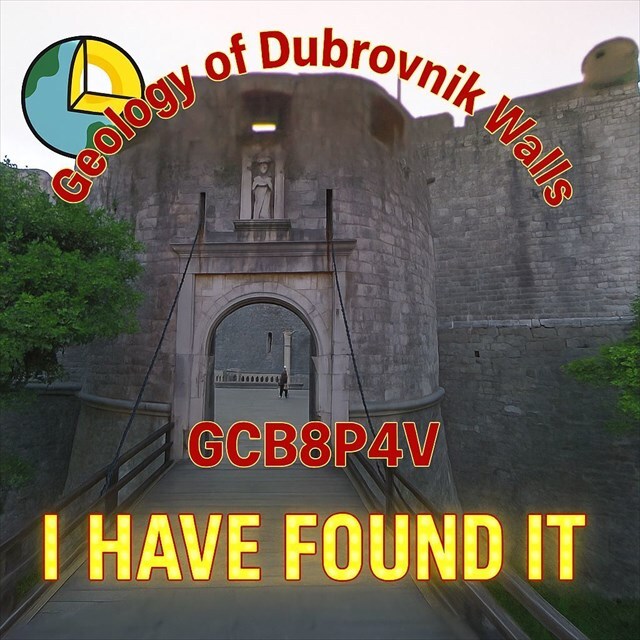
Für die Bannerfans von euch gibt es hier noch ein Banner das ihr gerne in eurem Profil einfügen könnt.
For the banner fans of yours, there is another banner that you can add to your profile.
<a href="http://coord.info/GCB8P4V"><img src="https://s3.amazonaws.com/gs-geo-images/e8b89a1d-5433-4a90-9c95-d177e2db312f_l.jpg" alt="GCB8P4V" width="307" height="198" /> </a>
