
Smilšu kāpas Baltijas jūras krastā
Smilšu kāpas ir viena no fascinējošākajām ainavām, ko rada vējš un smiltis. Latvijas piekrastē var atrast kāpas, kas ne tikai rada skaistu ainavu, bet arī pilda svarīgas ekoloģiskas funkcijas.
Earthcache
Lai atrisinātu šo Earthcache, lūdzu, atbildiet uz šādiem jautājumiem un nosūtiet man atbildes caur Messenger vai alternatīvi pa e-pastu. Pēc atbilžu nosūtīšanas varat uzreiz reģistrēt apmeklējumu. Ja būs neskaidrības vai nepareizas atbildes, es ar jums sazināšos.
- Izskaidrojiet saviem vārdiem, kā šī kāpa ir izveidojusies. Kāpēc, jūsuprāt, tā atrodas tieši šajā vietā?
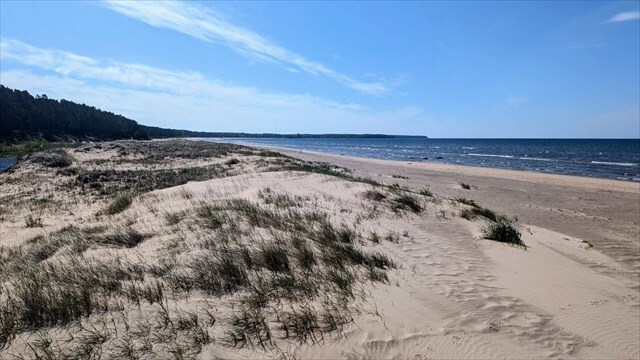
- Aprakstiet kāpu tās formā, izskatā un izmērā – vai tā izskatās kā liels smilšu kalns vai redzat citas pazīmes?
- Kā, jūsuprāt, kāpa varētu mainīties nākotnē un kas varētu paātrināt šo procesu?
- Uzņemiet fotoattēlu ar sevi priekšā kāpai un augšupielādējiet to pie sava reģistrējuma.
Kāpu veidošanās
Lai kāpa izveidotos, ir nepieciešami trīs būtiski faktori: smiltis, vējš un šķērslis, pie kura smiltis var sakrāties. Pludmalēs smiltis parasti tiek piegādātas ar viļņiem un straumēm un tālāk pārvietotas ar vēju. Kad šīs smiltis satiek zāles, dēļu gabalus vai nelielas izciļņus, tās nogulsnējas. Laika gaitā smilšu krāvums palielinās – veidojas kāpa.
Kāpu pārvietošanās
Kāpas reti ir statiskas. Tās “pārvietojas” vēja virzienā, jo smiltis pastāvīgi tiek nogriezti no vēja puses (pirmā puse, kas saskaras ar vēju) un nogulsnēti no otras puses (vēja aizsargātā puse). Šo procesu sauc par kāpu migrāciju. Kāpas pārvietošanās ātrums ir atkarīgs no vēja stipruma, veģetācijas un smilšu mitruma. Veģetācija, piemēram, jūras auzas, spēlē svarīgu lomu, jo tā var noturēt smiltis un palēnināt kāpu pārvietošanos.
Kāpu īpašības
- Formu dažādība: Kāpas var izskatīties ļoti dažādi. Ir mēness formas bārkāna kāpas, garenas paraboliska formas kāpas vai viļņotas šķērsām kāpas. Piekrastēs bieži sastopamas pludmales vai piekrastes kāpas, kas stiepjas paralēli ūdens malai.
- Augstums: Augstums ļoti atšķiras. Dažas piekrastes kāpas ir tikai dažu metru augstas, citas sasniedz vairāk nekā 20 metru augstumu.
- Ekoloģiskā nozīme: Kāpas ir dabiskas piekrastes aizsardzības zonas. Tās aizsargā iekšzemi no vētras plūdiem un kalpo kā mājvieta specializētām augiem un dzīvniekiem. Daudzas kāpu teritorijas ir dabas aizsardzības zonās.
- Jūtīgums: Kāpas ir jūtīgas pret staigāšanu un eroziju. Taku, laipu un barjeru uzstādīšana palīdz novērst apmeklētāju kaitējumu smalkajai veģetācijai, kas satur smiltis.
Kāpas Baltijas jūras krastā
Latvijas Baltijas jūras krastā kāpas ir tipisks skats. Tās veidojas no rietumu un ziemeļu vēju spēka, kas virza smiltis uz iekšzemi. Īpaši pamanāmas ir veģetācijas zonas: tieši pie ūdens malas gandrīz nekas neaug, bet tālāk uz iekšieni pirmie iedzīvotāji ir pionieraugi, piemēram, jūras auzas. Šie augi nostiprina smiltis un veicina kāpu stabilizāciju. Aiz tiem var attīstīties piekrastes meži.
Kāpas šajā krastā nav tikai ainavas objekts, bet arī svarīgs aizsargs pret jūras spēku. Bez tām piekraste būtu daudz vairāk pakļauta erozijai.
Avoti:
Foto: RauGeo
Teksts: https://de.wikipedia.org/wiki/Düne

Sand Dunes on the Baltic Coast
Sand dunes are among the most fascinating landscapes created by wind and sand. Along the coast of Latvia, dunes can be found that not only represent a scenic beauty but also fulfill important ecological functions.
The Earthcache
To complete this Earthcache, please answer the following questions and send me your answers via Messenger or alternatively by email. After sending your answers, you can log immediately. If there are any uncertainties or incorrect answers, I will contact you.
- Explain in your own words how the dune here was formed. Why do you think it is located exactly at this spot?
- Describe the dune in its shape, appearance, and size – is it like a big pile of sand or do you find other features?
- How might the dune change in the future and what could accelerate this process?
- Take a photo of yourself in front of the dune and upload it to your log.
Formation of Dunes
For a dune to form, three essential factors are needed: sand, wind, and an obstacle where the sand can accumulate. On beaches, sand is usually supplied by waves and currents and transported further by the wind. When this sand meets grasses, driftwood, or small elevations, it deposits. Over time, the accumulation of sand grows – a dune is formed.
Dune Migration
Dunes are rarely static. They “migrate” in the direction of the wind because sand is continuously eroded from the windward side (the side facing the wind) and deposited on the leeward side (the side sheltered from the wind). This process is called dune migration. The speed at which a dune migrates depends, among other things, on wind strength, vegetation, and the moisture content of the sand. Vegetation such as beach grass plays an important role, as it can hold the sand in place and slow down dune migration.
Characteristics of Dunes
- Variety of shapes: Dunes can look very different. There are crescent-shaped barchan dunes, elongated parabolic dunes, or wavy transverse dunes. Along coasts, beach or coastal dunes often occur, which extend parallel to the waterline.
- Height: The height varies greatly. Some coastal dunes are only a few meters high, others reach heights of over 20 meters.
- Ecological importance: Dunes act as natural coastal protection. They protect the hinterland from storm surges and serve as habitats for specialized plants and animals. Many dune areas are therefore under nature protection.
- Sensitivity: Dunes are sensitive to foot traffic and erosion. Paths, boardwalks, or barriers help prevent visitors from damaging the delicate vegetation that binds the sand.
Dunes on the Baltic Coast
Dunes are a typical feature along the Latvian Baltic coast. They are formed by the power of the westerly and northerly winds that push the sand inland. Vegetation zones are often especially noticeable: right at the water's edge, hardly anything grows; further inland, pioneer plants such as beach grass settle first. These plants hold the sand firmly and contribute to stabilizing the dunes. Behind them, coastal forests can eventually develop.
Dunes on this coast are not only a landscape attraction but also an important protective shield against the power of the sea. Without them, the coast would be much more threatened by erosion.
Sources:
Photo: RauGeo
Text: https://de.wikipedia.org/wiki/Düne

Sanddünen an der Ostseeküste
Sanddünen gehören zu den faszinierendsten Landschaftsformen, die Wind und Sand erschaffen können. Auch an der Küste Lettlands finden sich Dünen, die nicht nur eine landschaftliche Schönheit darstellen, sondern auch wichtige ökologische Funktionen erfüllen.
Der Earthcache
Um diesen Earthcache zu lösen, beantworte folgende Fragen und sende mir die Antworten per Messenger bzw. alternativ per Mail zu. Nach dem Zusenden der Antworten kann gleich geloggt werden. Bei Unklarheiten oder falschen Antworten werde ich mich bei dir melden.
- Erkläre mit eigenen Worten, wie die Düne hier entstanden ist. Warum denkst du, dass sie ausgerechnet an diesem Platz zu finden ist?
- Beschreibe die Düne in ihrer Form, Aussehen und Größe – ist sie wie ein großer Sandhaufen oder findest du weitere Merkmale?
- Wie könnte sich die Düne künftig verändern und wodurch wird dies beschleunigt?
- Mache ein Foto von dir vor der Düne und lade es zu deinem Log hoch.
Entstehung von Dünen
Damit eine Düne entstehen kann, braucht es drei wesentliche Faktoren: Sand, Wind und ein Hindernis, an dem der Sand hängen bleibt. An Stränden wird Sand meist durch Wellen und Strömungen angeliefert und vom Wind weitertransportiert. Trifft dieser Sand auf Gräser, Treibholz oder kleine Erhebungen, lagert er sich ab. Mit der Zeit wächst die Sandanhäufung weiter an – eine Düne entsteht.
Wandern von Dünen
Dünen sind selten statisch. Sie „wandern“ in Windrichtung, weil Sand ständig von der windzugewandten Seite (Luv-Seite) abgetragen und auf der windabgewandten Seite (Lee-Seite) wieder abgelagert wird. Dieser Prozess heißt Dünenwanderung oder Migration. Die Geschwindigkeit, mit der eine Düne wandert, hängt unter anderem von der Windstärke, der Vegetation und der Feuchtigkeit des Sands ab. Vegetation wie Strandhafer spielt dabei eine wichtige Rolle, denn sie kann Sand festhalten und die Wanderung der Dünen verlangsamen.
Eigenschaften von Dünen
- Formenvielfalt: Dünen können unterschiedlich aussehen. Es gibt sichelförmige Barchan-Dünen, längliche Parabeldünen oder wellige Querdünen. An der Küste kommen oft Strand- oder Küstendünen vor, die sich parallel zur Wasserkante erstrecken.
- Höhe: Die Höhe variiert stark. Manche Küstendünen sind nur wenige Meter hoch, andere erreichen Höhen von über 20 Metern.
- Ökologische Bedeutung: Dünen sind natürliche Küstenschutzanlagen. Sie schützen das Hinterland vor Sturmfluten und dienen als Lebensraum für spezialisierte Pflanzen und Tiere. Viele Dünengebiete stehen daher unter Naturschutz.
- Empfindlichkeit: Dünen sind empfindlich gegenüber Trittbelastung und Erosion. Wege, Stege oder Absperrungen sollen verhindern, dass Besucher die empfindliche Vegetation zerstören, die den Sand bindet.
Dünen an der Ostseeküste
An der lettischen Ostseeküste sind Dünen ein typisches Bild. Hier entstehen sie durch die Kraft der West- und Nordwinde, die den Sand landeinwärts treiben. Besonders auffällig sind oft die Bewuchs-Zonen: Direkt an der Wasserkante wächst meist kaum etwas, weiter landeinwärts siedeln sich zuerst Pionierpflanzen wie Strandhafer an. Diese Pflanzen halten den Sand fest und tragen so zur Stabilisierung der Dünen bei. Dahinter können sich schließlich Küstenwälder entwickeln.
Dünen an dieser Küste sind nicht nur eine landschaftliche Attraktion, sondern auch ein wichtiger Schutzschild gegen die Kraft des Meeres. Ohne sie wäre die Küste viel stärker von Erosion bedroht.
Quellen:
Photo: RauGeo
Text: https://de.wikipedia.org/wiki/Düne