 |
|
- - - DEUTSCH |
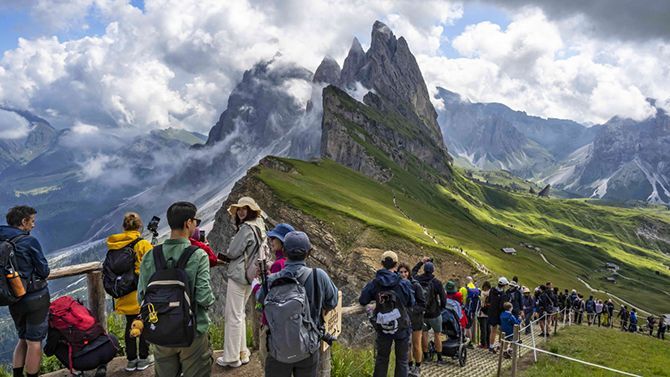
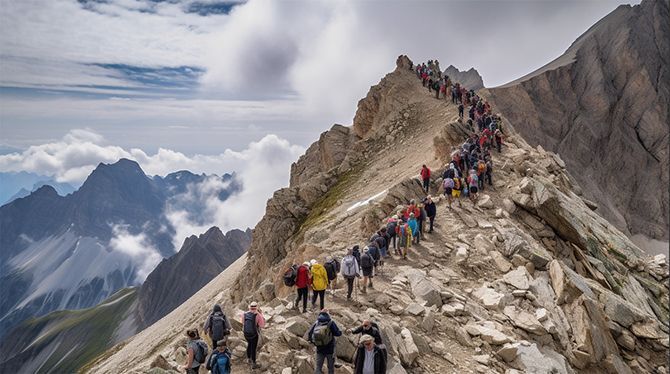
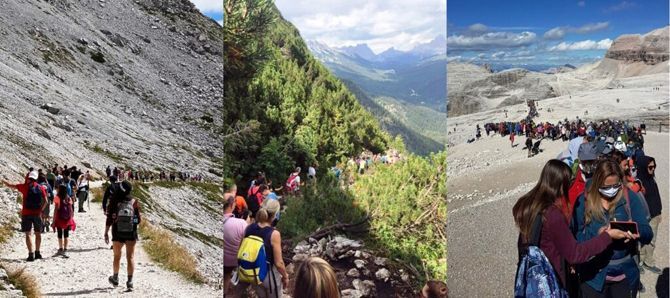
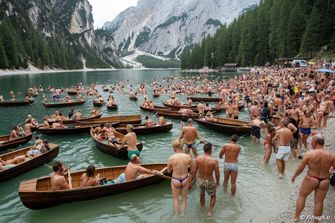 Übertourismus wird von der Welttourismusorganisation UNTWO als „die Auswirkung des Tourismus auf ein Reiseziel oder Teile davon, die die wahrgenommene Lebensqualität der Bürger und/oder die Qualität der Besuchererfahrungen übermäßig beeinflusst, und zwar in einem Ausmaß, dass sie das tägliche Leben der Einwohner und/oder die Fähigkeit der Besucher, das Reiseziel zu genießen, stört“. Aus Sicht der Einheimischen kann ein großer Anteil an Touristen zu einem Störfaktor werden, der das Leben der Einheimischen belastet. Auch Besucher selbst können die hohe Zahl der sie umgebenden Touristen als störend empfinden. „Übertourismus“ wird auch als Steigerung des Massentourismus bezeichnet. Im Oxford Dictionary war das Wort „Overtourism“ auf der Liste der zehn Top-Kandidaten für das Wort des Jahres 2018.
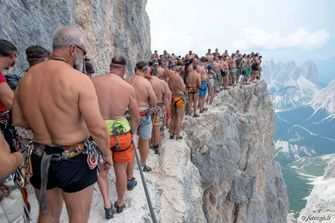 Wachsender Tourismus führt angesichts begrenzten Raumes zu zunehmenden Konflikten, sie treten vor allem an viel besuchten Destinationen, auch „Hotspots“ genannt, weltweit auf. Das Problem des wachsenden Tourismus ist bisher vor allem unter dem Gesichtspunkt der ökologischen und sozio-kulturellen Tragfähigkeit betrachtet worden. In den 1980er Jahren empfahl Mohamed A. Tangi vom Umweltprogramm der Vereinten Nationen Regeln für ein verträgliches Neben- und Miteinander von Gästen und Einheimischen, beispielsweise ein Maximum von 600 Gästen pro Hektar Strand. Unter dem Begriff des Overtourism fällt darüber hinaus die psychologische und politische Dimension des Problems.
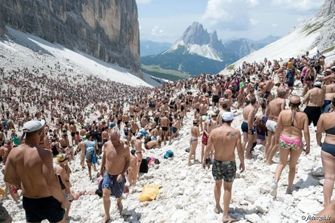 Insgesamt führt eine übermäßig große Zahl von Touristen gleichzeitig auch zu einer Abhängigkeit: Durch die Verdrängung von Einwohnern und anderen Wirtschaftszweigen bleibt den betroffenen Gebieten oftmals nur noch der Tourismus als Einnahmequelle, sodass Maßnahmen gegen übermäßige Besucherzahlen häufig nur gegen große Widerstände möglich sind, je weiter die ausschließliche Ausrichtung auf Tourismus bereits fortgeschritten ist. Auch Proteste gegen den Tourismus sind insbesondere in Städten mit einem relativ hohen Anteil an gebildeten Einwohnern, von denen viele nicht am Tourismus beteiligt sind oder zumindest nicht direkt davon profitieren, am ausgeprägtesten. Der Tourismus wächst global stärker als die Gesamtwirtschaft. Das Problem des Overtourism hat sich in den letzten Jahren durch folgende Entwicklungen zusätzlich verschärft, wobei wichtig festzuhalten ist, dass jedes Tourismusziel einen unterschiedlichen Mix aus Gründen für das Auftreten des Phänomens hat:
- Airbnb: Durch das kommerzielle Wohnungsvermietungsportal werden Kapazitäten, die ursprünglich dem heimischen Wohnungsmarkt dienten, für touristische Übernachtungen zweckentfremdet. Die Folge ist in der Regel ein Anstieg der Wohnungsmieten durch die gesteigerte Nachfrage und den teilweisen Leerstand sowie eine Veränderung des sozialen Gefüges. Außerdem erweist sich die Regulierung von Vermietungen über Plattformen wie Airbnb als besonders schwierig, was u. a. an der Mischung des Angebots von rein kommerziellen Ferienwohnungen mit der Vermietung der selbst bewohnten Wohnung als Nebenverdienst liegt.
- Billigfluggesellschaften: Durch die günstigen Tarife der Billigfluggesellschaften spielt die Reiseentfernung als Kostenfaktor bei der Reiseplanung nur noch eine nachrangige Rolle. Zudem führen die Billigfluggesellschaften zu steigenden Passagierzahlen.
- Medien: Medien wird insgesamt die Rolle von Katalysatoren im Overtourism-Kontext zugeschrieben.
Klassische Medien: Massenmedien wie das Fernsehen haben schon immer die Bekanntheit und Wahrnehmung von Touristendestinationen beeinflusst. Zudem soll die Sensationslust dazu beigetragen haben, dass sich nicht nur die tatsächlichen Tourismusströme verändert haben, sondern auch deren Wahrnehmung, sodass es zudem zu mehr Konflikten mit den Einwohnern kommt, weil diese in Nachrichtensendungen dem Problem allgemein und negativen Einzelfällen stärker ausgesetzt sind.
Filmtourismus: Markante Gebäude, Dörfer, Städte oder Landschaften können plötzlich zu einem Touristen-Hotspot werden, wenn sie als Drehort für einen Film oder eine Fernsehserie genutzt wurden.
Social Media: Die Sozialen Medien haben durch ihre Wahrnehmung als unvoreingenommene und authentische Informationsquelle inzwischen eine besondere Rolle in der Destinationswahl und beeinflussen auch das Verhalten vor Ort (z. B. das Essen in einem bestimmten Restaurant). Es bildet sich durch elektronische Mundpropaganda ein Konsens über die besten Tourismusdestinationen. Auch das Nacheifern von anderen und das Teilen mit dem eigenen Netzwerk werden als Gründe für das Besuchen bestimmter Destinationen genannt. Auch für die Plattformen selber wird dem Reisecontent eine besondere Bedeutung in ihrer Entwicklung zu geschrieben.
 |
|
- - - ITALIANO |
L'Organizzazione Mondiale del Turismo (UNTWO) definisce il fenomeno del sovraturismo come "l'impatto del turismo su una destinazione, o su parti di essa, che influenza eccessivamente la qualità della vita percepita dai cittadini e/o la qualità delle esperienze dei visitatori, al punto da compromettere la vita quotidiana dei residenti e/o la possibilità dei visitatori di godersi la destinazione". Dal punto di vista della popolazione locale, un'ampia percentuale di turisti può diventare un fastidio, appesantire la loro vita. Anche i visitatori stessi possono trovare disagevole l'elevato numero di turisti che li circondano. Il termine "sovraturismo" è anche definito come un aumento del turismo di massa. L'Oxford Dictionary ha inserito il termine "sovraturismo" tra i primi dieci candidati per il premio come parola dell'anno nel 2018.
L'aumento del turismo, data la limitatezza dello spazio, sta portando a un aumento dei conflitti, in particolare nelle destinazioni più visitate, note anche come "hotspot", in tutto il mondo. Il problema dell'aumento del turismo è stato finora affrontato principalmente dal punto di vista della sua sostenibilità ecologica e socio-culturale. Negli anni '80, Mohamed A. Tangi del Programma delle Nazioni Unite per l'Ambiente raccomandò regole per una coesistenza armoniosa tra visitatori e popolazione locale, ad esempio un massimo di 600 visitatori per ettaro di spiaggia. Il termine "sovraturismo" comprende anche le dimensioni psicologiche e politiche del problema.
Nel complesso, un numero eccessivo di turisti porta anche alla dipendenza: a causa dello spostamento di residenti e di altri settori economici, le aree colpite si ritrovano spesso con il turismo come unica fonte di reddito. Le misure per contrastare il numero eccessivo di visitatori sono spesso possibili solo contro una forte resistenza, tanto più si è sviluppata l'attenzione esclusiva al turismo. Le proteste contro il turismo sono inoltre più pronunciate nelle città con una percentuale relativamente alta di residenti istruiti, molti dei quali non sono coinvolti nel turismo o almeno non ne traggono benefici diretti. A livello globale, il turismo sta crescendo più rapidamente dell'economia complessiva. Il problema del sovraffollamento turistico è stato ulteriormente aggravato negli ultimi anni dai seguenti sviluppi, sebbene sia importante notare che ogni destinazione turistica ha un diverso mix di cause per il fenomeno:
- Airbnb: questo portale di affitti di appartamenti commerciali dirotta la capacità originariamente destinata al mercato immobiliare nazionale verso i pernottamenti turistici. Il risultato è in genere un aumento degli affitti degli appartamenti dovuto all'aumento della domanda e alla parziale sfitta, nonché a un cambiamento nel tessuto sociale. Inoltre, la regolamentazione degli affitti tramite piattaforme come Airbnb si sta rivelando particolarmente difficile, in parte a causa del mix di affitti turistici puramente commerciali e dell'affitto di appartamenti di proprietà come fonte di reddito secondaria.
- Compagnie aeree low-cost: grazie alle tariffe basse offerte dalle compagnie aeree low-cost, la distanza di viaggio gioca un ruolo meno importante come fattore di costo nella pianificazione del viaggio. Inoltre, le compagnie aeree low-cost stanno portando a un aumento del numero di passeggeri.
- Media: si ritiene generalmente che i media svolgano un ruolo di catalizzatore nel contesto del sovraffollamento turistico.
Media tradizionali: i mass media come la televisione hanno sempre influenzato la conoscenza e la percezione delle destinazioni turistiche. Inoltre, si ritiene che il sensazionalismo abbia contribuito a modificare non solo i flussi turistici effettivi, ma anche la percezione degli stessi, portando a maggiori conflitti con i residenti locali, più esposti al problema in generale e a singoli casi negativi riportati nei notiziari.
Turismo cinematografico: edifici, villaggi, città o paesaggi caratteristici possono improvvisamente trasformarsi in mete turistiche se utilizzati come location per le riprese di un film o di una serie televisiva.
Social media: grazie alla loro percezione come fonte di informazioni imparziale e autentica, i social media svolgono oggi un ruolo fondamentale nella scelta della destinazione e influenzano anche il comportamento sul posto (ad esempio, mangiare in un determinato ristorante). Il passaparola elettronico crea un consenso sulle migliori destinazioni turistiche. Anche l'emulazione degli altri e la condivisione con la propria rete di contatti sono citati come motivi per visitare determinate destinazioni. Anche i contenuti di viaggio sono considerati particolarmente importanti nello sviluppo delle piattaforme stesse.
 |
|
- - - ENGLISH |
Overtourism is defined by the World Tourism Organization (UNTWO) as "the impact of tourism on a destination, or parts of it, that excessively influences the perceived quality of life of citizens and/or the quality of visitor experiences, to the extent that it disrupts the daily lives of residents and/or visitors' ability to enjoy the destination." From the perspective of locals, a large proportion of tourists can become a nuisance, burdening their lives. Visitors themselves may also find the high number of tourists surrounding them disruptive. "Overtourism" is also defined as an increase in mass tourism. The Oxford Dictionary listed the word "overtourism" among its top ten candidates for the word of the year in 2018.
Growing tourism, given the limited space, is leading to increasing conflicts, particularly in highly visited destinations, also known as "hotspots," around the world. The problem of growing tourism has so far been viewed primarily from the perspective of its ecological and socio-cultural sustainability. In the 1980s, Mohamed A. Tangi of the United Nations Environment Programme recommended rules for harmonious coexistence between visitors and locals, for example, a maximum of 600 visitors per hectare of beach. The term "overtourism" also encompasses the psychological and political dimensions of the problem.
Overall, an excessive number of tourists also leads to dependency: Due to the displacement of residents and other economic sectors, the affected areas are often left with tourism as their only source of income. Measures to combat excessive visitor numbers are often only possible against strong resistance, the further the exclusive focus on tourism has progressed. Protests against tourism are also most pronounced in cities with a relatively high proportion of educated residents, many of whom are not involved in tourism or at least do not directly benefit from it. Globally, tourism is growing faster than the overall economy. The problem of overtourism has been further exacerbated in recent years by the following developments, although it is important to note that each tourism destination has a different mix of reasons for the phenomenon:
- Airbnb: This commercial apartment rental portal diverts capacity originally intended for the domestic housing market to tourist overnight stays. The result is typically an increase in apartment rents due to increased demand and partial vacancy, as well as a change in the social fabric. Furthermore, regulating rentals through platforms like Airbnb is proving particularly difficult, due in part to the mix of purely commercial vacation rentals and the rental of owner-occupied apartments as a secondary source of income.
- Low-cost airlines: Due to the low fares offered by low-cost airlines, travel distance plays a less important role as a cost factor in travel planning. Furthermore, low-cost airlines are leading to increasing passenger numbers.
- Media: Media is generally considered to play a role as a catalyst in the overtourism context.
Traditional media: Mass media such as television have always influenced the awareness and perception of tourist destinations. Furthermore, sensationalism is said to have contributed to not only changing actual tourist flows but also the perception of them, leading to more conflicts with local residents because they are more exposed to the problem in general and to negative individual cases in news broadcasts.
Film tourism: Distinctive buildings, villages, towns or landscapes can suddenly become a tourist hotspot if they have been used as a filming location for a film or television series.
Social Media: Due to their perception as an unbiased and authentic source of information, social media now plays a special role in destination selection and also influences behavior on-site (e.g., eating at a particular restaurant). Electronic word of mouth creates a consensus about the best tourism destinations. Emulating others and sharing with one's own network are also cited as reasons for visiting certain destinations. Travel content is also considered particularly important in the development of the platforms themselves.
FTF: ???
STF: ???