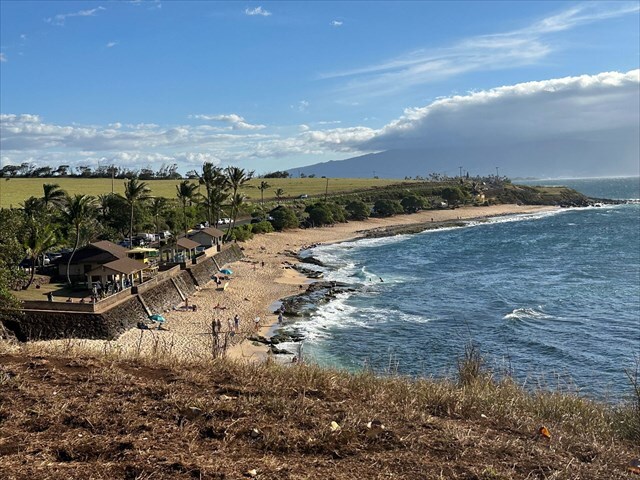
Ho‘okipa Beach is located on Maui’s north shoreand is famous for its powerful waves and strong winds, which makes it a prime destination for windsurfing and surfing enthusiasts from around the world. The beach is framed by rugged lava outcrops and offers great views of the ocean. Visitors often come not only to watch the surfers but also to glimpse sea turtles that are often resting along the shore.
If you've spent some time exploring Hawaii, one thing you might have quickly noticed is that each beach is different. Beaches can actually be classified into 3 categories: Wave Dominated, Tide Modified, and Tide Dominated. They can be further divided into a total of 13 types. The beach type is influenced by several factors including wave energy, tidal range, sediment characteristics, coastal slope, currents, and wind. The Hawaiian islands are located near a Pacific Ocean amphidromic point, which means that they have a very low tide variation. As a result, Wave Dominated Beaches will be dominant.
Wave Dominated beaches are primarily controlled by wave action, and tides typically play a minor role since they are usually less than 2 meters. The shape and character of these beaches depend on the balance between wave energy and sediment movement. This can create either steep, narrow profiles or broad, flatter ones. These include:
- Reflective
- Intermediate – Longshore bar and trough
- Intermediate – Rhythmic bar and beach
- Intermediate – Transverse bar and rip
- Intermediate – Low tide terrace
- Dissipative
Tide Modified beaches form in places where tides exert a stronger influence but waves are still present. In these settings, tidal ranges are 3 to 15 times greater than the height of incoming waves, which are typically small. This combination produces shorelines that are shaped by both tidal currents and wave action. These include:
- Reflective + low tide terrace
- Reflective + bars and rips
- Ultradissipative
Tide Dominated beaches develop where tides completely outweigh wave energy in shaping the shoreline. Here waves are very low but tidal ranges are extremely large, and are often 10 to 15 times higher than the waves themselves. These include:
- Reflective + sand flats
- Reflective + sand ridges
- Reflective + tidal mud flats
- Reflective + rock flats
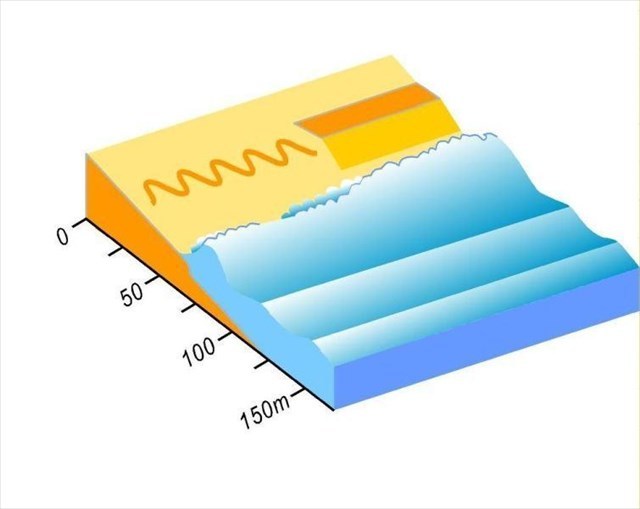
Reflective beaches are low energy, wave dominated coastlines where breakers are usually less than a meter tall. They are marked by a steep, narrow beach face made of coarse sand, with only a small surf zone and often distinct cusps (small crescent shaped features along shoreline) along the upper beach. These beaches typically form in sheltered pockets near rocks, reefs, or headlands (rocky points of land that extend out into the sea), where waves break very close to shore without losing much energy beforehand. While generally calm, they can still pose hazards due to the deep water close inshore and strong shore breaks during periods of higher wave activity.
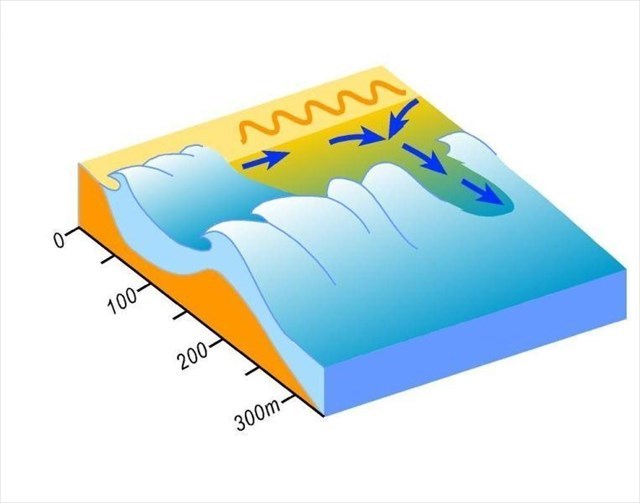
Intermediate – Longshore bar and trough beaches are shaped by a sand bar that runs parallel to the shore, separated from the beach by a deep trough. Waves here are stronger, with breakers usually between 1.5 and 2 meters tall, and moderate rip currents are common. The beach face is composed of medium sand with a moderate to steep slope, often with cusps along the upper beach.
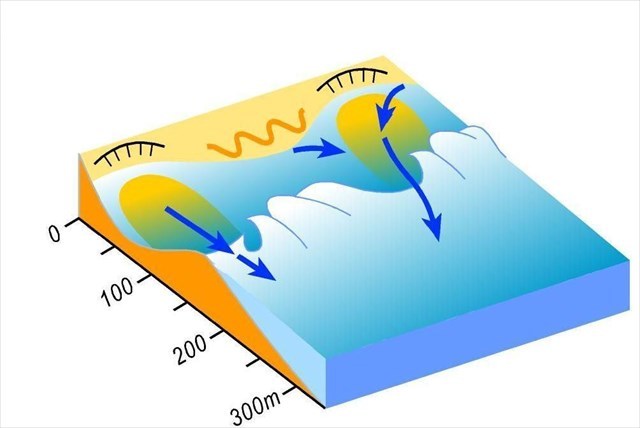
Intermediate – Rhythmic bar and beach types are high energy coasts that are shaped by a series of rhythmic sand bars and troughs. Detached bars create distinct rip troughs, and breakers are usually between 1.5 and 2 meters tall. The beach is made of fine to medium sand and often shows cusps forming in the sheltered areas behind bars.
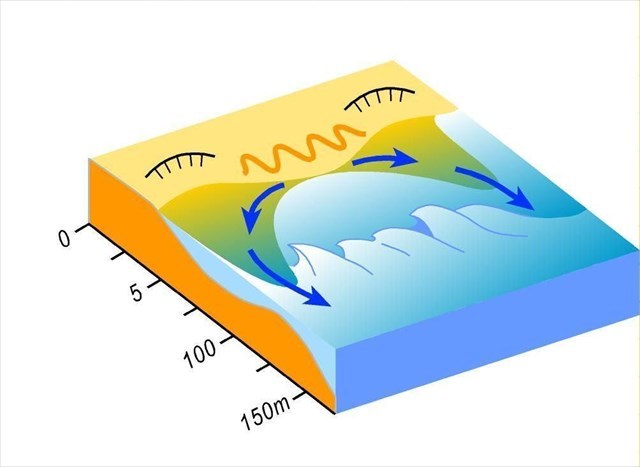
Intermediate – Transverse bar and rip beaches are shaped by sand bars that extend perpendicular from the shoreline and are separated by rip troughs spaced about 150–300 meters apart. Breakers are usually between 1.0 and 1.5 meters high, and the surf zone can range from 50 to 150 meters wide and has a strong circulation pattern. The beach surface is uneven and often shows cusps on the upper beach and is composed of fine to medium sand.
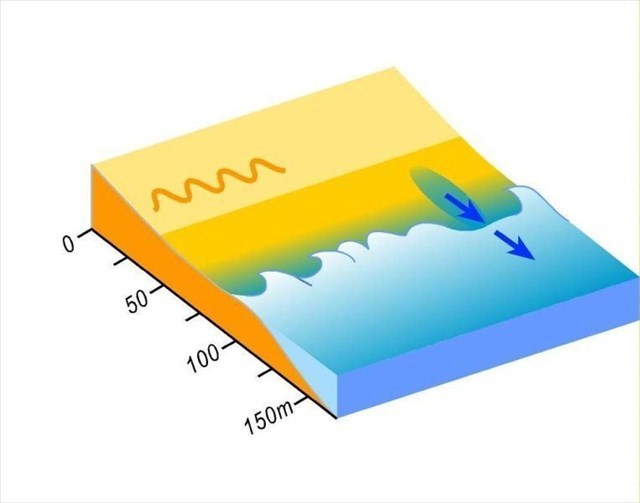
Intermediate – Low tide terrace beaches are composed of fine to medium sand and have a moderately steep beach face that connects to a shallow terrace or attached bar which is often visible when the tide is low. The bar runs alongshore, typically flat and featureless, though it may be broken by small rips every few dozen meters. Breakers are usually between 0.5 and 1.0 meters high, and these beaches are most often found in areas sheltered from strong wave action.
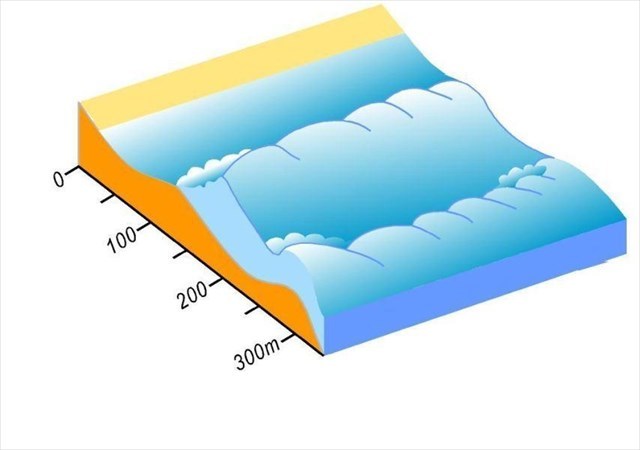
Dissipative beaches are high energy environments where strong wave action spreads across a wide surf zone and often stretches 300–500 m offshore. The beach face is broad and gently sloping, built mainly of fine sand, and shaped by two or three longshore bars and troughs that run parallel to the shoreline. Waves here are large and are commonly 2–3 m high, breaking far offshore and gradually losing their energy as they move landward across the surf zone.
Logging Requirements:
- Describe the profile of the beach (be sure to mention angle). The tide range at Ho'okipa Beach is about 0.5 meters. Based on your observations, how would you classify it? Explain.
- How do you think the steep, rocky coastline which is common along Maui's north shore influences the type of beach found here?
- Upload a photo with either yourself or a personal object taken at Ho'okipa Beach.
Sources:
- https://www.mauicounty.gov/facilities/facility/details/169
- https://niwa.co.nz/coasts/13-beach-types
- https://niwa.co.nz/coasts/reflective
- https://niwa.co.nz/coasts/intermediate-longshore-bar-and-trough
- https://niwa.co.nz/coasts/intermediate-rhythmic-bar-and-beach
- https://niwa.co.nz/coasts/intermediate-transverse-bar-and-rip
- https://niwa.co.nz/coasts/intermediate-low-tide-terrace
- https://niwa.co.nz/coasts/dissipative
- https://www.surf-forecast.com/breaks/Hookipa/tides/latest
- https://stabmag.com/news/why-are-tides-so-tiny-in-hawaii-and-enormous-in-europe/