
🏰 EarthCache: Edinburgh Castle – Stone, Time and Natural Forces
GC-Code: GCBCB93
Location: Edinburgh, Scotland
📍 Location
Edinburgh Castle rises above the city on Castle Rock, a striking volcanic plug. The dark, hard basalt was formed around 350 million years ago when molten lava cooled and solidified.
At the entrance of the castle you can also observe a wall built from sandstone blocks of different colors. These stones were quarried from the local surroundings and stand in strong contrast to the basalt beneath the castle. This combination of natural bedrock and human building material offers a good opportunity to compare how different types of rock respond to weathering and erosion.
🪨 The Stone of the Castle
-
Castle Rock = basalt (volcanic rock, very resistant)
-
Castle walls = mainly sandstone (easier to work with, but also more prone to weathering)
By looking closely you will see clear differences in the surface: some sandstone blocks appear rough, pale or flaked, while others are darker and smoother. The basalt looks harder, but even it shows cracks caused by frost.

🌱 Weathering
Weathering means that rock breaks down in place, without being moved.
-
Sandstone → softer, more affected by biological or chemical weathering (lichens, rainwater, air pollution)
-
Basalt → harder and more resistant, but still cracked by frost action

💨 Erosion
Erosion is the removal and transport of weathered material, for example by:
-
Rainwater washing particles out of the sandstone
-
Wind carrying away loose grains
-
Frost breaking off pieces that fall to the ground

❓ Tasks (Logging Requirements)
To log this EarthCache, please answer the following questions on site:
-
Compare the sandstone blocks at the entrance wall. How do their colors and surfaces differ? Which stones seem most weathered?
-
Basalt vs. sandstone: Which rock looks harder and more resistant, and why?
-
Weathering evidence: Find and describe one place (on the wall or on Castle Rock) where you can see signs of weathering (e.g. cracks, flaking, lichens).
-
Erosion in action: Describe one way in which the weathered material is transported away here (rain, wind, frost).
📸 Logging Requirements
Take a photo of yourself or a personal item.
Your cacher name must be clearly and legibly visible.
🔒 Important for your log requirements (very clear!)
!!! Your cacher name must be visible in the photo (e.g. note, display, hand, etc.). Do not add it digitally afterward!
!!! Dein Cacher-Name muss auf dem Foto zu sehen sein (z. B. auf einem Zettel, auf einem Display, auf deiner Hand usw.). Füge ihn nicht nachträglich digital hinzu!


Wichtig! Das Objekt muss im Hintergrund zu erkennen sein.
Important! The object must be visible in the background.
Important ! L'objet doit être visible à l'arrière-plan.
¡Importante! El objeto debe verse en el fondo.
هام! يجب أن يكون الكائن مرئيًا في الخلفية.
Σημαντικό! Το αντικείμενο πρέπει να είναι ορατό στο φόντο.
Importante! L'oggetto deve essere riconoscibile sullo sfondo.
Važno! Predmet mora biti vidljiv u pozadini.
❌ Logs without a photo including a readable name will be deleted without notice.
👉 With this EarthCache you will learn how different rock types are affected by weathering and erosion – and why Edinburgh Castle is such a perfect example of these natural processes.
📚 Sources
-
British Geological Survey – Geology of Edinburgh: https://www.bgs.ac.uk
-
Historic Environment Scotland – Edinburgh Castle: https://www.historicenvironment.scot
-
Edinburgh Geological Society: https://www.edinburghgeolsoc.org
ℹ️ Note
Parts of this description (the graphics) were supported with the help of AI tools and afterwards reviewed, rewritten and adapted by the cache owner.

🏰 EarthCache: Edinburgh Castle – Stein, Zeit und Naturkräfte
GC-Code: GCBCB93
Ort: Edinburgh, Schottland
📍 Standort
Das weltberühmte Edinburgh Castle steht auf dem Castle Rock, einem markanten Vulkanpfropf. Das dunkle, harte Basaltgestein entstand vor etwa 350 Millionen Jahren, als Lava abkühlte und erstarrte.
Am Eingang der Burg findet man zudem eine Mauer aus Sandsteinblöcken unterschiedlicher Farben. Diese Steine wurden in der Umgebung gebrochen und bilden einen deutlichen Gegensatz zum Basalt des Felsens. Zusammen ermöglichen beide Gesteine interessante Vergleiche, wie unterschiedlich Gesteinstypen auf Verwitterung und Erosion reagieren.
🪨 Der Stein der Burg
-
Castle Rock = Basalt (Vulkanfelsen, sehr widerstandsfähig)
-
Mauern des Castles = überwiegend Sandstein (leichter zu bearbeiten, aber auch anfälliger für Verwitterung)
Bei genauer Betrachtung sieht man Unterschiede an den Oberflächen: Manche Sandsteinblöcke sind rau, hell oder blättern ab, andere sind dunkler und glatter. Auch der Basalt wirkt härter, zeigt aber Risse durch Frostsprengung.

🌱 Verwitterung
Verwitterung beschreibt die Zersetzung von Gestein direkt am Ort seines Vorkommens – ohne Abtransport.
Beispiele am Castle:
-
Sandstein → oft weicher, stärker von biologischer oder chemischer Verwitterung betroffen (Flechten, Regenwasser, Luftverschmutzung)
-
Basalt → viel härter, widerstandsfähiger, aber dennoch rissig durch Frostsprengung
💨 Erosion
Erosion ist der Transport der verwitterten Materialien, z. B. durch:
-
Regenwasser, das Partikel aus dem Sandstein auswäscht
-
Wind, der lockere Körnchen abträgt
-
Frost, der Stücke herausbricht und nach unten fallen lässt

❓ Aufgaben (Logging Requirements)
Um diesen EarthCache zu loggen, beantworte bitte vor Ort die folgenden Fragen:
-
Vergleiche die Sandsteinblöcke an der Eingangsmauer. Wie unterscheiden sie sich in Farbe und Oberfläche? Welche Steine wirken am stärksten verwittert?
-
Basalt vs. Sandstein: Welches Gestein wirkt härter und widerstandsfähiger? Begründe anhand deiner Beobachtung.
-
Spuren der Verwitterung: Finde eine Stelle (an der Mauer oder am Felsen), an der man Verwitterung erkennen kann (z. B. Risse, Abplatzungen, Flechten).
-
Erosion: Beschreibe einen Prozess, durch den verwittertes Material hier abtransportiert wird (Regen, Wind, Frost).
📸 Logbedingungen
-
Mache ein Foto von dir oder einem persönlichen Gegenstand.
Dein Cachername muss klar und deutlich lesbar sein.
🔒 Wichtig für deine Logbedingungen (sehr klar!)
!!! Your cacher name must be visible in the photo (e.g. note, display, hand, etc.). Do not add it digitally afterward!
!!! Dein Cacher-Name muss auf dem Foto zu sehen sein (z. B. auf einem Zettel, auf einem Display, auf deiner Hand usw.). Füge ihn nicht nachträglich digital hinzu!
Wichtig! Das Objekt muss im Hintergrund zu erkennen sein.
Important! The object must be visible in the background.
Important ! L'objet doit être visible à l'arrière-plan.
¡Importante! El objeto debe verse en el fondo.
هام! يجب أن يكون الكائن مرئيًا في الخلفية.
Σημαντικό! Το αντικείμενο πρέπει να είναι ορατό στο φόντο.
Importante! L'oggetto deve essere riconoscibile sullo sfondo.
Važno! Predmet mora biti vidljiv u pozadini.
❌ Logs ohne Foto inkl. lesbarem Namen werden ohne Nachfrage gelöscht.
👉 Mit diesem EarthCache lernst du, wie unterschiedliche Gesteinsarten unterschiedlich stark von Verwitterung und Erosion betroffen sind – und warum das Edinburgh Castle ein ideales Beispiel dafür ist.
📚 Quellen
-
British Geological Survey – Geologie von Edinburgh: https://www.bgs.ac.uk
-
Historic Environment Scotland – Edinburgh Castle: https://www.historicenvironment.scot
-
Edinburgh Geological Society: https://www.edinburghgeolsoc.org
ℹ️ Hinweis
Teile dieser Beschreibung (die Grafiken) wurden mit Unterstützung von KI-Tools erstellt und anschließend vom Cache-Owner überarbeitet, angepasst und ergänzt.
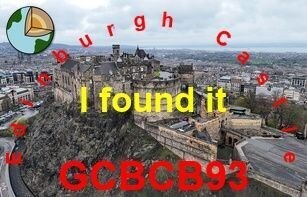
Banner:
Für die Bannerfans von euch gibt es hier noch ein Banner das ihr gerne in eurem Profil einfügen könnt.
For the banner fans of yours, there is another banner that you can add to your profile.
<a href="http://coord.info/GCBCB93"><img src="https://s3.amazonaws.com/gs-geo-images/86851422-f687-4323-abc8-3687d4ae305b_l.jpg" alt="GCBCB93" width="307" height="197" /> </a>
