
🎭 The Odeon of Rhodes – Sound of Marble
Welcome to the Odeon of the Acropolis of Rhodes, an ancient structure that still fascinates visitors with its architecture and history. In addition to its cultural importance, this site also offers a geological learning effect: the material it is built from – marble.
🏛️ History & Significance
The Odeon is located on Monte Smith, the hill of the ancient Acropolis of Rhodes.
It was built in the 2nd century BC and served as a venue for musical performances and rhetorical lectures.
-
Built from white marble
-
Capacity: about 800 spectators
-
Preserved: parts of the orchestra and the front rows of seats
-
Today: a tourist attraction, occasionally used for events
🪨 Geological Learning Effect – Marble
Marble is a metamorphic rock. It forms when limestone or dolomite rock is transformed under high pressure and high temperature deep within the Earth’s crust. During this metamorphosis, the minerals recrystallize and the typical marble structure is formed.
🔬 Properties of Marble:
-
Hardness: 3–4 on the Mohs scale (relatively soft, can be scratched with a knife or glass)
-
Density: approx. 2.6–2.8 g/cm⊃3;
-
Color: usually white, but may also appear gray, pink, green, or black due to impurities
-
Crystal structure: composed of calcite or dolomite crystals
-
Conductivity: marble is a poor conductor of heat and electricity, which is why it feels cool to the touch
-
Fossils: unlike its parent rock limestone, marble contains no fossils, as they are destroyed during metamorphism
🪨 The marble
The marble was formed from a gigantic limestone deposit that occurred between the Upper Devonian and the Lower Carboniferous between -380 and -330 million years ago.
This deposit has accumulated on the seabed that occupied the basins of the Hercynian Plain, of which islands still exist,
formed by the massifs of the Hercynian chain.
The final formation of the marble was achieved by a complete crystallization of the limestones, known as metamorphosis, by the combination of pressure,
Temperature and the action of vapors generated from deep within the earth.
These marbles never contain shellfish or marine organisms, but some contain garnets, octahedral iron crystals, and even pyrites.
Pure marble is white. Its capillary force promotes the introduction of components that interact with it.
These interior elements form veins or ribbons or color the stone, which can turn ocher, yellow, red, green or brown.
The sediments that mixed with the marble gave it its color, sometimes through oxidation. For example, the green color is on chromium, iron, and copper salts
traced back. Violet is given by manganese. Black and gray tones come from carbon.
Marble is a very hard limestone that has been crystallized by compression. Its grain is more or less fine.
The crystals can have a microscopic structure that makes them accessible for mirror polishing, while others are grainy and remain matt on the surface.
The veins and the different colors of the marble are mostly due to inclusions of metal oxides.
The feeling of coldness that one has when touching marble is due to its high heat radiation.
This means that marble, like a block of metal, conducts heat very well. Marble is not cold like a block of ice can be, for example,
but when we touch marble, our body heat quickly diffuses into the room-warm stone.
Given the lines, patterns and stripes on marble and granite surfaces, the question is often asked: “Is this a fossil?”.
When looking at a marble or granite slab, this is impossible from a geological point of view. Should we actually stand in front of a fossil
it cannot be marble or granite.
There are other natural stones (often referred to as "marble") that contain fossils of organic or animal origin.
There are also some types of granite with decorative details that look like fossils in every way.
If you come across fossils, it is not actually marble. There is actually no marble that contains fossils
because this is created by chemical-physical transformation, i.e. one can no longer recognize the original forms of existing minerals.
🔍 Your Task on Site
To log this Earthcache, please answer the following questions.
You will find the answers through observations on site and from the information in the listing:
-
Surface observation: Describe how the marble’s surface at the Odeon looks. Does it appear uniform, crystalline, or with visible inclusions?
-
Hardness reflection: From the text you know that marble has a hardness of 3–4. What does this mean for the durability of the Odeon against weathering and erosion?
-
Conductivity understanding: Marble is a poor conductor of heat. How does this explain why the stones at the Odeon often feel cool even in the sun?
-
Fossil question: Explain in your own words why no fossils can be found in the marble of the Odeon.
📸 Logging Requirements
-
Take a photo of yourself or a personal item at the site.
-
Your cacher name must be clearly visible on a note, display, your hand, or similar.
-
This photo must be uploaded with your log.
❗ Logs without a photo or without a clearly visible cacher name will be deleted.
!!! Your cacher name must be visible in the photo (e.g. note, display, hand, etc.). Do not add it digitally afterward!
!!! Dein Cacher-Name muss auf dem Foto zu sehen sein (z. B. auf einem Zettel, auf einem Display, auf deiner Hand usw.). Füge ihn nicht nachträglich digital hinzu!


Wichtig! Das Objekt muss im Hintergrund zu erkennen sein.
Important! The object must be visible in the background.
Important ! L'objet doit être visible à l'arrière-plan.
¡Importante! El objeto debe verse en el fondo.
هام! يجب أن يكون الكائن مرئيًا في الخلفية.
Σημαντικό! Το αντικείμενο πρέπει να είναι ορατό στο φόντο.
Importante! L'oggetto deve essere riconoscibile sullo sfondo.
Važno! Predmet mora biti vidljiv u pozadini.
📚 Sources & Note
The geological information is supported by:
-
IGME: Geological Map of Greece / 1GE Harmonised (Scale 1:1 000 000) EGDI Metadata+1
-
Engineering geological map of Greece / Engineering Geology Department (IGME), Sheet covering Rhodes (IGME, Andronopoulos & Theodossiou-Drandaki) Princeton Maps
-
Lindos Acropolis Essential Information – website providing info on construction materials, erosion, limestone/marble usage & restoration Lindos Rhodes
-
Badouna et al. (2020): Petrological and Geochemical Properties of Greek Carbonate Stones, Associated with Their Physico-Mechanical and Aesthetic Characteristics – examines the mineralogical and chemical properties of Greek marbles, including hardness, porosity, and fossil content.
https://doi.org/10.3390/min10060507
-
Wikipedia (2023): Marble – provides an overview of the general properties of marble, including hardness (Mohs 3), texture, and mineral composition.
Wikipedia
-
MakeItFrom.com: Properties of Marble – offers technical data on the mechanical and thermal properties of marble, such as compressive strength, thermal conductivity, and elastic modulus.
MakeItFrom
🔎 This listing was created in multiple languages. Parts of the translation (German/English/Greek) were generated with the help of Artificial Intelligence (AI) and then manually reviewed.

🎭 Das Odeon von Rhodos – Klang aus Marmor
Willkommen am Odeon der Akropolis von Rhodos, einem antiken Bauwerk, das noch heute seine Besucher mit Architektur und Geschichte beeindruckt. Neben der spannenden Historie bietet dieser Ort auch einen geologischen Lerneffekt: das Material, aus dem er geschaffen wurde – Marmor.
🏛️ Geschichte & Bedeutung
Das Odeon liegt auf dem Monte Smith, dem Hügel der antiken Akropolis von Rhodos.
Es wurde im 2. Jahrhundert v. Chr. errichtet und diente als Ort für musikalische Aufführungen und rhetorische Vorträge.
-
Bauweise: aus weißem Marmor gefertigt.
-
Kapazität: ca. 800 Zuschauer.
-
Erhalten: Teile der Orchestra und die vorderen Sitzreihen.
-
Heute: touristische Sehenswürdigkeit, teilweise für Veranstaltungen genutzt.
🪨 Geologischer Lerneffekt – Marmor
Marmor ist ein metamorphes Gestein. Er entsteht, wenn Kalkstein oder Dolomitgestein unter hohem Druck und hoher Temperatur tief in der Erdkruste umgewandelt (metamorphisiert) wird. Dabei kristallisieren die Minerale neu und die typische Struktur entsteht.
🔬 Eigenschaften von Marmor:
-
Härte: 3–4 auf der Mohs-Skala (relativ weich, mit Messer oder Glas ritzt man ihn leicht).
-
Dichte: ca. 2,6–2,8 g/cm⊃3;.
-
Farbe: meist weiß, durch Beimengungen auch grau, rosa, grün oder schwarz.
-
Kristallstruktur: aus kleinen bis größeren Calcit- oder Dolomitkristallen aufgebaut.
-
Leitfähigkeit: Marmor ist ein schlechter Wärme- und Stromleiter, daher fühlt er sich kühl an.
-
Fossilien: im Gegensatz zum Ausgangsgestein Kalkstein enthält Marmor keine Fossilien mehr, da diese durch die Umwandlung zerstört werden.
🪨 Der Marmor
Der Marmor wurde aus einer gigantischen Kalksteinablagerung gebildet, die zwischen dem Oberdevon und dem Unterkarbon vor -380 bis -330 Millionen Jahren auftrat.
Diese Ablagerung hat sich auf dem Meeresgrund angesammelt, der die Becken der Hercynischen Tiefebene einnahm, von denen noch Inseln bestehen,
die von den Massiven der Hercynischen Kette gebildet wurden.
Die endgültige Formation des Marmors wurde durch eine vollständige Kristallisation der Kalksteine, die als Metamorphose bezeichnet wird, durch die Kombination von Druck,
Temperatur und der Wirkung von Dämpfen aus den Tiefen der Erde erzeugt.
Diese Marmore enthalten niemals Muscheln oder Meeresorganismen, aber einige enthalten Granate, Oktaeder-Eisenkristalle und sogar Pyrite.
Reiner Marmor ist weiß. Seine Kapillarkraft fördert die Einführung von Komponenten, die mit ihm interagieren.
Diese Innenelemente bilden Adern oder Bänder oder färben den Stein, der ocker, gelb, rot, grün oder braun werden kann.
Die Sedimente, die sich mit dem Marmor vermischten, gaben ihm seine Farbe, manchmal durch Oxidation. Die grüne Farbe ist beispielsweise auf Chrom-, Eisen- und Kupfersalze
zurückzuführen. Violett wird durch Mangan gegeben. Schwarz- und Grautöne kommen aus Carbon.
Marmor ist ein sehr harter Kalkstein, der durch Kompression kristallisiert wurde. Seine Körnung ist mehr oder weniger fein.
Die Kristalle können eine mikroskopische Struktur aufweisen, die sie dem Hochglanzpolieren zugänglich macht, andere sind körnig und bleiben auf der Oberfläche matt.
Die Adern und die verschiedenen Farben des Marmors sind meistens auf Einschlüsse von Metalloxiden zurückzuführen.
Das Kältegefühl, das man beim Berühren von Marmor hat, ist auf seine hohe Wärmeausstrahlung zurückzuführen.
Das bedeutet, dass Marmor wie ein Metallblock die Wärme sehr gut leitet. Marmor ist nicht kalt, wie es zum Beispiel ein Eisblock sein kann,
aber wenn wir Marmor berühren, diffundiert unsere Körperwärme schnell in das zimmerwarme Gestein.
Angesichts der Linien, Muster und Streifen auf Marmor und Granit Oberflächen wird oft gefragt: “Handelt es sich hier um ein Fossil?”.
Beim Betrachten einer Marmor- oder Granitplatte ist das aus geologischer Sicht unmöglich. Sollten wir tatsächlich vor einem Fossil stehen,
kann es sich keinesfalls um Marmor oder Granit handeln.
Es gibt andere Natursteine (oft werden sie als ‘Marmor’ bezeichnet), die Fossilien organischen oder tierischen Ursprungs enthalten.
Ebenso gibt es einige Granittypen mit dekorativen Details, die in jeder Hinsicht wie Fossilien aussehen.
Wenn Sie auf Fossilien stoßen, handelt es sich genau genommen nicht um Marmor. Es gibt eigentlich keinen Marmor, der Fossilien enthält,
da dieser durch chemisch-physikalische Umwandlung entsteht, d.h. man kann die ursprünglichen Formen vorhandener Mineralien nicht mehr erkennen.
🔍 Deine Aufgabe vor Ort
Um diesen Earthcache loggen zu dürfen, beantworte bitte folgende Fragen.
Die Antworten findest du durch Beobachtung vor Ort und durch die Infos im Listing:
-
Oberfläche beobachten: Beschreibe, wie die Oberfläche des Marmors im Odeon aussieht. Wirkt sie gleichmäßig, kristallin oder enthält sie sichtbare Einschlüsse?
-
Härte ableiten: Im Text hast du gelernt, dass Marmor eine Härte von 3–4 hat. Was bedeutet das praktisch für die Widerstandsfähigkeit des Odeons gegenüber Witterung und Erosion?
-
Leitfähigkeit verstehen: Marmor ist ein schlechter Wärmeleiter. Wie erklärt das, dass sich die Steine am Odeon – auch in der Sonne – oft kühl anfühlen?
-
Fossilienfrage: Erkläre mit eigenen Worten, warum man im Marmor des Odeons keine Fossilien finden kann.
📸 Logging-Bedingungen
-
Mache ein Foto von dir oder einem persönlichen Gegenstand vor Ort.
-
Dein Cachername muss gut lesbar auf einem Zettel, Display, deiner Handfläche oder ähnlichem zu sehen sein.
-
Dieses Foto musst du zwingend mit deinem Log hochladen.
❗ Logs ohne Foto oder ohne klar sichtbaren Cachername werden gelöscht.
!!! Your cacher name must be visible in the photo (e.g. note, display, hand, etc.). Do not add it digitally afterward!
!!! Dein Cacher-Name muss auf dem Foto zu sehen sein (z. B. auf einem Zettel, auf einem Display, auf deiner Hand usw.). Füge ihn nicht nachträglich digital hinzu!
Wichtig! Das Objekt muss im Hintergrund zu erkennen sein.
Important! The object must be visible in the background.
Important ! L'objet doit être visible à l'arrière-plan.
¡Importante! El objeto debe verse en el fondo.
هام! يجب أن يكون الكائن مرئيًا في الخلفية.
Σημαντικό! Το αντικείμενο πρέπει να είναι ορατό στο φόντο.
Importante! L'oggetto deve essere riconoscibile sullo sfondo.
Važno! Predmet mora biti vidljiv u pozadini.
📚 Quellen & Hinweis
Die geologischen Informationen werden gestützt durch:
-
IGME: Geologischer Karten Griechenlands / 1GE Harmonised (Maßstab 1:1 000 000) EGDI Metadata+1
-
Ingenieur-geologischer Karte Griechenlands / Abteilung Ingenieurgeologie (IGME), Blatt für Rhodos (Andronopoulos & Theodossiou-Drandaki) Princeton Maps
-
Lindos Acropolis Essential Information – Webseite mit Informationen über Baumaterialien, Erosion, Einsatz von lokalem Kalkstein/Marmor & Restaurierungsmaßnahmen Lindos Rhodes
-
Badouna et al. (2020): Petrographische und geochemische Eigenschaften griechischer Karbonatsteine im Zusammenhang mit ihren physikalisch-mechanischen und ästhetischen Merkmalen – untersucht die mineralogischen und chemischen Eigenschaften griechischer Marmore, einschließlich Härte, Porosität und Fossilienanteil.
https://doi.org/10.3390/min10060507
-
Wikipedia (2023): Marble – bietet eine Übersicht über die allgemeinen Eigenschaften von Marmor, einschließlich Härte (Mohs 3), Textur und mineralischer Zusammensetzung.
Wikipedia
-
MakeItFrom.com: Properties of Marble – liefert technische Daten zu mechanischen und thermischen Eigenschaften von Marmor, wie Druckfestigkeit, Wärmeleitfähigkeit und Elastizitätsmodul.
MakeItFrom
🔎 Dieses Listing wurde in mehreren Sprachen erstellt. Teile der Übersetzung (Deutsch / Englisch / Griechisch) wurden mit Hilfe von Künstlicher Intelligenz (KI) erstellt und anschließend manuell geprüft.

🎭 Το Ωδείο της Ρόδου – Ήχος από Μάρμαρο
Καλώς ήρθατε στο Ωδείο της Ακρόπολης της Ρόδου, ένα αρχαίο οικοδόμημα που εξακολουθεί να εντυπωσιάζει τους επισκέπτες με την αρχιτεκτονική και την ιστορία του. Εκτός από τη σημαντική πολιτιστική του αξία, ο χώρος αυτός προσφέρει και ένα γεωλογικό μάθημα: το υλικό από το οποίο είναι κατασκευασμένο – ο μάρμαρος.
🏛️ Ιστορία & Σημασία
Το Ωδείο βρίσκεται στο Monte Smith, τον λόφο της αρχαίας Ακρόπολης της Ρόδου.
Χτίστηκε τον 2ο αιώνα π.Χ. και χρησιμοποιούνταν για μουσικές παραστάσεις και ρητορικές διαλέξεις.
-
Κατασκευασμένο από λευκό μάρμαρο
-
Χωρητικότητα: περίπου 800 θεατές
-
Διασώζονται: τμήματα της ορχήστρας και οι μπροστινές σειρές καθισμάτων
-
Σήμερα: τουριστικό αξιοθέατο, χρησιμοποιείται περιστασιακά για εκδηλώσεις
🪨 Γεωλογικό Μάθημα – Μάρμαρο
Ο μάρμαρος είναι ένα μεταμορφωμένο πέτρωμα. Δημιουργείται όταν ο ασβεστόλιθος ή ο δολομίτης μετασχηματίζονται κάτω από υψηλή πίεση και θερμοκρασία βαθιά μέσα στον φλοιό της Γης. Κατά τη διάρκεια αυτής της μεταμόρφωσης, τα ορυκτά ανακρυσταλλώνονται και δημιουργείται η χαρακτηριστική δομή του μαρμάρου.
🔬 Ιδιότητες του Μαρμάρου:
-
Σκληρότητα: 3–4 στη κλίμακα Mohs (σχετικά μαλακό, χαράσσεται εύκολα με μαχαίρι ή γυαλί)
-
Πυκνότητα: περίπου 2,6–2,8 g/cm⊃3;
-
Χρώμα: συνήθως λευκό, αλλά μπορεί να είναι γκρι, ροζ, πράσινο ή μαύρο λόγω προσμίξεων
-
Κρυσταλλική δομή: αποτελούμενος από κρυστάλλους ασβεστίτη ή δολομίτη
-
Αγωγιμότητα: ο μάρμαρος είναι κακός αγωγός θερμότητας και ηλεκτρισμού, γι’ αυτό δίνει την αίσθηση δροσιάς στην αφή
-
Απολιθώματα: σε αντίθεση με τον ασβεστόλιθο, ο μάρμαρος δεν περιέχει απολιθώματα, καθώς καταστρέφονται κατά τη μεταμόρφωση
🪨 Το μάρμαρο
Το μάρμαρο σχηματίστηκε από μια γιγαντιαία εναπόθεση ασβεστόλιθου που εμφανίστηκε μεταξύ του Άνω Ντεβονίου και του Κάτω Ανθρακικού Άνθρακα μεταξύ -380 και -330 εκατομμυρίων ετών πριν.
Αυτό το κοίτασμα έχει συσσωρευτεί στον βυθό που κατέλαβε τις λεκάνες της πεδιάδας του Ερκηνίου, από τα οποία υπάρχουν ακόμη νησιά,
που σχηματίστηκε από τους ορεινούς όγκους της αλυσίδας Hercynian.
Ο τελικός σχηματισμός του μαρμάρου επιτεύχθηκε με πλήρη κρυστάλλωση των ασβεστόλιθων, γνωστή ως μεταμόρφωση, από το συνδυασμό πίεσης,
Η θερμοκρασία και η δράση των ατμών που παράγονται από βαθιά μέσα στη γη.
Αυτά τα μάρμαρα δεν περιέχουν ποτέ όστρακα ή θαλάσσιους οργανισμούς, αλλά μερικά περιέχουν γρανάτες, οκταεδρικούς κρυστάλλους σιδήρου, ακόμη και πυρίτες.
Το καθαρό μάρμαρο είναι λευκό. Η τριχοειδής δύναμή του προάγει την εισαγωγή συστατικών που αλληλεπιδρούν με αυτό.
Αυτά τα εσωτερικά στοιχεία σχηματίζουν φλέβες ή κορδέλες ή χρωματίζουν την πέτρα, η οποία μπορεί να γίνει ώχρα, κίτρινη, κόκκινη, πράσινη ή καφέ.
Τα ιζήματα που αναμιγνύονταν με το μάρμαρο του έδιναν το χρώμα του, μερικές φορές μέσω οξείδωσης. Για παράδειγμα, το πράσινο χρώμα είναι σε άλατα χρωμίου, σιδήρου και χαλκού
αναχθούν. Η βιολετί δίνεται από μαγγάνιο. Οι μαύροι και γκρι τόνοι προέρχονται από άνθρακα.
Το μάρμαρο είναι ένας πολύ σκληρός ασβεστόλιθος που έχει κρυσταλλωθεί με συμπίεση. Ο κόκκος του είναι λίγο πολύ λεπτός.
Οι κρύσταλλοι μπορούν να έχουν μια μικροσκοπική δομή που τους καθιστά προσβάσιμους για γυάλισμα καθρεφτών, ενώ άλλοι είναι κοκκώδεις και παραμένουν ματ στην επιφάνεια.
Οι φλέβες και τα διαφορετικά χρώματα του μαρμάρου οφείλονται κυρίως σε εγκλείσματα μεταλλικών οξειδίων.
Το αίσθημα της ψυχρότητας που έχει κάποιος όταν αγγίζει το μάρμαρο οφείλεται στο υψηλό επίπεδο θερμικής ακτινοβολίας του.
Αυτό σημαίνει ότι το μάρμαρο, όπως ένα κομμάτι μετάλλου, μεταφέρει πολύ καλά τη θερμότητα. Το μάρμαρο δεν είναι κρύο όπως μπορεί να είναι ένα κομμάτι πάγου, για παράδειγμα,
αλλά όταν αγγίζουμε το μάρμαρο, η θερμότητα του σώματός μας διαχέεται γρήγορα μέσα στη ζεστή πέτρα του δωματίου.
Λαμβάνοντας υπόψη τις γραμμές, τα μοτίβα και τις λωρίδες σε μαρμάρινες και γρανιτένιες επιφάνειες, τίθεται συχνά η ερώτηση: "Είναι αυτό απολίθωμα;".
Όταν κοιτάζετε μια πλάκα από μάρμαρο ή γρανίτη, αυτό είναι αδύνατο από γεωλογική άποψη. Πρέπει όντως να σταθούμε μπροστά σε ένα απολίθωμα
δεν μπορεί να είναι μάρμαρο ή γρανίτης.
Υπάρχουν άλλες φυσικές πέτρες (συχνά αναφέρονται ως "μάρμαρο") που περιέχουν απολιθώματα οργανικής ή ζωικής προέλευσης.
Υπάρχουν επίσης ορισμένοι τύποι γρανίτη με διακοσμητικές λεπτομέρειες που μοιάζουν με απολιθώματα από κάθε άποψη.
Αν συναντήσετε απολιθώματα, δεν είναι στην πραγματικότητα μάρμαρο. Στην πραγματικότητα δεν υπάρχει μάρμαρο που να περιέχει απολιθώματα
επειδή αυτό δημιουργείται από χημικό-φυσικό μετασχηματισμό, δηλαδή δεν μπορεί κανείς να αναγνωρίσει πλέον τις αρχικές μορφές των υπαρχόντων ορυκτών.
🔍 Η Αποστολή σας
Για να καταγράψετε αυτό το Earthcache, παρακαλώ απαντήστε στις παρακάτω ερωτήσεις.
Τις απαντήσεις θα τις βρείτε μέσω παρατήρησης στον χώρο και από τις πληροφορίες του listing:
-
Παρατήρηση επιφάνειας: Περιγράψτε πώς φαίνεται η επιφάνεια του μαρμάρου στο Ωδείο. Είναι ομοιόμορφη, κρυσταλλική ή έχει ορατές προσμίξεις;
-
Σκληρότητα: Από το κείμενο γνωρίζετε ότι ο μάρμαρος έχει σκληρότητα 3–4. Τι σημαίνει αυτό για την ανθεκτικότητα του Ωδείου απέναντι στη διάβρωση και τη φθορά;
-
Αγωγιμότητα: Ο μάρμαρος είναι κακός αγωγός θερμότητας. Πώς εξηγεί αυτό ότι οι πέτρες στο Ωδείο συχνά φαίνονται δροσερές, ακόμη και στον ήλιο;
-
Απολιθώματα: Εξηγήστε με δικά σας λόγια γιατί δεν βρίσκουμε απολιθώματα στον μάρμαρο του Ωδείου.
📸 Απαιτήσεις Καταγραφής
-
Βγάλτε μια φωτογραφία του εαυτού σας ή ενός προσωπικού αντικειμένου στον χώρο.
-
Το όνομα χρήστη σας (cacher name) πρέπει να φαίνεται καθαρά σε χαρτί, οθόνη, στο χέρι σας ή σε κάτι παρόμοιο.
-
Η φωτογραφία αυτή πρέπει να ανέβει μαζί με το log σας.
❗ Logs χωρίς φωτογραφία ή χωρίς καθαρά ορατό όνομα χρήστη θα διαγράφονται.
!!! Your cacher name must be visible in the photo (e.g. note, display, hand, etc.). Do not add it digitally afterward!
!!! Dein Cacher-Name muss auf dem Foto zu sehen sein (z. B. auf einem Zettel, auf einem Display, auf deiner Hand usw.). Füge ihn nicht nachträglich digital hinzu!
Wichtig! Das Objekt muss im Hintergrund zu erkennen sein.
Important! The object must be visible in the background.
Important ! L'objet doit être visible à l'arrière-plan.
¡Importante! El objeto debe verse en el fondo.
هام! يجب أن يكون الكائن مرئيًا في الخلفية.
Σημαντικό! Το αντικείμενο πρέπει να είναι ορατό στο φόντο.
Importante! L'oggetto deve essere riconoscibile sullo sfondo.
Važno! Predmet mora biti vidljiv u pozadini.
📚 Πηγές & Σημείωση
Οι γεωλογικές πληροφορίες υποστηρίζονται από:
-
IGME: Γεωλογικός Χάρτης της Ελλάδος / 1GE Harmonised (Κλίμακα 1:1 000 000) EGDI Metadata+1
-
Μηχανικο-γεωλογικός χάρτης της Ελλάδας / Τμήμα Μηχανικής Γεωλογίας (IGME), φύλλο που καλύπτει τη Ρόδο (Andronopoulos & Theodossiou-Drandaki) Princeton Maps
-
Lindos Acropolis Essential Information – ιστοσελίδα με πληροφορίες για τα υλικά κατασκευής, τη διάβρωση, τη χρήση τοπικού ασβεστόλιθου/μαρμάρου & τις εργασίες αποκατάστασης Lindos Rhodes
-
Badouna et al. (2020): Πετρογραφικές και γεωχημικές ιδιότητες ελληνικών ανθρωπογενών καρβονικών πετρωμάτων, σε σχέση με τα φυσικομηχανικά και αισθητικά χαρακτηριστικά τους – εξετάζει τις ορυκτολογικές και χημικές ιδιότητες των ελληνικών μαρμάρων, περιλαμβανομένων της σκληρότητας, της πορωδότητας και της περιεκτικότητας σε απολιθώματα.
https://doi.org/10.3390/min10060507
-
Wikipedia (2023): Μάρμαρο – παρέχει μια επισκόπηση των γενικών ιδιοτήτων του μαρμάρου, περιλαμβανομένων της σκληρότητας (Mohs 3), της υφής και της ορυκτολογικής σύνθεσης.
Wikipedia
-
MakeItFrom.com: Ιδιότητες του Μαρμάρου – προσφέρει τεχνικά δεδομένα για τις μηχανικές και θερμικές ιδιότητες του μαρμάρου, όπως η θλιπτική αντοχή, η θερμική αγωγιμότητα και ο συντελεστής ελαστικότητας.
MakeItFrom
🔎 Αυτό το listing δημιουργήθηκε σε πολλές γλώσσες. Μέρη της μετάφρασης (Γερμανικά / Αγγλικά / Ελληνικά) δημιουργήθηκαν με τη βοήθεια Τεχνητής Νοημοσύνης (AI) και στη συνέχεια ελέγχθηκαν χειροκίνητα.
Banner:
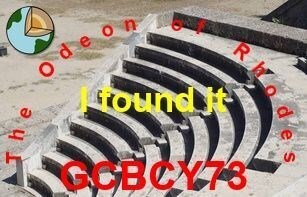
Für die Bannerfans von euch gibt es hier noch ein Banner das ihr gerne in eurem Profil einfügen könnt.
For the banner fans of yours, there is another banner that you can add to your profile.
<a href="http://coord.info/GCBCY73"><img src="https://s3.amazonaws.com/gs-geo-images/4f052379-0606-4574-af68-8dc5b8c10eec_l.jpg" alt="GCBCY73" width="307" height="197" /> </a>
