本課程旨在認識何謂卵石!
(此為初學者入門的簡易地球寶藏任務,無需完成任何艱難任務。)
根據沉積學的克魯姆貝因φ尺度,卵石是粒徑介於2至64毫米的岩石碎塊。卵石通常被視為比砂粒(直徑2至4毫米)大,但比礫石(直徑64至256毫米)小的岩石。主要由卵石組成的岩石稱為礫岩。卵石工具是已知最早的人造文物之一,可追溯至人類歷史的舊石器時代。

主要由表層卵石構成的海灘通常稱為礫石灘。此類海灘具備抵禦波浪侵蝕的防護特性,同時形成生態位,為動植物提供棲息環境。
某些區域存在近岸礫石灘(大量卵石堆積),例如奧爾河河口處,流動的礫石灘為航行帶來顯著挑戰。
卵石呈現多樣色彩與質地,可能含有石英條紋及不同顏色的沉積岩。卵石表面多為光滑,但根據接觸海水的頻率,可能留有與其他岩石或卵石碰撞的痕跡。高水位線以上的卵石表面可能附著地衣等生物體,顯示其未接觸海水。
*碎屑——碎屑岩由既有礦物與岩石的碎片(碎屑)組成。碎屑指經物理風化作用從其他岩石剝離的碎塊與細粒,實為地質碎屑的組成單位。地質學家使用「碎屑」一詞時,特指**沉積岩。
沉積岩是由沉積物經長時間堆積形成,通常以層狀形式沉積於湖泊與海洋底部。沉積物包含礦物、植物碎屑及其他有機物質。這些沉積物在漫長歲月中持續受壓,最終固結為岩層。其形成的層狀結構稱為地層,常見於裸露的崖壁中。
沉積岩覆蓋地球岩石表面的絕大部分,但相較於變質岩與火成岩,其在地殼中所佔比例甚微。常見沉積岩類別包含石灰岩、砂岩、泥岩、灰岩、白堊、煤層、黏土岩及燧石。石灰岩經長期高溫高壓作用(變質作用)後,可轉化為變質岩大理石。砂岩經變質作用形成石英岩;泥岩則形成板岩;白堊是質地柔軟的白色石灰岩;燧石則是石英礦物形成的堅硬沉積岩。
岩石三大類型:
# 火成岩(火山岩)典型特徵:具結晶結構
# 變質岩(變質岩)典型特徵:具變形結構
# 沉積岩(層狀岩)
點擊上方連結可查看此圖表的清晰放大版本。
請運用此圖表解答下方問題。
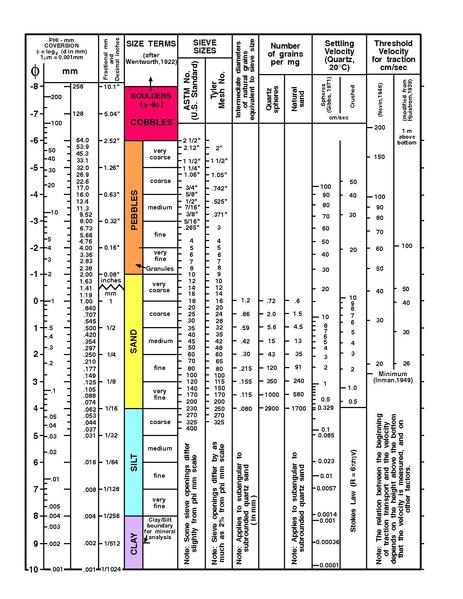
要記錄此地球寶藏,
您必須親臨現場並回答與地球寶藏坐標相關的問題。
收集答案後,請將其提交給管理員進行核驗。
提交答案後即可立即記錄。若管理員對您的答案有疑問,將主動聯繫您。
未向管理員提交解答或存在待處理問題的記錄將被刪除,恕不另行通知。
請勿在記錄中附上可能透露問題答案的照片。
問題
1. 請前往座標位置回答下列問題:
A. 卵石可呈現多種顏色!在gz地點發現的卵石主要呈現何種顏色?
B. 您在gz地點身旁的卵石尺寸為何?請使用比例尺(連結如上)判定其尺寸區間。需分別觀察兩大區域:淺色石塊與黑色石塊。
C. 該地點的卵石屬於哪兩種岩石類型?
# 火成岩(火山岩)典型特徵:含結晶
# 變質岩(經變質作用)典型特徵:呈變形狀
# 沉積岩(具層理)
D. 為何多數石塊呈圓形/圓潤狀,而非尖銳邊角?
2. 拍攝個人、團體或GPS定位器的現場照片,切勿露出任何答案。
The purpose of this lesson is to get to know what pebbles are!
(This intends to be an easy earthcache for new beginners to start off with, as there is not any hard tasks to go through with.)
A pebble is a *clast of rock with a particle size of 2 to 64 millimetres based on the Krumbein phi scale of sedimentology. Pebbles are generally considered larger than granules (2 to 4 millimeters diameter) and smaller than cobbles (64 to 256 millimeters diameter). A rock made predominantly of pebbles is termed a conglomerate. Pebble tools are among the earliest known man-made artifacts, dating from the Palaeolithic period of human history.
A beach composed chiefly of surface pebbles is commonly termed a shingle beach. This type of beach has armoring characteristics with respect to wave erosion, as well as ecological niches that provide habitat for animals and plants.
Inshore banks of shingle (large quantities of pebbles) exist in some locations, such as the entrance to the River Ore, where the moving banks of shingle give notable navigational challenges.
Pebbles come in various colors and textures, and can have streaks of quartz and different colored sedimentary rock. Pebbles are mostly smooth but, dependent on how frequently they come in contact with the sea, they can have marks of contact with other rocks or other pebbles. Pebbles left above the high water mark may have growths of organisms such as lichen on them, signifying the lack of contact with seawater.
*Clast - Clastic rocks are composed of fragments, or clasts, of pre-existing minerals and rock. A clast is a fragment of geological detritus, chunks and smaller grains of rock broken off other rocks by physical weathering. Geologists use the term clastic with reference to **sedimentary rocks.
**Sedimentary rocks are formed by sediment that is deposited over time, usually as layers at the bottom of lakes and oceans. The sediment can include minerals, small pieces of plants and other organic matter. The sediment is compressed over a long period of time before consolidating into solid layers of rock. It forms layers called strata which can often be seen in exposed cliffs.
Sedimentary rocks cover the majority of the Earth's rocky surface but only make up a small percentage of the Earth’s crust compared to metamorphic and igneous types of rocks. Examples of sedimentary rocks include limestone, sandstone, mudstone, greywacke, chalk, coal, claystone and flint. Limestone forms the metamorphic rock marble when subjected to extreme heat and pressure over time (metamorphism). Sandstone forms the metamorphic rock quartzite. Mudstone forms the metamorphic rock slate. Chalk is a soft, white form of limestone. Flint is a hard, sedimentary form of the mineral quartz.
Three Types of Rock:
# Igneous (Volcanic) typical with crystals
# Metamorphic (Changed) typial deformed
# Sedimentary (Layered)
By clicking on the link above you will get to this chart in a good size to look at.
Use it for answering you question below.
To log this cache.
To get to log this cache you will have to visit and answer the questions which are related to the coordinates given the earthcache.
When answers are collected, send them to CO for verification.
You can log immediately after answers are sent CO. If there are any questions about your answers CO will contact you.
Logs without answers to CO or with pending questions from CO will be deleted without any further notice.
Please do not include pictures in your log that may answer the questions.
Questions
1. Answer the questions under by visiting the Coordinates.
A.Pebbles can be found in many colors! What main color are the once found at gz?
B. The pebbles you stand next to at gz, what size are they? Use the scale (linked to above) to tell where in the scale they belong. There are different main areas to study, the light coloured stones and the black coloured stones.
C. What type of stone are the pebbles at the location, both types?
# Igneous (Volcanic) typical with crystals
# Metamorphic (Changed) typial deformed
# Sedimentary (Layered)
D. Why do you think most of the stones are round/rounded and not with sharp ends/corners?
2. Take a photo of you, the group or the GPS from the location without revealing any of the answers.