Armed conflict has always been a catalyst for technological development, and the effect of war on aircraft development has been profound. The first military uses of aviation involved lighter-than-air balloons; in the Battle of Fleurus in 1794, the French successfully used the observation balloon l'Entreprenant to watch Austrian troop movements. The use of lighter-than-air aircraft in warfare became more prevalent in the 19th century, including regular use in the American Civil War. Lighter-than-air military aviation persisted into World War II, but became less used as heavier-than-air aircraft were improved. The Wright 1908 Model A Military Flyer arrives at Fort Myer, Virginia aboard a wagon, attracting the attention of children and adults.
Heavier-than-air aircraft were recognized as having military applications early on. A Wright Model A was purchased in 1909 by the U.S. Army Signal Corps, and in 1911 the Italians used a variety of aircraft types in reconnaissance, photo-reconnaissance, and bombing roles as part of the Italo-Turkish War. The earliest military role filled by aircraft was reconnaissance, however, World War I saw military aviation rapidly embrace many specialized types, such as scouts, artillery observers, fighters, bombers, etc. World War II saw even more rapid advancement in aircraft technology, with large performance increases and the introduction of aircraft into an increasing number of roles. Aircraft also played a much larger role, with many notable engagements being decided through the use of military aviation, such as the Battle of Britain or the Attack on Pearl Harbor. Carrier aviation came to play a major role during World War II, with most major fleets realizing that the aircraft carrier was a much more potent weapon than the battleship, and devoting massive resources to the creation of new carriers and the destruction of enemy carriers. The introduction of the jet engine, radar, strategic bombing, and early missiles and computers are World War II advancements which are felt to the present day.
Post World War II, the development of military aviation was spurred less by massive military conflict and more by the tense stand-off between super-powers during the Cold War. The helicopter began to appear at the end of World War II and eventually matured into an indispensable part of military aviation. The need to continue to out-perform potential opponents meant that rapid development of new technologies and aircraft designs continued in the U.S.S.R. and the United States among others, and designs were tested in several conflicts, such as the Korean War and the Vietnam War. The 1980s through to the present day were characterized by incredible advances in electronics, stealth technology, and both offensive and defensive systems. Today, a country's military aviation forces are often the first line of defense against an attack, or the first forces to attack an enemy, and military aviation forces (or lack thereof) have proved decisive in several recent conflicts such as the Gulf War.
This is the sixth cache in this series and it is dedicated to the men and women in the armed forces...and especially to those young men and women who have aspirations to join the active services once they enter their adult years.
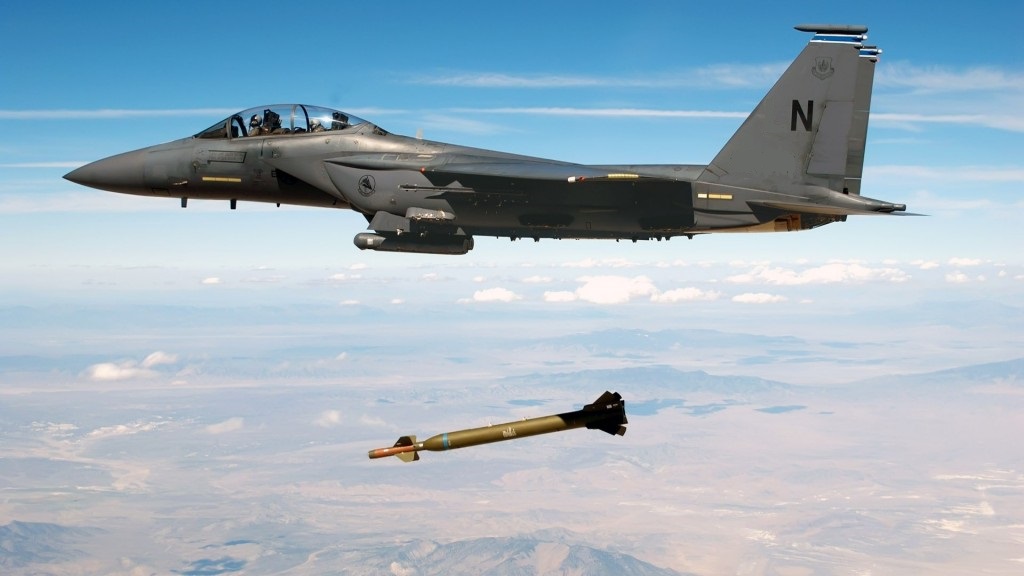
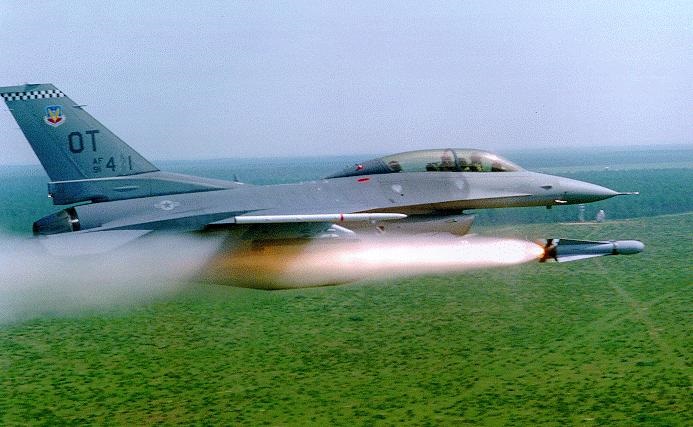
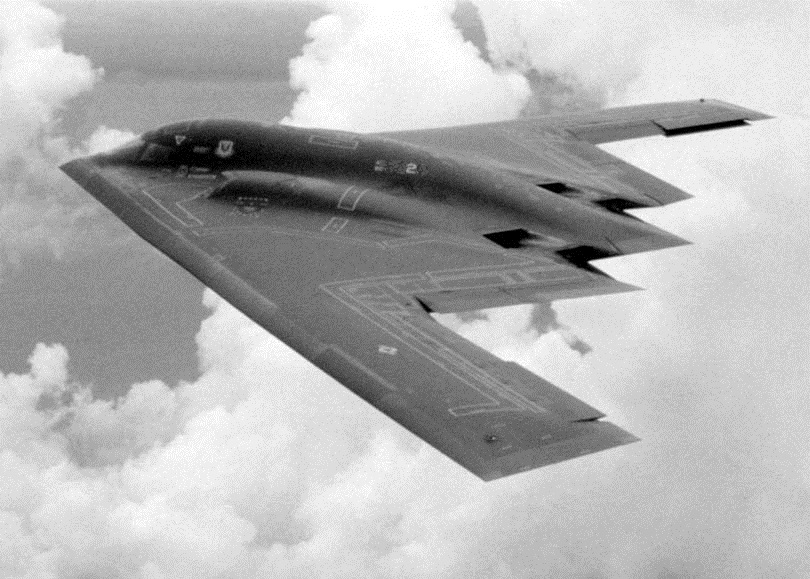
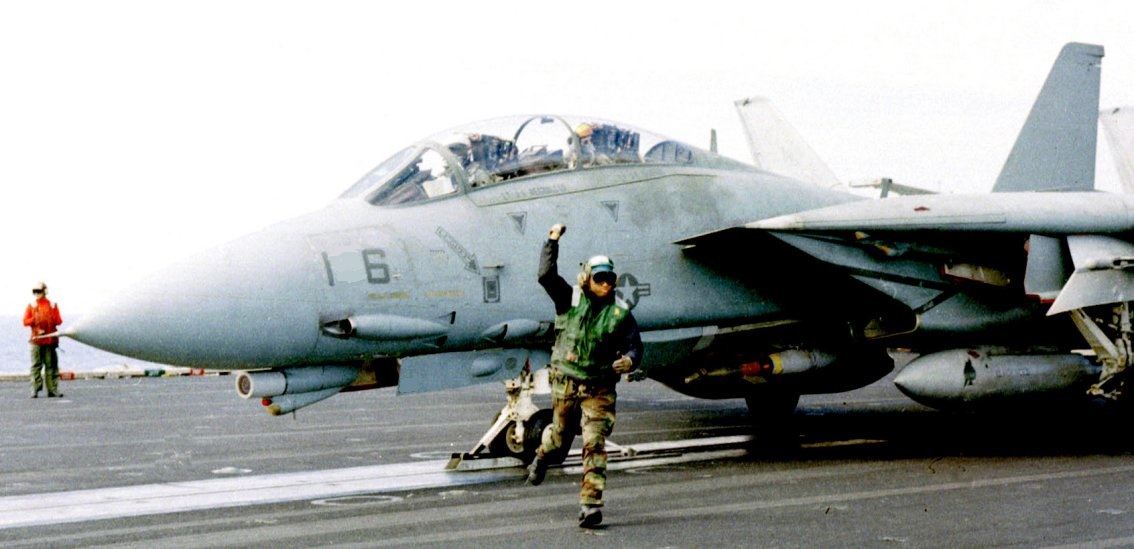
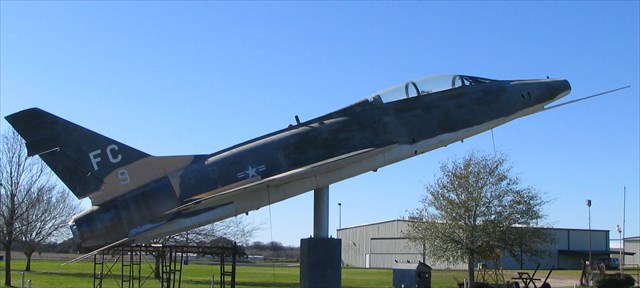
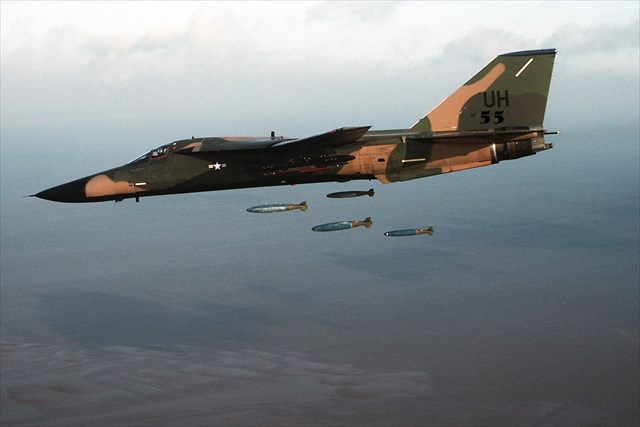
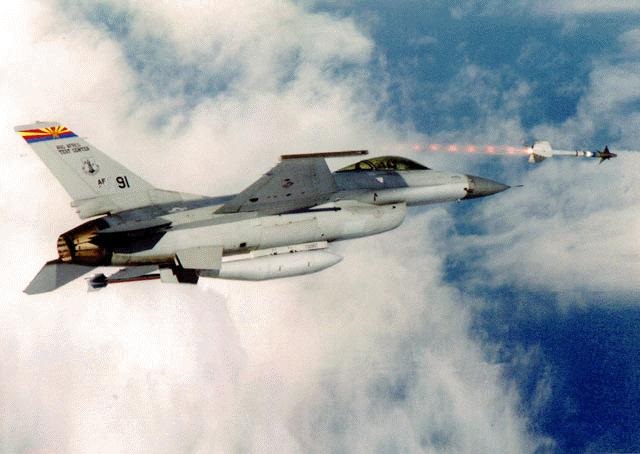
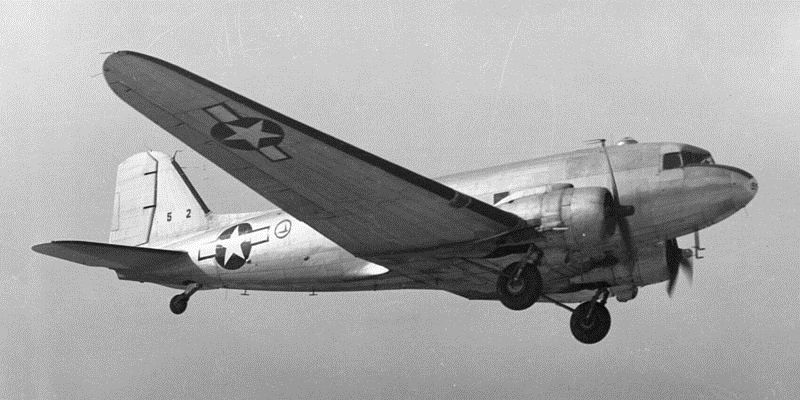
Everything you need to solve this puzzle is on this page. We've included some pictures of aircraft for you to enjoy! Please be mindful of muggles. As always, bring a pen to log your find!
Congrats to da_ewoks and Mr_Ewok for co-FTF honors!
Added 3/14/2016: BTCO was the owner of this military series of 26 caches either through the initial publication or through adoption. When he moved to Iowa he did not think he would be able to continue to properly maintain the series. As I had served 27 years in the Air Force he thought I would be a logical choice to assume the ownership of the series. I agreed with his assessment and I adopted the series from him.
I have flown the F-100 and the F-111 in the airplane photos.

Adopted by a Nebraskache Member