Erosional Forces
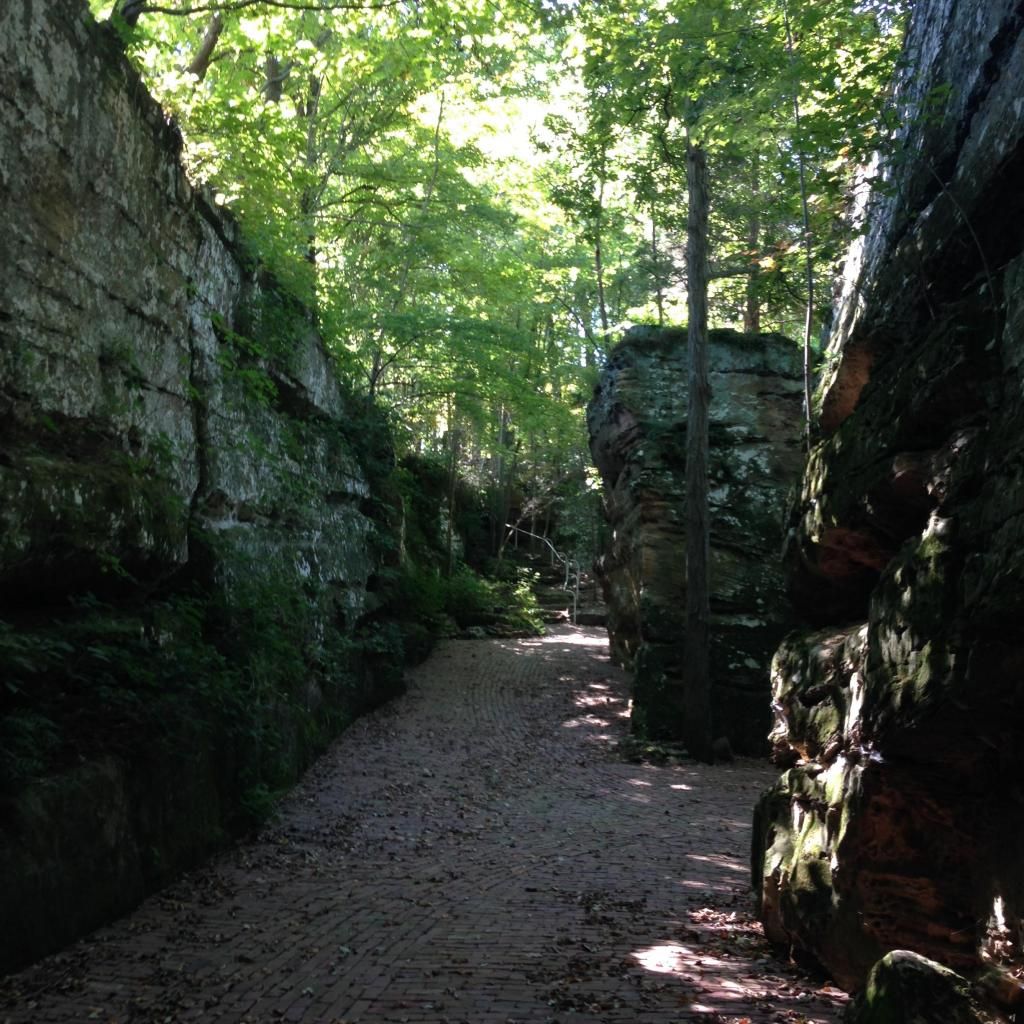
As a sedimentary rock composed of sand-sized grains of minerals, rocks, and organic materials, sandstone is a porous material that allows percolation of water and other fluids. The porosity of sandstone makes it subject to a variety of erosional forces, including water, wind, and plants. Scientists classify the main types of erosional forces as mechanical, chemical, and biotic.
Mechanical Forces
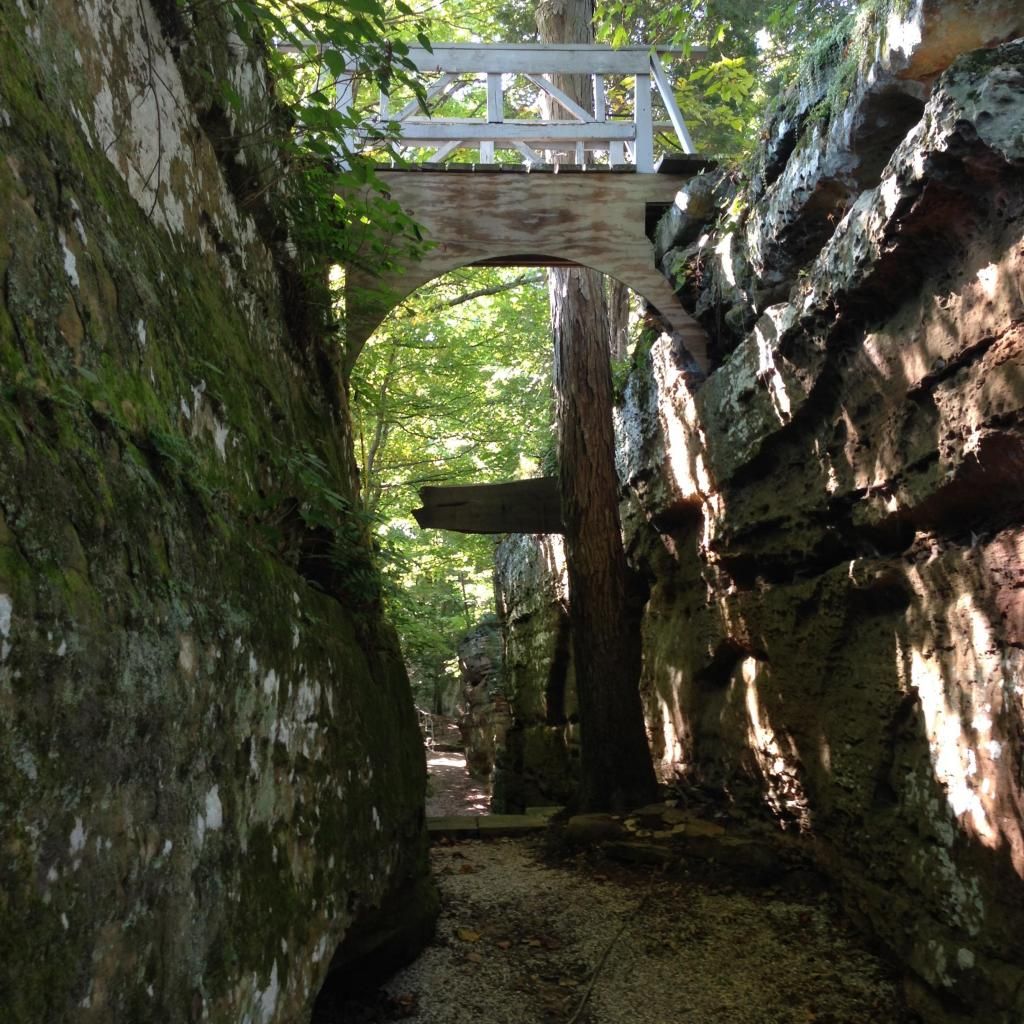
Mechanical erosional forces are those that break down rock without changing its chemical nature. In other words, physical rather than chemical forces are responsible. For example, when Earth’s crust moves during an earthquake, the resulting breakdown of rocks to create joints and fault lines is an example of mechanical forces at work. A simpler and more prevalent example of mechanical forces at work is the repeated freezing and thawing of water. As water seeps through sandstone, it can repeatedly freeze and thaw, creating joints and fissures in the rock that eventually turn into holes and cracks. Large cracks can even lead to the complete separation of huge sections of rock from a main cliff side.
Chemical Forces
Unlike mechanical forces, chemical forces erode rocks by breaking down the internal bonds that hold rocks together. The chemical reactions that most commonly break down rocks rely heavily upon water, so areas with lots of water will experience more chemical erosion than dry areas. The chemical processes responsible for most erosion are oxidation, hydrolysis, and carbonation. During these processes, either oxygen (oxidation), water (hydrolysis), or carbon dioxide (carbonation) combine with other elements in rocks to form new, softer substances. These new substances weaken the rock, making it more susceptible to other erosional forces.
Biotic Forces
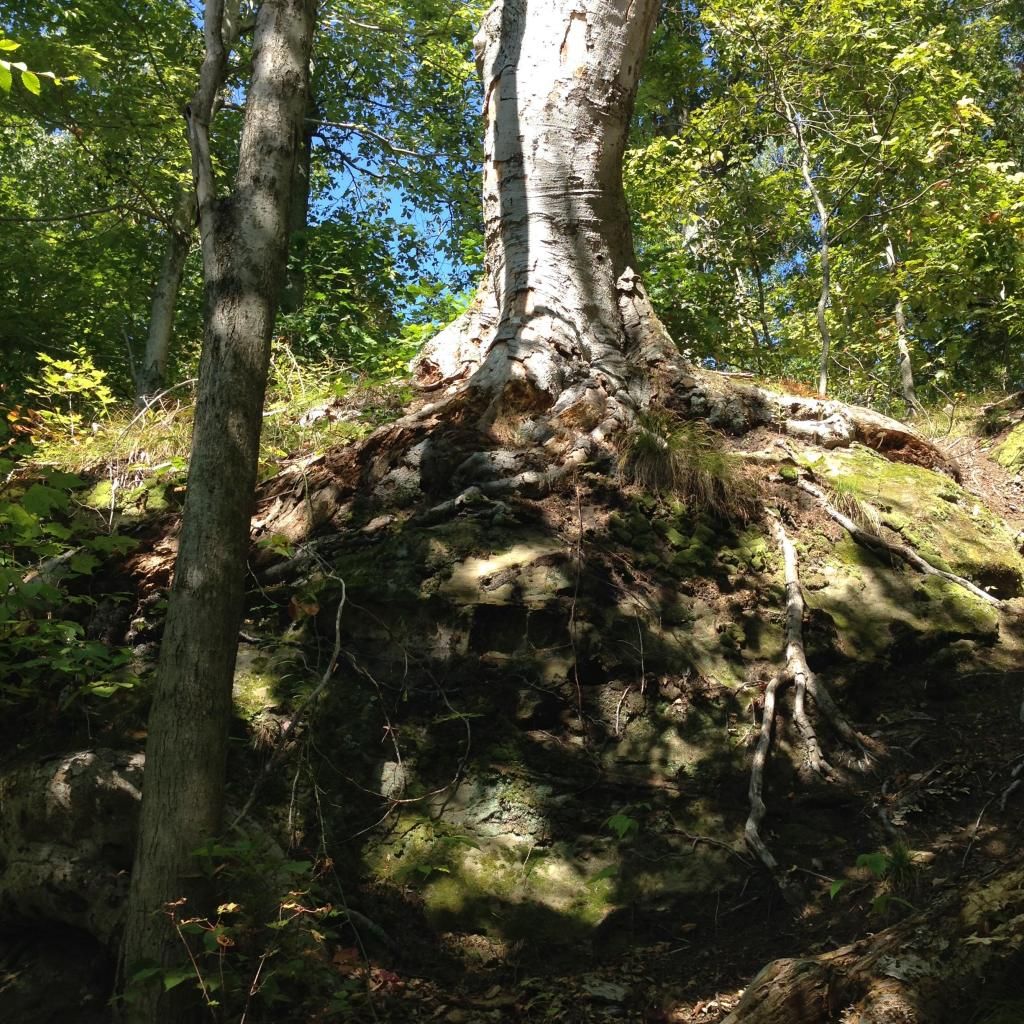
Biotic forces are erosional forces that are caused by living organisms. While these forces can include algae, fungi, and even digging animals, the most common biotic forces by far are plant roots. Plant roots, especially those of large trees, can work their way down through cracks in rocks, searching for water and nutrients. As these roots travel deeper into cracks and crevices, they grow and expand, acting like a wedge to expand cracks and break down the rock.
Honeycombing
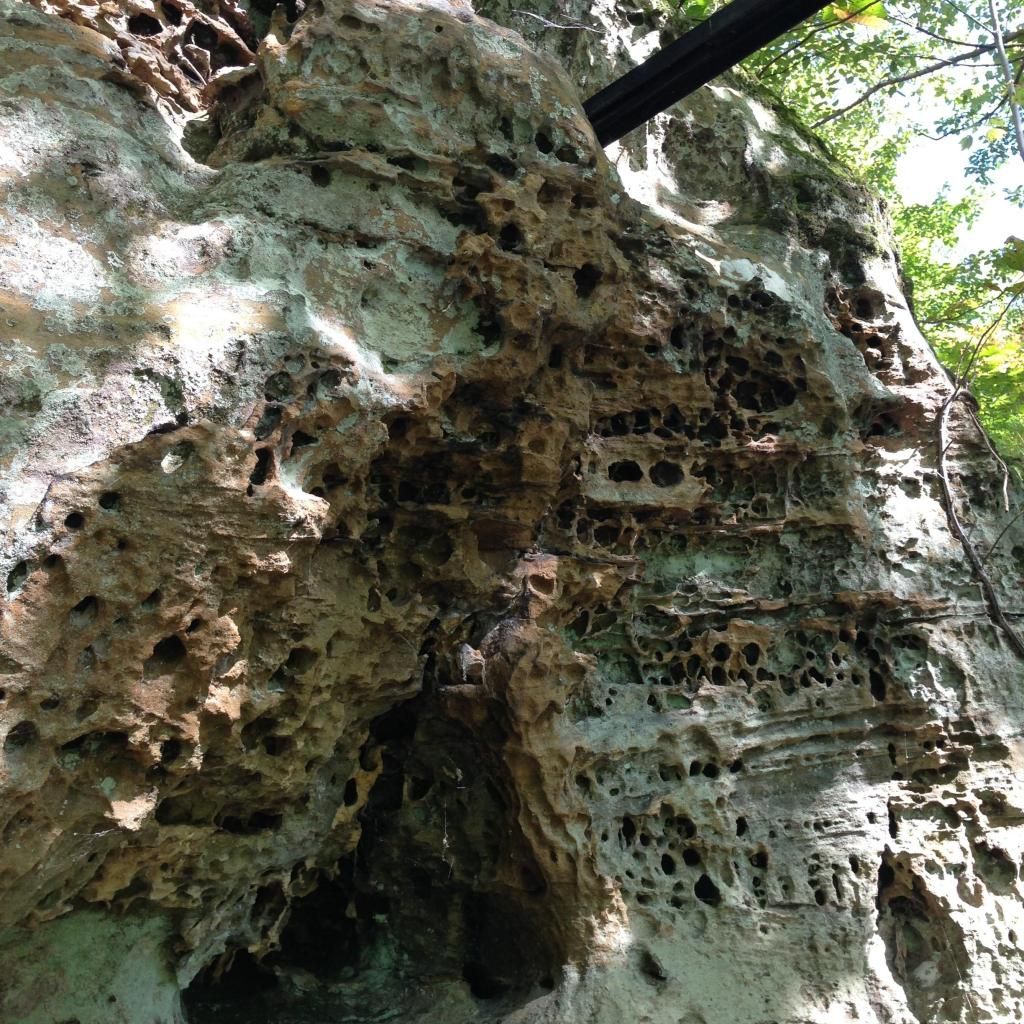
Much of the sandstone along the cliffs in this area is also “honeycombed” by weathering of iron ores. The Tar Springs sandstone is inconsistent in its strength and friability. In the past, when waves from the nearby inland sea would splash on to the sandstones, the soluble minerals would dissolve and be flushed into the sea, leaving behind pit-like features on the rock surfaces. This type of weathering occurs throughout the world for various reasons, including wind erosion, exfoliation, frost shattering, and salt weathering, in addition to the wave-related weathering of iron ores seen here. An example of this honeycomb weathering can be seen in the photo below:
To Log This EarthCache
OPTIONAL: Please take a photo of yourself with your GPSr at your favorite location along the trails. There are so many beautiful, scenic spots here. It will be interesting to see which areas cachers prefer the most.
To demonstrate the educational value of your visit, please email me the answers to the following questions: (click on the El Pollo Loco Gang link at the top of the cache page to reach our profile, where you will see a link to Send message)
1. At the BRIDGE waypoint, approximately how wide is the gap between the cliff side and the adjacent freestanding boulder connected by the bridge? Approximately how high is the bridge above the ground below?
2. At the HONEYCOMBS waypoint, describe the weathering of the sandstone. How deep are the pits? What are the average sizes of the holes?
3. At the ROOTS waypoint, describe the primary type of weathering you see. Are there any other types of weathering present at this waypoint?
This EarthCache brought to you by:
El Pollo Loco Gang