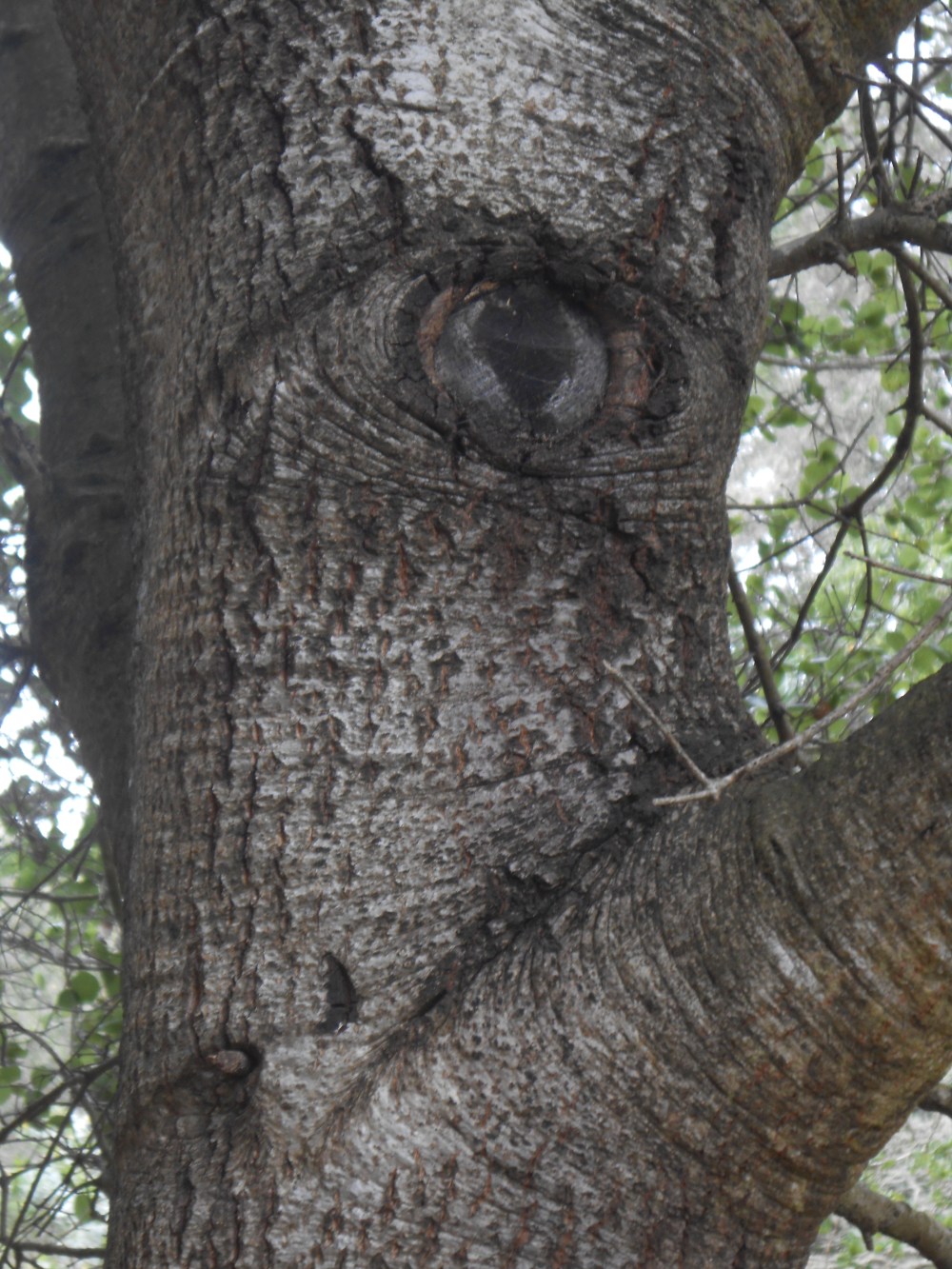
This the seventh in a series of geocaches about Slavic Myth and Folklore, focuses on the figure of Svetovid, aka Svantovit, is often considered the primary deity of the ancient Slavic peoples. (The name is Świętowit in Polish, and световид in Russian. )He was a war god, and also protector of cultivated lands, agriculture, and a god of the sun and light. He had a white horse, and rode it at night, persecuting enemies of the Slavs. His cult is centered in Arkona in Rugen, an area that long resisted Christian conversion. Svetovid was like several Slavic deities in that he had multiple heads. He had four heads the better to see the world in all directions. The god Triglav had three heads, and the god Simargal had seven heads. Porevit had five heads, and Rudjevid had seven heads. So the Slavic Gods are well prepared to not miss anything that is going on in the world around them!
Article about Slavic multi-headed deities: Multi-Headed Deities
Svetovid statue: 

Russian artist's painting of Svetovid on his white horse

![]()
This picture shows the ancient temple of the Slavic people at Arkona ---
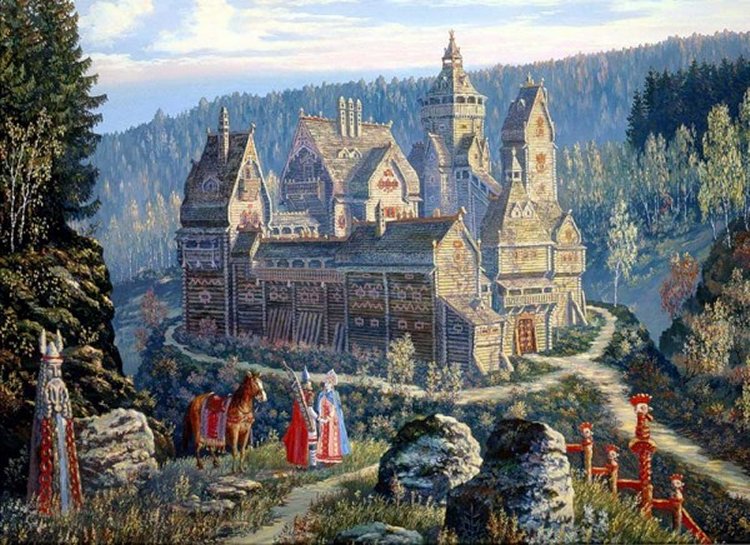
To find Svetovid, we will do a devotional walk to him, celebrating his many heads and eyes, by doing a geocache quest that makes use of our careful visual attention. This is a multi-cache quest, and we'll use photographs to find the way to Svetovid.
We will begin the quest at a suitable location, just at the knees of a 4-headed giant I found while wandering in the forest. Who knows, maybe he is a Svetovid of California forests! Go to the posted coordinates, which are on a fire trail behind the Animal Farm in Tilden park, and start there. The whole walk to the geocache is about 1/2 mile one-way and 1 mile round trip from the starting point. You may notice, as you pursue this quest, that many eyes are watching you from the forest. Svetovid lives on!!
Follow the photos to find the route. Note that some photos are taken at "normal view" as you may see it with your eyes -- others are closer up shots using a bit of telephoto lens. Most of the shots are as you would see them in the direction you are walking, but some look backward a bit, on what you've just passed. I found that my smartphone worked throughout this route, meaning that if you have a smartphone you should be able to use it to see the photos on the Geocaching App and follow them from there. If you have no smartphone, you will need to print out the photos on paper, and bring these with you.
The starting point of the quest is at a trail junction, and the end point is also at a trail junction.