SLO
Pod Podkrajem izvira hudourniški potok Bela, ki je v milijonih let izoblikoval istoimensko sotesko. Ljudje pa so po njej poimenovali vas.
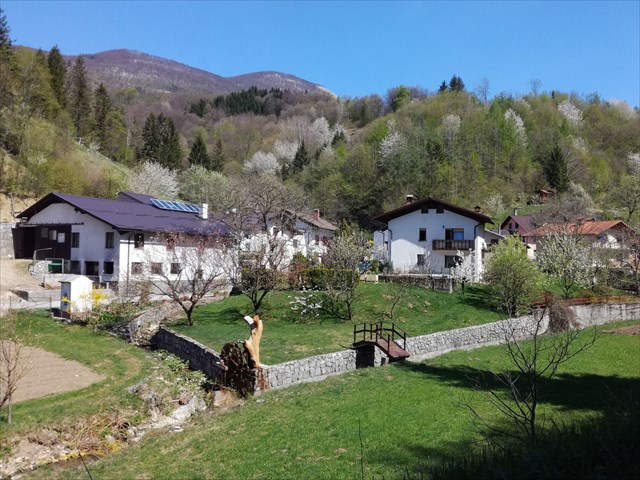
Tik nad vasjo je slap Bela, ki čez skalni previs pada kar 27 metrov v globino. Pozimi slap tudi zamrzne in njegova lepota jemlje dih.
Legenda o grofici Beli
Po legendi, ki jo Belarji že dolgo ohranjajo v svojem izročilu, je pred davnimi leti v tej dolini živela grofica, z imenom Bela. Po njej nosita sedaj ime vas in potok, ki teče skoznjo. Grofica se je tu skrivala pred Turki in čakala vrnitev svojega moža iz vojske. Po lazih in rebreh je pasla kokoši, na njihova jajca pa je vedno natisnila svoj žig. Jajca je prodajala z upanjem, da jih bo nekje opazil njen mož. Na žigu je pisalo »Ne kradi in ne zmikaj, kar najdeš, ne podtikaj.«
Nekoč pa se je pripetilo, da je bil njen mož ranjen in se je skušal vrniti k svoji dragi. Pol ure hoda pred Belo, pri Krajni vodi, je omagal. V hudi stiski je naprej poslal svojega sla, da naj poišče njegovo ženo. Sel je prišel v Belo, kjer mu je grofica postregla z jajci, ki jih je nato brž odnesel onemoglemu gospodarju h Krajni vodi. Ko je grof videl jajca, je vedel da je njegova žena blizu. Loveč zadnje moči, je prispel do Bele, kjer pa je na njeno žalost kmalu po njunem snidenju umrl. Grofica ga je z bridkim srcem pokopala ter mu v spomin postavila znamenje.
ENG
Below the village Podkraj there is a spring of the stream named Bela. The village is named after the stream, whose name – Bela - means “white” in Slovenian language.
Just above the village there is Bela waterfall, which is approximately 27 m high. In winter the waterfall freezes and creates beautiful ice curtain.
Legend of Countess Bela
According to the legend, told by the locals, there was a countess that lived in this valley. Her name was Bela (meaning white), and the legend says that the village and the stream are named after her.
Countess Bela was hiding here from the Turks, waiting for her husband to return from the army. She shepherd chickens on the slopes above the valley, to pass the time. She was selling their eggs, marked with her emblem, in a hope that her husband would somewhere came across these eggs. The stamp said “Do not steal and do not snitch, what you find, do not ditch.”
It happened that her husband was injured in a battle and tried to find her. About half an hour walk from Bela he lost his strengths. In his despair he sent his messenger ahead, hoping he would find his wife. The messenger came to the village where the countess Bela served him eggs, which he took to his master. When the count saw those eggs he knew that his wife was close, so he gathered his last strength and they reunited. Unfortunately, he died shortly after they met - The heartbroken countess buried him and erected a tombstone in his honour.
