Big Cottonwood Traditional Cache
Please note Use of geocaching.com services is subject to the terms and conditions
in our disclaimer.
The Big Cottonwood is near the Big Sycamore, that I had a cache for. The cache was apparently in a hole occupied by a squirrel and was squirreled away. New different tree and cache page. Please BYOP, more cache info at the bottom of the page.
Planting Cottonwood Trees:
Cottonwood Tree Uses In The Landscape
By Jackie Carroll
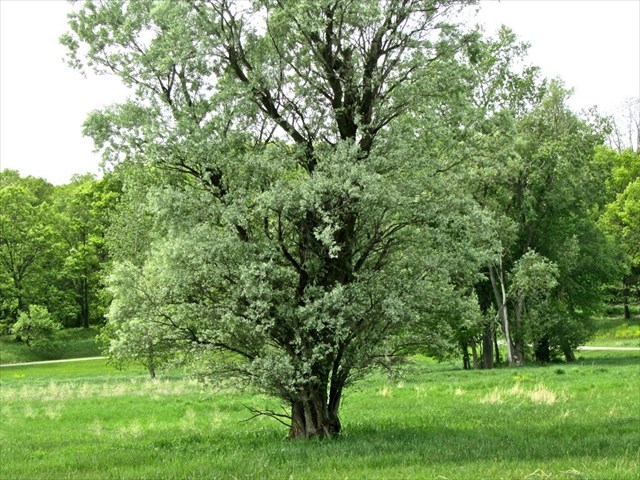
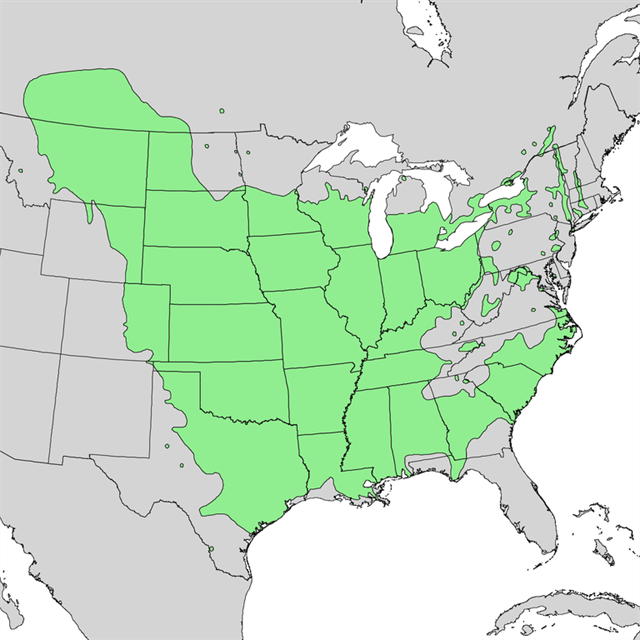
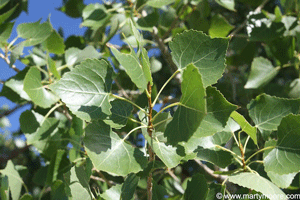
Cottonwoods (Populus deltoids) are massive shade trees that grow naturally throughout the United States. You can recognize them at a distance by their broad, white trunks. They have lustrous, bright green foliage in summer that changes to brilliant yellow in fall. Read on for more cottonwood tree facts.
What are Cottonwood Trees?
Members of the Poplar family, cottonwoods were important to Native Americans who used all parts of the tree. Their trunks were used as dugout canoes. The bark provided forage for horses and a bitter, medicinal tea for their owners. Sweet sprouts and inner bark were a food source for both humans and animals. The trees also served as trail markers and meeting places for both Native Americans and early European settlers.
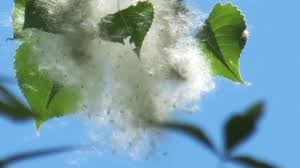
Cottonwood trees produce male and female parts on separate trees. In spring, female trees produce tiny, red blooms that are followed by masses of seeds with a cottony covering. The cotton-covered seeds create a significant litter problem. Male cottonwood trees don’t produce seeds.
Planting Cottonwood Trees
Cottonwoods need a location with full sun and lots of moisture. They grow particularly well along lakes and rivers as well as in marshy areas. The trees prefer sandy or silty soil, but will tolerate most anything but heavy clay. They are hardy in USDA plant hardiness zones 2 through 9.
Planting cottonwood trees in home landscapes leads to problems. These messy trees have weak wood and are prone to disease. In addition, their massive size makes them out of scale for all but the largest landscapes.
How Fast Does a Cottonwood Tree Grow?
Cottonwood trees are the fastest growing trees in North America. A young tree can add 6 feet or more in height each year. This rapid growth leads to weak wood that is easily damaged.
The trees can grow to well over 100 feet tall, with eastern species sometimes reaching 190 feet. The canopy of a mature tree spreads about 75 feet wide, and the diameter of the trunk averages about 6 feet at maturity.
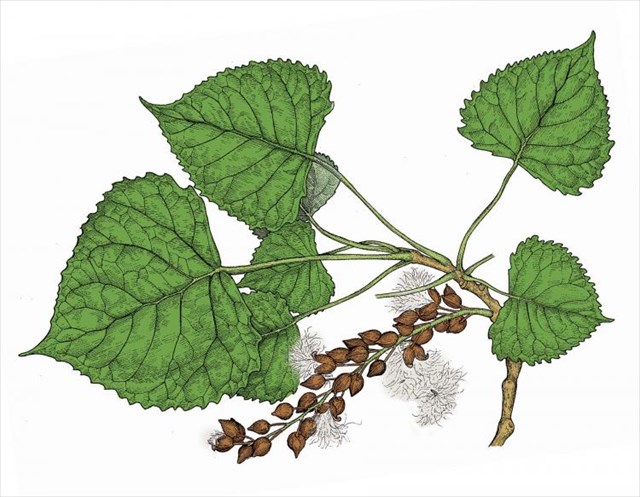
Cottonwood Tree Uses
Cottonwoods provide excellent shade in lakeside parks or marshy areas. Their rapid growth makes them well-suited to use as a windbreak tree. The tree is an asset in wildlife areas where their hollow trunk serves as shelter while the twigs and bark provide food.
As lumber, cottonwood trees tend to warp and shrink, and the wood doesn’t have an attractive grain. Pulp made from cottonwood yields high-grade book and magazine paper, however. The wood is often used to make pallets, crates and boxes.
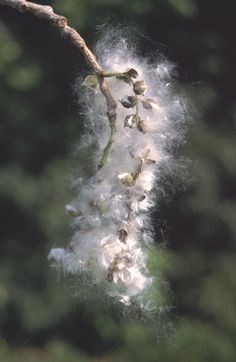
Cottonwood seeds: A poplar lottery
Illustration and text by Patterson Clark
Drifting on breezes and riffles, cottonwood seeds dot the sky and fleck local waterways. The odds that any one seed will germinate are remote.
Also known as Eastern poplar, a single cottonwood tree can release more than 25 million seeds, each suspended by a frizzy mass of cottony fibers that can transport the seed far from the tree.
Seeds set sail at about this time of year, when water levels are dropping, revealing freshly scoured gravel bars, sandbars and stream banks, ideal spots for young cottonwoods.
The fluff must settle onto the right surface soon. Seeds are viable for only one to two weeks, and they stand a chance of germinating only if they fall onto sunny, moist, exposed soil.
Lucky seeds sprout within a day, after which they grow as much as a quarter of an inch in their first 24 hours. To survive long enough to be saplings, seedlings need constantly moist soil with abundant sunlight. Most seedlings are either trampled and eaten by herbivores, overrun by exotic invasive plants, beaten down by rain, swept away by floods or -- if they survive long enough -- gouged by winter ice.
Young saplings can tolerate inundation, but a drought will kill them. They devote much of their energy to sinking roots down toward the water table, piercing the soil by as much as a meter in their first year.
Once saplings have tapped a guaranteed source of water, they can grow 30 to 50 feet in five to 10 years, at which point they reach maturity. Female trees can then begin to disperse a multitude of their own fluffy long shot.
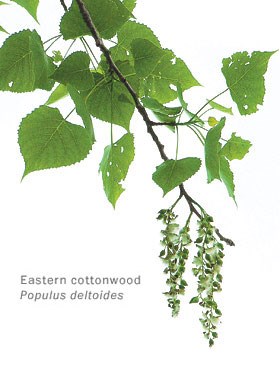
Insects have begun to eat holes in this tree's leaves. A favorite of livestock, cottonwood leaves are rich in protein, offering more amino acids than many common grains.

A cottonwood seed (actual size and enlarged four times) discards its parachute soon after landing. A million of these would weigh less than three pounds.
SOURCES: "Biology of Populus and its implications for management and conservation," by Reinhard F. Stettler, et al.; U.S. Forest Service
The cache is a tied in, camoed, “small” pill bottle, that you have to push hard to open and close. Please make sure you camo it a bit before you leave, and remember to put the rubber band back on the log and seal the plastic bag. Don’t forget to BYOP!
Additional Hints
(No hints available.)
Treasures
You'll collect a digital Treasure from one of these collections when you find and log this geocache:

Loading Treasures