 |
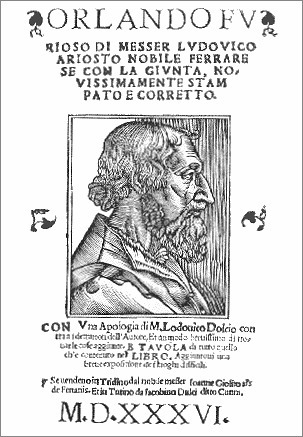
Dirò d’Orlando in un medesmo tratto
cosa non detta in prosa mai, né in rima:
che per amor venne in furore e matto,
d’uom che sì saggio era stimato prima;
se da colei che tal quasi m’ha fatto,
che ’l poco ingegno ad or ad or mi lima,
me ne sarà però tanto concesso,
che mi basti a finir quanto ho promesso.
Piacciavi, generosa Erculea prole,
ornamento e splendor del secol nostro,
Ippolito, aggradir questo che vuole
e darvi sol può l’umil servo vostro.
Quel ch’io vi debbo, posso di parole
pagare in parte e d’opera d’inchiostro;
Ludovico Ariosto - Orlando Furioso
né che poco io vi dia da imputar sono,
che quanto io posso dar, tutto vi dono. |
 |
Italiano: |
Questo multi-virtual vi condurrà nei principali luoghi frequentati da Ariosto o dedicati al poeta.
Ad Ottobre 2017 gli ingressi a Stage 4 e Stage 5 sono gratuiti, pianificare le visite in base agli orari di apertura. Il giro è lungo circa 4 km.
Le coordinate iniziali vi condurranno al Castello Estense, cuore pulsante della vita politica e culturale della Ferrara estense. Esso divenne, soprattutto sotto il governo di Alfonso I (1505-1534), una straordinaria fucina creativa. In questo periodo gravitano e lavorano nelle stanze del Castello artisti del calibro di Dosso Dossi, Michelangelo, Tiziano, impegnati a decorare gli appartamenti privati del duca (le stanze della cosiddetta Via Coperta, tra le quali il Camerino delle Pitture). Qui Alfonso si faceva leggere da Ludovico Ariosto le bozze dell’Orlando Furioso.
Il Giardino degli Aranci in castello, insieme al poco lontano Giardino delle Duchesse, potrebbe aver ispirato l’Ariosto nella descrizione dei giardini immaginari che si trovano nell’Orlando Furioso (giardino di Alcina, giardino di Logistilla).
La visita del castello (a pagamento) non è necessaria per questa virtual ma caldamente consigliata perchè questo monumento, ancora oggi simbolo della città, è straordinario. Inoltre potrete comprendere meglio la vita di corte che ha consentito ad Ariosto di scrivere il suo capolavoro.
Dal castello ci spostiamo verso il duomo, posto al centro della città, fu una delle mete privilegiate delle passeggiate dell'Ariosto. Davanti alla Cattedrale di San Giorgio l’Ariosto trovò più di un elemento di ispirazione per la sua poetica a partire dalle decorazioni della facciata.
E di fronte alla cattedrale inizia la virtual vera e propria.
PER LOGGARE:
Inviatemi le risposte dei vari stage e aggiungete una foto al log di voi (non è necessario mostrare il volto) o del vostro GPS nel luogo che più vi è piaciuto. I log senza risposte e/o foto verranno cancellati.
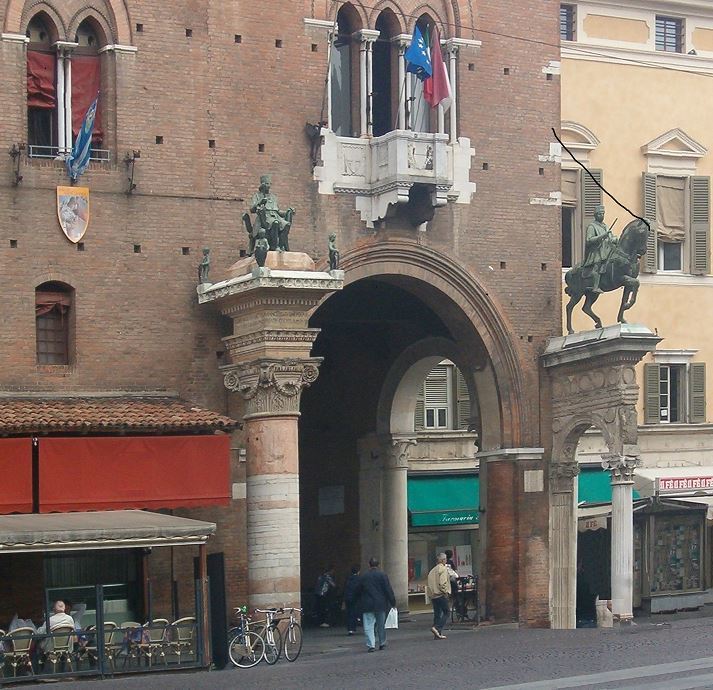 |
1. Volto del Cavallo: (N44°50.155, E011°37.155)
Il nome "Volto del Cavallo" deriva da una delle due grandi statue che fiancheggiano l'arco, in particolare quella raffigurante il marchese Niccolò III d'Este a cavallo. Invece la statua di sinistra, raffigura Borso d'Este nell’atto di amministrare la giustizia. Queste due statue che oggi vediamo sono in realtà delle copie in bronzo dopo che le originali vennero abbattute nel 1796 durante l’occupazione francese.
Superato il volto ci troviamo nella Piazza Municipale, a quel tempo cortile della corte del Palazzo Ducale (oggi Palazzo Municipale) in cui risiedevano gli Estensi.
Questa piazza era tanto cara all'Ariosto da fargli scrivere che sarebbe morto se gli fosse stato impedito di passeggiare ogni giorno in quel luogo.
Sotto la statua di Borso trovate una targa di marmo in cui c'è questa affermazione tratta dalle Satire. Quali Satire e corrispondenti versi sono riportati?
Risposta A = SAT. _ _ _ , _ _ . _ _ _ - _ _ _ .
|
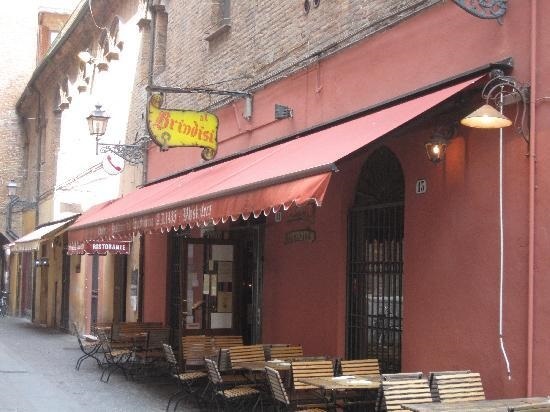 |
2. Hostaria del Chiucchiolino: (N44°50.150 E011°37.215)
L’Hostaria del Chiucchiolino (dalla parola dialettale "ciuc", ubriaco) è la più antica del mondo tanto da essere stata dichiarata Locale Storico d’Italia. La prima documentazione scritta risale al 1435, anno in cui l’osteria era già famosa. Tra i personaggi illustri che frequentarono l’osteria vi furono Benvenuto Cellini, Tiziano Vecellio, Ludovico Ariosto e Torquato Tasso. Nel quattrocento si arrivava al locale in barca dall’attuale Via degli Adelardi, all’epoca Via del Gorgadello. Nel primo piano del fabbricato, sopra l’attuale enoteca, compì gli studi Niccolò Copernico, laureatosi a Ferrara nel 1503.
Pare che ad Ariosto piacesse molto frequentare questa osteria tanto che la troviamo citata in parecchie sue opere.
Alla sinistra della porta vi è una targa di marmo con una di queste citazioni, da quale opera è tratta?
Risposta B =_ _ _ _
|
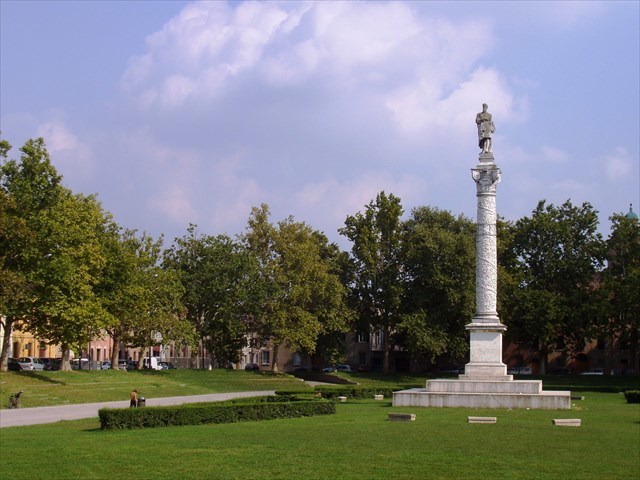 |
3. Piazza Ariostea: (N44°50.480, E011°37.596)
La particolarissima piazza dalla forma ovale e dal piano ribassato, famosa anche per le corse del Palio, è opera dell'architetto Biagio Rossetti. L'intento urbanistico era di dotare la città nuova (la cosiddetta Addizione Erculea) di un suo punto di aggregazione autonomo. La piazza, incorniciata da due palazzi rossettiani con loggiato, veniva anticamente chiamata Piazza Nuova, mentre ora prende il nome dal poeta Ludovico Ariosto, la cui statua è posta al centro su di una colonna.
Osserva la base del monumento ad Ariosto, cercare l'iscrizione sul lato est. L'ultimo rigo?
Risposta C = _._._._.
|
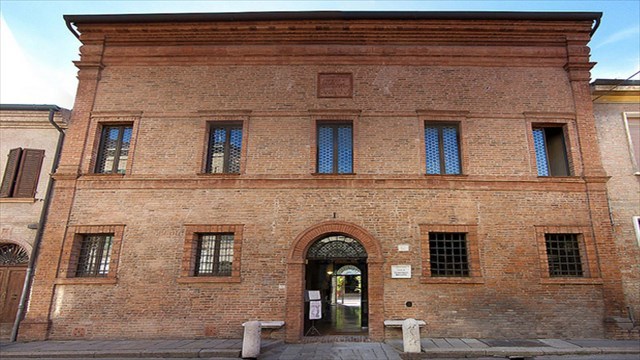 |
4. Casa di Ludovico Ariosto: (N44°50.660, E011°37.016)
L’abitazione, realizzata probabilmente su disegno di Girolamo da Carpi, presenta una facciata semplice ma elegante in mattoni a vista. All'interno nel piano nobile è sistemato un piccolo museo dedicato al grande poeta. Sul retro della casa si trova un giardino creato all’epoca del poeta, oggi utilizzato per concerti ed iniziative temporanee. Qui il poeta trascorse i suoi ultimi anni di vita, mentre terminava l'Orlando Furioso pubblicato in edizione definitiva nel 1532.
Orari di apertura (ingresso gratuito):
martedì - domenica: 10.00 - 12.30 | 16.00 - 18.00
Saliti al primo piano, l’ultima stanza a sinistra verso il giardino viene individuata come lo studio del grande poeta: qui si trova la “sedia di Ludovico Ariosto” risalente al XVI secolo. Da chi fu donata?
Risposta D = _ _ _ _ _ _ _ _ _ _ _ _ _ _ _ _ _ _
Nella stanza di destra, in una delle vetrine, c'è un'urna contenente la falange del pollice destro di Ariosto.
Quanto è lunga la falange in mm?
Risposta E = _ _
|
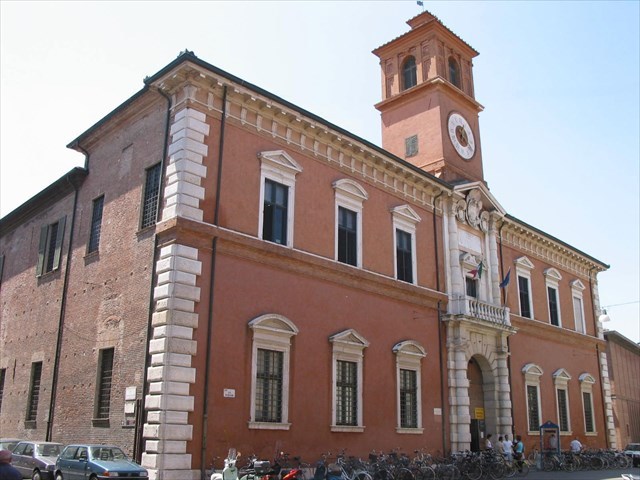 |
5. Biblioteca Ariostea: (N44°49.980, E11°37.300)
Il Palazzo Paradiso è sede della biblioteca storica di Ferrara. Esso venne fatto erigere nel 1391 da Alberto V d'Este in occasione del suo matrimonio con Giovanna de Roberti e venne decorato, con scene della vita di corte e motivi tratti dai romanzi cavallereschi. Nel 1801 le spoglie di Ludovico Ariosto vennero trasportate dalla chiesa di San Benedetto (N44°50.583, E011°36.893) all’interno della biblioteca, assieme al monumento funebre in suo onore.
Orari di apertura (ingresso gratuito):
lunedì - venerdì: 9.00 - 19.00
sabato: 9.00 - 13.00
Visitate le sale al primo piano.
Sala Ariosto: vi trovate la tomba di Ariosto, sulla base c'è un'iscrizione in latino con una data in numeri romani.
Qual è la data?
Risposta F = AD. _ _ _ ID. _ _ N.A. _ _ _ _ _ _
A destra della tomba c'è un armadio contenete cimeli di un altro noto personaggio, sulla porta vi sono incise le sue iniziali. Quali sono le iniziali?
Risposta G = _ _
Sala Riminaldi: ci sono dei mappamondi al centro della sala. Quanti sono i mappamondi?
Risposta H = _
|
 |
English: |
This multi-virtual cache leads you to the main places frequented by Ariosto or dedicated to the poet. As for October 2017, Stage 4 and Stage 5 have free entrance, plan your visit based on opening hours. The tour is about 4 km long.
The posted coordinates bring you to the Este Castle, the heart of the political and cultural life of Ferrara. It became, under the rule of Alfonso I (1505-1534), an extraordinary creative forge. In this period, artists like Dosso Dossi, Michelangelo, Titian worked in the castle, decorating the private apartments of the Duke (the rooms of the so-called "Via Coperta", among whith the "Camerino delle Pitture". Here Ludovico Ariosto read the drafts of the Orlando Furioso to Alfonso.
The Garden of the Oranges in the castle, along with the nearby Duchesse Garden, may have inspired Ariosto in the description of the imaginative gardens we find in the Orlando Furioso (Alcina's garden, Logistilla's garden). Visiting the castle (with an entrance fee) is not necessary for this virtual but warmly recommended because this monument, still the symbol of the city, is extraordinary. You will also be able to better understand the court life that helped Ariosto to write his masterpiece.
From the castle we go to the Cathedral, located in the center of the city, which was one of the beloved destinations of Ariosto's walks. In front of St. George's Cathedral, Ariosto found more than one element of inspiration for his poetry, starting from the façade decorations.
And in front of the cathedral the virtual cache begins.
TO LOG:
Send me the answers of the various stages and do not forget to add a photo of you (it's not mandatory to show your face) or your GPS in the place that you liked most. Logs without answers and/or photo will be deleted.
|
1. Volto del Cavallo: (N44°50.155, E011°37.155)
The name "Volto del Cavallo" comes from one of the two large statues that flank the arch, in particular the one of Marquis Niccolò III d'Este riding a horse. The left statue represents Borso d'Este in the act of administering justice. The two statues that we see today are actually bronze copies after that the original ones were demolished in 1796 during the French occupation.
Crossing the arch we are in the Municipal Square, at that time courtyard of the Ducal Palace (now Municipal Palace) where the Este lived.
Ariosto loved this square so much that he wrote that he would die if he did not have the opportunity to walk in this place every day.
Under the statue of Borso you'll find a marble plate where you can read some verses from Satire book. Which Satire and corresponding verses are there?
Answer A = SAT. _ _ _ , _ _ . _ _ _ - _ _ _ .
|
|
2. Hostaria del Chiucchiolino: (N44°50.150 E011°37.215)
The Hostaria del Chiucchiolino (from the dialect word "ciuc", meaning drunk) is the oldest tavern in the world and has been declared a Historic Site of Italy. The first written record dates back to 1435, the year when this tavern was already famous. Among the famous people who visited this place were Benvenuto Cellini, Tiziano Vecellio, Ludovico Ariosto and Torquato Tasso. In the 14th century, the tavern could be reached by boat from what is now Via degli Adelardi, then Via del Gorgadello. Niccolò Copernico studied on the first floor of the building, above the current wine cellar, he graduated in Ferrara in 1503.
Ariosto loved this tavern so much that he mentioned it in several of his works.
Left of the entrance there is a marble plaque with one of these citations, from what book?
Answer B =_ _ _ _
|
|
3. Piazza Ariostea: (N44°50.480, E011°37.596)
The oval and peculiar square, also famous for the Palio races, is the work of the architect Biagio Rossetti. The intention of the city was to equip the new city (the so-called Erculean Addition) of its independent aggregation: The Square. Framed by two palaces with a loggia, it was formerly called New Square, now named after the poet Ludovico Ariosto, whose statue was placed here on a column.
Look for the inscription on the east side at the base of the monument to Ariosto. The last line?
Answer C = _._._._.
|
|
4. Casa di Ludovico Ariosto: (N44°50.660, E011°37.016)
The house, probably built by Girolamo da Carpi, has a simple but elegant brick façade. On the first floor there is a small museum dedicated to Ariosto. At the back of the house there is a garden created in the poet's time, now used for concerts and temporary initiatives. It was here that the poet spent the last years of his life, completing The Frenzy of Orlando in its final edition of 1532.
Opening hours (free entrance):
Tuesday - Sunday: 10.00 - 12.30 | 16.00 - 18.00
On the first floor, the last room on the left, facing the garden, is identified as the studio of the great poet: here you can see the "chair of Ludovico Ariosto" from the 16th century. Who donated it?
Answer D = _ _ _ _ _ _ _ _ _ _ _ _ _ _ _ _ _ _
In the room on the right, in one of the showcases, there is an small urn containing the phalanx of the right thumb of Ariosto. How long is the phalanx in mm?
Answer E = _ _
|
|
5. Biblioteca Ariostea: (N44°49.980, E11°37.300)
Palazzo Paradiso houses the Historical Library of Ferrara. It was built in 1391 by Alberto V d'Este on the occasion of his marriage to Giovanna de Roberti and was decorated with scenes of court life and motifs from chivalric novels. In 1801 the remains of Ludovico Ariosto were transferred from the Church of St. Benedict (N44°50.583, E011°36.893) to the library, together with the funerary monument in his honor.
Opening hours (free entrance):
Monday - Friday: 9.00 - 19.00
Saturday: 9.00 - 13.00
Visit the rooms on the first floor.
Ariosto's Room: You see the tomb of Ariosto, on the base there is a latin inscription with a date in Roman numerals.
What's the date?
Answer F = AD. _ _ _ ID. _ _ N.A. _ _ _ _ _ _
On the right side of the tomb there is a closet containing memorabilia of another well-known character, on the door there are engraved its initials. What are the initials?
Answer G = _ _
Riminaldi's Room: in the center of the room there are some globes. How many globes?
Answer H = _
|
Virtual Reward - 2017/2018
Questo cache fa parte di un numero limitato di cache virtuali pubblicati tra il 24 agosto 2017 e il 24 agosto 2018. Solo 4.000 proprietari di cache hanno avuto la possibilità di nascondere un cache virtuale. Maggiori informazioni su questa promozione le trovi nel Blog di Geocaching.
|
Virtual Reward - 2017/2018
This Virtual Cache is part of a limited release of Virtuals created between August 24, 2017 and August 24, 2018. Only 4,000 cache owners were given the opportunity to hide a Virtual Cache. Learn more about Virtual Rewards on the Geocaching Blog.
|
