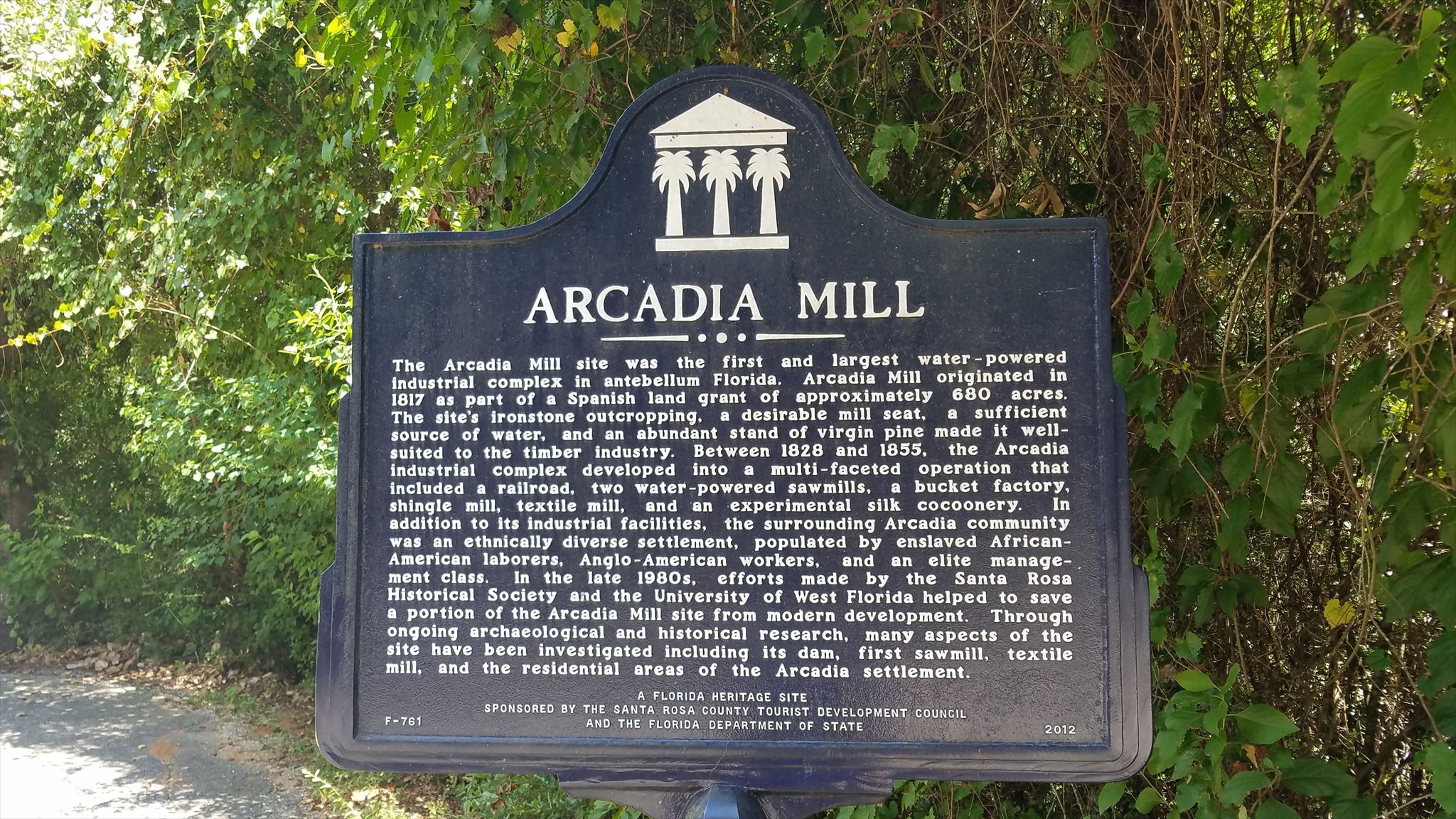
 Figure 1: Florida Heritage Site Marker
|
Operation Hours Visitor Center/Museum:
Tuesday through Saturday , 10 a.m. to 4 p.m, Except major holidays.
Site Grounds: Open year-round, from sunrise to sunset.
Geocache Availability: Year-round, from sunrise to sunset
Tours: Walk-up public tours are available during business hours, Tuesday- Saturday 10 a.m. to 4 p.m. (last tour leaves at 3:15 p.m.) Scheduled tours require advance notice to be confirmed and to be scheduled with the site staff.
Fees
Admission to the Visitor's Center, Museum and site grounds is FREE.
Scheduled group and school tours are subject to a guide fee.
Pet Friendly
The outdoor facilities at Arcadia Mill are pet-friendly, but visitors must observe the leash law and have their animals on a leash at all times. We also ask that you clean up after your pets! Only assistance animals are permitted to enter the Visitor's Center and Museum.
Accessibility
All the answers to the questions may be found on the boardwalk and bridge which is rated ADA accessible
For more information, visit the UWF Historic Trust website @ http://historicpensacola.org/explore-arcadia-mill/
|
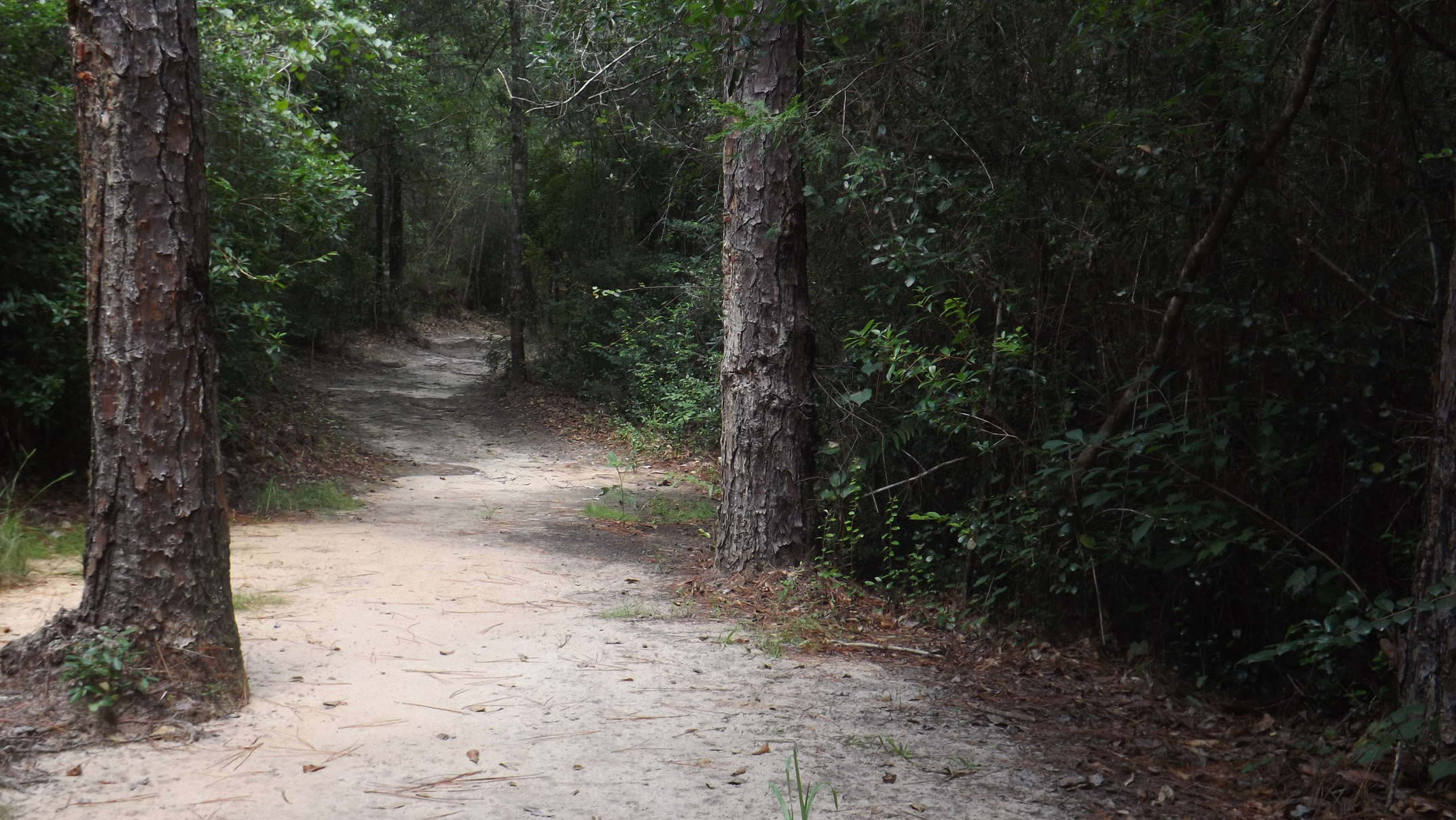 Figure 2: Nature Trail on the Arcadia Settlement
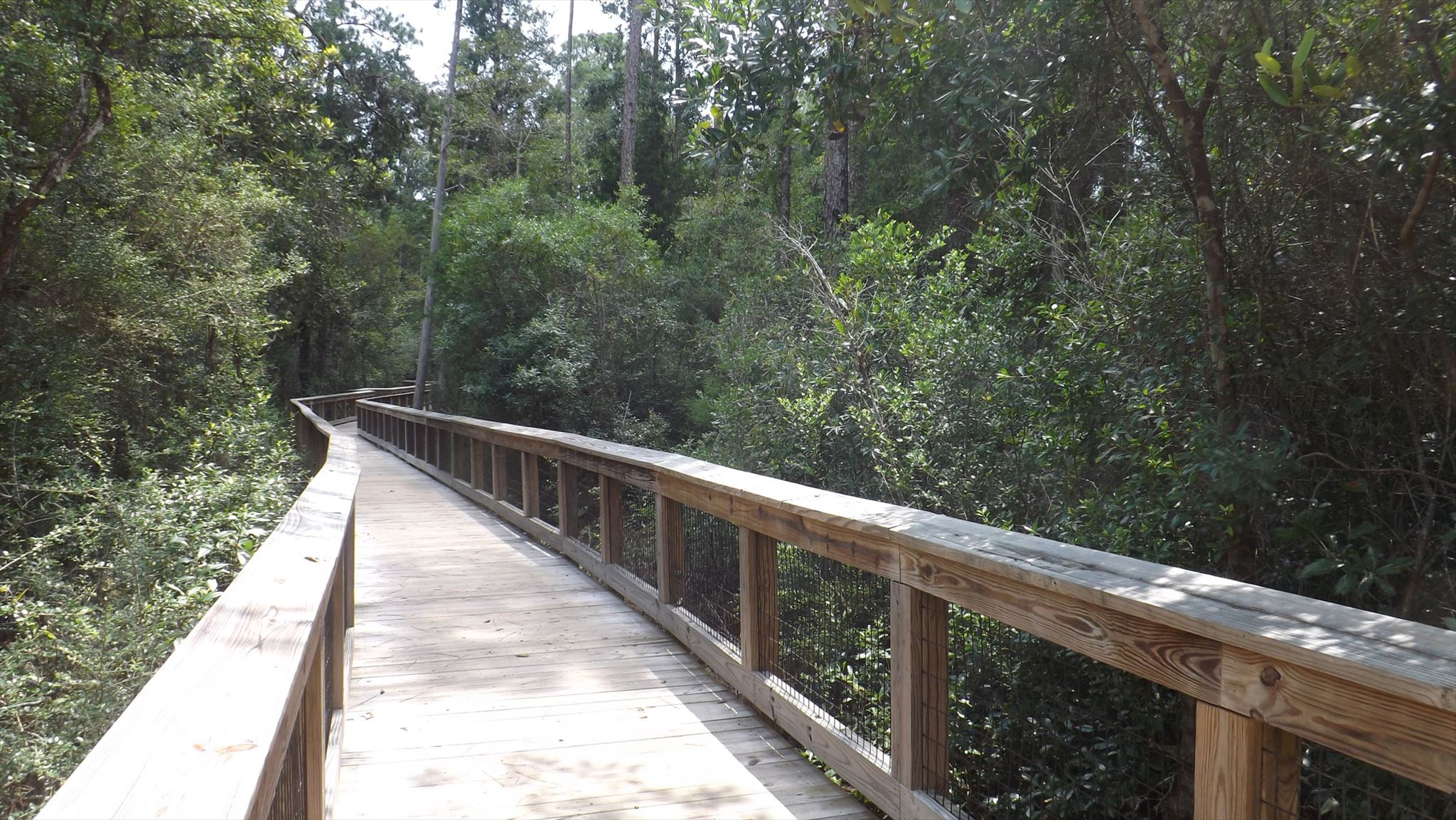 Figure 3: The Boardwalk
Arcadia Mill Overview
The former Arcadia settlement was set among the pine forests of what is now Santa Rosa County, Florida. The 43 acre property is a historical and archaeological site with a diverse history that stretches back approximately 200 years.
History of Arcadia Mill
Arcadia is the site of the first and largest antebellum industrial complex in Florida. The multifaceted operation included a sawmill, a lumber mill with planing and lathing machines, the Arcadia Pail Factory, a shingle mill, textile mill, an experimental silk operation, and one of the first railroads chartered in territorial Florida. Arcadia also included a thriving industrial village of mixed ethnicity included enslaved African Americans, Anglo-American laborers, and high –status Anglo-American managers. The site’s historical significance extends beyond its antebellum roots including a few small Civil War skirmishes, the Arcadia Farm period during the late 19th to early 20th century, and the historic preservation movement that protected the site during the 1960s.
Arcadia originated as a Spanish land grant given to Juan de la Rua in 1817. Over the next eleven years, he partially cleared the property and quarried some of the valuable sandstone that naturally occurs on site. Research suggests that Rua did not develop the land or build any mill facilities. After becoming involved in Pensacola politics and the brick industry, Rua sold the land grant to Joseph Forsyth in 1828 for $400.00.
Upon purchasing the land grant, Forsyth, a Pensacola merchant and shipper, began his industrial endeavor by quarrying the sandstone to build the Pensacola Wharf. By 1829, a sawmill was under construction along Pond Creek. In 1830, Forsyth sold the northeast quarter of the land grant to Timothy Twitchell for $121.00. Twitchell developed his portion of the parcel to include a sawmill, shingle mill, the Arcadia Pail Factory, and an experimental silk cocoonery.
Also in 1830, Forsyth partnered with Andrew and Ezekiel Simpson, brothers with significant mill experience from their father’s sawmill Woodbine. The Simpson brothers provided mill knowledge and capital to the Arcadia operation. The firm of Forsyth and Simpson began to build an extensive mill complex including a 1,400 ft. dam, a system of millraces, and a 60-acre mill pond. In thick yellow pine forests, lumbermen were busy harvesting pine, juniper, and cypress for the mills. The loggers, armed with axes and crosscut saws, felled giant trees that stretched upwards of 70 ft. to the first limb. Once down, the trees were trimmed, placed on oxcarts and transported to the log flume to be moved down to the Arcadia mill pond.
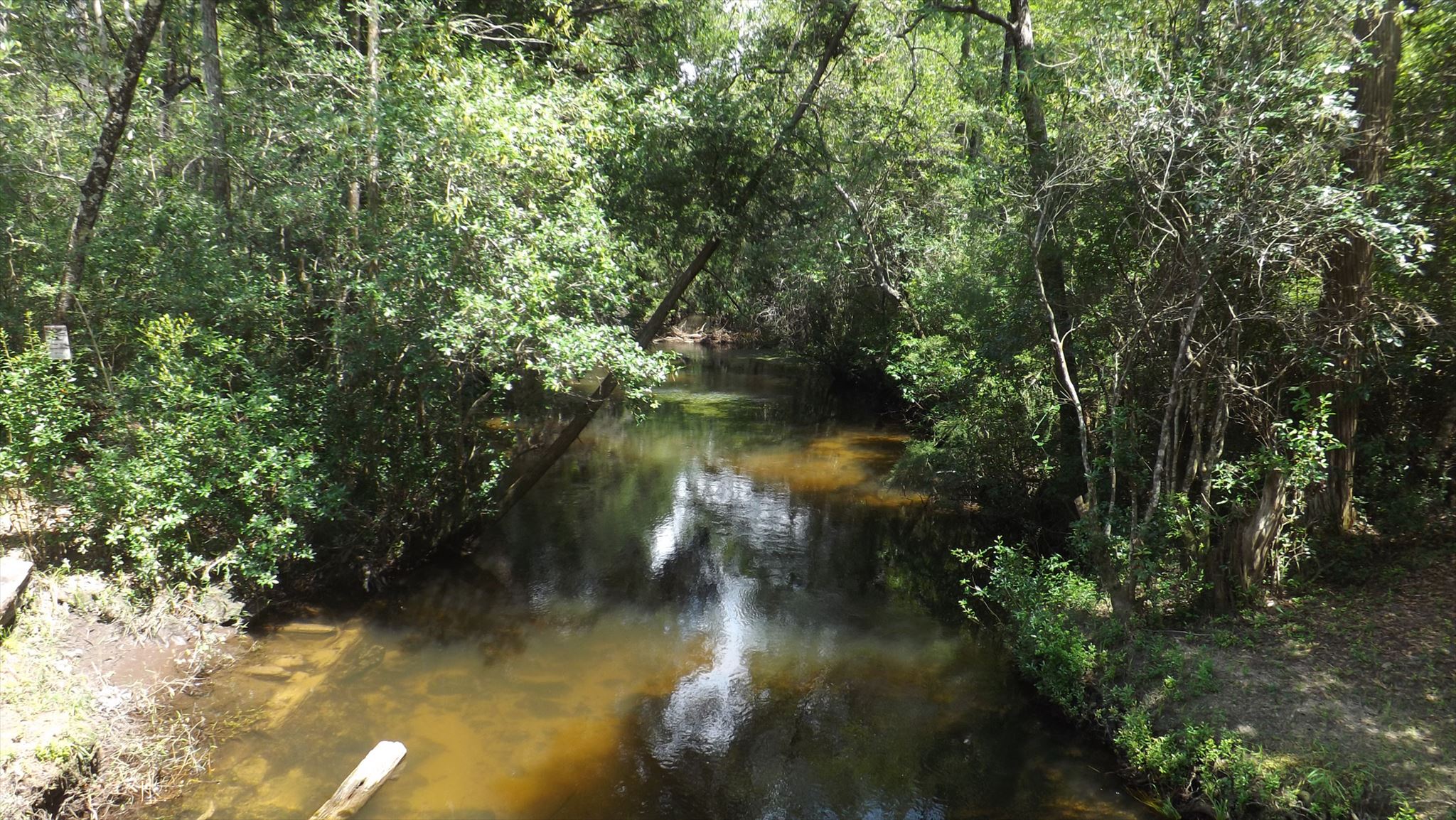 Figure 4: View of a section of one of the many hand constructed log flumes
The lumber business at Arcadia flourished, yet Forsyth and Simpson looked for new ways to expand the operation and address transportation issues. Arcadia was located three miles from Blackwater River, the main shipping channel. During the first few years, products were hauled by barge or wagon, which proved to be slow and inefficient. In 1835, both the Pond Creek and Blackwater River Canal Company and the Escambia Manufacturing Company were formed. The manufacturing company was the first attempt to establish a textile mill at Arcadia. In 1838, canal construction ceased and a small railroad was built instead. The Arcadia Railroad Company produced one of first railroads in territorial Florida. Around this time, Ezekiel Simpson built an impressive Louisiana-style home at Arcadia that is subject of ongoing archaeological and historical research.
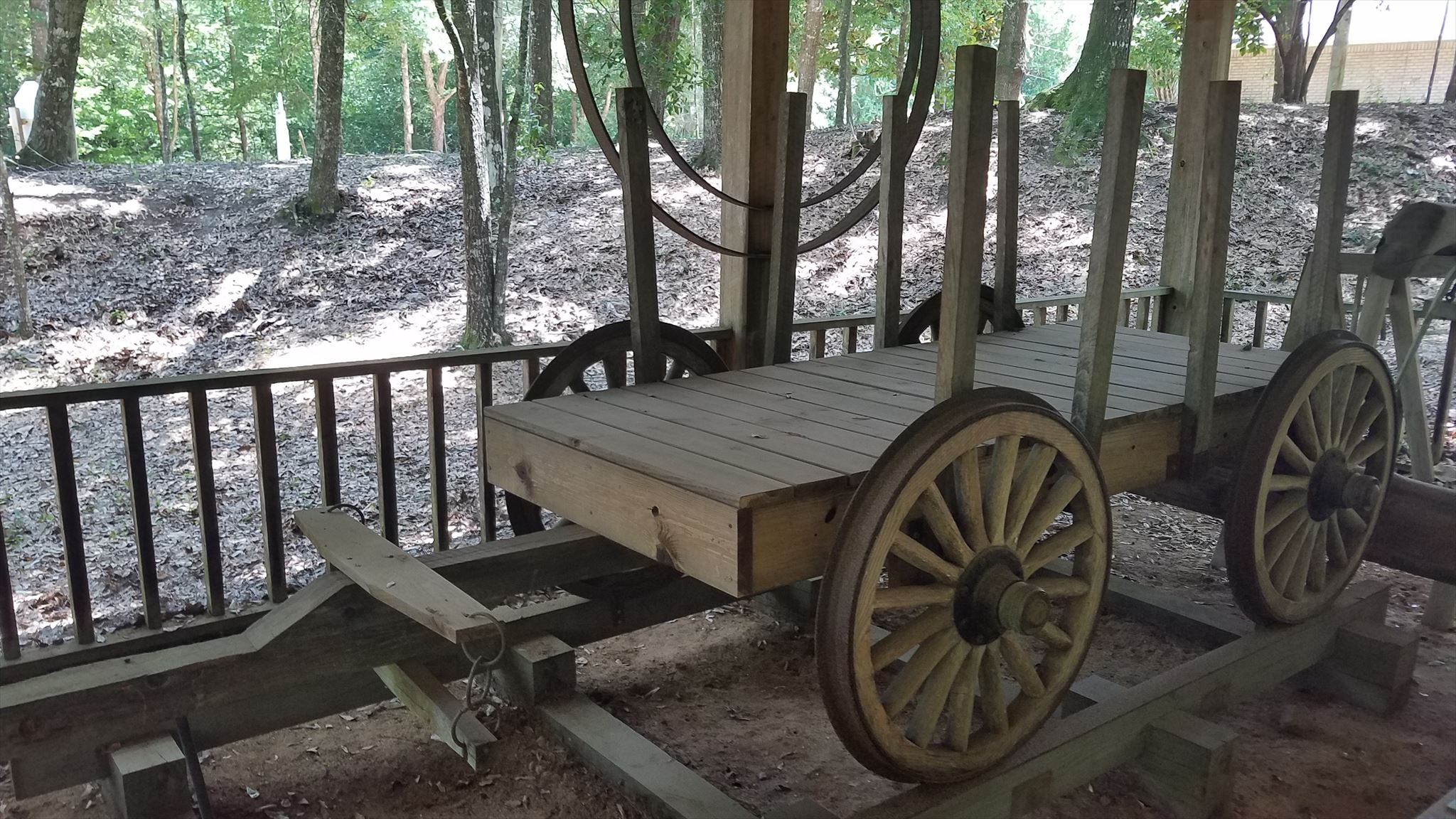 Figure 5: Wooden Rail Cart (Circa 1840s)
The solution to Arcadia’s transportation woes came with the successful adaption of the steam engine to lumber milling. In 1840, Forsyth and Simpson relocated their lumber mills to the Blackwater River, establishing the town of Bagdad. With the exception of Twitchell’s operation, Arcadia was dormant for nearly five years until Forsyth and Simpson revived the plan for a textile mill. In 1845, the Escambia Manufacturing Company was renamed the Arcadia Manufacturing Company. By September, a two story brick textile mill was constructed which ran 960 spindles and 24 looms. The mill was initially operated by 40 young female, African American slaves that were purchased in Virginia.
By 1848, textile production reached 6,000 yards of cloth weekly while consuming 1,000 pounds of cotton daily. By 1849, the enslaved workforce at Arcadia had increased to approximately 100 laborers who were manufacturing 7,800 yards of cloth per week. The Arcadia textile mill operated until 1855 when the mill burned just a few months after the death of Joseph Forsyth. The remaining stockholders chose not to rebuild the mill and placed the land up for sale in 1856. The sale attracted no buyers and the land eventually passed into the Simpson family.
During the Civil War, Arcadia was the site of several small skirmishes and the Simpson house was used as a Confederate outpost. Following Reconstruction in the 1880s, Charles Elliott was contracted to recover second growth timber in the Pond Creek Valley. Elliott cleaned out the 16-mile log flume at Arcadia and extended it eastward to Bagdad. The work of Charles Elliott was the last attempt of industrial expansion at Arcadia Mill. During the late 19th and early 20th centuries, the Simpson homestead operated as Arcadia Farm. Ezekiel’s son, Charles H., ran a successful farm operation that included modern waterworks, breeding birds, and livestock.
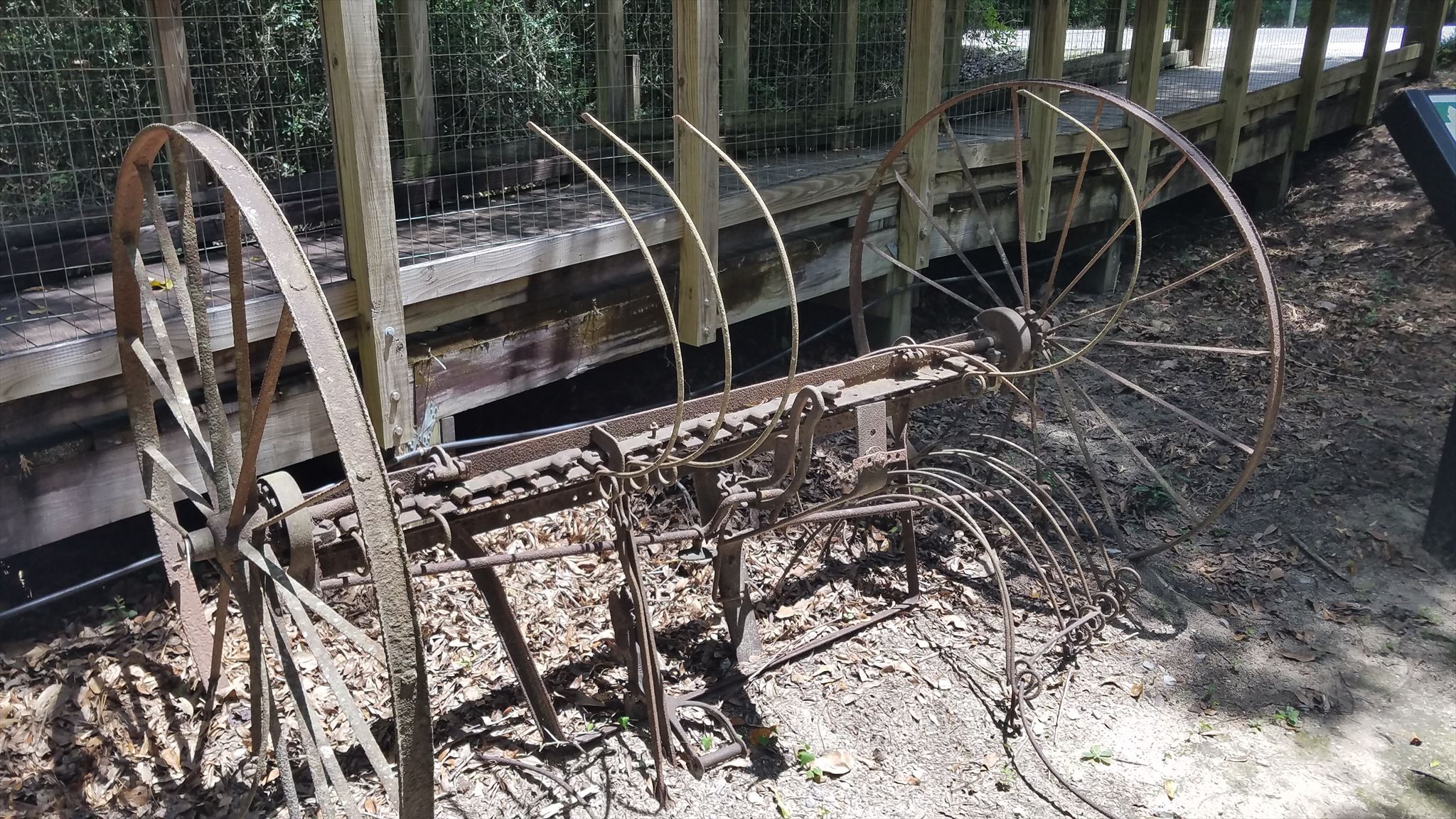 Figure 6: Horse-Drawn Hay Rake used during the Early 20th Century
The industrial complex was relatively dormant until a local historian, Warren Weekes, generated awareness of protecting the site from residential development. In the 1980s, the Santa Rosa Historical Society acquired 34 acres of the original land grant and in 1987, the site was placed on the National Register of Historic Places. In 2004, the Santa Rosa Historical Society donated the property to the University of West Florida (UWF) to function as a public, historical site. Archaeological research has been ongoing since 1988, with the most recent work focusing on the diverse community of enslaved African American laborers and Anglo-American managers. Today, the University of West Florida owns 43 acres that are managed by the UWF Historic Trust.
|
To claim this Virtual Geocache, briefly answer the questions found below. Unverified "Found Its" may be removed.
Send your answers in a message directly to the CO (link above).
Please, do not put *spoilers* or answers in your logs or notes.
1) (Discovery Pavilion) What native resource is the water pipe constructed from and why?
2) (Plunge Pool) What is a plunge pool and what was this one made of?
3) (Arcadia Dam) What is the name of the construction that filtered out water-borne debris before entering the sluice?
4) (Twitchell's Flume) What is a flume and why did Twitchell construct this flume?
*) As always a photo of you and/or your crew somewhere at the site is appreciated, but not necessary. Please be careful to not give away any of the answers to the questions.
**) If you enjoyed this geocache and would like more like this, please consider adding it to your FAVORITES so others can find it easier and I can keep bringing these to you. Thanks for Playing and Have fun!
|
Placed in accordance to the guidelines set forth by:
Special Thanks to the following:
Permission for this geocache and historical text provided by:
Adrianne S. Walker, M.A., RPA
Site Manager, Arcadia Mill Archaeological Site
Staff Archaeologist & Faculty Research Associate, UWF Historic Trust
Permission for background image and other low-resolution photographs provided by:
Tyrbuntu Designs
Headers, icons, and other trivial graphics used in accordance with the fair use doctrine as outlined in Title 17 U.S.C. Section 107
 |
Virtual Reward - 2017/2018
This Virtual Cache is part of a limited release of Virtuals created between August 24, 2017 and August 24, 2018. Only 4,000 cache owners were given the opportunity to hide a Virtual Cache. Learn more about Virtual Rewards on the Geocaching Blog.
|