
Welcome to the GEO-EYE SERIES!
This series consists of 45 puzzle caches. We incorporated various difficulty levels. All the caches that form the PUPIL of the eye (P1 to P6) will be the harder ones. The IRIS caches (I01 to I16) will be of intermediate difficulty, and the EYE outline (E01 to E23) will be easy ones.
And then to collect the smilies, we recommend high clearance vehicles. Especially during the rainy season, as the roads can get very muddy. But then again, that is part of all the fun!
Each puzzle will start with an eye fact, followed by the puzzle. There might be clues hidden in the eye fact :-)
EYE FACT
The sun releases energy (radiation) in many forms. The sunlight we see is one form. The heat we feel from the sun is another. Ultraviolet (UV) rays, a third type, are also invisible to the eye. UV rays cause sunburn. They can also damage your eyes and hurt your vision.
There are two types of UV rays: UV-A and UV-B. Over time, the effects of UV rays may help cause a number of eye problems.
UV-A
can hurt your central vision. It can damage the macula, a part of the retina at the back of your eye.
UV-B
The front part of your eye (the cornea and the lens) absorbs most UV-B rays, but these rays may cause even more damage to your eyes than UV-A rays.
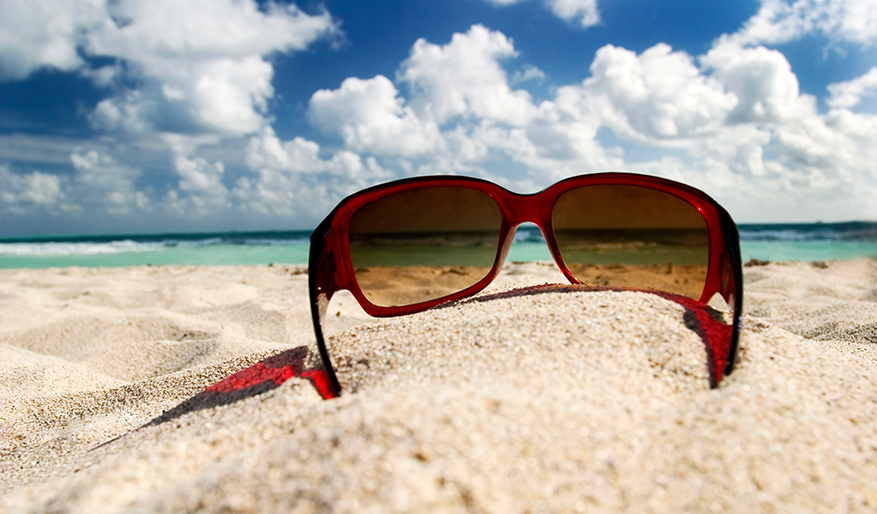
What Eye Problems Can UV Rays Cause?
Macular Degeneration
UV rays may lead to macular degeneration, a leading cause of vision loss for older Americans.
Cataract
UV rays, especially UV-B rays, may also cause some kinds of cataracts. A cataract is a clouding of the eye’s natural lens, the part of the eye that focuses the light we see.
Pterygium
Another UV-related problem is a growth called pterygium. This growth begins on the white of the eye and may involve the cornea. Eventually, the growth may block vision. It is more common in people who work outside in the sun and wind.
Skin Cancer
Skin cancer around the eyelids is also linked to prolonged UV exposure.
Corneal Sunburn
Corneal sunburn, called photokeratitis, is the result of high short-term exposure to UV-B rays. Long hours at the beach or skiing without proper eye protection can cause this problem. It can be very painful and may cause temporary vision loss.
*The cache is not at the posted coordinates. You will have to solve the puzzle in order to obtain the final coordinates*


You can validate your puzzle solution with certitude.
