Southeast Asia's mangrove forests can do something very special. They store five times as much coal as other tropical forests.
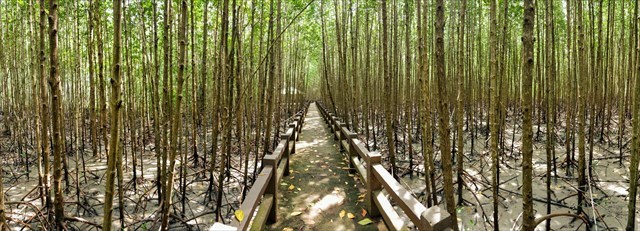
The mangroves forests in Southeast Asia show that they store five times as much coal per square kilometer as other tropical forests. Therefore, the felling of mangrove forest is a greater climatic threat than the clearance of other tropical forests.
Eighty-five percent of the coal is underground and consists of dead animals, plants and other organic matter, which comes with the water and is retained by the mangrove roots.
When these coal stores are broken down by bacteria and converted to carbon dioxide, the greenhouse gas does not escape into the atmosphere, as the fast-growing mangrove can pick it up. According to researchers estimates, mangrove forest accounts for less than one percent of the forest in the tropics, but the mangrove forest fires up to 10 percent of all carbon dioxide released due to harvesting of forests all over the world.
Therefore, focus on conservation of tropical mangrove forests can be very important for the purpose of preventing climate change caused by the greenhouse effect.
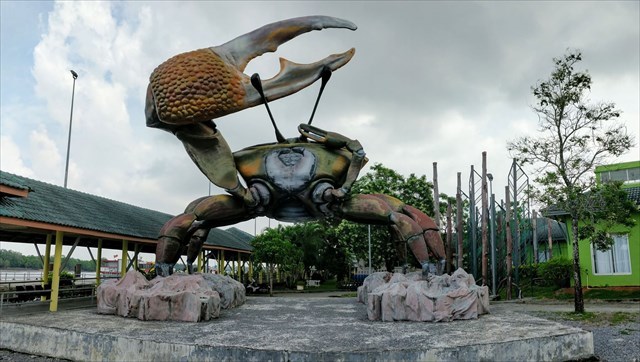
Mangrove Boardwalk :
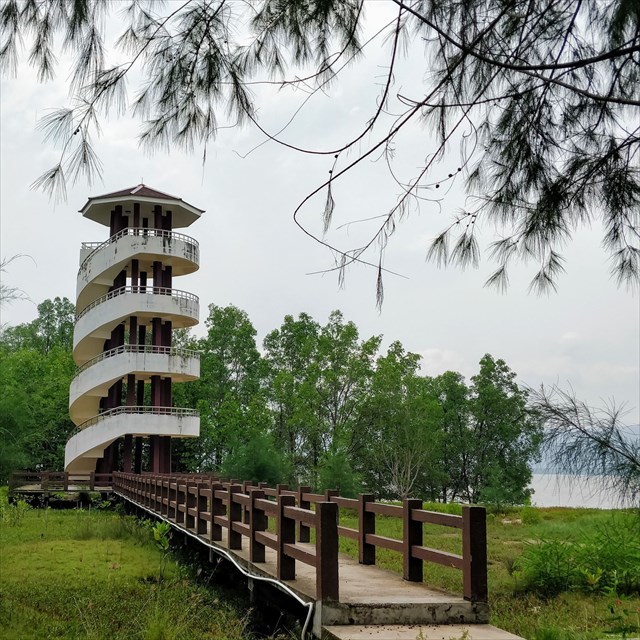
A mangrove boardwalk is the best way of getting into the large amount of habitat here. The trail starts at a shelter which is accessed from the car park of the ferry terminal, at the southern end of the terminal, close to the sea.
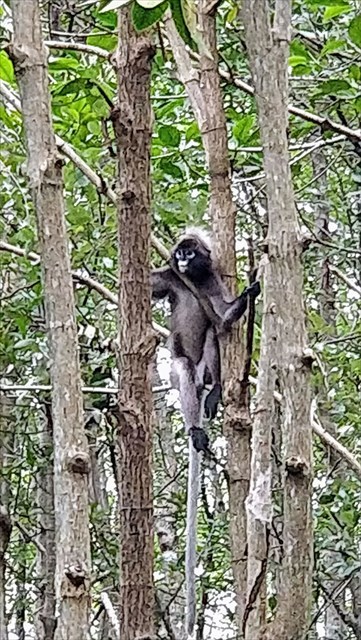
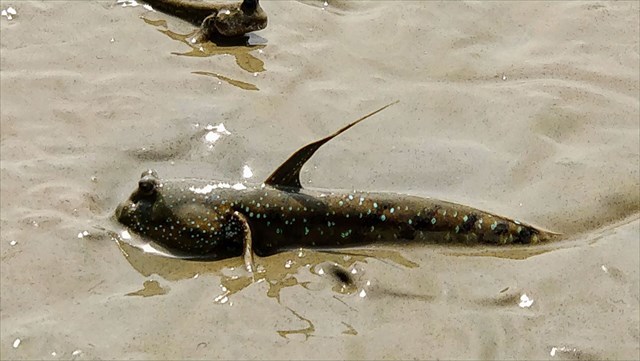
Here is a good place to see a lots of different animals. Fish as mudskipper, crabs, a lots of birds and even monkeys.
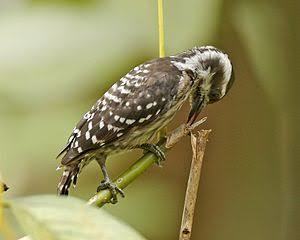
For bird watchers based in Thailand, the mangroves at Satun are home to one species which is currently known from nowhere else in the country: Sunda Pygmy Woodpecker. However, there is more to interest bird watchers than just this one species as the mangroves here are rather richer in birdlife than many others in Thailand.
Copper-throated Sunbird is a very colourful species which is difficult to find in most of Thailand but is relatively common at this site, with dazzling colours as the light hits the male.