Coke is a charcoal-like substance created from coal. The soft, crumbly, low-sulfur coal extracted from this valley was ideal for processing coke. Coke was and still remains an essential fuel for blast furnaces in our nations steel mills.
Around 1892, more than 400 coke furnaces were in operation at this site. To turn coal into coke, crews loaded freshly mined coal into heavy, brick-lined ovens and baked it for days. As the coal heated, it went through four distinct stages of chemical transformation: sweating, gassing, and striking, and then igniting into a blaze.
Throughout the burning process, smoke poured from the ovens-first pale blue, then white, then brownish-yellow, and finally a deep black. When the smoke stopped, the coal's impurities had been completely burned off and transformed into red-hot coke.
A team of men worked to transform coal into coke. The charger lit the fire, the leveler leveled the coal inside the oven, and the dauber bricked up the oven door leaving only a crack for air at the top. When the coking process was completed, a quencher sprayed water on the fire, and a drawer or coke puller scraped the coke out of the oven and onto the ground.
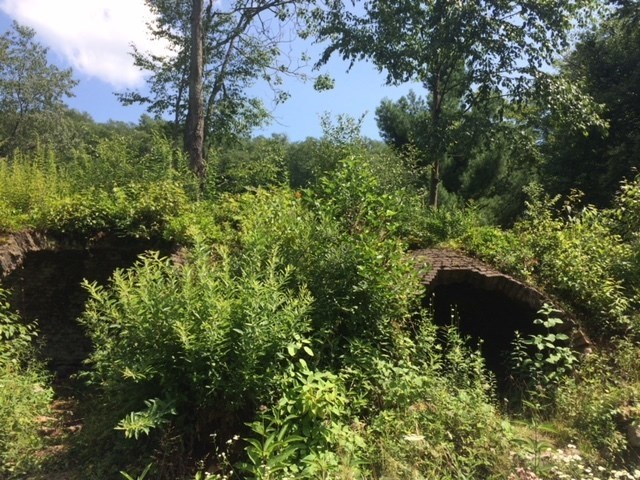
Besides the remains of several coke ovens you see at ground zero, there are more on the back side of these ovens and even more across the road. Please take some time to read the signs at ground zero, explore around the site and message the answers to the following questions and observations to the cache owner to receive credit for this earth cache.
1) What made the coal extracted from this area ideal for processing into coke?
2) When burning in the ovens, what are the four distinct stages of chemical transformation the coal goes through?
3) Estimate the approximate width and height of the furnace openings.
4) From your own observations of the area, explain the layout of the ovens with respect to the railroad that used to run through this valley.
BONUS: Photos not required but certainly appreciated.
The gravel drive to the cache is a little rutted out in places, but take it easy and you should be able to get there without any problems. Parking is available at the cache site. There are a few good traditional caches in this area to check out while you are here. I hope you enjoy this Earthcache.