
 Rules for this puzzle: No intentional red herrings, no oddball (fishiness) methods of presenting coordinates (UTM, for example, or also having coordinates read backwards), and no leaving off the N32 and W97 just to make it more difficult. There may be more than one layer on this puzzle. Collaboration is allowed and you may ask me for hints after there has been a FTF.
Ok, I have a love/hate relationship with steganography (not to be confused with stenography - a court reporter). For the purposes of this puzzle I'm calling any type of picture manipulation, in order to hide coordinates, steganography.
First off, and although it isn’t 100% true, if you see a difficult puzzle with a prominent picture on the cache page that is linked to an external website, it is possible it could be stego. If a picture is linked externally it is possible the picture may have some hidden data in it (because the upload process to GC.com will sometimes strip out that data; however, it can also mean the CO was lazy and didn't bother uploading the picture directly to GC.com and just linked to an external picture).
Stego can be done in many ways...
- Text can be hidden in a picture using a slightly different color - when looking at the picture you might not even be able to tell; however, a flood fill can sometimes assist with uncovering the hidden info. I find this hidden text decoder to be useful in uncovering that type of stego.
- Text can be hidden in the Metadata or Exif of a picture (think author, camera type, location picture was taken). I find this Exif decoder to be useful in viewing that type of information.
- Text, or a completely separate file can be hidden inside the contents of a picture. This is generally password protected. I prefer to use Geocaching Toolbox when hiding password protected stego.
- Somteimes the coordinates can be hidden in a single frame of an animated picture. I find EZ Gif to be really friendly for viewing the individual slides of an animated picture.
- I also like to classify Stareograms (or Magic Eye pictures) as stego. If you have difficulty visually inspecting a stareogram, then I suggest the Magic Eye Decoder - it will do the hard work for you.
- Text can also be concatenated to the end of image data file itself. Doing this doesn't usually alter the image, and it is easily done using command prompt merge commands in DOS (if you don't know what that is, it isn't terribly important). Uncovering this type of stego is fairly easy. All you need to do is open the picture in a text editor (notepad, Microsoft Word, etc). Typically, information hidden in this way will either be at the top or the bottom of the file (at the edges of all the random garbage looking stuff in the middle) and will be in plain text. It is possible to hide it in the middle of a file, but I rarely see this done.
So, I don't normally recommend using unusual methods of presenting coordinates, but I happen to like What3Words. If you are not familiar with What3Words, it is a method of coordinate representation that uses three simple words linked together. For example, the Statue of Libery is located at darker.highs.pans (each word is separated by a period). There are a variety of websites which will do this conversion, but I suggest using the Geocaching Toolbox version
I've hidden three segments of a W3W address in the below picture. Each segment is hidden using one of the above listed techniques.
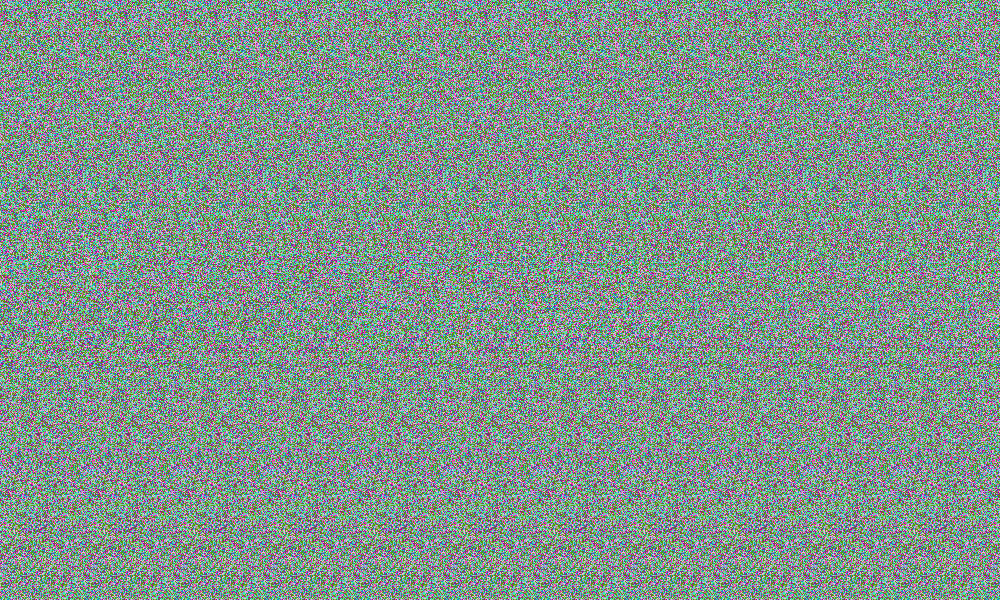
Puzzle Solving Tools - If I don't discuss a particular tool below in the paragraphs above, you may assume I did not use it for this puzzle; however, it may be useful for puzzles of similar style.

You can validate your puzzle solution with certitude.
A NOTE TO PUZZLE COs: Stego can be a dangerous beast. Most password encoded stego can only be decoded by using the same software. For this reason, I suggest using the version on geocachingtoolbox.com if you elect to go that particular route (many of the other stego utilities out there are located on unscrupulous websites that may, or may not, contain a virus).