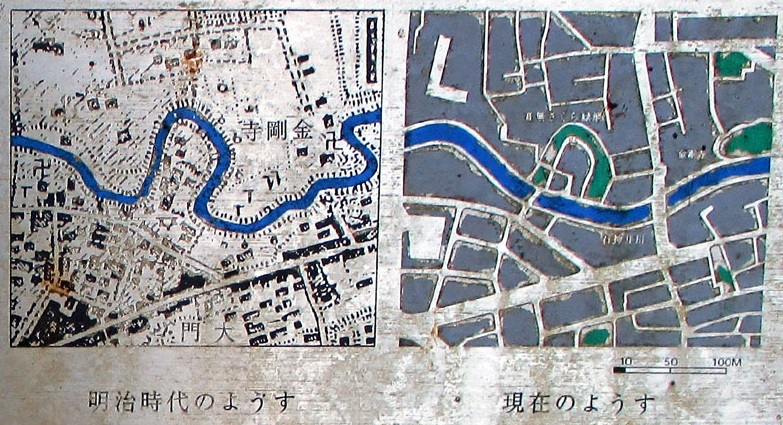
音無さくら緑地は、石神井川が大きく蛇行していた旧川を遊歩道として利用した緑地です。川の蛇行による浸食が最も大きかった部分(攻撃斜面)が、今日でも自然露頭として残っています。明治13年(1880年)、当時東京大学に地質学・古生物学の教授としてドイツから来日していたダーフィト・ブラウンスは、ここで貝殻の化石を採集しました。赤い酸化鉄に染まった砂質粘土の地層に貝殻の化石が見られるかもしれません。
このアースキャッシュのfoundログをつけるためのタスクは、以下のとおりです。
タスク1.以下の問題の答えをキャッシュオーナーにメッセージで送ってください。
Q1. 攻撃斜面は、蛇行している川の外側・内側のどちらにできるでしょうか?
Q2. ここは東京湾から10 km以上離れていますが、貝殻の化石が発見されたのはなぜでしょうか?
タスク2.公開座標付近であなた又はあなたのGPSrの写真を撮って、ログにアップロードしてください。
===== English =====
The Otonashi Sakura Green Space is a promenade created by utilizing the old Shakujii River, which was meandering largely. The part where the erosion due to meandering of the river was the largest (undercut slope) remains as a natural outcrop even today. In 1880, David Brauns, who had been from Germany as a professor of geology and paleontology in the University of Tokyo, discovered shell fossils here. You may see shell fossils in the strata of sandy clay stained with red iron oxide.
Tasks for logging “found” on this EarthCache are as follows:
Task 1. Please geo-message your answers for the two questions below to cache owner.
Q1. Which side of the undercut slope can be on the outside or the inside of the meandering river?
Q2. This place is more than 10 km away from Tokyo Bay, but why were shell fossils discovered?
Task 2. Upload pictures of yourself and/or your GPSr near the posted coordinates.