Hopefully you should find yourself on the Outer Circle just outside the Regent's Park. Nearby you should be able to make out the 1964 grade-I listed brutalist HQ of the 500-year-old Royal College of Physicians, surrounded by its celebrated physic garden.

The garden contains over 1,100 plants and flowers, all with links to medicine. The myriad stories they tell come from diverse cultures, different countries and from every age in recorded history. Many of the labeled specimens can be admired from the pavement.
Whatever one's views of brutalist architecture, the interior of the building is splendid, housing as it does the College's museum and library. The museum and garden are open to the public and free to visit.
But in front of you, you will see the attractive Victorian splendour of Cambridge Gate (3 bed flats go for about £10million). You may notice that not only is this hugely contrasting to the Royal College of Physicians' building but also architecturally different to the other Georgian Nash terraces further up the road. This is because until 1874 here stood the Pantheon-inspired London Colosseum.
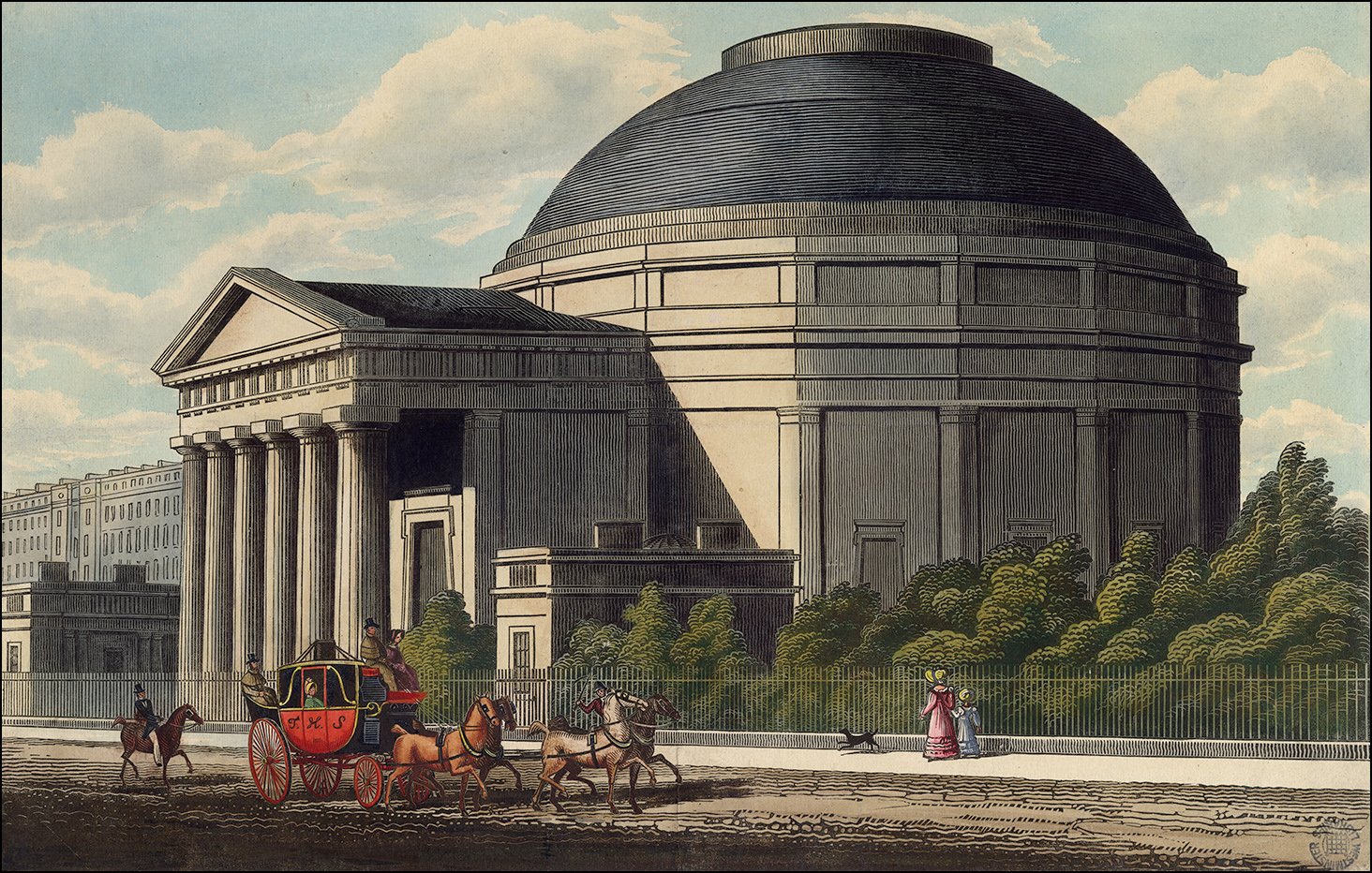
This was built in 1825 to house the London Panorama by Thomas Hornor, the largest painting ever created, totalling some 40,000 square feet of canvas. It was so large that a special system of lifts, gantries and mobile platforms suspended by pullies had to be constructed in order to create it.
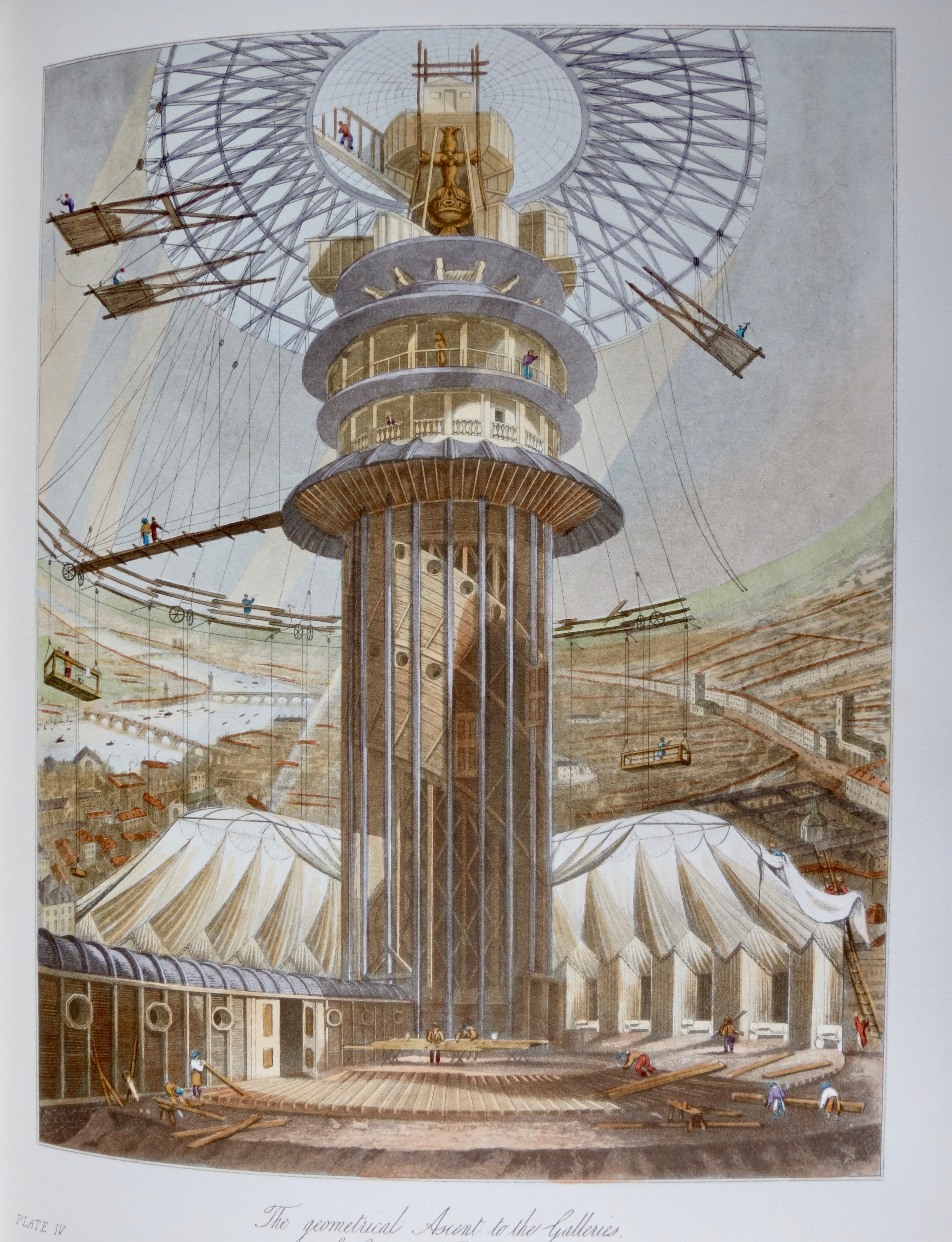
Although an artistic and engineering marvel, it was not a financial success and Horne and his main financial backer fled to America. The panorama was sold some 20 years later and building used for other artistic endeavours including Swiss waterfalls, a stalactite cavern and other panoramas. It was finally sold and demolished in 1874.
Now the only reminders of this grand structure at ground level are Colosseum Terrace on nearby Albany Street - and this magnetic nano cache, which is to be replaced as you carefully find it. And note, there is no need to leave the public pavement.