This EarthCache, takes you to look at the stone benches on The Moor in Sheffield. The co-ords take you to the area, then do like I did, and explore the benches. The benches are made out of limestone, now there is another EarthCache in the town which talks about limestone, so we are not going to replay the record here, we are here to look at fossils.
So what are fossils? Well fossils are a trace or record of a prior lifeform, be it an animal or a bird, you can also get a fossil trace of the evidence that an animal left on the ground. These are known as trace fossils, but we are not here to look or find those. The fossils that you can see in the benches were once sea creatures in a shallow tropical sea. it may be a bit difficult to believe that when you are stood here on a wet cold Sheffield day.
So what type of sea creatures could be found in a shallow tropical sea?
CRINOIDS
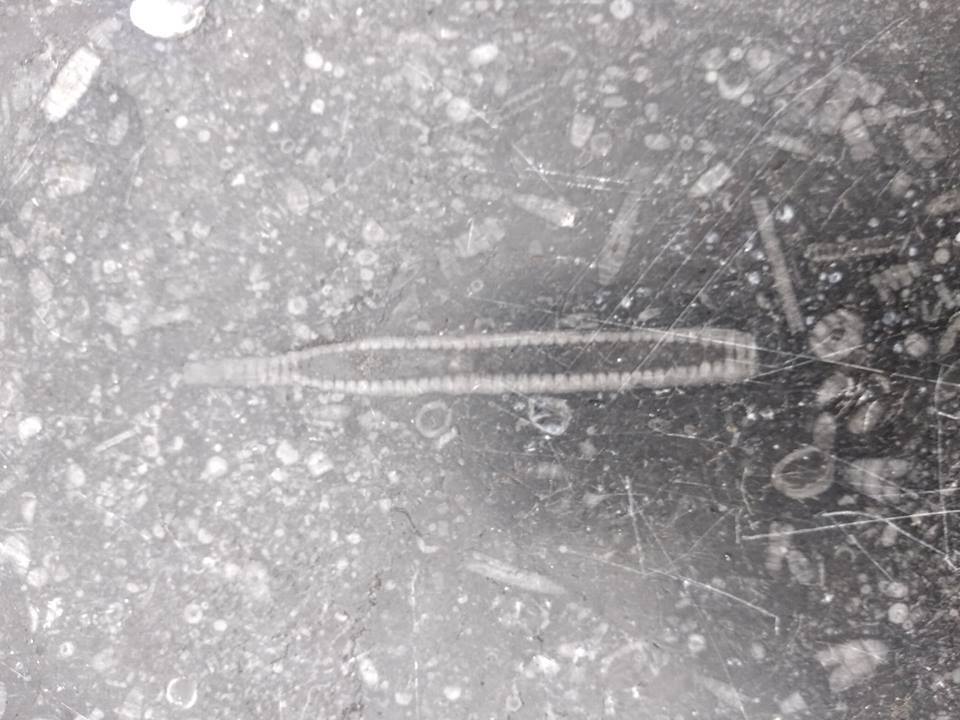
Crinoids live in the sea. Their name is derived from krinoeides (Greek) which means 'like a lily'. They are also called sea lilies or feather-stars.Crinoids have been around for a long time, about 480 million years ago. There are still crinoids alive today. A crinoid has three parts, a stem which it uses to stick to the sea floor, a calyx or body, and its arms which it uses to catch its food. Usually it's the stem which is found as a fossil.
CORALS
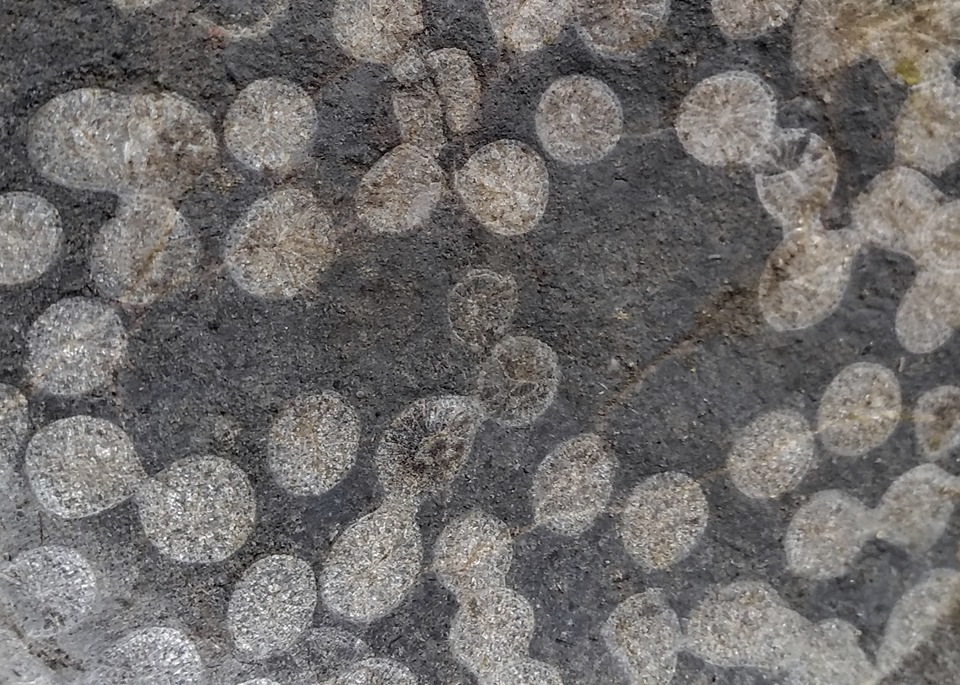
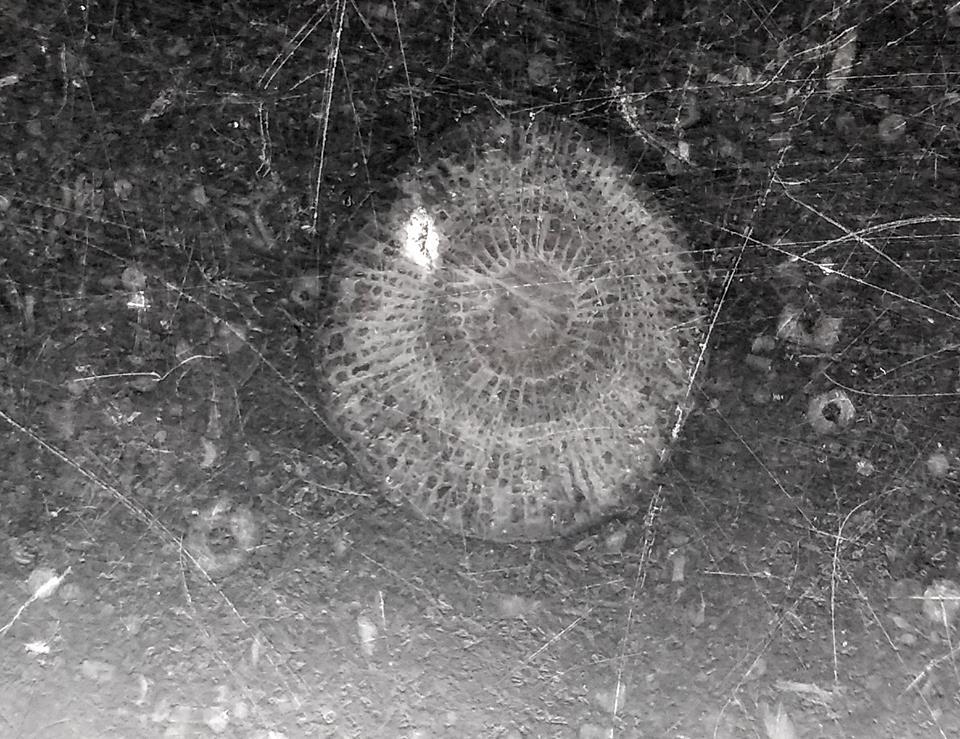
Corals are known as zooids, which when many combine together, reefs are formed. Many corals have a hard exoskeleton made of calcium carbonate. It is this exoskeleton that is usually fossilised. When the coral dies, the skeleton can be broken down to form limestone.
BIVAVLES
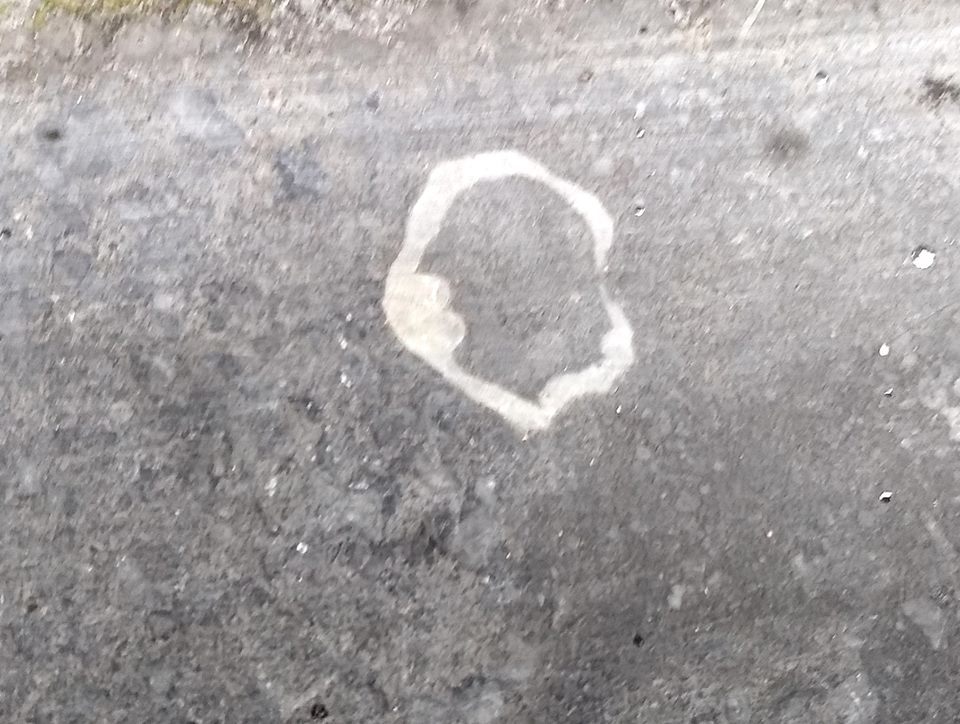
Clams, oysters and mussels are all examples of bivalves. The fossils here tend to be either bits of shells or whole shells. Each part of a bivalve shell are called valves.
This being an EarthCache, in order to log it, I ask that you answer some questions. Please send them to me, and do not include them in your log. You can send them to me by using the message facility or email, both of which can be found by looking at my profile.
1. Using the information in the cache description, please now look at the benches and tell me what type of fossils can be found here.
2. Please describe the rationale for your answers to question 1.
3. Using a ruler, please measure the length and diameter of the largest fossil that you can find.
4. Please decribe the colours of the fossils.