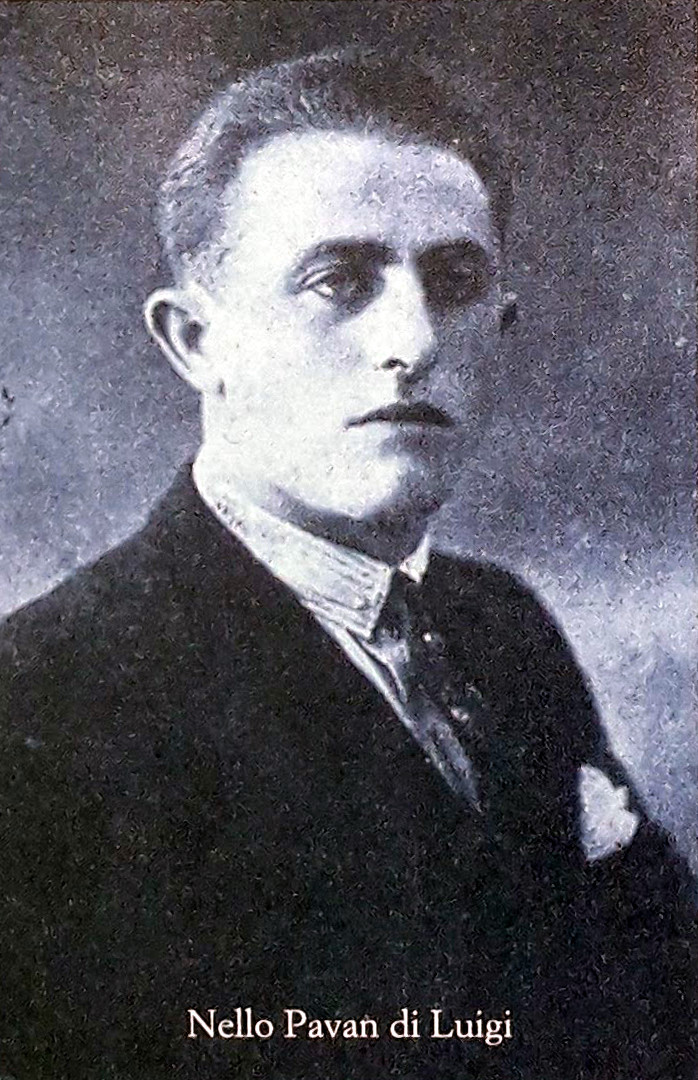
Ruggero Lorenzon di Giovanni e Nello Pavan di Luigi,
 di Negrisia, dove nacquero, primo il 26 gennaio 1900, secondo il 18 aprile 1901, si resero protagonisti di un'impresa ardita: come poter giungere inosservati fino alla prima linea del fuoco ed attraversare le trincee poste lungo gli argini e nelle grave del fiume Piave. Giunti a pochi metri dall'argine sinistro, uno spettacolo impressionante si presentò al loro sguardo: depositi di munizioni, linee di mitragliatrici, bombe a mano accatastate in ogni angolo: le trincee, presso l'argine rigurgitavano di soldati. D'un balzo sorpassarono l'argine e attraversarono il fiume Negrisia. Raggiunsero il secondo argine che costituiva la prima linea di difesa del nemico e si inoltrarono nelle Grave attraverso i fitti reticolati. Scorsero una piccola stazione telefonica, sentirono le comunicazioni che venivano impartite: "Due spie devono trovarsi sperdute nelle grave; la posizione deve essere abbattuta; ritirate i posti avanzati". Un brivido passò in quel momento per le ossa dei due giovani ma ebbero la possibilità di fare dei segnali alle vedette italiane. In quel tumulto di guerra furono fraintesi e le artiglierie italiane risposero con rabbia alle artiglierie austriache. Si gettarono in una fossa e rimasero quasi paralizzati nel fondo di quella cavità per cinque ore: i disagi patiti, la posizione incomoda, la fame, la trepidazione scossero quelle robuste fibre e i giovani per lungo tempo sentirono nelle loro ossa peste, nello stomaco sempre sconvolto, le conseguenze di quell'impresa. La decisione fu presto presa: Ruggero Lorenzon non sapeva nuotare; si avvolsero il corpo di fronde ben tenute con i vimini delle grave e così si gettarono quali corpi morti su quelle onde. Il Pavan esperto nuotatore, assunse la responsabilità della salvezza del compagno Lorenzon.
Otto volte Ruggero Lorenzon fu travolto dalla violenza delle onde ed altrettante Nello Pavan lo ricondusse a galla. Il Lorenzon, fu travolto per la nona volta: nella caduta i suoi piedi toccarono il fondo e sorretto dal compagno gridò esultante: "Terra terra!" Era il grido di chi un giorno dopo lunghi mesi di lotte poteva scoprire un nuovo continente; fu pure il grido di vittoria, di chi, dopo lunghe ore di lenta agonia, aveva raggiunto la meta sospirata. Una vedetta dei 280 Fanteria gridò: "Chi va là!" E I due coraggiosi prontamente. "Fratelli italiani, fuggitivi dalle terre invase.' Non sparale". Quella vedetta messo a terra il fucile si gettò al collo Ilei due eroi se li strinse al seno, stampò sulla loro fronte sfigurata un bacio: era il fante italiano, il valoroso, l'infangato della trincea, l’uomo votato alla morte, che commosso dinanzi all'eroismo dei suoi due connazionali, dimenticava per un istante la sua fierezza, per effondere il suo animo in una manifestazione esterna di commiserazione e simpatia.
Furono condotti presso il Comando del Reggimento e chiesero subito di dare informazioni sulla condizioni del nemico e sulle sue posizioni strategico militaro. Fornirono ampie e dettagliate notizie sugli appostamenti nemici, sui depositi di munizioni, sulle posizioni delle artiglierie e delle fanterie, sui campi di aviazione, sui mezzi di trasporto e sulle perdite subite dal nemico.
Tratto da "Negrisia di. Piave e la nuova Chiesa di S. Romano di Mons. Costante Chimenton 1926
Don Antonio Lanzarini — Arciprete di Negrisia nei primi giorni dopo Caporetto
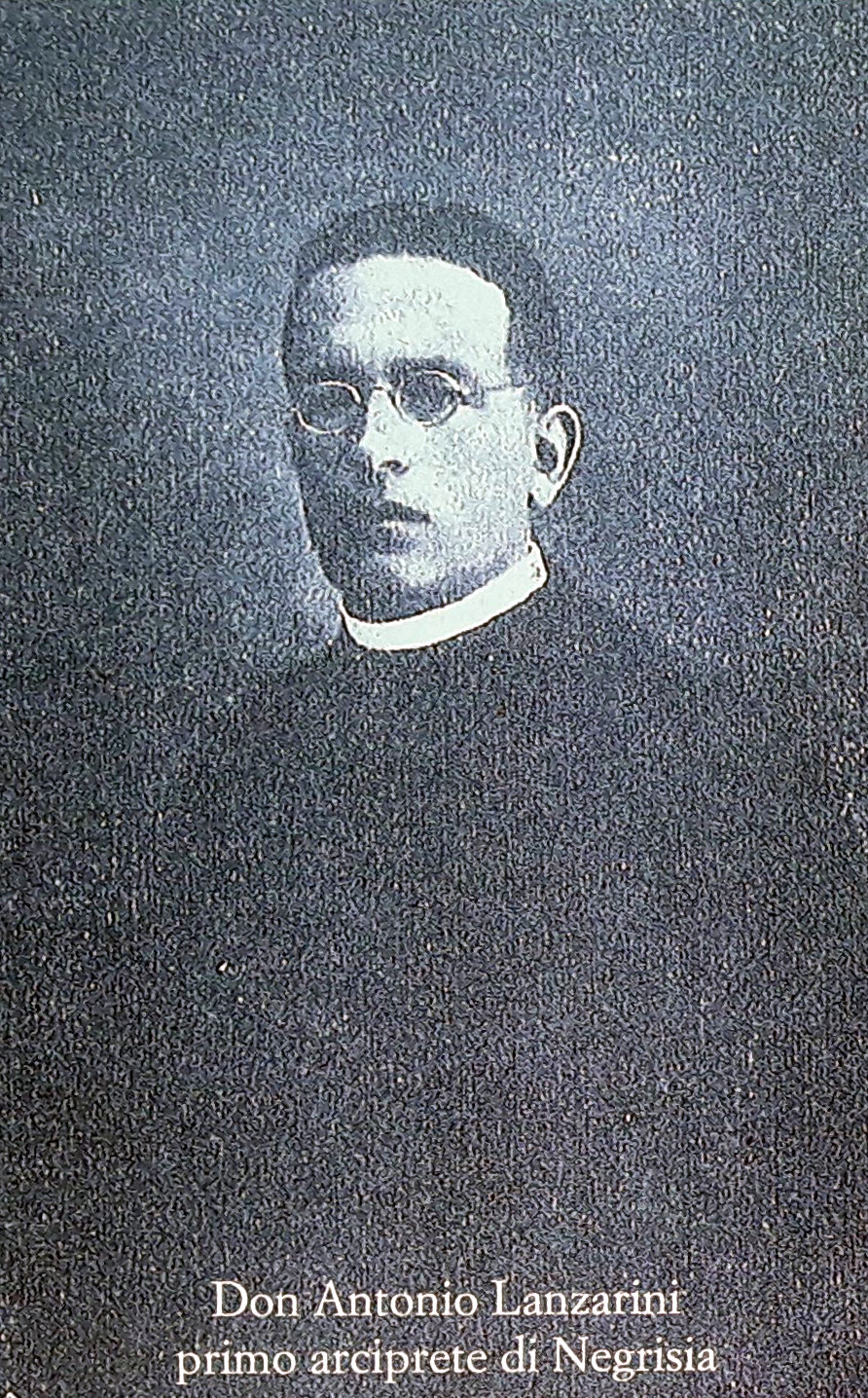 "Erano colonne di soldati italiani, senz'armi, in gran parte privi di tutto, altri seri, altri indifferenti, altri demoralizzati ed affamati, alcuni contenti perché sognavano la fine della guerra, i più arrabbiati per la sconfitta subita che non sapevano spiegare e anelanti ad una rivincita. Procedevano tutti verso Ponte, diretti alla Callalta, soffermandosi un po' per le case, alcuni eclissandosi o cercando nascondigli nelle campagne per dove passavano."
Dal Diario di Guerra di Don Lanzarini conservato in Archivio di Curia (Busta Negrisia)
La popolazione di Negrísia, quantunque assicurata dagli ufficiali di cavalleria, ospiti in casa canonica, che l'esercito invasore sarebbe stato arrestato al Tagliamento, passò, come tutti gli Italiani, giorní di amarezza e di trepidazione. Un solo pensiero la confortò: la sicurezza che íl suo arciprete non l'avrebbe mai abbandonata. Tale assicurazione Don Lanzarini aveva ripetutamente manifestato in Chiesa; aveva anzi aggiunto che tutto quello che fosse stato possibile si sarebbe compiuto, che sarebbe morto con il suo popolo, ma non avrebbe mai dimenticato l'adempimento del suo dovere. All'Arciprete fu imposto di partire immediatamente prima che si fosse fatto brillare il ponte sul Piave. Don Lanzarini rispose che avrebbe obbedito quando un simile ordine fosse stato imposto a tutti i suoi parrocchiani, i quali, nella massima parte, rinchiusi nelle loro case non pensavano di allontanarsi, nella speranza di poter conservare le loro povere sostanze. Alcuni ufficiali italiani, saliti sul campanile di Negrisia per osservare l'avanzata austriaca, furono gli ultimi ad abbandonare il paese e, prima di partire, insistettero perché l'arciprete di Negrisia li seguisse. Ma Don Lanzarini in quei giorni non pensò alla sua salvezza con una fuga ignominiosa che avrebbe fatto di lui il traditore del suo dovere, e dichiarò di essersi votato a qualunque sacrificio. Gli ufficiali si accomiatarono con parole altamente benevoli, rivolgendo al sacerdote, alla presenza del popolo che assiepava h canonica, questa frase: "Benissimo, Signore! Lei sarà martire del dovere!"
Tratto da "Negrisia di. Piave e la nuova Chiesa di S. Romano di Mons. Costante Chimenton 1926
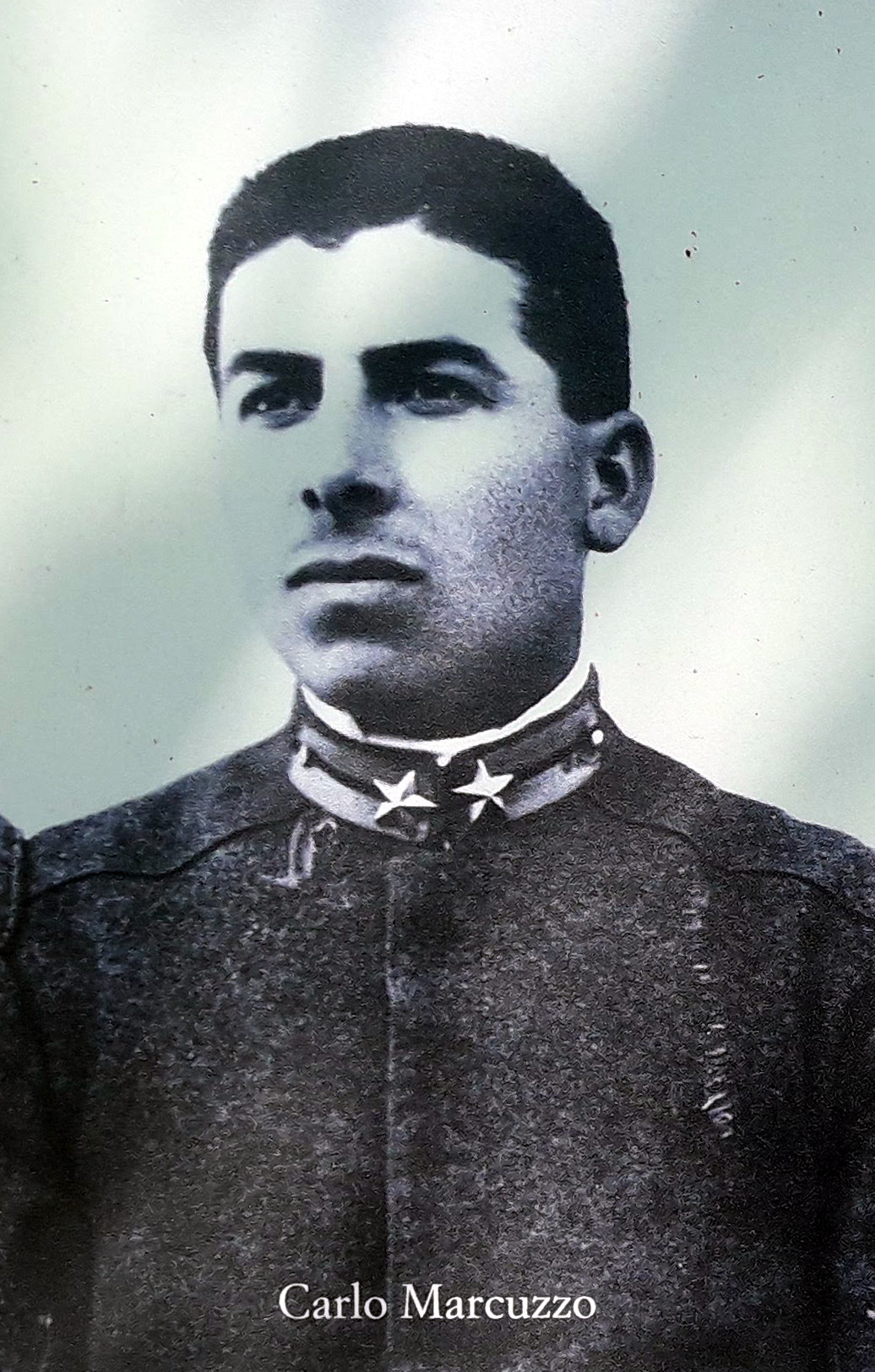 Carlo Alberto Marcuzzo
nato a Ponte di Piave il 15 dicembre 1894 decorato di medaglia di bronzo e medaglia d'argento al Valor Militare. Arruolato colte soldato semplice, per il valore e la capacità dimostrati arrivò al grado di Maresciallo Aiutante di Battaglia. In forza al 20° Reggimento Brigata Brescia, nell'Aprile del 1918 venne trasferito sul fronte francese. La brigata combatté con valore a Chemin des Dames, nell'Aisne, durante l'offensiva finale contro la Germania. Carlo Alberto Marcuzzo morì il 19 ottobre 1918 per le ferite riportate durante uno degli ultimi assalti, a causa dell'esplosione del tascapane di bombe a mano che aveva lanciato contro un bunker tedesco. Dopo venti giorni la guerra era finita. Riposa nel cimitero militare italiano di Bligny in Francia.
L’eroe sconosciuto - Paolo Bozzon di Negrisia
Il 10 novembre 1921 l'allora Ministro della Guerra on. Luigi Gasparotto conferì la Medaglia d'Argento con annesso soprassoldo di Lire 250 annue, al Caporal Maggiore dell'80° Reggimento fanteria della Brigata Roma - Paolo Bozzon di Negrisia matricola 5254, con la seguente motivazione:
"Alla testa del proprio plotone, con mirabile impeto, lanciavasi sulla trincea avversaria dove il nemico asserragliato opponeva disperata resistenza e, nonostante rilevanti perdite subite, insieme con i superstiti del reparto, impegnava e sosteneva con valore una furiosa lotta corpo a corpo, finché venne colpito a morte.
Monte Pertica (Monte Grappa) 26 ottobre 1918
The two courageous Ruggero Lorenzon di Giovanni and Nello Pavan di Luigi,
born in Negrisia, on January 26, 1900, and on April 18, 1901, overwhelmed in that confusion that was the retreat of Caporetto, at first found hospitality by the miller Angelo Bonato in Fae di Oderzo With deceit and intelligence they escaped tyranny, while not ceasing to torment the enemy and to steal military and strategic information. Austrian officers and soldiers liked them for their spirit and simplicity. In February 1918, the army had to retire to Navole and the two young men decided to implement their arduous plan. They moved away from Navole, without notifying it to anyone: it was not selfishness but simple precaution. They crossed the secretive countryside. They came to Fossadelle ... they went up Grassaga and approached Peschiere. Then they came a few meters from the left bank of the Piave. An impressive show appeared before their eyes: ammunition depots, machine gun lines, hand grenades stacked in every corner, the trenches full of soldiers. They jumped over the embankment and crossed the River. They reached the second embankment, which was the enemy's first line of defense, and walked into the Grave through the crosslinked stakes. They saw a small telephone station in full swing: they heard the communications that were given: Two spies must be lost in the area; the position must be checked; retreat advanced positions". At that moment a shudder passed through the two young men who felt themselves led to death. The two fugitives swayed forward and had the opportunity to signal to the Italian sailors, located on the right appendices of the Grave. In the turmoil of war they were misunderstood; the Italian artillery angrily shot them. They threw themselves into a pit and stayed put for five hours. "Here we can no longer stay. We would be surprised and our work will be unusefull" The decision was taken. Ruggero Lorenzon could not swim, but they tied their bodies with branches and jumped into the water. Pavan was an expert swimmer and took responsibility for Lorenzon's life. Eight times Ruggero Lorenzon was overwhelmed by the violence of the waves, and as many times Pavan pulled him back. Lorenzon was overwhelmed for the ninth time but his feet touched the bottom: he supported his companion and exclaimed, "Land!" A look-out from the 280 Infantry shouted: "Who is these?!" And the two courageous readily: "Italian brothers, fugitives from the invaded lands! Do not shoot." They were led to the Regiment Command and immediately asked to provide information on the enemy and its strategic military positions. Lorenzon could provide extensive and detailed news about enemy bombings, ammunition depots, positions of artillery and infantry, airfields, means of transport and losses suffered by the enemy. Colonel Smaniotto of the Third Army Information Office promised Lorenzon a high reward for military value; to Pavan too. But Colonel Smaniotto died shortly afterwards and the practice was silenced. "Negrisia di Piave and the new Church of S. Romano" Mons. Costante Chimenton 1926
Don Antonio Lanzarini. Arcipriest from Negrisia a few days after Caporetto
 "They were columns of Italian soldiers, unarmed, mostly devoid of everything, some serious, others indifferent, others demoralized and hungry, some happy because they had dreamt about the end of the war, but most of all angry for the defeat that they could not explain and longing for revenge. They all proceeded to Ponte, going to Callalta, pausing a bit in the houses, some running away or looking for hiding places in the countryside where they passed."
From the War Diary of Don Lanzarini preserved in the Archive of Curia (Busta Negrisia)
The population of Negrisia, although assured by the cavalry officers in the rectory that the invading army had been arrested at the Tagliamento, spent days full of bitterness and trepidation, as well as all the Italians. One thought comforted them: the confidence that the archpriest would never abandon them. This assurance Don Lanzarini had repeatedly shown in the Church; he had told them that all that would have been possible was going to be accomplished, that he was going to die with his people, but also that he would have never forgotten the fulfillment of his duty. The Archpriest was ordered to leave immediately before the bridge over the Piave had detonated. Don Lanzarini replied that he would obey when such an order had been imposed on all his parishioners, xvho, for the most part, decided to lock up in their homes and not going away, hoping to be able to preserve their properties. Some Italian officers, after having climbed on the bell tower of Negrisia to observe the Austrian advance, were the last to leave the country and, before leaving, insisted that the archpriest of Negrisia followed them. But Don Lanzarini did not think of his salvation trought an ignominious escape that would make him the traitor of his duty, and declared that he was voted to sacrifice. The officers took their leave with very benevolent words, addressing this phrase to the priest, in the presence of the people who gathered the parsonage: "Very well, Sir! You will be a martyr of duty!" "Negrisia di Piave and the new Church of S. Romano" Mons. Costante Chimenton 1926
Carlo Alberto Marcuzzo
was decorated with the bronze and silver medal of Military Value. Enrolled as private, he became Maresciallo Aiutante di Battaglia for his valor and capabilities. With the Brescia Brigade, in April 1918 he moved to the French front. The brigade fought with value at Chemin des Dames, in the Aisne, during the final offensive against Germany. Carlo Alberto Marcuzzo died the 19 october 1918 for the injuries reported during an assault against a German bunker. After twenty days the war was over. He rests in the Italian military cemetery of Bligny in France.
The unknown hero - Paolo Bozzon di Negrisia
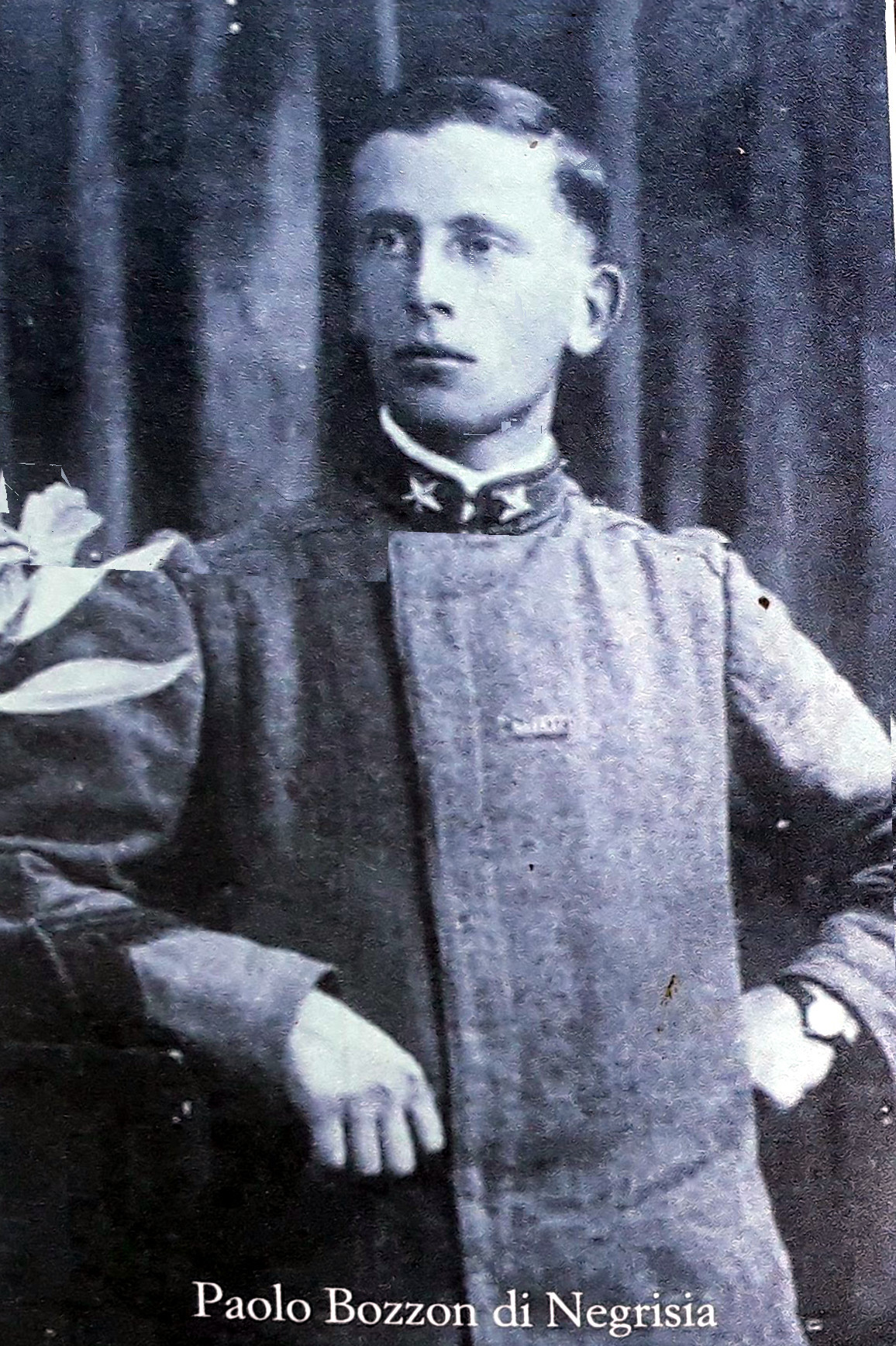 On November 10, 1921, the then Minister of War Luigi Gasparotto awarded the Silver Medal with an annex of 250 lire per year, to the Caporale Maggiore of the 80th Infantry Regiment of the Rome Brigade - Paolo Bozzon of Negrisia, matriculation 5254, with the following justification:
"At the head of his platoon, with admirable impetus, he launched himself on the opposing trench where the barricaded enemy opposed desperate resistance and, despite significant differences suffered, together with the survivors of the sector, he engaged and sustained with value a furious fight close to hand, including hit to death.
Monte Pertica (Monte Grappa) 26 October 1918
La cache si trova a / The cache is located in:
N45° 43.ABC' E012° 24.DEF'
- A= Bozzetto Antonio A MM
- B= De Bortoli Alfredo Ω MM
- C= Sari Vecellio Ω DD
- D= Buso Giuseppe A DD
- E= Casagrande Egidio Ω DD - Ω MM
- F= Zamuner Giovanni A MM
La cache non è facile da loggare, forse dovrete ritornare di nuovo sul posto, buona caccia!
The cache is not simply to log, maybe you will come back again on site. Good hunt!