
¿Dónde estoy? ¿Qué estoy buscando?
¡Bienvenidos al Real Sitio de Covadonga! ¡Sacro e histórico lugar de los asturianos! Famoso por albergar uno de los templos más importantes del territorio nacional, y la cueva, de dónde se dice germinó la semilla de la misma Reconquista.
Aunque si os hemos traído hasta aquí hoy, no es para contaros esta magnífica historia. Sino que para que a través de ella, ayudaros a descubrir algo mucho más antiguo... ¡Fósiles en el suelo!
¿Qué cómo los encuentras? Pues una buena forma de empezar... ¡Es mirar por donde pisas!
¿Qué es un fósil?
Los fósiles son restos orgánicos de plantas o animales que vivieron aquí hace millones de años. Estos restos de organismos de épocas pasadas tienden a conservarse adheridos a rocas sedimentarias y nos muestran cómo eran los habitantes de la Tierra hace millones de años e incluso cuáles eran sus costumbres gracias a los fósiles en los que se ha dejado grabado el rastro de actividad en ellos.
¿Cómo se forman?
Existen distintas posibilidades:
- Sedimentación. Cuando un animal o un insecto muere los sedimentos acaban enterrando sus restos, especialmente su exoesqueleto, que es lo más resistente al tiempo. Para que este exoesqueleto se conserve sin modificaciones a lo largo de millones de años será menester que la sedimentación se produzca lo antes posible.
- Fundición. Esta forma de fosilización origina sobre todo moldes de impresiones en negativo de los organismos. Estas impresiones pueden ser exteriores o interiores y sobre todo han conservado conchas de distintos animales hasta nuestros días.
- Mineralización. El agua también puede conservar un cuerpo, para ello lo ideal sería que el ser vivo al morir se precipitara al agua o desfalleciera ya en ella. Muchos de los organismos habitantes en el agua pueden comerse las partes exteriores del cuerpo pero no el duro esqueleto.
- Carbonización. La vida se basa en carbono, por lo que esta también es una forma de fosilización. Las sustancias volátiles como el oxígeno y el hidrógeno que acumulan los cuerpos de los seres vivos se pierden y perdura una capa de carbono que será la encargada de conservar los restos del organismo en forma de huella.
¿Qué tipos de fósiles existen?
Partimos de la base inicial de que los fósiles son restos de organismos; animales o plantas que perduran en el espacio tiempo. Pero podemos distinguir dos tipos de fósiles:
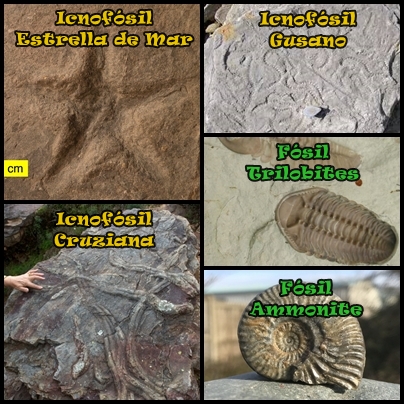
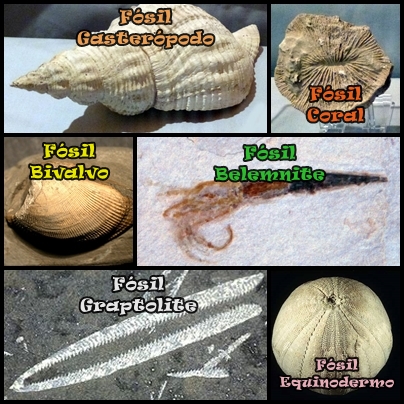
- Fósiles de individuo o Fósil. Son aquellos formados por un animal o planta. En la mayoría de los casos no estarán constituidos por un organismo entero, sino que es una parte de este la que ha sido fosilizada, como puede ser un hueso, hoja, la mandíbula o la piel.
- Fósiles de actividad o Icnofósil. Se trata del rastro de la actividad que han dejado los seres vivos y se ha mantenido hasta la actualidad en forma de huellas o nidos impresas en diferentes moldes, por lo que se tratan de fósiles de fundición.
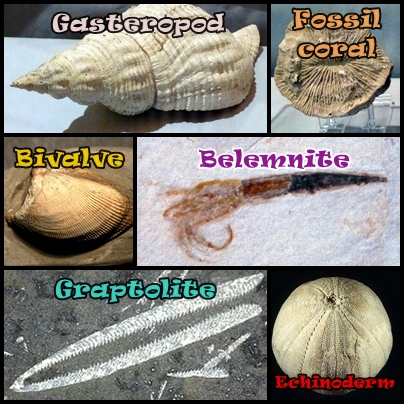
Algunos ejemplos:
¿Puedo encontrar más en Asturias?
Muchísimos. Creo que ni te lo imaginas. Exiten Yacimientos fósiles por toda la Cornisa Cantábrica. ¿Y sabes qué? ¡Algunos pertenecen a Dinosaurios! No dejes de visitar el Museo del Jurásico de Asturias para más información.
http://www.museojurasicoasturias.com/
La costa de los Dinosaurios te espera en:
- Playa de Merón
- Puerto de Tazones
- Faro de Tazones
- Acantilados de Tereñes
- Acantilados de Luces
- Acantilados de Lastres
- Playa de la Vega
- Playa de Ribadesella
- Playa de la Griega
¿Cómo firmo este Earthcache?
Para poder registrar como encontrado este Earthcache es necesario responder de forma correcta a una serie de preguntas. Debes enviar las respuestas correctas al propietario del cache para así poder firmar.
Los registros incorrectos o que no envíen las respuestas serán borrados sin previo aviso. En caso de tratarse de pequeños errores de forma, pero no de contenido o presencia en las coordenadas. Ofreceremos nuestra ayuda al jugador.
1. ¿Qué es un fósil? ¿Cómo se forma?
2. ¿Qué tipo de fósil estás viendo? ¿Es un fósil de individuo o un registro de actividad?
3. Ahora fíjate en la lista de ejemplos que os mostramos. ¿Cuál es el nombre de la especie o individuo que dejó esta huella fósil en concreto?
4. Toma como referencia los últimos 4 metros justo antes de la entrada a la cueva. ¿Cúantos registros fósiles ves?
5. ¿Cuáles son los de mayor tamaño? ¿Tienen alguna otra peculiaridad?
Esperamos que vuestra visita haya merecido la pena. La Tierra es única y nunca deja de sorprendernos. Gracias por venir hasta aquí. Recuerda dejar un registro adecuado. Nosotros hemos puesto mucho esfuerzo en crear esta página para ti. Un saludo.
ENGLISH VERSION

Where I am? That I am looking for?
Welcome to the Royal Site of Covadonga! Sacred and historic place of Asturians! Famous for hosting one of the most important temples in the national territory, and the cave, where it is said, the seed of the Reconquest itself germinated.
Although we have brought you here today, it is not to tell you this magnificent story. But so that through it, help you discover something much older ... Fossil on the ground!
What is a fossil?
Fossils are organic remains of plants or animals that lived here millions of years ago. These remains of organisms from past times tend to remain attached to sedimentary rocks and show us how the inhabitants of the Earth were millions of years ago and even what their customs were, thanks to the fossils in which the trace of activity has been recorded.
How are they formed?
There are different possibilities:
• Sedimentation. When an animal or an insect dies, the sediments end up burying its remains, especially its exoskeleton, which is the most resistant to time. In order for this exoskeleton to remain unchanged over millions of years, sedimentation must take place as soon as possible.
• Foundry. This form of fossilization originates mostly molds of negative impressions of organisms. These impressions can be exterior or interior and above all have preserved shells of different animals to this day.
• Mineralization. Water can also preserve a body, for it would be ideal if the living being dies when it falls into the water or already falters in it. Many of the organisms living in the water can eat the outer parts of the body but not the hard skeleton.
• Carbonization. Life is based on carbon, so this is also a form of fossilization. Volatile substances such as oxygen and hydrogen that accumulate in the bodies of living beings are lost and a layer of carbon remains that will be responsible for keeping the remains of the body in the form of a trace.
What types of fossils exist?
We start from the initial basis that fossils are the remains of organisms; animals or plants that last in space time. But we can distinguish two types of fossils:
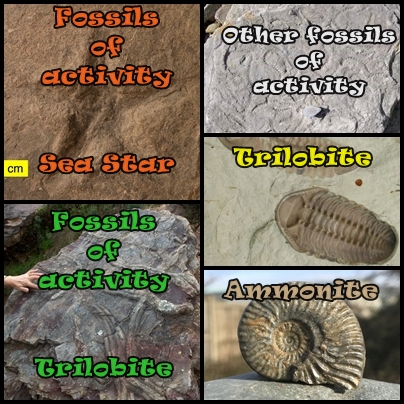
• Individual fossils. They are those formed by an animal or plant. In most cases they will not be constituted by an entire organism, but a part of it that has been fossilized, such as a bone, blade, jaw or skin.
• Fossils of activity. It is the trace of the activity that living beings have left and it has been maintained until the present in the form of traces or nests printed in different molds, so they are foundry fossils.
Some examples:
Can I find more in Asturias?
A lot of. I think you can't imagine it. Fossil deposits exist throughout the Cantabrian Cornice. And you know what? Some belong to Dinosaurs! Be sure to visit the Jurassic Museum of Asturias for more information.
http://www.museojurasicoasturias.com/
The Dinosaur Coast awaits you at:
- Merón Beach
- Port of Bowls
- Bowl Lighthouse
- Cliffs of Tereñes
- Cliffs of Lights
- Ballast Cliffs
- Vega Beach
- Ribadesella Beach
- La Griega Beach
How do I sign this Earthcache?
In order to register this Earthcache as found, it is necessary to answer a series of questions correctly. You must send the correct answers to the owner of the cache in order to sign.
Incorrect records or those that do not send the answers will be deleted without prior notice. In case of small errors of form, but not of content or presence in the coordinates. We will offer our help to the player.
1. What is a fossil? How is it formed?
2. What type of fossil are you seeing? Is it an individual fossil or an activity log?
3. Now look at the list of examples we show you. What is the name of the species or individual that left this particular fossil footprint?
4. Take the last 4 meters as a reference just before the cave entrance. How many fossil records do you see?
5. Which are the largest? Do they have any other peculiarity?
We hope your visit was worth it. The Earth is unique and never ceases to surprise us. Thanks for coming here. Remember to leave a proper record. We have put a lot of effort into creating this page for you. Greetings.
We hope enjoy your visit. The Planet Earth is unique. Thanks for coming here. Remember to leave an adequate record. We have put a lot of effort into creating this page for you. A greeting.