BorsodChem

(A ládához|A hinthez|To the English Section)
BorsodChemről
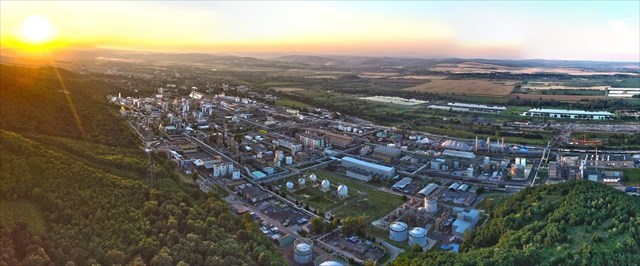
A Borsodi Vegyi Kombinát BVK 1949-ben alakult a Borsodi Ipari Tröszt, a Borsodi Kokszművek és a Sajómenti Vegyiművek egyesülésével, de a termelést csak néhány évvel később, 1954-ben kezdték meg. A vállalat eleinte főleg műtrágyagyártással foglalkozott, később pedig speciális vegyipari termékeket, főleg műanyaggyártáshoz szükséges alapanyagokat állítottak elő.

Borsodi Vegyi Kombinát 1967
1963-ban épült a higanykatódos klór- és sósavüzem, és még ugyanebben az évben beindították Magyarország első PVC-por-gyárát is.


Elektrolízis cellaterem szerelése 1976 PVC-por tárolók 1979
A ‘90-es évek elején újabb termékkel bővült a portfólió. Felépült az MDI-üzem (metilén-difenil-diizocianát), és megkezdődött a széles körben használt szilárd poliuretánok alapanyagának gyártása Kazincbarcikán.
A vállalatot 1991-ben privatizálták, papírjait immár BorsodChemként a budapesti és a londoni tőzsdén is piacra dobták.
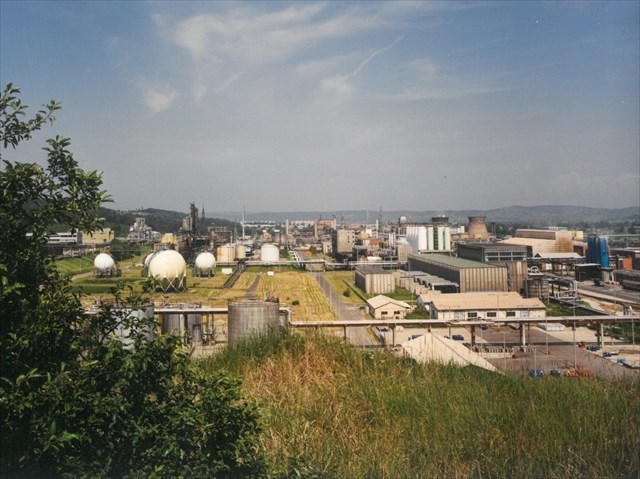
BorsodChem a 90-es években
2011-ben a korábbi részvényeseket kivásárolva a kínai Wanhua Industrial Corp., P.R. szerezte meg a BorsodChemet, és azonnal el is indította a gyár fejlesztését: új TDI-2 üzemet (toluol-diizocianát) és salétromsavgyárat építettek fel.
2016-ban került beüzemelésre a sósavbontó üzem, mely a cég energiahatékonyságának növekedéséhez, továbbá a termékszerkezet flexibilitásához vezetett.
2018-ban indult be a második membráncellás klór üzem a már korábban, 2006-ban üzembe vett párjaként. Az új technológia előnye a jelentős villamos-energia megtakarítás, ezáltal pedig az alacsonyabb CO2 kibocsátás, illetve a higany alkalmazásának megszűnése a klórtermelésben. Ugyanebben az évben egy EU határozat értelmében a higanykatódos sólé elektrolízise leállt a cégnél.
2019-ben ünnepli a BorsodChem a 70. születésnapját, ez a cache többek között ennek apropóján kelt életre.
A 2018 és 2019-es évben intenzív munkálatok kezdődtek a 26-os út Sajó felőli oldalán, ahol a BorsodChem a jövőben számos olyan új üzemet tervez létesíteni, mint nitrobenzol, anilin és termoplasztikus poliuretán gyártó egységek.
A láda
A rejtvény a Wanhua-BorsodChem kínai kötődéséhez fűződik.
A koordinátánál a BorsodChem kereskedelmi igazgatósági épülete előtti tábla található, mely a Kínai-Magyar Borsod Ipari Parkról tartalmaz néhány információt angol és kínai nyelven. A feladat a kínai szövegben lévő karakterek megtalálása. A cím nem számít, a következő karaktert a következő sorban kell keresni.
A koordináta: N 48 1a.bcd E020 3e.fgh
a: 德
b: 工 - 4
c: 公
d: 思
e: 大
f: 基
g: 呼 - 3
h: 资 – 7
Hint:
A hinthez az alábbi szót kell kiszótárazni: 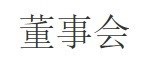
A fordításhoz használható a Google Fordító, ahol le lehet rajzolni a karaktert. Ha átállítjuk, akkor be lehet gépelni a latin betűs átírást is, ekkor ezt kell beütni: dong shi hui. Így írnak számítógépen a kínaiak!
(To the Cache|To the hint)
About BorsodChem
The Borsod Chemical Complex was formed in 1949 by the merger of the Industrial Trust of Borsod County, Borsod Coke Works and the Sajómenti Chemical Works, and began production in 1954. At first, the company is mainly engaged in the production of fertilizers, later it has been producing specialty chemical products, mainly the raw materials needed for plastic production.
In 1963 the mercury-cathode chlorine and hydrochloric acid plant was built, and the first PVC powder factory in Hungary was opened in the same year.
In the early '90s, a new product was added to the portfolio. The MDI plant (methylene diphenyl diisocyanate) was built, so production of the raw material of the widely used solid polyurethanes in Kazincbarcika started.
The company was privatized in 1991 and its shares have now been listed on the Budapest and London stock exchanges as BorsodChem.
In 2011, after buying out its former shareholders, China's Wanhua Industrial Corp., P.R., acquired BorsodChem and immediately began the development of the site by building a new TDI-2 plant (toluene diisocyanate) and a nitric acid plant.
In 2016 the hydrochloric acid oxidation plant was commissioned, leading to increased energy efficiency and product structure flexibility.
In 2018 the second membrane cell chlorine plant was launched as a pair of the plant started up earlier in 2006. The advantage of the new technology is the significant savings in electricity, thereby reducing CO2 emissions and eliminating the use of mercury in chlorine production. In the same year the electrolysis of brine with mercury cathode technology stopped at the company, according to an EU decision.
In 2019, BorsodChem celebrated its 70th birthday, so this cache is partly dedicated to this event.
Intensive work has begun in 2018 and 2019 on the Sajó side of Road 26, where BorsodChem plans to establish several new plants in the future, such as nitrobenzene, aniline and thermoplastic polyurethane production units.
The Cache
The puzzle is related to Wanhua-BorsodChem's Chinese attachment.
At the coordinate there is a board in front of the BorsodChem Commercial Building, which contains some information about the Sino-Hungarian Borsod Industrial Park in English and Chinese. The task is to find the characters in the Chinese text. The title doesn't count, look for the next character in the following line.
Coordinates: N 48 1a.bcd E020 3e.fgh
a: 德
b: 工 - 4
c: 公
d: 思
e: 大
f: 基
g: 呼 - 3
h: 资 – 7
Hint:
The following words must be translated for the hint: 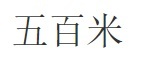
You can use Google Translate for the job, where you can draw the characters. You can also change it to type in Latin alphabet, then type: wu bai mi. That's how the Chinese write on a computer!