***You do not need to enter the land beyond the gate to find this cache***
This cache is part of a 9 cache series which has been placed by Girlguiding Norfolk Archive Resource Centre (the ARC). This circular walk of Hautbois is approximately 3 miles long and took us a couple of hours with drink breaks. You will be climbing steps up to the Bure Valley railway path and the riverside walk has a couple of fallen tree stumps to negotiate so not suitable for pushchairs/wheelchairs.
The caches are a mixture of traditional and custom designs to be enjoyed by Geocachers of all ages, Newbies and Pros alike!
We hope you enjoy the series, local history and beautiful countryside.
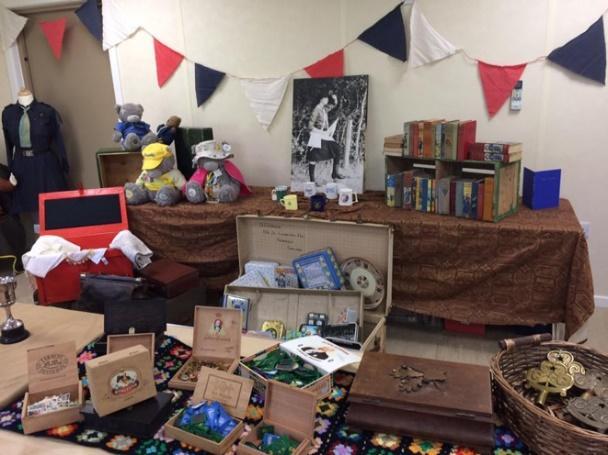
The Archive Resource Centre contains approximately 25-30K items that tell the story of Guiding in Norfolk. The ARC holds the distinction of being the first purpose-built Girlguiding archive in the UK! The centre has special museum-standard, temperature-controlled archives. The ARC was a long-term project with discussions about creating an archive beginning in 2005. The ARC was officially opened in June 2016. Every single item in the Archive has been or is in the process of being preserved and catalogued.
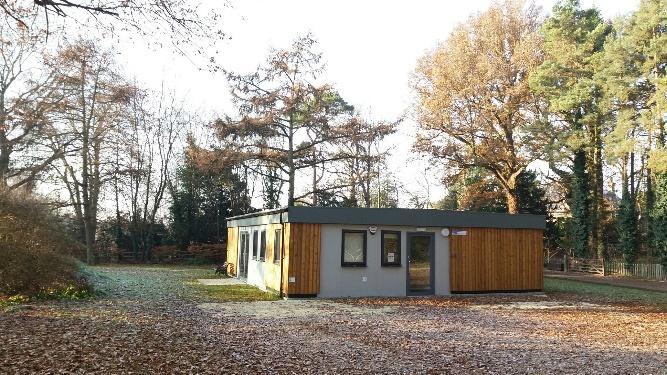
The ARC is situated in the grounds of Patteson Lodge owned by Girlguiding Norfolk. Patteson Lodge is a favourite activities residential centre, used by members of guiding, and schools for residential events, indoor and outdoor, including a camping area. It is a delightful, safe area, rich in flora and fauna, including a large wooded area.
Close to the ARC are the lime pits (lime is a type of mineral). In the past, men were employed to dig out the lime and build lime kilns (these were ovens used to make quicklime which could then be used in building materials). The lime was taken by barges via the River Bure and the Broads to all parts of Norfolk. Some of the lime ended up in Great Yarmouth where it was used to make bricks.