
The Pilgrim Monument, located in Provincetown, Massachusetts, was built to commemorate the first landing spot of the Mayflower Pilgrims when they reached the New World, along with the signing of the historic Mayflower Compact in what is now Provincetown Harbor. Rising 350 feet above the charming coastal town (being situated atop High Pole Hill), this iconic structure commemorates the landing of the Mayflower Pilgrims in 1620, marking the beginning of a new chapter in American history. The Pilgrim Monument stands tall as a symbol of endurance, freedom, tolerance, acceptance, and the spirit of exploration, offering visitors a captivating glimpse into the past while providing breathtaking panoramic views of the picturesque Cape Cod landscape. On a clear day, you can even see Boston! Located at the base of the Pilgrim Monument is the Provincetown Museum, for those interested in learning more about the area's rich history.
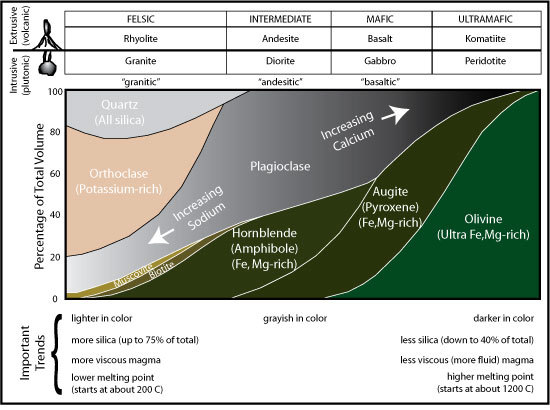
The monument was constructed from granite, which was quarried in Stonington, Maine. Granite is a type of igneous rock known for its durability and strength. It is composed primarily of quartz, feldspar, and mica, giving it a unique and attractive appearance. Granite is widely used in construction and architecture, including countertops, flooring, and monuments, due to its resistance to heat, scratches, and natural wear. Granite consists of a variety of minerals, including quartz, potassium feldspar, plagioclase feldspar, mica, and trace amounts of other minerals. Quartz is typically colorless or white, giving granite a bright and crystalline appearance. Potassium feldspar, often referred to as orthoclase, can display hues of pink, salmon, or light red, adding warmth to the overall color palette of granite. Plagioclase feldspar, on the other hand, ranges from white to gray and may sometimes exhibit a bluish tint. Mica minerals, such as biotite and muscovite, contribute dark brown to black and silvery shades, and add a reflective quality to the granite's surface.
Granite is an intrusive igneous rock that originates from the slow cooling and crystallization of molten magma beneath the Earth's surface. During the cooling process, minerals with higher melting points crystallize first, while some portions of the magma remain molten. Within the main mass of granite, there are thin sheets of another rock known as aplite, which is fine-grained and predominantly pink in color. These sheets formed from younger phases of magma that infiltrated fractures in the granite after the main mass had solidified. The Stonington Granite, a vast granite body spanning several miles, underlies a significant portion of Maine and is associated with various granite quarries. Although the granite bedrock in the region shares geological similarities, subtle differences in color, mineral texture, fractures, and practical considerations have influenced the productivity of specific quarries. The formation of Stonington Granite dates back at least 360 million years to a time when the coastal region of Maine was geologically active. Through the gradual erosion of thousands of feet of overlying rock over immense geological time, the Stonington Granite has become exposed at the Earth's surface.
Logging Requirements:
- Describe the color, texture, and grain size of the Pilgrim Monument. Do the size of the crystals appear consistent or do they vary?
- Which minerals are you able to identify within the granite?
- Do you see any aplite within any of the stones? Why do you think this is the case?
- Upload a photo with the Pilgrim Monument, or of the view from the top! You don't have to be in the photo, though it is strongly encouraged.