Georgia’s unique geographical location is the reason for the diversity of its nature. Moving boulders, cliff pillars, deep canyons, volcanic formations, boiling lakes, and petrified forests – are all examples of impressive natural monuments and the creativity of nature.
Introduction
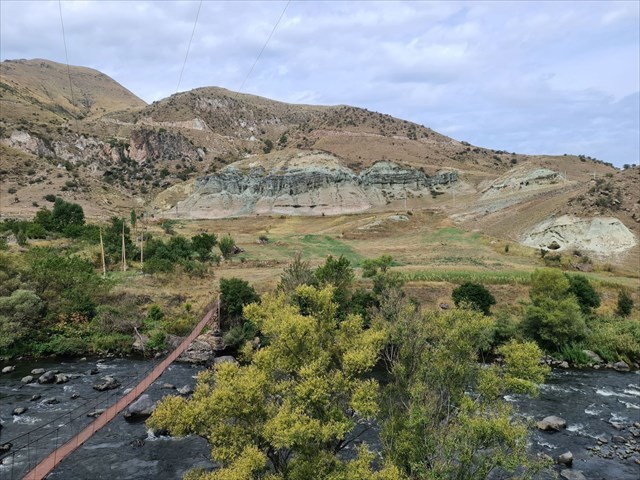
Near the river Mtkvari, next to the road from Tmogvi to Vardzia, you can see imposing geological formation, which interest you of beautiful blue color. What is it? What lies here and what happened some milions years ago? Come to see it.
Genesion
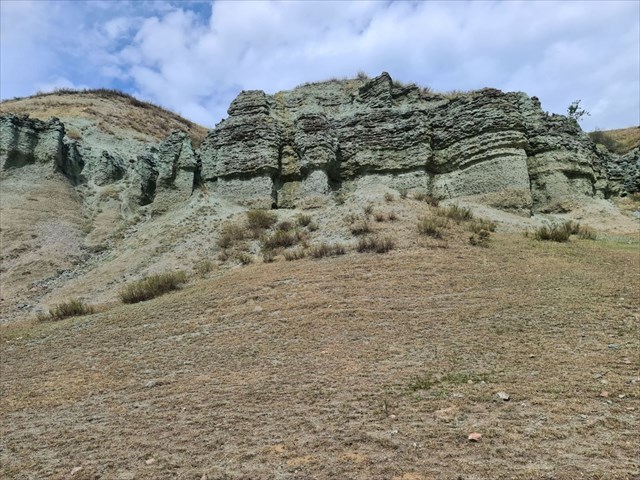
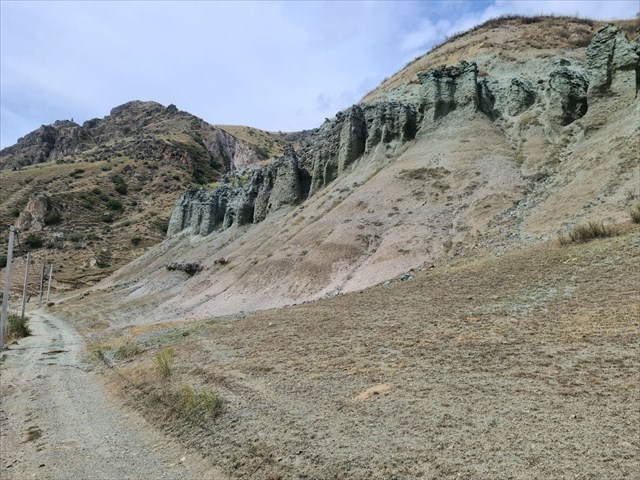
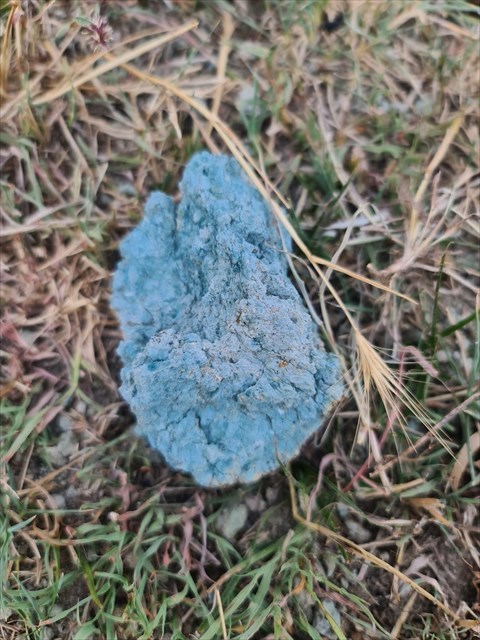
In the Tertiary period, there was a volcano here, which is sometimes described as a megavolcano. The rocks, what lies here, are acidic volcanic tuffs - simply said it is solidified ash from a local megavolcano. What is very special here and you cannot see it in many volcanic tuffs, is blue color of local rocks. What caused this discoloration?
The rocks are most probably coloured by secondary copper minerals such as malachite, azurite or chrysocol (which contains also aluminium and it can turn minerals to blue color). It could also be relatively rare mineral spertiniite (copper hydroxide). These secondary copper minerals form just such coatings as you can see in the last picture and of course near initial coordinates. All these volcanic sediments are also known as pyroclastics.
Pyroclastic
Pyroclastic rocks are clastic rocks composed of rock fragments produced and ejected by explosive volcanic eruptions. The individual rock fragments are known as pyroclasts. Pyroclastic rocks are a type of volcaniclastic deposit, which are deposits made predominantly of volcanic particles. "Phreatic" pyroclastic deposits are a variety of pyroclastic rock that forms from volcanic steam explosions and they are entirely made of accidental clasts. "Phreatomagmatic" pyroclastic deposits are formed from explosive interaction of magma with groundwater. The word pyroclastic is derived from the Greek πῦρ, meaning fire; and κλαστός, meaning broken.
Clastic rocks are composed of fragments, or clasts, of pre-existing minerals and rock. A clast is a fragment of geological detritus, chunks, and smaller grains of rock broken off other rocks by physical weathering. Geologists use the term clastic to refer to sedimentary rocks and particles in sediment transport, whether in suspension or as bed load, and in sediment deposits.
Pyroclasts include juvenile pyroclasts derived from chilled magma, mixed with accidental pyroclasts, which are fragments of country rock. Pyroclasts of different sizes are classified (from smallest to largest) as volcanic ash, lapilli, or volcanic blocks (or, if they exhibit evidence of having been hot and molten during emplacement, volcanic bombs). All are considered to be pyroclastic because they were formed (fragmented) by volcanic explosivity, for example during explosive decompression, shear, thermal decrepitation, or by attrition and abrasion in a volcanic conduit, volcanic jet, or pyroclastic density current.
| Size |
Pyroclast |
Unconsolidated |
Consolidated |
| >64 mm |
block |
block, agglomerate |
breccia, agglomerate |
| <64 mm |
lapillus |
lapilli |
lapillistone |
| <2 mm |
coarse ash |
coarse ash |
coarse tuff |
| <0,063 mm |
fine ash |
fine ash |
fine tuff |
Pyroclasts are transported in two main ways: in atmospheric eruption plumes, from which pyroclasts settle to form topography-draping pyroclastic fall layers, and by pyroclastic density currents, from which pyroclasts are deposited as pyroclastic density current deposits, which tend to thicken and coarsen in valleys, and thin and fine over topographic highs.
Pyroclastic flow
During explosive eruptions, pyroclastic flows are commonly formed on the slopes of volcanoes. It is a suspension of hot gases and volcanic material that moves down the slope of a volcano and can have catastrophically devastating effects.
A pyroclastic flow, also referred to as a hot cloud (fr. nuée ardente), is a frequently occurring phenomenon of explosive volcanic eruptions. It is a fast moving, fluidized mixture of hot volcanic gases, fragments of magma and volcanic ash, the temperature reaches from 100 to 1100 °C. Due to its greater density than air, it moves (similar to an avalanche) down the volcanic slope at high speed (100-700 km/h). These characteristics make it one of the most dangerous and devastating forms of volcanism.
Since 1500, pyroclastic flows have been responsible for around 91 thousand lives (33% of the total number of confirmed victims of volcanic activity), which is the most of all volcanic phenomenons. Pyroclastic flows occur during explosive eruptions of viscous magma.
Danger of pyroclastic flows
Due to the enormous temperature and speed, pyroclastic flows are the most dangerous manifestation of volcanic activity, more dangerous than the flowing lava. A person who is swallowed by the current dies within a few seconds of heat shock. He may be suffocated by volcanic gases and ash. People who only hit the edge of the current or are near the end of its course can survive, but often suffer severe burns and damage to the respiratory system. There is no guaranteed shelter against these phenomenons, even the interiors of brick and reinforced concrete buildings do not provide protection.
Pyroclastic flows gather a mass of air in front of them. This creates a shock wave, responsible for a significant part of the damages. There is no effective passive protection against it (dams or canals). Thanks to the speed and inertia, flows can overcome certain relief obstacles. They are able to move uphill or leave the valley of their route and enter the next one. It can easily move on the water. During the 1997 eruption of the Caribbean volcano Soufrière Hills, a pyroclastic flow was filmed traveling to within about 1 km of the coast. Upon contact with the water, the heavier particles sink, the water begins to vaporize with heat, and the light stream of ash and gases moves even faster than before on land. Some pyroclastic flows can cause tsunami waves when they enter the sea.
* * * * * * * * * * * *
Your tasks are:
1) On the initial coordinates, find some blue stone and describe its properties - color, hardness, structure
2) To which type of pyroclasts would you classify it, according to the table above (size of grains and solidification)
3) How would you define a pyroclastic flow?
4) Name some known disasters caused by pyroclastic flow.
5) Please post a photo from ground zero and add it to your log. It is a proof for me, that you have been here. Photos from the road are not alowed, come closer.
* * * * * * * * * * * *
Your right answers send me via message center or email through my profile, than you can log your visit. If your answers aren't correct, I will give you an echo. Please respect a rule - 1 log = 1 email with answers. In that case i will be uncompromising, who will log without sending answers, he will be deleted. It is a proof for me, that you were there and do something for a point. And please no retrespective logs from your sofa!
* * * * * * * * * * * *
 Summary translation via translator, sorry I can't speak georgian. If some kind geocacher would like to translate it, please contact me.
საქართველოს უნიკალური გეოგრაფიული მდებარეობა არის მისი ბუნების მრავალფეროვნების მიზეზი. მოძრავი ლოდები, კლდის სვეტები, ღრმა კანიონები, ვულკანური წარმონაქმნები, მდუღარე ტბები და გაქვავებული ტყეები - ეს ყველაფერი შთამბეჭდავი ბუნებრივი ძეგლებისა და ბუნების შემოქმედების მაგალითებია.
შესავალი
მდინარე მტკვართან, თმოგვიდან ვარძიისკენ მიმავალი გზის გვერდით, შეგიძლიათ იხილოთ შთამბეჭდავი გეოლოგიური წარმონაქმნი, რომელიც გაინტერესებთ ულამაზესი ლურჯი ფერის. Რა არის ეს? რა დევს აქ და რა მოხდა რამდენიმე მილიონი წლის წინ? მოდი სანახავად.
გენეზია
მესამე პერიოდში აქ იყო ვულკანი, რომელსაც ზოგჯერ მეგავულკანადაც უწოდებენ. ქანები, რაც აქ დევს, არის მჟავე ვულკანური ტუფები - უბრალოდ ნათქვამია, რომ ეს არის გამაგრებული ფერფლი ადგილობრივი მეგავულკანიდან. ის, რაც აქ განსაკუთრებულია და ბევრ ვულკანურ ტუფში ვერ ნახავთ, ადგილობრივი ქანების ლურჯი ფერია. რამ გამოიწვია ეს გაუფერულება?
ქანები, სავარაუდოდ, შეღებილია მეორადი სპილენძის მინერალებით, როგორიცაა მალაქიტი, აზურიტი ან კრიზოკოლი (რომელიც ასევე შეიცავს ალუმინს და მას შეუძლია მინერალები გადააქციოს ლურჯ ფერში). ეს ასევე შეიძლება იყოს შედარებით იშვიათი მინერალური სპერტინიიტი (სპილენძის ჰიდროქსიდი). ეს მეორადი სპილენძის მინერალები ქმნიან ზუსტად ისეთ საფარებს, როგორსაც ხედავთ ბოლო სურათზე. ყველა ეს ვულკანური ნალექი ასევე ცნობილია როგორც პიროკლასტები.
პიროკლასტიკური
პიროკლასტური ქანები არის კლასტური ქანები, რომლებიც შედგება ფეთქებადი ვულკანური ამოფრქვევის შედეგად წარმოქმნილი და გამოდევნილი კლდის ფრაგმენტებისგან. ცალკეული კლდის ფრაგმენტები ცნობილია როგორც პიროკლასტები. პიროკლასტური ქანები არის ვულკანოკლასტური საბადოების ტიპი, რომლებიც ძირითადად ვულკანური ნაწილაკებისგან შედგება. "ფრეასტური" პიროკლასტური საბადოები არის პიროკლასტური ქანების ნაირსახეობა, რომელიც წარმოიქმნება ვულკანური ორთქლის აფეთქების შედეგად და ისინი მთლიანად შედგება შემთხვევითი კლასტებისგან. "ფრეატომაგმატური" პიროკლასტური საბადოები წარმოიქმნება მაგმის ფეთქებადი ურთიერთქმედებით მიწისქვეშა წყლებთან. სიტყვა pyroclastic მომდინარეობს ბერძნული πῦρ, რაც ნიშნავს ცეცხლს; და κλαστός, რაც ნიშნავს გატეხილი.
კლასტიკური ქანები შედგება ადრე არსებული მინერალებისა და კლდეების ფრაგმენტებისაგან, ანუ კლასტებისგან. კლასტი არის გეოლოგიური ნარჩენების, ნატეხების და კლდის უფრო მცირე მარცვლების ფრაგმენტი, რომელიც სხვა კლდეებს არღვევს ფიზიკური ამინდის გამო. გეოლოგები იყენებენ ტერმინს კლასტიკას, რათა აღვნიშნოთ დანალექი ქანები და ნაწილაკები ნალექის ტრანსპორტირებაში, იქნება ეს სუსპენზიაში, როგორც საწოლში დატვირთვა და ნალექის საბადოებში.
პიროკლასტები მოიცავს არასრულწლოვან პიროკლასტებს, რომლებიც წარმოიქმნება გაცივებული მაგმისგან, შერეული შემთხვევით პიროკლასტებთან, რომლებიც წარმოადგენენ ქვეყნის ქანების ფრაგმენტებს. სხვადასხვა ზომის პიროკლასტები კლასიფიცირდება (პატარადან უდიდესამდე) როგორც ვულკანური ფერფლი, ლაპილი ან ვულკანური ბლოკები (ან, თუ ისინი აჩვენებენ მტკიცებულებას, რომ იყვნენ ცხელი და დნობის დროს, ვულკანური ბომბები). ყველა პიროკლასტურად ითვლება, რადგან ისინი წარმოიქმნება (ფრაგმენტირებული) ვულკანური ფეთქებადობის შედეგად, მაგალითად, ფეთქებადი დეკომპრესიის, ათვლის, თერმული დეკრეპიტაციის დროს ან ვულკანურ მილსადენის, ვულკანური ჭავლის ან პიროკლასტური სიმკვრივის დენის ცვეთა და აბრაზიით.
| ზომა |
პიროკლასტი |
არაკონსოლიდირებული |
კონსოლიდირებული |
| >64 mm |
ბლოკი |
ბლოკი, აგლომერატი |
ბრეჩია, აგლომერატი |
| <64 mm |
ლაპილუსი |
ლაპილი |
ლაპილისტონი |
| <2 mm |
უხეში ნაცარი |
უხეში ნაცარი |
უხეში ტუფი |
| <0,063 mm |
წვრილი ნაცარი |
წვრილი ნაცარი |
წვრილი ტუფი |
პიროკლასტები ტრანსპორტირდება ორი ძირითადი გზით: ატმოსფერული ამოფრქვევის ბუმბულით, საიდანაც პიროკლასტები სახლდებიან და ქმნიან ტოპოგრაფიულ პიროკლასტურ ვარდნის ფენებს და პიროკლასტური სიმკვრივის დენებით, საიდანაც პიროკლასტები დეპონირდება პიროკლასტური სიმკვრივის დენის დეპოზიტებად, რომლებიც სქელდებიან. ხეობები და წვრილი და წვრილი ტოპოგრაფიულ სიმაღლეებზე.
პიროკლასტური ნაკადი
ფეთქებადი ამოფრქვევის დროს, პიროკლასტური ნაკადები ჩვეულებრივ წარმოიქმნება ვულკანების ფერდობებზე. ეს არის ცხელი აირების და ვულკანური მასალის სუსპენზია, რომელიც მოძრაობს ვულკანის ფერდობზე და შეიძლება ჰქონდეს კატასტროფულად დამანგრეველი შედეგები.
პიროკლასტური ნაკადი, რომელსაც ასევე უწოდებენ ცხელ ღრუბელს (fr. nuée ardente), არის ფეთქებადი ვულკანური ამოფრქვევის ხშირი ფენომენი. ეს არის ცხელი ვულკანური აირების, მაგმის და ვულკანური ფერფლის ფრაგმენტების სწრაფად მოძრავი, გათხევადებული ნარევი, ტემპერატურა 100-დან 1100 °C-მდე აღწევს. ჰაერზე მეტი სიმკვრივის გამო, ის მოძრაობს (ზვავის მსგავსად) ვულკანის ფერდობზე დიდი სიჩქარით (100-700 კმ/სთ). ეს მახასიათებლები მას ვულკანიზმის ერთ-ერთ ყველაზე საშიშ და დამანგრეველ ფორმად აქცევს.
1500 წლიდან, პიროკლასტური ნაკადები პასუხისმგებელია დაახლოებით 91 ათასი ადამიანის სიცოცხლეზე (ვულკანური აქტივობის დადასტურებული მსხვერპლის საერთო რაოდენობის 33%), რაც ყველაზე მეტად ვულკანური ფენომენია. პიროკლასტური ნაკადები ხდება ბლანტი მაგმის ფეთქებადი ამოფრქვევის დროს.
პიროკლასტური ნაკადების საშიშროება
უზარმაზარი ტემპერატურისა და სიჩქარის გამო, პიროკლასტური ნაკადები ვულკანური აქტივობის ყველაზე საშიში გამოვლინებაა, უფრო სახიფათო, ვიდრე მიედინება ლავა. ადამიანი, რომელსაც დენი გადაყლაპავს, კვდება სითბური დარტყმის შედეგად რამდენიმე წამში. ის შესაძლოა დაახრჩო ვულკანურმა გაზებმა და ფერფლმა. ადამიანები, რომლებიც მხოლოდ დენის ზღვარს ხვდებიან ან მისი კურსის დასასრულს უახლოვდებიან, გადარჩებიან, მაგრამ ხშირად განიცდიან მძიმე დამწვრობას და სასუნთქი სისტემის დაზიანებას. არ არსებობს გარანტირებული თავშესაფარი ამ ფენომენებისგან, აგურის და რკინაბეტონის შენობების ინტერიერიც კი არ უზრუნველყოფს დაცვას.
პიროკლასტური ნაკადები აგროვებენ ჰაერის მასას მათ წინ. ეს ქმნის დარტყმის ტალღას, რომელიც პასუხისმგებელია ზარალის მნიშვნელოვან ნაწილზე. არ არსებობს ეფექტური პასიური დაცვა მისგან (ჯებირები ან არხები). სიჩქარისა და ინერციის წყალობით ნაკადებს შეუძლიათ გარკვეული რელიეფური დაბრკოლებების გადალახვა. მათ შეუძლიათ აღმართზე გადაადგილება ან თავიანთი მარშრუტის ხეობის დატოვება და შემდეგში შესვლა. მას ადვილად შეუძლია წყალზე გადაადგილება. 1997 წელს კარიბის ვულკანის Soufrière Hills-ის ამოფრქვევის დროს პიროკლასტური ნაკადი გადაიღეს, რომელიც მოგზაურობდა სანაპიროდან დაახლოებით 1 კმ-ის მანძილზე. წყალთან შეხებისას უფრო მძიმე ნაწილაკები იძირება, წყალი იწყებს აორთქლებას სითბოთი და ფერფლისა და გაზების მსუბუქი ნაკადი უფრო სწრაფად მოძრაობს, ვიდრე ადრე ხმელეთზე. ზოგიერთმა პიროკლასტურმა ნაკადმა შეიძლება გამოიწვიოს ცუნამის ტალღები, როდესაც ისინი ზღვაში შედიან.
* * * * * * * * * * * *
შენი ამოცანებია:
1) საწყის კოორდინატებზე იპოვეთ ცისფერი ქვა და აღწერეთ მისი თვისებები - ფერი, სიმტკიცე, სტრუქტურა
2) პიროკლასტების რომელ ტიპს მიაკუთვნებდით მას ზემოთ ცხრილის მიხედვით (მარცვლების ზომა და გამაგრება)
3) როგორ განსაზღვრავდით პიროკლასტურ ნაკადს?
4) დაასახელეთ პიროკლასტური ნაკადით გამოწვეული რამდენიმე ცნობილი კატასტროფა.
5) გთხოვთ გამოაქვეყნოთ ფოტო ნულიდან და დაამატეთ იგი თქვენს ჟურნალში. ეს ჩემთვის დასტურია, რომ აქ იყავი. გზიდან ფოტოები არ არის ნებადართული, მიუახლოვდით.
* * * * * * * * * * * *
თქვენი სწორი პასუხები გამომიგზავნეთ შეტყობინებების ცენტრის ან ელ.ფოსტის მეშვეობით ჩემი პროფილის მეშვეობით, ვიდრე თქვენ შეგიძლიათ შეხვიდეთ თქვენს ვიზიტზე. თუ თქვენი პასუხები არ არის სწორი, მე მოგცემთ გამოხმაურებას. გთხოვთ, დაიცვან წესი - 1 ჟურნალი = 1 ელფოსტა პასუხებით. ამ შემთხვევაში მე ვიქნები უკომპრომისო, ვინც პასუხების გაგზავნის გარეშე შევა, ის წაიშლება. ეს ჩემთვის იმის დასტურია, რომ შენ იქ იყავი და რაღაცას აკეთებ. და გთხოვთ, ნუ მორიდებით თქვენი დივანიდან!