|

🇨🇿 Vítejte u mé další EarthCache z Pragensis série. Tentokrát vás přivedu ke stopám Finska v samotném srdci Prahy. 🇬🇧 Welcome to my next EarthCache from the Pragensis series. This time I will bring you to traces of Finland in the very heart of Prague.
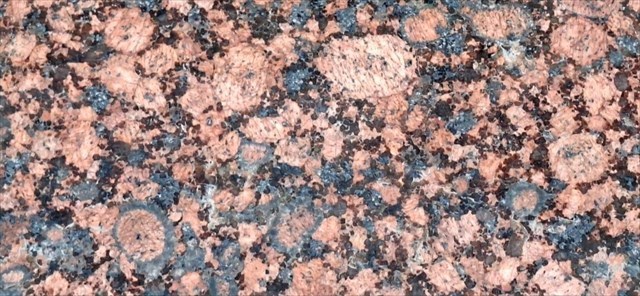
Pyterlitová žula / Pyterlite granite
🇨🇿 Pyterlitová žula, která se také označuje jako kámen dědictví z Finska, je červená rapakivi žula. Textura rapakivi žuly dává kameni jeho typický vzhled. Nejtypičtější texturou rapakivi granitu jsou velké kulaté megakrysty draselného živce (vejce) obklopené plagioklasovým okrajem. Tato unikátní hornina byla široce používána v historických částech měst, například při zakládání staveb, na nábřežích a na dalších památkách. Na rapakivi granit jsem narazil na svých cestách po celé Evropě, dá se tedy považovat za hojně rozšířený. Červený pyterlit se přírodně vyskytuje ve Finsku mezi centrem Virolahti, Hämeenkylä a Ala-Pihlaja. Rozsáhlá těžba hornin začala v této oblasti na konci 18. století.
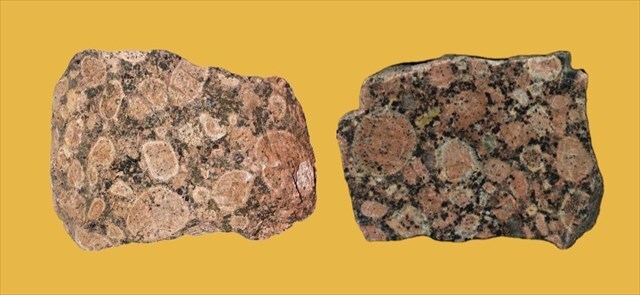
🇬🇧 Also referred to as a heritage stone from Finland, pyterlite granite is a red rapakivi granite. The texture of rapakivi granite gives the stone its typical appearance. The most typical texture of rapakivi granite is large round megacrysts of potassium feldspar (eggs) surrounded by a plagioclase rim. The term pyterlite is used when the ovoid crystals lack a plagioclase rim (see image below). This unique rock was widely used in the historical part of cites, for example in the foundation of buildings, on the embankments and on several monuments. I came across rapakivi granite on my travels all over Europe, so it can be considered widespread. Red pyterlite occurs naturally in Finland between the center of Virolahti, Hämeenkylä and Ala-Pihlaja. Extensive rock mining began in the area at the end of the 18th century.
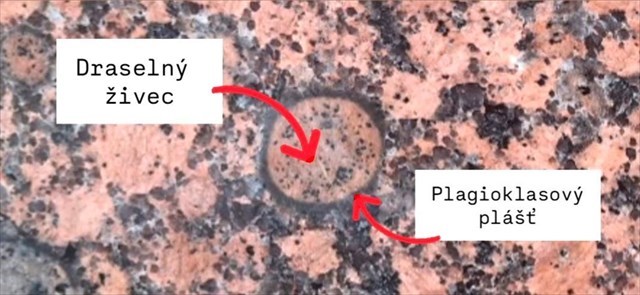
Krystaly Rapakivi / Rapakivi Crystals
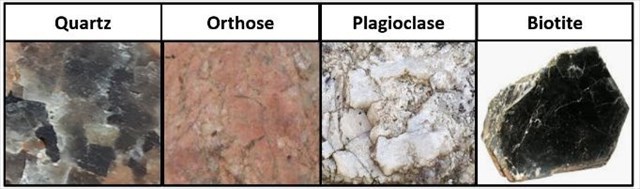
🇨🇿 Nejvýraznějším rysem pyterlitové žuly rapakivi je její hrubá textura s velkými vejčitými krystaly draselného živce (často načervenalé nebo růžové barvy), které jsou obklopeny prstenci bílého nebo šedého plagioklasového pláště. Krystaly živce jsou obvykle zasazeny do základní hmoty křemene, biotitu a rohovce.
Vznik kulatých krystalů draselného živce byl dlouhou dobu záhadou, protože minerály se tvoří pouze s rovnými okraji. Během zvýšení teploty nebo snížení okolního tlaku v magmatu však mohou krystaly opět ztratit své okraje. Poté se minerály na vnější straně začnou tavit, nejprve se kulatí, pak se zmenšují a zmenšují, až se nakonec úplně rozpustí. Pokud takové tavení trvá krátkou dobu, zůstanou krystaly kulaté.
Vznik kruhových plagioklasových pláštů kolem kulatých krystalů draselného živce zůstával také dlouhou dobu geologickou záhadou. Rapakivi magma umožňuje tvorbu plagioklasových prstenců pouze na konci krystalizačního procesu. Roztavená žula chudá na vodu má markantně odlišný proces krystalizace než běžné žuly, jejichž magma obsahuje větší množství vody.
🇬🇧 The most distinctive feature of rapakivi pyterlite granite is its coarse texture with large ovoid potassium feldspar crystals (often reddish or pink in color) surrounded by rings of white or gray plagioclase mantle. Feldspar crystals are usually embedded in a groundmass of quartz, biotite, and hornblende.
The formation of the round crystals of potassium feldspar has long been a mystery because the minerals form only with straight edges. However, during an increase in temperature or a decrease in the ambient pressure in the magma, the crystals may lose their edges again. Then the minerals on the outside begin to melt, first becoming round, then shrinking and shrinking, until they finally dissolve completely. If such melting takes a short time, the crystals will remain round.
The formation of circular plagioclase shells around round potassium feldspar crystals also remained a geological mystery for a long time. Rapakivi magma allows the formation of plagioclase rings only at the end of the crystallization process. Molten granite poor in water has a markedly different crystallization process than ordinary granites, whose magma contains more water.
(https://coord.info/GC94V67)
Vznik / Formation
🇨🇿 Většina magmat tvořících pyterlitovou rapakivi žulu je velmi stará a krystalizovala před 1800 až 1000 miliony let (mezoproterozoikum). Tyto plutonické horniny jsou výsledkem frakční krystalizace jednoho mateřského magmatu v rozsáhlých magmatických komorách rozmístěných mezi 2 a 12 km pod zemským povrchem.
Toto ochlazování bylo provedeno velmi pomalu, což umožnilo tvorbu krystalů (čím pomaleji se magma ochlazuje, tím větší a lépe tvarované krystaly). Přítomnost plagioklasu kolem alkalického živce naznačuje konkrétní podmínky krystalizace žulového magmatu.
Pozdní krystalizace může dokonce vést k tomu, že se fragmenty krystalů oddělí od větších krystalů, které se dostanou do magmatu a také obdrží povlak plagioklasu.
🇬🇧 Most of the magmas forming the pyterlite rapakivi granite are very old and crystallized between 1800 and 1000 million years ago (Mesoproterozoic). These plutonic rocks are the result of fractional crystallization of a single parent magma in extensive magma chambers located between 2 and 12 km below the Earth's surface.
This cooling was done very slowly, allowing crystals to form (the slower the magma cools, the larger and better shaped the crystals). The presence of plagioclase around the alkali feldspar indicates the specific conditions of crystallization of the granitic magma.
Late crystallization may even result in crystal fragments separating from larger crystals that enter the magma and also receive a plagioclase coating.
🇨🇿 Pro zalogování jako "found it" mi musíte na email přes profil poslat odpovědi na následující otázky a úkoly:
1) Čím se vyznačuje pyterlitová rapakivi žula? Jak vznikají krystaly draselného živce?
2) Pozorujte pyterlitové desky na úvodních souřadnicích. Jak se liší krystaly draselného živce od jejich vnějšího plagioklasového pláště?
3) Charakterizujte tvar a velikost jednotlivých krystalů. Na základě vašeho pozorování na místě určete, zda ochlazování magmatu probíhalo rychle a nebo pomalu.
4) Do logu nahrajte fotku sebe nebo vaší GPS s krystaly rapakivi na úvodních souřadnicích. 🇬🇧 For log as "found it" please send me answers for those questions via my profile:
1) What characterizes pyterlite rapakivi granite? How do potassium feldspar crystals form?
2) Observe the pyterlite slabs at the initial coordinates. How do potassium feldspar crystals differ from their outer plagioclase shell?
3) Characterize the shape and size of individual crystals. Based on your observation, determine whether the cooling of the magma was rapid or slow.
4) Upload a photo of yourself or your GPS with the rapakivi granite on initial coords to the log.
🇨🇿 Prosím, logujte ihned po odeslání odpovědí, díky. 🇬🇧 Please log in immediately after sending your answers, thanks.
Photos by DanielKotmel, 2025. Sources -
Rapakivi granite [online]. Dostupné z https://www.gtk.fi/en/current/first-natural-stone-from-finland-ratified-in-the-catalog-of-world-heritage-stones/ [cit. 12. 01. 2025].
Pyterlite Quarries [online]. Dostupné z https://www.visitfinland.com/en/product/c766617b-1533-4565-999a-3d938160cd93/pyterlahti-granite-quarry/ [cit. 12. 01. 2025].
Igneous rocks [online]. Dostupné z https://www.britannica.com/science/rapakivi [cit. 12. 01. 2025].

|