|

🇸🇰 Moja ďalšia EarthCache vám ukáže stopy Fínska v samotnom srdci Bratislavy. 🇬🇧 My next EarthCache will show you traces of Finland in the very heart of Bratislava.
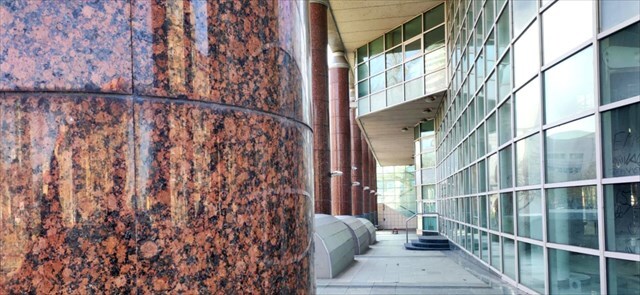
Pyterlitová žula / Pyterlite granite
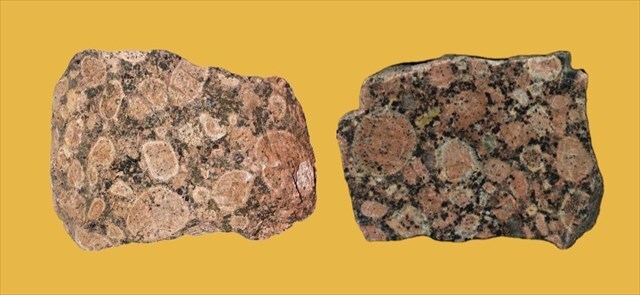
🇸🇰 Pyterlitová žula, ktorá sa tiež označuje ako kameň dedičstva z Fínska, je červená rapakivi žula. Textúra rapakivi žuly dáva kameňu jeho typický vzhľad. Najtypickejšou textúrou rapakivi granitu sú veľké okrúhle megakrysty draselného živca (vajcia) obklopené plagioklasovým okrajom. Táto unikátna hornina bola široko používaná v historických častiach miest, napríklad pri zakladaní stavieb, na nábrežiach a pri ďalších pamiatkach. Na rapakivi granit som narazil počas svojich ciest po celej Európe, takže ho možno považovať za hojne rozšírený. Červený pyterlit sa prirodzene vyskytuje vo Fínsku medzi centrom Virolahti, Hämeenkylä a Ala-Pihlaja. Rozsiahla ťažba horniny sa v tejto oblasti začala koncom 18. storočia. 🇬🇧 Also referred to as a heritage stone from Finland, pyterlite granite is a red rapakivi granite. The texture of rapakivi granite gives the stone its typical appearance. The most typical texture of rapakivi granite is large round megacrysts of potassium feldspar (eggs) surrounded by a plagioclase rim. The term pyterlite is used when the ovoid crystals lack a plagioclase rim (see image below). This unique rock was widely used in the historical part of cites, for example in the foundation of buildings, on the embankments and on several monuments. I came across rapakivi granite on my travels all over Europe, so it can be considered widespread. Red pyterlite occurs naturally in Finland between the center of Virolahti, Hämeenkylä and Ala-Pihlaja. Extensive rock mining began in the area at the end of the 18th century.
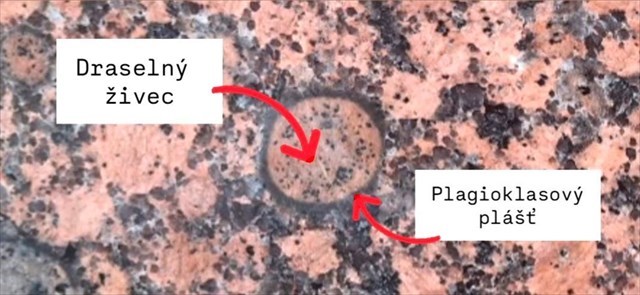
Kryštály Rapakivi / Rapakivi Crystals
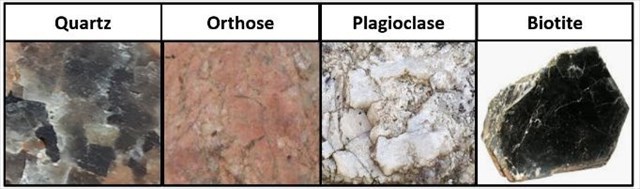
🇸🇰 Najvýraznejším rysom pyterlitovej žuly rapakivi je jej hrubá textúra s veľkými vajcovitými kryštálmi draselného živca (často červenkastej alebo ružovej farby), ktoré sú obklopené prstencami bieleho alebo šedého plagioklasového plášťa. Kryštály živca sú obvykle zasadené do základnej hmoty kremeňa, biotitu a rohovca.
Vznik okrúhlych kryštálov draselného živca bol dlhú dobu záhadou, pretože minerály sa tvoria iba s rovnými okrajmi. Počas zvýšenia teploty alebo zníženia okolitého tlaku v magme však môžu kryštály opäť stratiť svoje okraje. Potom sa minerály na vonkajšej strane začnú taviť, najprv sa guľatí, potom sa zmenšujú a zmenšujú, až sa nakoniec úplne rozpustia. Pokiaľ také tavenie trvá krátku dobu, zostanú kryštály okrúhle.
Vznik kruhových plagioklasových plášťov okolo okrúhlych kryštálov draselného živca zostával tiež dlhú dobu geologickou záhadou. Rapakivi magma umožňuje tvorbu plagioklasových prstencov iba na konci kryštalizačného procesu. Roztavená žula chudobná na vodu má markantne odlišný proces kryštalizácie ako bežné žuly, ktorých magma obsahuje väčšie množstvo vody.
🇬🇧 The most distinctive feature of rapakivi pyterlite granite is its coarse texture with large ovoid potassium feldspar crystals (often reddish or pink in color) surrounded by rings of white or gray plagioclase mantle. Feldspar crystals are usually embedded in a groundmass of quartz, biotite, and hornblende.
The formation of the round crystals of potassium feldspar has long been a mystery because the minerals form only with straight edges. However, during an increase in temperature or a decrease in the ambient pressure in the magma, the crystals may lose their edges again. Then the minerals on the outside begin to melt, first becoming round, then shrinking and shrinking, until they finally dissolve completely. If such melting takes a short time, the crystals will remain round.
The formation of circular plagioclase shells around round potassium feldspar crystals also remained a geological mystery for a long time. Rapakivi magma allows the formation of plagioclase rings only at the end of the crystallization process. Molten granite poor in water has a markedly different crystallization process than ordinary granites, whose magma contains more water.
(https://coord.info/GC94V67)
Vznik / Formation
🇸🇰 Väčšina magmat tvoriacich pyterlitovú rapakivi žulu je veľmi stará a kryštalizovala pred 1800 až 1000 miliónmi rokov (mezoproterozoikum). Tieto plutonické horniny sú výsledkom frakčnej kryštalizácie jednej materskej magmy v rozsiahlych magmatických komorách rozmiestnených medzi 2 a 12 km pod zemským povrchom.
Toto ochladzovanie bolo vykonané veľmi pomaly, čo umožnilo tvorbu kryštálov (čím pomalšie sa magma ochladzuje, tým väčšie a lepšie tvarované kryštály). Prítomnosť plagioklasu okolo alkalického živca naznačuje konkrétne podmienky kryštalizácie žulovej magmy.
Neskorá kryštalizácia môže dokonca viesť k tomu, že sa fragmenty kryštálov oddelia od väčších kryštálov, ktoré sa dostanú do magmy a tiež dostanú povlak plagioklasu.
🇬🇧 Most of the magmas forming the pyterlite rapakivi granite are very old and crystallized between 1800 and 1000 million years ago (Mesoproterozoic). These plutonic rocks are the result of fractional crystallization of a single parent magma in extensive magma chambers located between 2 and 12 km below the Earth's surface.
This cooling was done very slowly, allowing crystals to form (the slower the magma cools, the larger and better shaped the crystals). The presence of plagioclase around the alkali feldspar indicates the specific conditions of crystallization of the granitic magma.
Late crystallization may even result in crystal fragments separating from larger crystals that enter the magma and also receive a plagioclase coating.
🇸🇰 Pre zalogovanie ako "found it" mi musíte na email cez profil poslať odpovede na nasledujúce otázky a úlohy:
1) Čím sa vyznačuje pyterlitová rapakivi žula?
2) Pozorujte pyterlitom obložené stĺpy na úvodných súradniciach. Ako sa líšia kryštály draselného živca od ich vonkajšieho plagioklasového plášťa?
3) Na základe vášho pozorovania na mieste určite, či ochladzovanie magmy prebiehalo rýchlo alebo pomaly.
4) Do logu nahrajte fotku seba alebo vašej GPS s kryštálmi rapakivi na úvodných súradniciach. 🇬🇧 For log as "found it" please send me answers for those questions via my profile:
1) What characterizes pyterlite rapakivi granite?
2) Observe the pyterlite columns at the initial coordinates. How do potassium feldspar crystals differ from their outer plagioclase shell?
3) Based on your observation, determine whether the cooling of the magma was rapid or slow.
4) Upload a photo of yourself or your GPS with the rapakivi granite on initial coords to the log.
🇸🇰 Prosím, logujte ihneď po odoslaní odpovedí, vďaka. 🇬🇧 Please log in immediately after sending your answers, thanks.
Photos by DanielKotmel, 2025. Sources -
Rapakivi granite [online]. Dostupné z https://www.gtk.fi/en/current/first-natural-stone-from-finland-ratified-in-the-catalog-of-world-heritage-stones/ [cit. 28. 02. 2025].
Pyterlite Quarries [online]. Dostupné z https://www.visitfinland.com/en/product/c766617b-1533-4565-999a-3d938160cd93/pyterlahti-granite-quarry/ [cit. 28. 02. 2025].
Igneous rocks [online]. Dostupné z https://www.britannica.com/science/rapakivi [cit. 28. 02. 2025].

|