Skip to content

Reflectiva ou dissipativa? EarthCache

Hidden : 06/04/2025
Difficulty:
2.5 out of 5
Terrain:
2.5 out of 5

Size: Size:   other (other)

Join now to view geocache location details. It's free!

Watch

How Geocaching Works

Please note Use of geocaching.com services is subject to the terms and conditions in our disclaimer.

Geocache Description:


Perguntas para responder - questions to answer

Para reclamar esta EarthCache deverá enviar-me, através do meu perfil e antes de qualquer registo, as respostas às seguintes questões. Se algo estiver incorrecto será contactado. Não é necessário esperar por qualquer autorização. Por favor NÂO ENVIE fotografias. Essas são mais úteis no registo.

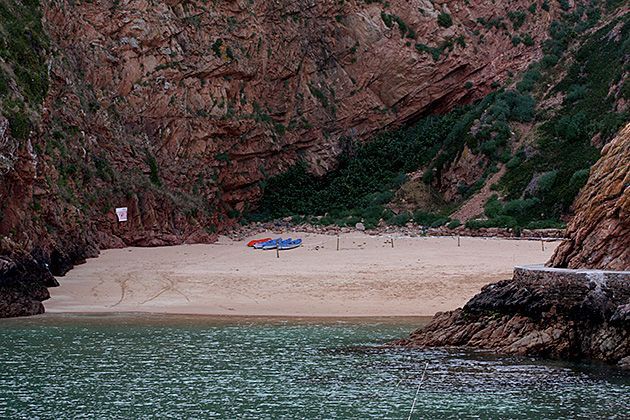
Nas coordenadas da EarthCache está no areal da Praia do Carreiro do Mosteiro..

1 - Meça o declive da praia.

2 - Através do resultado anterior a Praia do Carreiro do Mosteiro é de que tipo? a) dissipativa; b) reflectiva; c) intermédia.


Obrigatório:

Uma foto por cada registo. Ou claramente identificado no ponto zero (no meio da praia) com a falésia como pano de fundo ou senão o desejar uma foto no areal com o gccode desta EC escrito na areia e acompanhado por um pé. Obrigado pela visita.

To claim this EarthCache one should send me, through my profile and before any found log, the answers to the following questions. If something is incorrect I'll contact you. There is no need to wait for any authorization. Please DO NOT SEND photos. These are more useful on the log.

At the EarthCache coordinates you are on the sand of Praia do Carreiro do Mosteiro.

1 - Measure the beach’s slope.

2 - Based on the previous result, what type of beach is Carreiro do Mosteiro? a) dissipative; b) reflective; c) intermediate.


Mandatory:

One photo for each entry. Either clearly identified at ground zero (in the middle of the beach) with the cliff as background, or, if desired, a photo on the sand with the gccode for this EC written in the sand and accompanied by a foot. Thank you for visiting.


Tipos de praia:


A inclinação da praia, também conhecida como declive da face da praia ou declive da linha da frente, refere-se ao ângulo em que a face da praia se inclina da linha de costa para terra. É uma característica dinâmica que se altera com base nas condições das ondas e na composição dos sedimentos. Normalmente, as encostas da praia variam de suaves (dissipativas) a íngremes (reflexivas), com declives intermédios entre elas.

Praias dissipativas:

Apresentam declives suaves (tipicamente inferiores a 0,05 ou 3 graus). São frequentemente encontrados em áreas com elevada energia de onda, onde o declive suave permite que as ondas dissipem a sua energia gradualmente.

Praias reflectivas:

Apresentam declives acentuados (tipicamente superiores a 0,1 ou 6 graus). São comuns em áreas com baixa energia das ondas, onde as ondas refletem de volta para o oceano em vez de rebentarem na praia.

Praias intermédias:

Têm declives moderados (entre 0,05 e 0,1 ou 3 a 6 graus) e apresentam características de praias dissipativas e reflectivas.


Factores que afetam o declive da praia:

Energia das ondas:

Energias de onda mais elevadas levam geralmente a declives mais suaves (dissipativas), enquanto energias de onda mais baixas resultam em declives mais íngremes (reflectivas).

Tamanho do grão dos sedimentos:

Praias com sedimentos maiores (como seixos ou rochas) tendem a ter declives mais acentuados do que aquelas com areia mais fina. Isto porque os sedimentos maiores são mais permeáveis, permitindo que a água escoe mais facilmente e reduzindo a força erosiva da onda de recuo.

Composição do sedimento:

As alterações na composição dos sedimentos, como a erosão ou a deposição, podem também afetar a encosta da praia. Por exemplo, as condições de tempestade podem achatar a encosta da praia devido à erosão, enquanto as condições mais calmas podem levar a uma encosta mais íngreme à medida que o material é depositado.

Amplitude de maré:

A amplitude das marés também pode influenciar a inclinação da praia, com maiores amplitudes de marés a conduzirem potencialmente a um perfil de praia mais amplo e a uma inclinação geral mais suave.


Medição do declive da praia:

O declive da praia é normalmente medido como o ângulo (em graus) entre a face da praia e um plano horizontal.

Um transferidor ou clinómetro pode ser utilizado para medir o ângulo diretamente. Aqui pode aprender a fazer um você mesmo.

Em alternativa, a inclinação pode ser calculada utilizando a elevação sobre a distância (distância vertical sobre distância horizontal).


Esquema de praia

ref: wikipedia, https://www.nps.gov/articles/effects-of-grain-size-and-slope.htm , https://www.internetgeography.net/topics/landforms-of-coastal-deposition/ , https://www.numberanalytics.com/blog/beach-slope-essentials , https://www.researchgate.net/publication/358979403_A_punctuated_equilibrium_model_for_storm_response_of_geologically_controlled_beaches_Application_to_western_Portuguese_beaches


Beach types:


Beach slope, also known as beach face slope or foreshore slope, refers to the angle at which the beach face inclines from the shoreline towards the land. It's a dynamic feature that changes based on wave conditions and sediment composition. Typically, beach slopes range from gentle (dissipative) to steep (reflective), with intermediate slopes in between.

Dissipative Beaches:

These have gentle slopes (typically less than 0.05 or 3 degrees). They are often found in areas with high wave energy, where the gentle slope allows waves to dissipate their energy gradually.

Reflective Beaches:

These have steep slopes (typically greater than 0.1 or 6 degrees). They are common in areas with low wave energy, where waves reflect back into the ocean rather than breaking on the beach.

Intermediate Beaches:

These have moderate slopes (between 0.05 and 0.1 or 3 to 6 degrees) and exhibit characteristics of both dissipative and reflective beaches.


Factors affecting beach slope:

Wave Energy:

Higher wave energy generally leads to gentler slopes (dissipative), while lower wave energy results in steeper slopes (reflective).

Sediment Grain Size:

Beaches with larger sediment (like pebbles or cobbles) tend to have steeper slopes than those with finer sand. This is because larger sediments are more permeable, allowing water to drain more easily and reducing the erosive force of the backwash.

Sediment Composition:

Changes in sediment composition, such as erosion or deposition, can also affect the beach slope. For example, storm conditions can flatten the beach slope due to erosion, while calmer conditions can lead to a steeper slope as material is deposited.

Tidal Range:

The tidal range can also influence beach slope, with higher tidal ranges potentially leading to a wider beach profile and a gentler overall slope.


Measuring Beach Slope:

Beach slope is typically measured as the angle (in degrees) between the beach face and a horizontal plane.

A protractor or clinometer can be used to measure the angle directly. Here you can learn how to make one yourself.

Alternatively, the slope can be calculated using the rise over run (vertical distance over horizontal distance).


Beach scheme

ref: wikipedia, https://www.nps.gov/articles/effects-of-grain-size-and-slope.htm , https://www.internetgeography.net/topics/landforms-of-coastal-deposition/ , https://www.numberanalytics.com/blog/beach-slope-essentials , https://www.researchgate.net/publication/358979403_A_punctuated_equilibrium_model_for_storm_response_of_geologically_controlled_beaches_Application_to_western_Portuguese_beaches


O acesso às ilhas Berlengas é controlado. O melhor local para informação é onde se apanha o barco. Há diferentes ofertas com vários horários e que, geralmente, tratam também da taxa de acesso. Aqui pode consultar a tabela de marés. Pode ser útil.


Access to the Berlengas Islands is controlled. The best place to get information is where you catch the boat. There are different offers with different schedules, which usually also include the access fee. Here you can check the tide chart. It might be helpful


Por favor não partilhe as respostas. Para que continuem a existir earthcaches junte ao registo uma fotografia desse dia no ponto zero. Assim ajuda a acabar com as visitas fantasmas a lembrar o Walter Mitty.
Please do not share the answers. To make sure that earthcaches endure append to your log a photo of the day at ground zero. It helps to end ghost visits that resemble Walter Mitty.


Additional Hints (No hints available.)