
🌍 EarthCache: Brașov Citadel — Limestone, Carpathian History and Weathering
Location: Brașov, Romania
Coordinates: N 45° 38.940′ E 25° 35.490′
📍 Location
The Brașov Citadel stands a prominent limestone ridge within the Postăvarul Massif of the Eastern Carpathians. Rising about 400 meters above the city, it offered both a strategic military vantage point and natural defense.
🪨 Geological Background
The Tâmpa limestone formed millions of years ago in a warm shallow sea, composed mainly of calcium carbonate (CaCO₃) from shells and marine organisms. Over geological time, tectonic uplift folded and raised these sediments to their current elevation. In the surrounding region, volcanic andesite with xenoliths is also found, showing a complex geological history.
🪨 What is Weathering?
Weathering is the first step in the breakdown of rock. The rock stays in place — it is not transported, but changes where it stands.
Weathering prepares rock to be carried away by erosion. In ancient stone structures such as the Sergii Arch in Pula, these processes are easy to observe because the stone is unprotected from the elements.
Three main types of weathering:
🔹 1. Physical (Mechanical) Weathering
The rock is broken down by mechanical forces without changing its chemical composition.
Typical processes:
• Thermal expansion:
In Pula, there are noticeable daily temperature differences. Limestone expands during the day and contracts at night – creating stress that can cause cracks.
• Salt crystallisation:
Water containing dissolved salts enters pores and cracks. When it evaporates, salt crystals grow and exert pressure, causing flaking, granular disintegration, and crumbling surfaces.
• Frost action (rare in Pula):
Water freezes in cracks, expands, and breaks the rock. This can occur in colder inland or high-altitude regions of Croatia.
🔹 2. Chemical Weathering
The rock is altered or dissolved through chemical reactions.
The limestone of the arch consists mainly of calcium carbonate (CaCO₃), which reacts with slightly acidic rainwater:
CaCO₃ + CO₂ + H₂O → Ca(HCO₃)₂ (soluble)
This process slowly dissolves limestone, leading to rounded shapes, worn inscriptions, and loss of carved detail.
Signs of chemical weathering:
• Smooth, rounded edges
• “Washed out” surfaces
• Depressions or drip marks from flowing water
🔹 3. Biological Weathering
Living organisms attack the stone mechanically or chemically:
• Plant roots enter cracks and break rock as they grow
• Lichens and moss produce acids that soften the surface
• Microorganisms produce substances that react with minerals in the rock
In Pula, you may find small plants or lichens in shaded or damp spots – they are part of this process.

🌬️ What is Erosion?
Erosion is the transport of weathered material. Without weathering there is no erosion – but without erosion, the broken material stays in place.
Forces of erosion in Pula:
💨 Wind
Carries sand and dust, which act like a natural sandblaster, wearing down rock over centuries. Most noticeable on exposed edges and blocks.
💧 Water (Rain & Runoff)
Rainwater quickly runs off the stone surfaces, washing away loose particles, carving channels, or creating small pits from dripping.
🧱 Gravity
Weathered stones may fall due to their own weight or vibrations, common on walls or columns.
🧠 Why is this important?
These processes show how quickly historic monuments can deteriorate, even without human interference. Understanding them helps archaeologists and conservators to:
• Identify vulnerable stone types
• Decide where protection is needed
• Reconstruct the original appearance of ancient buildings
EarthCaching lets you observe first-hand how nature alters monuments – a practical lesson in geoscience.
🔍 Observation Tasks (Logging Requirements)
Please answer the following questions on site in your own words
Your answers must be based on observations made at the citadel.
- Identify the rock type:
Describe the rock of the citadel. Which visible characteristics (color, structure, layering) indicate limestone?
Enter your answer here — at least 2–3 full sentences.
- Chemical weathering:
Find a spot with smooth, rounded surfaces or depressions. Describe how water might have caused these shapes.
Your observations and explanation here.
- Physical weathering:
Do you see cracks or flaking? Which of these could have been caused by temperature changes or frost?
Describe locations, size, and possible causes.
- Biological weathering:
Do you spot plants, moss, or lichens on the structure? Describe how they might affect the stone.
Note where they grow, which type (if identifiable), and their possible impact.
- Signs of pollution:
Find dark crusts or coatings. Explain how these form chemically and why they are problematic for limestone.
Describe appearance, location, and possible chemical processes (e.g., gypsum crust formation).
📸 Photo Requirement
Upload a photo of yourself or your GPS with the citadel in the background. Your cacher name must be visible on paper or a screen. This photo is not a replacement for answering the questions.
⚠️ Important
Do not touch or damage the monument. Stay in publicly accessible areas. Respect the historic structure.

🌍 EarthCache: Cetatea Brașov — Calcar, istoria Carpaților și intemperii
Locație: Brașov, România
Coordonate: N 45° 38.940′ E 25° 35.490′
📍 Locația
Cetatea Brașov se află un pinten de calcar din Masivul Postăvarul, Carpații de Curbură. La aproximativ 400 m deasupra orașului, a oferit un punct strategic militar și apărare naturală.
🪨 Fundal geologic
Calcarul de pe Tâmpa s-a format acum milioane de ani într-o mare caldă și puțin adâncă, compus în principal din carbonat de calciu (CaCO₃) provenit din scoici și organisme marine. Ridicarea tectonică a împins aceste sedimente la altitudinea actuală. În regiune se găsesc și andezite vulcanice cu xenoliți, dovadă a unei istorii geologice complexe.
🪨 Ce este alterarea (verwitterung)?
Alterarea este descompunerea naturală a rocii la locul ei — fără transport. În acest proces, roca este modificată prin procese fizice, chimice sau biologice.
Se disting trei tipuri principale:
🔹 1. Alterarea fizică (mecanică)
Alterarea prin variații de temperatură: Fluctuațiile zilnice de temperatură duc la dilatarea și contracția rocii, ceea ce provoacă fisuri.
Alterarea prin cristale de sare: Apa sărată pătrunde în pori și fisuri. La evaporare, sarea cristalizează și desprinde mici fragmente.
Alterarea prin îngheț (rară în Pula): Apa îngheață în fisuri, se dilată și sparge roca.
🔹 2. Alterarea chimică
Calcarul (în principal CaCO₃) reacționează cu apa de ploaie ușor acidă și se dizolvă:
CaCO₃ + CO₂ + H₂O → Ca(HCO₃)₂
Recunoscută prin muchii netede și rotunjite, detalii erodate și adâncituri.
🔹 3. Alterarea biologică
Rădăcinile plantelor pătrund în crăpături și le lărgesc.
Lichenii și mușchii eliberează acizi care atacă piatra.
Microorganismele modifică mineralele prin reacții chimice.
🌬️ Ce este eroziunea?
Eroziunea este transportul materialului deja alterat prin vânt, apă sau gravitație.
Principalii factori la Arcul lui Sergius:
💨 Vântul
acționează ca un jet de nisip și șlefuiește suprafețele expuse.
💧 Apa
Ploaia și scurgerile spală materialul desprins, formând șanțuri și adâncituri.
🧱 Gravitația
pietrele slăbite pot cădea.
🧠 De ce este important?
Aceste procese determină viteza cu care îmbătrânesc monumentele istorice. Ele oferă indicii valoroase pentru arheologi și restauratori:
Care pietre sunt cele mai vulnerabile?
Unde sunt necesare măsuri de protecție?
Cum arătau inițial construcțiile?
🔍 Sarcini de observație (cerințe pentru logare)
Te rog să răspunzi la următoarele întrebări la fața locului, în propriile tale cuvinte
Răspunsurile tale trebuie să se bazeze pe observații făcute la cetate.
- Identificarea tipului de rocă:
Descrie roca cetății. Ce caracteristici vizibile (culoare, structură, stratificare) indică calcarul?
Introduceți aici răspunsul — cel puțin 2–3 propoziții complete.
- Alterarea chimică:
Găsește un loc cu suprafețe netede, rotunjite sau adâncituri. Descrie cum apa ar fi putut cauza aceste forme.
Observațiile și explicația ta aici.
- Alterarea fizică:
Vezi crăpături sau exfolieri? Care dintre acestea ar fi putut fi cauzate de schimbările de temperatură sau îngheț?
Descrie locațiile, dimensiunile și posibilele cauze.
- Alterarea biologică:
Observi plante, mușchi sau licheni pe construcție? Descrie cum ar putea acestea să afecteze piatra.
Notează unde cresc, ce tip (dacă poate fi identificat) și impactul posibil.
- Urme de poluare:
Găsește cruste sau depuneri întunecate. Explică cum se formează chimic și de ce sunt problematice pentru calcar.
Descrie aspectul, locația și posibilele procese chimice (ex.: formarea crustei de ghips).
📸 Cerință foto
Încarcă o fotografie cu tine sau cu GPS-ul tău, cu cetatea în fundal și numele tău de geocacher vizibil pe o hârtie sau ecran. Fotografia nu înlocuiește răspunsurile.
⚠️ Important
Nu atinge și nu deteriora monumentul. Rămâi în zone accesibile publicului. Respectă structura istorică.

🌍 EarthCache: Zitadelle von Brașov — Kalkstein, Karpaten-Geschichte und Verwitterung
Ort: Brașov, Rumänien
Koordinaten: N 45° 38.940′ E 25° 35.490′
📍 Standort
Die Zitadelle von Brașov steht auf einem markanten Kalksteinrücken im Postăvarul-Massiv der östlichen Karpaten. Etwa 400 m über der Stadt gelegen, bot sie im Mittelalter strategische Übersicht und natürlichen Schutz.
🪨 Geologischer Hintergrund
Der Tâmpa-Kalkstein entstand vor Millionen Jahren in einem warmen Flachmeer aus Kalkschalen und Resten mariner Organismen (CaCO₃). Durch tektonische Hebung wurden die Sedimente gefaltet und an ihren heutigen Ort gebracht. In der Region gibt es zudem vulkanische Andesite mit Xenolithen, die auf eine vielfältige geologische Vergangenheit hinweisen.
🪨 Was ist Verwitterung?
Verwitterung ist der natürliche Zerfall von Gestein an Ort und Stelle – ohne Transport. Dabei wird das Gestein durch physikalische, chemische oder biologische Prozesse verändert.
Man unterscheidet drei Hauptarten:
🔹 1. Physikalische (mechanische) Verwitterung
-
Temperatursprengung: Tägliche Temperaturschwankungen führen zu Ausdehnung und Zusammenziehen des Gesteins, was Risse erzeugt.
-
Salzsprengung: Salzhaltiges Wasser dringt in Poren und Risse ein. Beim Verdunsten kristallisiert das Salz und sprengt kleine Stücke heraus.
-
Frostsprengung (selten in Pula): Wasser gefriert in Rissen, dehnt sich aus und sprengt das Gestein.
🔹 2. Chemische Verwitterung
-
Kalkstein (hauptsächlich CaCO₃) reagiert mit leicht saurem Regenwasser und löst sich auf:
CaCO₃ + CO₂ + H₂O → Ca(HCO₃)₂
-
Erkennbar an glatten, abgerundeten Kanten, verwaschenen Details und Vertiefungen.
🔹 3. Biologische Verwitterung
-
Pflanzenwurzeln dringen in Spalten ein und sprengen diese auf.
-
Flechten und Moose setzen Säuren frei, die den Stein angreifen.
-
Mikroorganismen verändern Mineralien durch chemische Reaktionen.
🌬️ Was ist Erosion?
Erosion ist der Abtransport von bereits verwittertem Material durch Wind, Wasser oder Schwerkraft.
Hauptfaktoren am Sergierbogen:
💨 Wind
wirkt wie Sandstrahlen und schleift exponierte Flächen ab.
💧 Wasser
Regen und Abfluss spülen lockeres Material fort, bilden Rillen und Vertiefungen.
🧱 Schwerkraft
lockere Steine können herabfallen.
🧠 Warum ist das wichtig?
Diese Prozesse bestimmen, wie schnell historische Bauwerke altern. Sie liefern wertvolle Hinweise für Archäologen und Restauratoren:
-
Welche Steine sind besonders anfällig?
-
Wo sind Schutzmaßnahmen nötig?
-
Wie sahen die Bauwerke ursprünglich aus?
🔍 Beobachtungsaufgaben (Logbedingungen)
Bitte beantworte vor Ort folgende Fragen in eigenen Worten
Deine Antworten müssen auf Beobachtungen an der Zitadelle beruhen.
- Gesteinsart erkennen:
Beschreibe das Gestein der Zitadelle. Welche sichtbaren Eigenschaften (Farbe, Struktur, Schichtung) deuten auf Kalkstein hin?
Deine Antwort hier eingeben — mindestens 2–3 vollständige Sätze.
- Chemische Verwitterung:
Finde eine Stelle mit glatten, gerundeten Oberflächen oder Vertiefungen. Beschreibe, wie Wasser diese Formen verursacht haben könnte.
Deine Beobachtungen und Erklärung hier.
- Physikalische Verwitterung:
Siehst du Risse oder Abplatzungen? Welche davon könnten durch Temperaturwechsel oder Frost entstanden sein?
Beschreibe Fundstellen, Größe und mögliche Ursachen.
- Biologische Verwitterung:
Entdeckst du Pflanzen, Moose oder Flechten am Bauwerk? Beschreibe, wie diese das Gestein beeinflussen.
Wo wachsen sie, welche Art (wenn erkennbar) und welche Wirkung sie haben könnten.
- Spuren von Umweltverschmutzung:
Finde dunkle Krusten oder Beläge. Erkläre, wie diese chemisch entstehen und warum sie für Kalkstein problematisch sind.
Beschreibe Aussehen, Lage und mögliche chemische Prozesse (z. B. Bildung von Gipskrusten).
📸 Fotoanforderung
Bitte lade ein Foto von dir oder deinem GPS mit der Zitadelle im Hintergrund hoch. Dein Cachername muss auf Papier oder Bildschirm sichtbar sein. Dieses Foto ersetzt nicht die Antworten.
⚠️ Wichtig
Nicht berühren oder beschädigen. Nur von öffentlich zugänglichen Bereichen beobachten. Respektiere das historische Bauwerk.
Banner:
Für die Bannerfans von euch gibt es hier noch ein Banner das ihr gerne in eurem Profil einfügen könnt.
For the banner fans of yours, there is another banner that you can add to your profile.
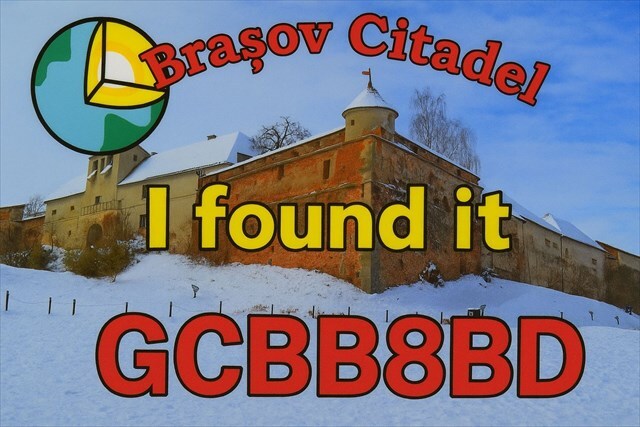
<a href="http://coord.info/GCBB8BD"><img src="https://s3.amazonaws.com/gs-geo-images/98051862-b5a5-464e-844b-8ccba061bc63_l.jpg" alt="GCBB8BD" width="307" height="197" /> </a>
