
🪨 EarthCache: The Red & Golden Sandstone of Jaswant Thada – Traces of Time and Weather
🏰 📖 Introduction – A Jewel in Stone
The Jaswant Thada in Jodhpur, Rajasthan is often called the “Taj Mahal of Marwar”.
It was built in 1899 by Maharaja Sardar Singh in memory of his father Maharaja Jaswant Singh II.
The elegant marble cenotaph stands on a rocky hill made of beautiful red and golden sandstone — a natural contrast to the shining white marble structure.
But this rock is more than just a backdrop — it tells the story of Earth’s ancient deserts, iron-rich sediments, and millions of years of weathering.
🌋 🧭 Geological Background
The rock that forms the base around Jaswant Thada is known as the Jodhpur Sandstone, part of the Marwar Supergroup, aged approximately 600–540 million years (late Precambrian to early Cambrian).
It formed when sand dunes and river sediments were compacted and cemented over time — a process called diagenesis.
The red and golden tones come from iron oxides that coat the quartz grains within the sandstone:
These minerals are not only pigments but also record oxidation and climatic conditions of ancient times — dry, oxygen-rich desert environments.
🌦️ 🪨 Weathering and Erosion
Over thousands of years, the sandstone around Jaswant Thada has been shaped by physical and chemical weathering:
-
☀️ Thermal expansion & contraction: Intense desert heat and cool nights create cracks and exfoliation.
-
🌬️ Wind erosion: Fine desert dust polishes exposed surfaces.
-
💧 Chemical weathering: Rain and humidity dissolve minerals and deepen color contrasts.
-
🌿 Biological effects: Small plants and lichens anchor in cracks, widening them further.
Look closely — every layer, crack, and color shift tells the story of the rock’s transformation under Rajasthan’s harsh climate.
🔍 📍 Observation Tasks (On-Site Questions)
Please visit the rock formation near the Jaswant Thada and observe carefully.
1️⃣ Describe the dominant colors you see in the sandstone.
What do these colors suggest about the mineral composition and oxidation?
2️⃣ Look at the surface texture — is it smooth, grainy, or cracked?
What type of weathering process might have caused this texture?
3️⃣ In some places, you may notice thin layers or bands of different shades.
What could these stratification patterns tell you about how the rock formed?
4️⃣ Observe areas exposed to sun and rain — do you see any differences in color or surface between them?
How might erosion and weathering have affected these parts differently?
📬LOGGING REQUIREMENTS
- Send me your answers via the Geocaching Message Center (not by email).
- Your online log must include a photo of you or a personal object with visible background objects from the coordinates.
- Your cacher name must be visible in the photo (e.g. note, display, hand, etc.). Do not add it digitally afterward!
- Logs without complete answers and correct photo will be deleted.
🌍 Educational Summary
By visiting this site, you can:
-
Recognize how iron-rich minerals color natural stone.
-
Understand weathering and erosion through visible rock features.
-
See how ancient desert deposits became the foundation for Jodhpur’s royal monuments.
The red and golden sandstone of Jaswant Thada is not just rock — it’s a window into Earth’s geological and cultural history.
📚 Sources
-
Geological Survey of India – Marwar Supergroup Stratigraphy
-
Indian Journal of Earth Sciences (2020) – Petrology of Jodhpur Sandstone
-
Rajasthan Tourism Board – Jodhpur Geology and Heritage
-
Field observations and image analysis by the cache owner
💡 Note
This listing was formatted with the help of AI for educational clarity.
All graphics were created using AI tools.

🪨 अर्थकैश: जसवंत ठाडा का लाल और सुनहरा बलुआ पत्थर – समय और मौसम के निशान
🏰 📖 परिचय – पत्थर में जड़ा एक रत्न
राजस्थान के जोधपुर में स्थित जसवंत ठाडा को अक्सर “मारवाड़ का ताजमहल” कहा जाता है।
इसे 1899 में महाराजा सरदार सिंह ने अपने पिता महाराजा जसवंत सिंह द्वितीय की स्मृति में बनवाया था।
यह सुंदर संगमरमर की छतरी एक चट्टानी पहाड़ी पर बनी है, जो लाल और सुनहरे बलुआ पत्थर से बनी है — चमकते सफेद संगमरमर के विपरीत एक प्राकृतिक रंग।
लेकिन यह चट्टान केवल पृष्ठभूमि नहीं है — यह पृथ्वी के प्राचीन रेगिस्तानों, लौह-समृद्ध अवसादों और लाखों वर्षों की अपक्षय (weathering) की कहानी कहती है।
🌋 🧭 भूगर्भिक पृष्ठभूमि
जसवंत ठाडा के आसपास की आधारशिला को जोधपुर सैंडस्टोन कहा जाता है, जो मारवाड़ सुपरग्रुप का हिस्सा है और लगभग 600–540 मिलियन वर्ष पुरानी है (उत्तर प्रोटेरोज़ोइक से प्रारंभिक कैंब्रियन काल तक)।
यह उस समय बनी जब रेत के टीलों और नदी के अवसादों को समय के साथ दबाव और सीमेंटेशन से ठोस चट्टान में बदल दिया गया — इस प्रक्रिया को डायजेनेसिस (diagenesis) कहा जाता है।
लाल और सुनहरे रंग लौह ऑक्साइड (Iron Oxides) के कारण होते हैं, जो बलुआ पत्थर के भीतर क्वार्ट्ज के कणों पर परत के रूप में जमा हो जाते हैं:
❤️ लाल रंग → हेमेटाइट (Fe₂O₃) के कारण
💛 पीले/नारंगी रंग → गोएथाइट (FeO(OH)) या लिमोनाइट के कारण
ये खनिज केवल रंग नहीं देते — ये प्राचीन काल के ऑक्सीकरण और जलवायु परिस्थितियों को भी दर्शाते हैं — जैसे कि शुष्क, ऑक्सीजन-समृद्ध रेगिस्तानी वातावरण।
🌦️ 🪨 अपक्षय और अपरदन (Weathering and Erosion)
हजारों वर्षों में, जसवंत ठाडा के आसपास की बलुआ चट्टानें भौतिक और रासायनिक अपक्षय से आकार ले चुकी हैं:
☀️ तापीय विस्तार और संकुचन: दिन में तेज गर्मी और रात में ठंड से दरारें और परतों का छिलना होता है।
🌬️ पवन अपरदन: महीन रेगिस्तानी धूल सतहों को चमकदार बना देती है।
💧 रासायनिक अपक्षय: वर्षा और नमी खनिजों को घोल देती हैं और रंगों में गहराई लाती हैं।
🌿 जैविक प्रभाव: छोटी पौधियाँ और लाइकेन दरारों में जड़ें जमाकर उन्हें और चौड़ा करती हैं।
ध्यान से देखें — हर परत, दरार और रंग में बदलाव राजस्थान की कठोर जलवायु में इस पत्थर के परिवर्तन की कहानी छिपी है।
🔍 📍 अवलोकन कार्य (स्थल पर प्रश्न)
कृपया जसवंत ठाडा के पास की चट्टान संरचना को ध्यानपूर्वक देखें।
1️⃣ आपने बलुआ पत्थर में कौन से प्रमुख रंग देखे?
ये रंग खनिज संरचना और ऑक्सीकरण के बारे में क्या संकेत देते हैं?
2️⃣ सतह की बनावट देखें — क्या यह चिकनी, दानेदार या फटी हुई है?
ऐसी बनावट किस प्रकार की अपक्षय प्रक्रिया से उत्पन्न हो सकती है?
3️⃣ कुछ स्थानों पर आपको पतली परतें या अलग-अलग रंगों की धारियाँ दिख सकती हैं।
ये परतें चट्टान के निर्माण की प्रक्रिया के बारे में क्या बताती हैं?
4️⃣ सूरज और वर्षा के संपर्क वाले क्षेत्रों को देखें — क्या रंग या सतह में कोई अंतर दिखता है?
अपक्षय और अपरदन ने इन हिस्सों को किस तरह अलग-अलग प्रभावित किया हो सकता है?
📬 लॉगिंग आवश्यकताएँ
- कृपया अपने उत्तर जियोकैशिंग मैसेज सेंटर के माध्यम से भेजें (ईमेल द्वारा नहीं)।
- आपके ऑनलाइन लॉग में आपकी एक फ़ोटो या व्यक्तिगत वस्तु शामिल होनी चाहिए, जिसमें दिए गए स्थान के पृष्ठभूमि के तत्व स्पष्ट रूप से दिखाई दें।
- आपका कैशर नाम फ़ोटो में दिखाई देना चाहिए (जैसे कि नोट, डिस्प्ले, हाथ आदि पर लिखा हुआ)। इसे बाद में डिजिटल रूप से न जोड़ें!
- अधूरे उत्तर या गलत फ़ोटो वाले लॉग हटाए जा सकते हैं।
🌍 शैक्षणिक सारांश
इस स्थल पर आकर आप:
-
जान सकते हैं कि लौह-समृद्ध खनिज प्राकृतिक पत्थरों को कैसे रंग देते हैं।
-
अपक्षय और अपरदन की प्रक्रियाओं को चट्टान की सतह से पहचान सकते हैं।
-
देख सकते हैं कि प्राचीन रेगिस्तानी निक्षेप कैसे जोधपुर के राजसी स्मारकों की नींव बने।
जसवंत ठाडा का लाल और सुनहरा बलुआ पत्थर केवल चट्टान नहीं है — यह पृथ्वी के भूवैज्ञानिक और सांस्कृतिक इतिहास की एक खिड़की है।
📚 स्रोत
-
भारतीय भूवैज्ञानिक सर्वेक्षण – मारवाड़ सुपरग्रुप स्ट्रैटिग्राफी
-
इंडियन जर्नल ऑफ अर्थ साइंसेज (2020) – जोधपुर सैंडस्टोन की पेट्रोलॉजी
-
राजस्थान पर्यटन बोर्ड – जोधपुर की भूविज्ञान और धरोहर
-
कैश मालिक द्वारा स्थल निरीक्षण और छवि विश्लेषण
💡 नोट
यह लिस्टिंग शैक्षणिक स्पष्टता के लिए एआई की सहायता से स्वरूपित की गई है।
सभी चित्रण और ग्राफिक्स एआई उपकरणों से बनाए गए हैं।

🪨 EarthCache: Der rote und goldene Sandstein von Jaswant Thada – Spuren von Zeit und Wetter
🏰 📖 Einleitung – Ein Juwel aus Stein
Das Jaswant Thada in Jodhpur, Rajasthan wird oft als der „Taj Mahal von Marwar“ bezeichnet.
Es wurde 1899 von Maharaja Sardar Singh zum Gedenken an seinen Vater Maharaja Jaswant Singh II erbaut.
Das elegante Marmor-Cenotaph steht auf einem felsigen Hügel aus rotem und goldenem Sandstein — ein natürlicher Kontrast zur strahlend weißen Marmorstruktur.
Doch dieser Felsen ist mehr als nur eine Kulisse — er erzählt die Geschichte uralter Wüsten, eisenreicher Sedimente und Millionen Jahre dauernder Verwitterung.
🌋 🧭 Geologischer Hintergrund
Das Gestein um das Jaswant Thada ist als Jodhpur-Sandstein bekannt, Teil der Marwar-Supergruppe, und etwa 600–540 Millionen Jahre alt (spätes Präkambrium bis frühes Kambrium).
Er entstand, als Sanddünen und Flusssedimente über die Zeit verdichtet und zementiert wurden — ein Vorgang, der als Diagenese bezeichnet wird.
Die roten und goldenen Farbtöne stammen von Eisenoxiden, die die Quarzkörner im Sandstein überziehen:
❤️ Rote Farbe → verursacht durch Hämatit (Fe₂O₃)
💛 Gelb-/Orangetöne → verursacht durch Goethit (FeO(OH)) oder Limonit
Diese Minerale sind nicht nur Pigmente, sondern auch Indikatoren für Oxidationsprozesse und klimatische Bedingungen vergangener Zeiten — trockene, sauerstoffreiche Wüstenumgebungen.
🌦️ 🪨 Verwitterung und Erosion
Über Jahrtausende hinweg wurde der Sandstein um das Jaswant Thada durch physikalische und chemische Verwitterung geformt:
☀️ Thermische Ausdehnung & Kontraktion: Große Temperaturunterschiede zwischen Tag und Nacht verursachen Risse und Schalenabplatzungen.
🌬️ Winderosion: Feiner Wüstenstaub poliert die exponierten Oberflächen.
💧 Chemische Verwitterung: Regen und Feuchtigkeit lösen Minerale und verstärken Farbkontraste.
🌿 Biologische Einflüsse: Kleine Pflanzen und Flechten wurzeln in Rissen und vergrößern sie weiter.
Sieh genau hin — jede Schicht, jede Risslinie und jede Farbveränderung erzählt die Geschichte der Umwandlung dieses Steins unter Rajasthans rauem Klima.
🔍 📍 Beobachtungsaufgaben (Vor-Ort-Fragen)
Bitte besuche die Felsformation in der Nähe des Jaswant Thada und beobachte sorgfältig.
1️⃣ Beschreibe die dominanten Farben, die du im Sandstein siehst.
Was sagen diese Farben über die Mineralzusammensetzung und Oxidation aus?
2️⃣ Schau dir die Oberflächenstruktur an — ist sie glatt, körnig oder rissig?
Welche Art der Verwitterung könnte diese Textur verursacht haben?
3️⃣ An einigen Stellen siehst du vielleicht dünne Schichten oder Bänder unterschiedlicher Farbtöne.
Was könnten diese Schichtungen über die Entstehung des Gesteins aussagen?
4️⃣ Beobachte Bereiche, die Sonne und Regen ausgesetzt sind — erkennst du Unterschiede in Farbe oder Oberfläche?
Wie könnten Erosion und Verwitterung diese Teile unterschiedlich beeinflusst haben?
📬 Logbedingungen
- Sende mir deine Antworten über das Geocaching Message Center (nicht per E-Mail).
- Dein Online-Log muss ein Foto von dir oder einem persönlichen Gegenstand enthalten, auf dem die Hintergrundobjekte der Koordinaten sichtbar sind.
- Dein Cacher-Name muss im Foto sichtbar sein (z. B. auf einem Zettel, Display, in der Hand etc.). Füge ihn nicht nachträglich digital hinzu!
- Logs ohne vollständige Antworten und korrektes Foto werden gelöscht.
🌍 Bildungszusammenfassung
Durch deinen Besuch an diesem Ort kannst du:
-
Erkennen, wie eisenhaltige Minerale Naturstein färben.
-
Verwitterung und Erosion anhand sichtbarer Gesteinsmerkmale verstehen.
-
Sehen, wie alte Wüstenablagerungen die Grundlage für Jodhpurs königliche Monumente wurden.
Der rote und goldene Sandstein des Jaswant Thada ist nicht nur ein Felsen — er ist ein Fenster in die geologische und kulturelle Geschichte der Erde.
📚 Quellen
-
Geological Survey of India – Marwar Supergroup Stratigraphy
-
Indian Journal of Earth Sciences (2020) – Petrology of Jodhpur Sandstone
-
Rajasthan Tourism Board – Jodhpur Geology and Heritage
-
Feldbeobachtungen und Bildanalysen des Cache-Besitzers
💡 Hinweis
Dieses Listing wurde mithilfe von KI zur besseren Verständlichkeit gestaltet.
Alle Illustrationen und Grafiken wurden mit KI-Tools erstellt.
Banner:
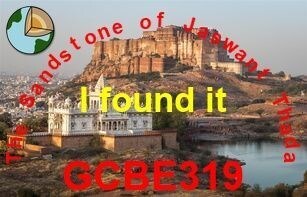
Für die Bannerfans von euch gibt es hier noch ein Banner das ihr gerne in eurem Profil einfügen könnt.
For the banner fans of yours, there is another banner that you can add to your profile.
<a href="http://coord.info/GCBE319"><img src="https://s3.amazonaws.com/gs-geo-images/f4d4d1c2-a75e-4ad2-a482-9609f52b635d_l.jpg" alt="GCBE319" width="307" height="197" /> </a>
