|

Ahoj kačeři! Vítejte na jednom z pražských ostrovů!
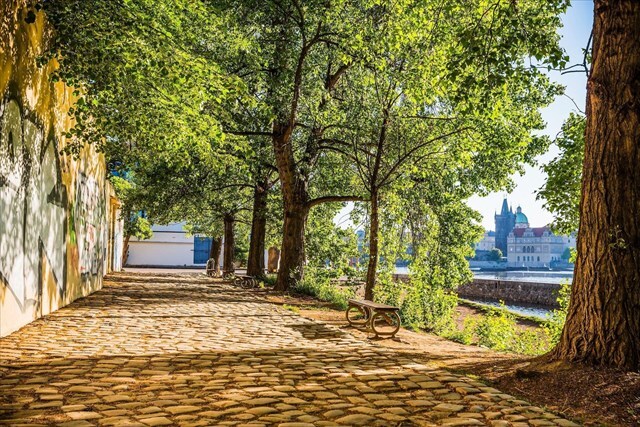
Kampa je ostrov na řece Vltavě v Praze na Malé Straně, od níž je oddělen vltavským ramenem Čertovkou. Rozloha ostrova činí 5,2 ha. Nejstarší zmínka o ostrově Kampa je v zakládací listině kostela johanitů z roku 1169. Dnešní podobu ostrov získal úpravami terénu a koryta Čertovky na mlýnskou strouhu. Severní část Kampy s náměstím Na Kampě je zastavěná obytnými domy a vede přes ni Karlův most, jižní část ostrova je tvořena parkem Kampa. Podle žebříčku cestovatelského portálu VirtualTourist je po pařížském ostrově sv. Ludvíka „druhý nejhezčí městský ostrov světa“.

Dear geocachers! Welcome to one of Prague islands!
Kampa is an island on the Vltava River in Prague's Lesser Town, separated from it by the Čertovka branch of the Vltava. The island covers an area of 5.2 hectares. The oldest mention of Kampa Island is in the founding charter of the Church of St. John the Baptist from 1169. The island acquired its present form through modifications to the terrain and the Čertovka riverbed to create a millrace. The northern part of Kampa with Na Kampě Square is built up with residential buildings and crossed by Charles Bridge, while the southern part of the island consists of Kampa Park. According to the VirtualTourist travel portal ranking, it is the "second most beautiful city island in the world" after the Île Saint-Louis in Paris.

Název
Kampa dlouho neměla jméno nebo se nazývala jen „Ostrov“. Pojmenování „Kampa“ (Kampovskej ostrov) se objevuje až v 2. polovině 18. století. Původ tohoto názvu není doložený. K nejpravděpodobnějším teoriím patří odvození z latinského campus (pole), protože ostrov do 16. století zůstával kvůli povodním nezastavěn. Často je také uváděno pojmenování podle jednoho majitele pozemku, odvozené od zjištění konzervátora Jana Heraina, že na ostrově měl v 17. století dům se známou zahradou (prvně se v ní prý v Praze pěstovaly tulipány a karafiáty) šlechtic Rudolf Tychon Gansneb Tegnagel z Campu, hejtman Pražského hradu a vnuk Tychona Braheho. K dalším, méně pravděpodobným teoriím, patří odvození od slovenského názvu přívozu kempa, polského kępa (čti kempa, mj. ve významu "křovím zarostlý ostrov") nebo údaj osvíceneckého topografa Jaroslava Schallera, který název Kampovskej ostrov odvozoval ze staročeského zákampí, ve smyslu záokapí, za okapem (vodním tokem).
Oblast podél severní části Čertovky tekoucí mezi domy získala pro svou pitoresknost připomínající italské město na laguně název Pražské Benátky.
Historie
Na počátku raně středověkého osídlení vypadal malostranský břeh zcela jinak než dnes. V jižní části jej utvářely sesuvy svahu Petřína a probíhal asi v oblasti Čertovky. V severní části se bahnité bývalé koryto řeky hluboce zařezávalo do prostoru Malé Strany až k dnešní Valdštejnské ulici. Také hladina řeky byla až do výstavby jezů ve 13. století asi o 3 metry nižší. Vzhledem k archeologicky zjištěnému významnému veřejnému prostranství v oblasti Mostecké ulice na východ od jádra osídlení okolo dnešního Malostranského náměstí a ve spojitosti s písemnými zmínkami (v Kristiánově legendě a z roku 1118) se uvažuje o existenci dřevěného mostu přes Vltavu probíhajícího přibližně v místě dnešního Karlova mostu, tedy i v severní části Kampy.
Nejstarší písemné zmínky o ostrově pocházejí z roku 1169, kdy byl zmíněn v zakládací listině kostela Panny Marie pod řetězem postaveného v sousedství Kampy rytířským řádem johanitů (po přesídlení na ostrov Malta nazývaných maltézští rytíři). Přirozené náplavy a navážky, především po velkém požáru Malé Strany a Hradčan v roce 1541, ostrov postupně zvyšovaly. Na začátku 17. století byly zpevněny břehy. Na samotné Kampě vznikaly nejdříve zahrady, od 15. století se na ostrově začaly stavět mlýny a mlýnské zahrady (později nahrazovány zahradami šlechtickými). V roce 1844 byl ostrov zpřístupněn přímo z Karlova mostu novým schodištěm od Josefa Krannera. V době první republiky bylo uvažováno o vybudování pobřežní silniční komunikace přes Kampu, zastavění Kampy reprezentativními budovami dle návrhu Antonína Balšánka a později zřízení budovy Národní galerie dle návrhu Josefa Gočára. K budově Národní galerie byl na Kampě v roce 1927 položen základní kámen, v následujících letech se však o její výstavbě vedla veřejná debata, zejména kvůli ohrožení sbírek povodněmi a narušení hradčanského panoramatu. K upuštění od záměru začátkem třicátých let přispěla i probíhající hospodářská krize. V úsilí za zachování původního charakteru ostrova se úspěšně angažoval Klub Za starou Prahu. Po druhé světové válce byly kampské zahrady propojeny a upraveny na veřejný park Kampa.
Od 17. do 20. století na Kampě sídlili hrnčíři a pořádaly se zde známé hrnčířské trhy.
V roce 1915 byla mlýnská strouha zvaná Čertovka kvůli výstavbě smíchovského zdymadla svedena na svém vtoku z Vltavy do potrubí. Od té doby je Kampa přístupná z pevniny po suché zemi, i bez mostu; tím pádem Kampa přestala být de facto ostrovem.
Za německé okupace zabrali Lichtenštejnský palác Němci. Zdi oddělující zahrady byly v roce 1941 zbořeny a na Kampě vzniklo cvičiště Hitlerjugend. Po druhé světové válce již nebylo rozdělení ostrova zdmi obnoveno a vzniknul zde veřejný park.
Mlýny
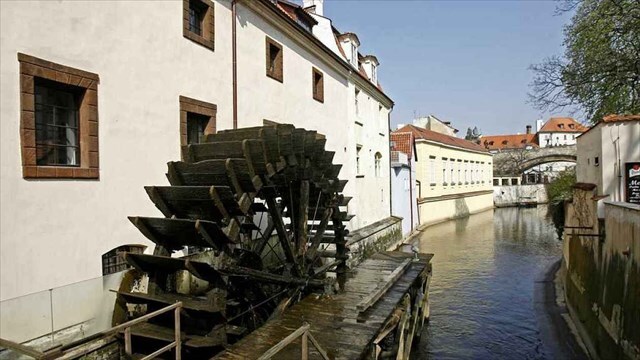
V 17. století zde byla na smíchovské straně vybudována Michnovská zahrada, součást Paláce Michny z Vacínova na Újezdě. Při Čertovce na protějším břehu stojí mlýn Huť, původně asi raně barokní, naposledy (po požárech) přestavěn v padesátých letech 20. století. Dřevěné mlýnské kolo pochází z větší části z roku 1995. Vedle mostku směrem k Lennonově zdi (na Velkopřevorském náměstí) je, také na malostranském břehu, Velkopřevorský mlýn, poslední zachovalý starý renesanční mlýn ze 16. století, s velkým dřevěným kolem.
Přímo na Kampě, na vltavském břehu, se nacházejí Sovovy mlýny, nazývané podle Václava Sovy z Liboslavě, který zde mlýny v 15. století vlastnil. Kolem Sovova mlýna (od poloviny 19. století nazývaného Odkolkovský) se nachází stejnojmenná zahrada, nazývaná podle pekařské rodiny Františka Odkolka, který budovu koupil, nechal novogoticky přestavět a vybavil ji moderním parním mlýnem. Budova v roce 1896 částečně vyhořela. Po rekonstrukci zde od roku 2001 sídlí Museum Kampa.
Další budovy
Na Odkolkovskou zahradu navazuje Kaiserštejnská zahrada, dříve se táhnoucí kolem Kaiserštejnského, dnešního Lichtenštejnského paláce. Dodnes se tam nachází domek, který hrabě Nostic daroval národnímu buditeli Josefu Dobrovskému. Před ním se nachází Dobrovského pomník z roku 1902. Tento dům je nazýván Dobrovského nebo Werichova vila; bydlel v něm totiž od roku 1948 až do své smrti 31. října 1980 herec Jan Werich. Básník Vladimír Holan se do tohoto domu nastěhoval rovněž v roce 1948 a žil v něm do roku 1968. Předtím zde bydlel v letech 1929-1941 historik umění a přední osobnost československé památkové péče Zdeněk Wirth, který má na domě bustu.
Poblíž Sovova mlýna stojí menší dům, který původně patřil převozníkovi přes Vltavu; v současnosti hostí rybí
Za zmínku stojí i dům U Zlatých nůžek a jeho obyvatel, malíř a ilustrátor Adolf Kašpar. Bydlel zde v letech 1903–1934 v posledním patře s výhledem na Pražský hrad, který také ve svých ilustracích zobrazil. Nyní se v budově nachází hotel s restaurací, která nese stejný název jako samotný dům.
Zdroj: https://cs.wikipedia.org/wiki/Kampa
Name
For a long time, Kampa had no name or was simply called "The Island." The name "Kampa" (Kampovskej ostrov (Kampovksej island)) first appeared in the second half of the 18th century. The origin of this name is unknown. One of the most likely theories is that it is derived from the Latin campus (field), because the island remained undeveloped until the 16th century due to flooding. It is also often said that the name comes from one of the owners of the land, based on the findings of conservator Jan Herain, who discovered that in the 17th century, the island was home to a house with a famous garden (said to be the first place in Prague where tulips and carnations were grown) belonging to the nobleman Rudolf Tychon Gansneb Tegnagel of Camp, governor of Prague Castle and grandson of Tycho Brahe. Other, less likely theories include derivation from the Slovak name for the ferry kempa, the Polish kępa (pronounced kempa, meaning, among other things, "an island overgrown with bushes"), or the claim by the Enlightenment topographer Jaroslav Schaller, who derived the name Kampovskej ostrov from the Old Czech zákampí, meaning behind the eaves (of a watercourse).
The area along the northern part of Čertovka flowing between the houses was named Prague Venice for its picturesque appearance reminiscent of an Italian city on a lagoon.
History
At the beginning of early medieval settlement, the Malá Strana bank looked completely different than it does today. In the southern part, it was shaped by landslides from Petřín Hill and ran roughly along the Čertovka stream. In the northern part, the muddy former riverbed cut deeply into the Malá Strana area up to what is now Valdštejnská Street. The river level was also about 3 meters lower until the construction of weirs in the 13th century. Due to the archaeologically discovered significant public space in the area of Mostecká Street east of the settlement center around today's Malostranské Square and in connection with written references (in Kristián's legend and from 1118), the existence of a wooden bridge over the Vltava River is considered to have run approximately where today's Charles Bridge is located, i.e., in the northern part of Kampa.
The oldest written references to the island date back to 1169, when it was mentioned in the founding charter of the Church of Our Lady beneath the Chain, built in the vicinity of Kampa by the Order of St. John (after moving to the island of Malta, they were called the Knights of Malta). Natural alluvial deposits and fillings, especially after the great fire of Malá Strana and Hradčany in 1541, gradually raised the island. At the beginning of the 17th century, the banks were reinforced. Gardens were first created on Kampa itself, and from the 15th century, mills and mill gardens began to be built on the island (later replaced by aristocratic gardens). In 1844, the island was made accessible directly from Charles Bridge by a new staircase designed by Josef Kranner. During the First Republic, there were plans to build a coastal road across Kampa, to develop Kampa with representative buildings designed by Antonín Balšánek, and later to establish the National Gallery building designed by Josef Gočár. The foundation stone for the National Gallery building was laid in Kampa in 1927, but in the following years there was public debate about its construction, mainly due to the threat of flooding to the collections and the disruption of the Hradčany panorama. The ongoing economic crisis also contributed to the abandonment of the plan in the early 1930s. The Club for Old Prague successfully campaigned to preserve the original character of the island. After World War II, the Kampa gardens were connected and converted into the Kampa public park.
From the 17th to the 20th century, Kampa was home to potters and hosted famous pottery markets.
In 1915, the millrace called Čertovka was diverted from its inlet from the Vltava River into a pipeline due to the construction of the Smíchov lock. Since then, Kampa has been accessible from the mainland by dry land, even without a bridge, thus ceasing to be a de facto island.
During the German occupation, the Liechtenstein Palace was taken over by the Germans. The walls separating the gardens were demolished in 1941 and a Hitler Youth training ground was established on Kampa. After World War II, the division of the island by walls was not restored and a public park was created here.

Mills
In the 17th century, Michna Garden was built on the Smíchov side, part of the Michna Palace from Vacínov on Újezd. On the opposite bank of the Čertovka stands the Huť mill, originally probably early Baroque, last rebuilt (after fires) in the 1950s. The wooden mill wheel dates mostly from 1995. Next to the bridge towards the Lennon Wall (on Velkopřevorské náměstí), also on the Malá Strana bank, is the Velkopřevorský Mill, the last preserved old Renaissance mill from the 16th century, with a large wooden wheel.
Right on Kampa, on the banks of the Vltava River, are the Sova Mills, named after Václav Sova of Liboslavě, who owned the mills here in the 15th century. Around Sova's Mill (called Odkolkovský since the mid-19th century) is a garden of the same name, named after the baker's family of František Odkolk, who bought the building, had it rebuilt in the Neo-Gothic style, and equipped it with a modern steam mill. The building was partially destroyed by fire in 1896. After reconstruction, it has been home to the Kampa Museum since 2001.
Next buildings:
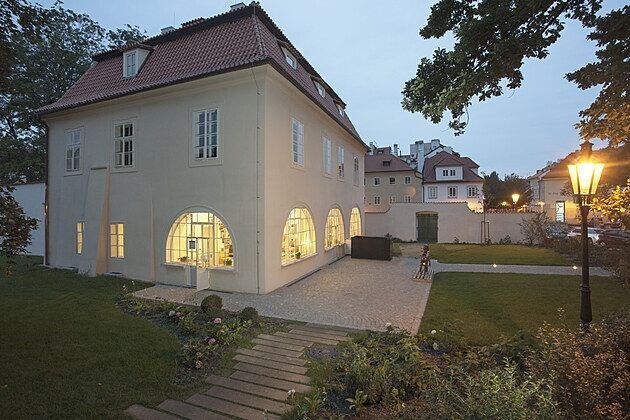
The Odkolkov Garden is connected to the Kaiserštejn Garden, which used to stretch around the Kaiserštejn Palace, now the Liechtenstein Palace. To this day, there is a small house there that Count Nostic gave to the national revivalist Josef Dobrovský. In front of it stands a monument to Dobrovský from 1902. This house is called Dobrovský's or Werich's villa; actor Jan Werich lived there from 1948 until his death on October 31, 1980. Poet Vladimír Holan also moved into this house in 1948 and lived there until 1968. Previously, from 1929 to 1941, it was home to art historian and leading figure in Czechoslovak monument preservation Zdeněk Wirth, who has a bust on the house.
Near Sov's Mill stands a smaller house that originally belonged to a ferryman across the Vltava River; it currently houses a fish restaurant.
The Renaissance house U Zlatého lva (At the Golden Lion) was built on the small square Na Kampě in 1604 by pharmacist Jan Jiří Drynk. The building acquired its present appearance in 1732 thanks to a reconstruction led by Bartolomeo Scotti. Several more modifications followed during the Classicist period.
Also worth mentioning is the house U Zlatých nůžek (At the Golden Scissors) and its resident, painter and illustrator Adolf Kašpar. He lived here from 1903 to 1934 on the top floor with a view of Prague Castle, which he also depicted in his illustrations. Today, the building houses a hotel with a restaurant that bears the same name as the house itself.
Source: https://cs.wikipedia.org/wiki/Kampa
Keš
Na Kampě je velká spousta míst a objektů, která stojí za shlédnutí. Pro účely multi keše jsem vybral deset z nich. Všechny potřebné informace k odlovu najdete ve waypointech.
jiri.s děkuji za betatest!
Cache
There are many places and buildings worth seeing in Kampa. For the purposes of this multi-cache, I have selected ten of them. All the information you need to find them can be found in the waypoints.
Thanks to jiri.s for the betatest!
|