This geocache has been placed with the explicit permission of the USFWS Savannah Coastal Refuges Complex.

Cache information: Savannah NWR: Laurel Hill Wildlife Drive
Steward: RangerDoc
National Wildlife Refuge: SAVANNAH
Cache type: Virtual
Starting Coordinates: N 32° 09.278 W 081° 06.474
Difficulty: 1
Terrain: 1
Hours: Visitor Center, Monday - Friday 10:00AM-2:00PM (Closed Saturday, Sunday and all federal holidays) Laurel Hill Wildlife Drive: Open Daily sunrise to sunset.
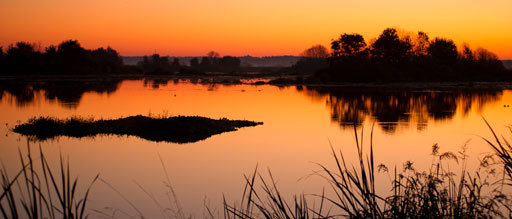
Savannah National Wildlife Refuge, established April 6, 1927, consists of 29,175 acres of freshwater marshes, tidal rivers and creeks, and bottomland hardwoods. About half the refuge is bottomland, composed primarily of cypress, gum, and maple species. Access to these areas is by boat only.
The 3,000 acres of freshwater impoundments managed for migratory waterfowl were formerly the rice fields of plantations dating back to the mid or late 1700's. Many of the dikes enclosing these pools were originally built during the rice culture era.
All dikes are open to foot travel during daylight hours, unless otherwise posted, and provide excellent wildlife observation points. Waterfowl are most abundant from November through February, while alligators and other reptiles are frequently seen from March through October. Birdwatching opportunities are good all year, but are best from October through April when temperatures are mild and many species of waterfowl and other wintering birds are present.
Motorists are welcome on the Laurel Hill Wildlife Drive, off of S.C. 170, which meanders along four miles of earthen dikes through managed freshwater pools and hardwood hammocks. Many hiking and biking trails are also available to the visiting public. Visitors can also enjoy other wildlife-dependent recreational opportunities such as hunting and fishing which are allowed at certain times of the year (please refer to hunting and fishing regulations).
The Cache
The object at GZ (posted coordinates) was an integral part of the Laurel Hill Plantation residents life
Next to the trail entrance there is an information panel
TO CLAIM YOUR SMILEY
1. Next to the trail entrance there is an information panel.
To claim your Smiley please send your answers via the Geocaching Message Center to the following questions:
~ What is the name of the object at GZ?
~ What was it used to store?
2. Post a picture of yourself, your Geo-tribe and any muggles you may have converted with your "Found It" Log.
(per the Virtual Reward guidelines, photos posted with found it logs may but are not required to show faces.)
(In accordance with the 2017 Virtual Rewards guidelines any Found It log not complying with the above requirements will be regretfully deleted)
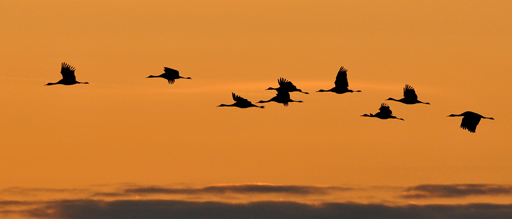
The USFWS Savannah Coastal Refuges Complex:
The Savannah Coastal Refuges Complex (SCRC) is a group of 7 National Wildlife Refuges (NWRs) spanning over 100 miles along the coast of South Carolina and Georgia. Our Refuges include Savannah, Pinckney Island, Harris Neck, Wassaw, Blackbeard Island, Tybee, and Wolf Island National Wildlife Refuges. Our headquarters is located at the Savannah National Wildlife Refuge, near Hardeeville, South Carolina.
The U.S. Fish and Wildlife Service (USFWS) is the premier government agency dedicated to the conservation, protection and enhancement of fish, wildlife and plants, and their habitats. The USFWS also helps ensure a healthy environment for people by protecting such ecosystem services as clean air and water.
Since President Theodore Roosevelt designated the first wildlife Refuge in 1903, the National Wildlife Refuge System has grown to include more than 560 refuges, 38 wetland management districts and other protected areas encompassing 150 million acres of land and water from the Caribbean to the remote Pacific. There is at least one National Wildlife Refuge in every state and territory, and within an hour’s drive of most major metropolitan areas.
National wildlife refuges provide habitat for more than 700 species of birds, 220 species of mammals, 250 reptile and amphibian species, and more than 1,000 species of fish. More than 380 threatened or endangered plants or animals are protected on wildlife refuges. Each year, millions of migrating birds use refuges as stepping stones while they fly thousands of miles between their summer and winter homes.
Each of the Refuges across the nation has been created for their own special, specific reasons. This geocache series will help you learn more about each of the 7 Refuges that make up the Savannah Coastal Refuges Complex!
For more information about this series, please contact us at SCRC Ranger. For general questions about geocaching at USFWS National Wildlife Refuges, please contact USFWS Land Manager user USFWS_Ranger.
Virtual Reward - 2017/2018
This Virtual Cache is part of a limited release of Virtuals created between August 24, 2017 and August 24, 2018. Only 4,000 cache owners were given the opportunity to hide a Virtual Cache. Learn more about Virtual Rewards on the Geocaching Blog.