Geocaching in Japan – An Interview with ShinyOrbital
As we emerge into 2022, a lot of us find ourselves in a place of personal reflection, learning, or gratitude. One thing HQ is grateful for are geocaching communities around the world who always show us something unexpected and new about our humble game.
Regardless of where you travel, the fundamentals of geocaching remain largely the same. Geocaches are hidden by local owners who select a special location to place a geocache to challenge their fellow geocachers. But depending on where you travel, geocaching may look and feel slightly different. Local geocaching customs and culture make the game feel local, connected, and special no matter where you venture.
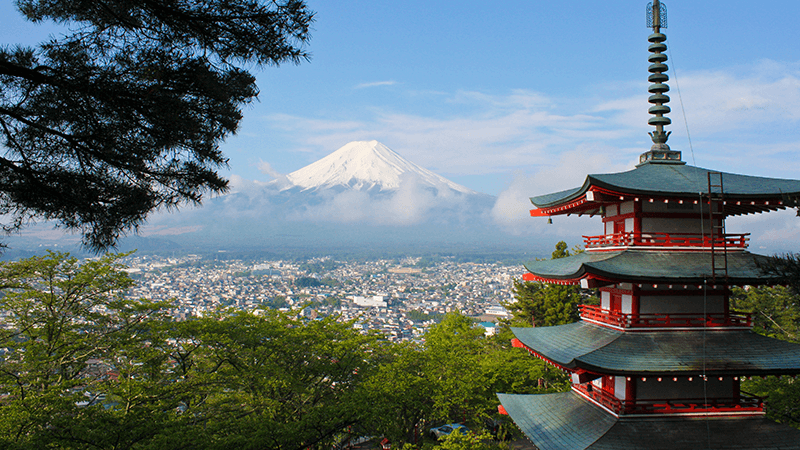
Overflowing with vibrant culture, historic tradition, and natural wonders around every corner, the island nation of Japan is also a rapidly growing hub for geocaching in East Asia. With more than 27,000 geocaches to find, there’s no shortage of incredible geocaching on the island.
Whether it be challenging hides in bustling urban settings requiring a high degree of stealth, or geocaches hidden in remote mountain settings, no two geocaches in Japan are exactly alike.
To learn about local geocaching customs and culture in Japan, we talked to a local geocacher who knows Japanese geocaching very well: ShinyOrbital. Who knows local geocaching better than a Community Volunteer Reviewer? We connected with ShinyOrbital, the Community Volunteer Reviewer for Japan, to learn more about geocaching in this unique country:
HQ: Hello ShinyOrbital! How did you become interested in geocaching? Tell us your geocaching origin story—how did you discover the game?
ShinyOrbital: In 2009, one of my friends invited me to go yacht cruising in Lake Biwa—the largest lake in Japan. He introduced me to a portable GPS receiver. Then I discovered the term “Geocaching” in the menu of the machine. I discovered Geocaching.com and found that there was a cache on the small hill that I often hike around. One day, I punched the coordinates of the cache into my GPS receiver and went there… and, FOUND IT!
It was a big surprise. I thought “THIS IS REAL!?” At that time, there were only a few hundred caches in Japan.
HQ: Before becoming a reviewer, what kind of geocacher were you?
ShinyOrbital: Until several years ago when I retired from my job, I often traveled internationally. Every time I traveled in Europe and the United States, I was overwhelmed by the number of caches. Although I have found many urban caches in many countries, my favorite types are those hidden in rural areas, especially in forests. Some of the camouflaged caches in Sweden and Germany are unforgettable.
HQ: What’s it like being a reviewer?
ShinyOrbital: I have been a reviewer since 2017. I am very honored to be the first native Japanese reviewer. It is just wonderful that we can communicate in Japanese when reviewing new caches.
HQ: You’ve been a community member and reviewer for a long time; can you share any special moments from your time geocaching?
ShinyOrbital: Finding caches is one thing. Finding geocachers is another. It is always such a special moment to become friends with a geocacher.
HQ: In your experience, are there any unique elements of geocaching that stand out in Japan as compared to other geocaching communities?
ShinyOrbital: Compared to other countries, the Japanese geocaching community is rather cozy. Many active geocachers are connected by SNS such as a Facebook group.
HQ: Are there any unique geocaching words or phrases that Japanese geocachers use in their logs or at events?
ShinyOrbital: Dogeza (土下座)is a special word often used. The meaning is knee down—a posture when searching awkward hiding places. Dgz or dgz is the short form of it.
HQ: Do you have any recommendations for visiting geocachers who want to host an event in Japan?
ShinyOrbital: Hosting an event is always welcome. Hosting in urban areas attracts more geocachers than rural areas.
Does your geocaching community do things a little differently where you live? Tell us in the comments about local traditions and customs with geocaching.