Groundspeak Weekly Newsletter – July 11, 2012

101 Reasons to Watch Geocaching Videos

Has this ever happened to you? An epic dust storm keeps you inside and away from geocaching, a blinding blizzard freezes your front door shut, or the threat of zombies makes geocaching temporarily unsafe?

Don’t worry; the world of geocaching is still just a few clicks away. Geocaching.com has produced 101 videos (so far) showcasing geocaching adventures. They’re all available online. Use your time indoors to learn tricks and tips with basic videos like those in the series “Getting Started with Geocaching.” Graduate to adventurous “Extreme Geocaching” videos that take you under the streets of the Czech Republic and off the side of bridges in Germany. Share the videos with friends to introduce them to the wide world of geocaching.

Subscribe to the official Geocaching.com YouTube channel to be one of the first to see new videos about the evolving world of geocaching. A new video is posted every week! Watch the more than 100 videos produced by Geocaching.com on our video page.

Gold Country GeoTour

Geocachers exploring British Columbia, Columbia have a new destination: Gold Country. A new Geocaching.com Gold Country GeoTour directs adventurers to discover the region’s gold mining legacy. More than 70 geocaches are placed at historic sites in southern British Columbia.

One geocacher who logged the caches writes, “I love the program as it takes me and my family to places that we otherwise would not explore… I love the fact that the program is child friendly and teaches us about local history.” Each geocache reveals a picture of the area’s rich past and includes a detailed cache page.

Geocachers who complete the current 72 geocaches receive a special puzzle Geocoin that leads them to an exclusive bonus cache. The Gold Country GeoTour is one of six current GeoTours around North America listed on Geocaching.com. Explore them all.
Geocacher Finds Lost Child

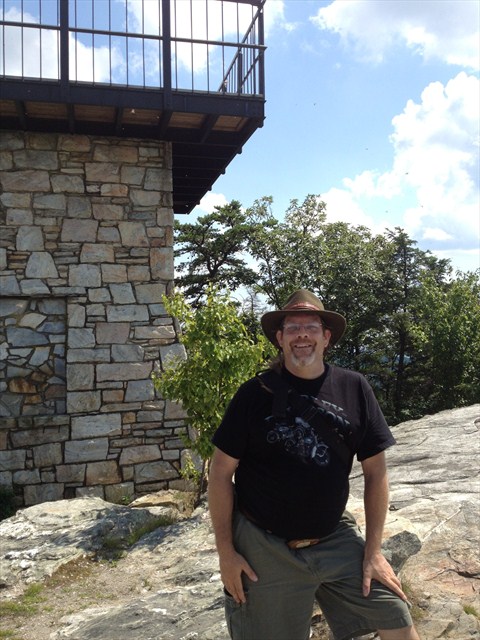
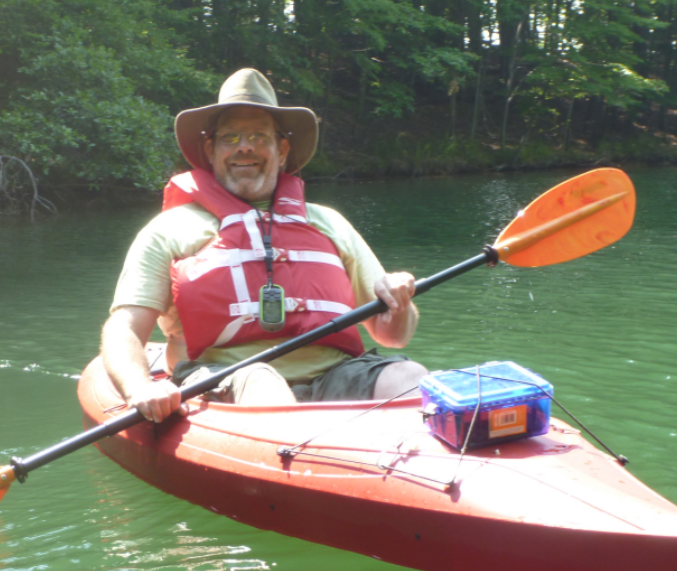
Mark Case on the day he found the lost girl

In the last 30 days 6.9 million logs were submitted on Geocaching.com. Most of the logs claimed a “Found it,” followed by details of a caching adventure. Or the logs gave a story about the cache that got away under the banner of a “DNF” (Did Not Find).

But Mark Case’s (markcase) June 19 log gives “Found it” a new, more powerful, meaning. Mark was searching for the North Carolina, USA EarthCache “The Sauratown Mountains” (GC1G4Py).

His “Found it” log entry began with, “Wow. How do I start this log? This cache has to be one that I will always remember.”

Mark not only found the information to claim a smiley on the EarthCache – he also found a lost girl.

His log reads, “I passed a very nice stream bed on the way up to the summit. On the way down, as I got closer and closer to the stream, I heard a child crying. When I got to the stream, I found an 8 year-old girl alone and crying. She was lost and had no idea where she was.”

Mark quickly devised a plan. He had been involved with scouting for nearly 40 years. He says he discovered geocaching in 2010 at the Boy Scout National Jamboree. He got hooked. Mark learned plenty about geocaching with nearly 4,500 finds in two years. Mark sets memorable locations in his GPS device as waypoints. Following a waypoint he’d just set, Mark was able to lead the girl to a nearby campsite with a pay phone. There had been no cell phone coverage.

He wrote, “She was tired and scared. I wound up giving her a ride on my shoulders most of the way. When I offered to let her wear my hat, she stopped crying. When I got to the pay phone, I dialed 911 and told them I had a lost girl and where I found her. A ranger showed up within about 15 minutes.” It turned out the girl had been missing for three hours. She’d followed the stream collecting rocks, until she was far past her parents. She was reunited with her parents shortly after. Mark says he never ever got the family’s name.

Mark Case geocaching

Mark finished his log with this, “Does Geocaching make a difference? It did today. I’ll always remember this hike and cache.”

Mark says one of his other memorable caching experience was topping a peak with his wife as she was rehabilitating after knee surgery. He says he likes sharing his caching experiences with fellow cachers, like reaching that peak, or finding a lost girl.

Mark says geocachers also share a common trait, “Most cachers operate on the “Do Right” philosophy.  Do what is right.  I like that in my fellow cachers.”


Geocaching.com Presents: Cache Types

[vsw id=”GFqCt21nqtI” source=”youtube” width=”425″ height=”344″ autoplay=”no”]

Explore seven of the most popular Geocaching.com cache types. Watch this video to discover the meaning behind the icons. The video showcases three cache types that involve navigation, such as Traditional caches,  Multi-Caches, and Mystery or Puzzle Caches. The video also features popular non-physical cache types, such as Event Caches, Mega-Event Caches, Cache in Trash Out (CITO) Events, and EarthCaches. How many of these seven types of caches have you logged?

Subscribe to the official Geocaching.com YouTube channel to be one of the first to see new videos about the evolving world of geocaching. Watch the more than 50 videos produced by Geocaching.com on our video page.

This is My Hobby – Rock Climbing and Geocaching

[vsw id=”lq-8Y-YLcNI” source=”youtube” width=”425″ height=”344″ autoplay=”no”]

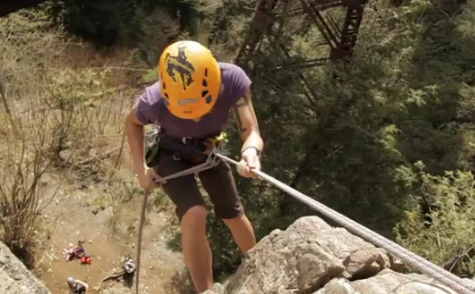
Explore geocaching at new heights! Watch “This is My Hobby – Rock Climbing and Geocaching.” Rock climbing offers a vertical dimension to an extreme geocaching adventure. Geocaches which require specialized equipment, like ropes and harnesses, are rated a difficulty five. It’s the highest difficulty rating. Rock climbing takes geocaching to the physical extremes. Have you ever logged a smiley on geocache which required rock climbing? Share your story in a comment below.

This is My Hobby - Geocaching and Rock Climbing

Premium Members of Geocaching.com can sort geocaches by difficulty and locate rocking climbing caches with ease. Explore membership options here.

Subscribe to the official Geocaching.com YouTube channel to be one of the first to see new videos about the evolving world of geocaching. Watch the more than 60 videos produced by Geocaching.com on our video page.


Lessons in Environmental Geocaching “Gecko 2012”

The subject of sustainable geocaching goes under the microscope during the German geocaching event “Gecko 2012.” The Geocaching “Konferenz” (Gecko) offers three days of workshops, lectures, and events on the topic of keeping and expanding, “sustainable geocaching in harmony with the environment, nature, and in harmony with our fellow human beings.” It’s a powerful undertaking in Germany, which has the highest geocache saturation of any country in the world.

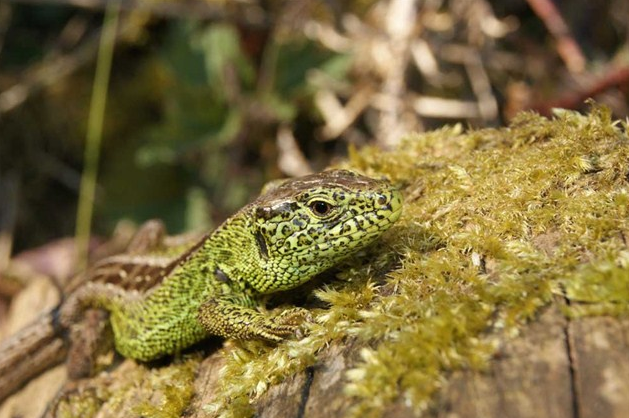
Gecko 2012: Sustainable Geocaching

Jan aka Czerkus is part of the organizational team for Gecko-2012. Jan says a majority of geocachers play in harmony with nature. “Geocachers often say that the world is their playing field. If you use nature for your hobby, it should be self-evident to protect your playing field. This is the central slogan of the conference.”

This is one of the first conferences of its kind. Jan says, “All workshops, activities and discussions are focused on environmental education and building bridges between geocachers and their critics. As well, we’ll give geocachers who are environmentally aware a platform to develop networks. At the moment we are learning a lot, because there is no experience or event like this that we can lean on [and learn from].”

The events at the conference don’t just teach people about respecting nature, they embrace the outdoors and geocaching. Some of the sessions of the conference include courses on “T5 tree climbing,” “Observing and protecting animals,” and trips to nearby EarthCaches. Jan says there’s more, “There will be workshops about planning Cache In Trash Out (CITO) Events, discussions with hunters, forest rangers, and environmental activists and nature-guides will lead the geocachers in the woods to show them their play field.”

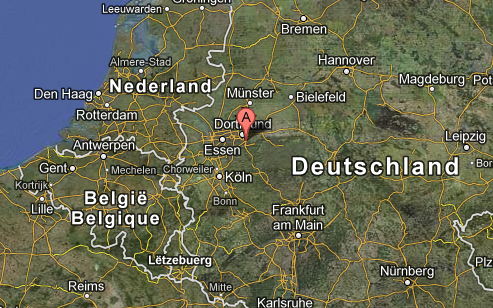
Location of "Gecko 2012"

Jan says geocachers have a great responsibility to the environment because geocaching is a highly visible activity, “Geocaching is very transparent and leaves geocachers’ marks in the World Wide Web. Everybody can see what we do, where, and how often.”

Along with seeing geocaching, Jan also hopes the greater community sees geocachers’ environmental efforts like Gecko 2012. He says, “We have a very special responsibility” to care for the environment. It’s even more fitting then, that after Gecko 2012, a giant Cache In Trash out (CITO) is planned. Gecko 2012 begins on June 8.