An inside look at the latest GPS Satellite Upgrade

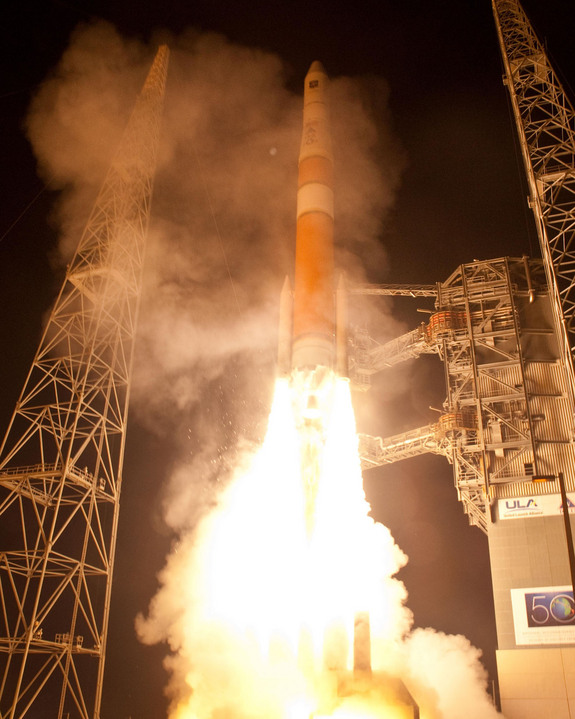
U.S. GPS Satellite 2F-2

Beau Backus, or GeoBeau, is a geocacher who works in the satellite industry. He joined Geocaching.com representatives on a tour of the Boeing satellite manufacturing plant near Los Angeles, California. He says we are witnessing GPS evolve at a rapid pace: “We are really seeing a good change in the way GPS is evolving. It has gone from being strictly for military systems to where we are today; it is moving into a part of our social structure.”

On July 14, 2011, the U.S. launched its most recent GPS satellite in order to improve GPS accuracy all over the world. Whether we are aware of it or not, we have free access to billion dollar satellites on a daily basis, and it’s getting better. The U.S. government is in the process of replacing the current GPS constellation of satellites.
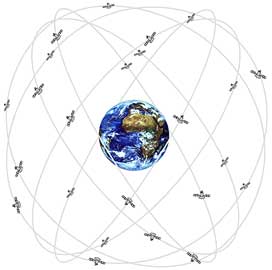
GPS Satellite Orbits

GPS satellite 2F-2  replaces a 20-year-old GPS satellite that has long surpassed its intended lifespan. This new and improved satellite features improved accuracy, enhanced internal atomic clocks, better anti-jam resistance, a signal for commercial aviation, a longer lifespan and reprogrammable on-board processors to evolve with future needs. The addition of this satellite will boost signal reception to users in difficult terrains and accuracy worldwide.

“The average geocacher has come to rely on GPS satellites always being there, and the signal always being there,” says GeoBeau.

Following the first launch of Sputnik in 1957, many satellites have been launched from countries around the world. They now orbit earth in a very particular pattern. More than 30 of those satellites are GPS satellites. Growth in the number of satellites has enabled the Global Positioning System (GPS) to become increasingly accurate.

After touring the Boeing facility in California, GeoBeau could not help but to notice the “enthusiasm that the engineers had toward geocaching and geocaching in the future.” The benefits of increased accuracy include more detailed navigation systems and 3D geo-spatial positioning, thus improving our favorite hobby of geocaching.
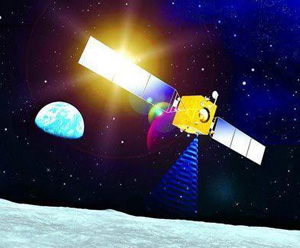
Beidou-2, China's GPS Satellite

China, Russia and the European Union have and will be launching GPS satellite systems into orbit in the near future. In April, China launched its annual satellite, the Beidou-2, and is expected to have its own fully functional GPS constellation by 2020. Russia recently launched the Glonass-K M36 in hopes of improving its consumer GPS technology. The European Union’s GPS satellite constellation, Galileo, is not expected to be ready to launch until 2014 or 2015.

The launching of new satellites means that we all have access to an increasingly accurate billion dollar commercial utility GPS upgrade for free.

Beau says that GPS hobbies like geocaching actually enable us to break down social and political barriers. “Geocaching is now a global interactive hobby that allows us to more closely interact with our brethren throughout the world.”

Hear more from GeoBeau on the importance of the GPS industry. Check out this video.

[youtube]zdlKegHPv9E[/youtube]
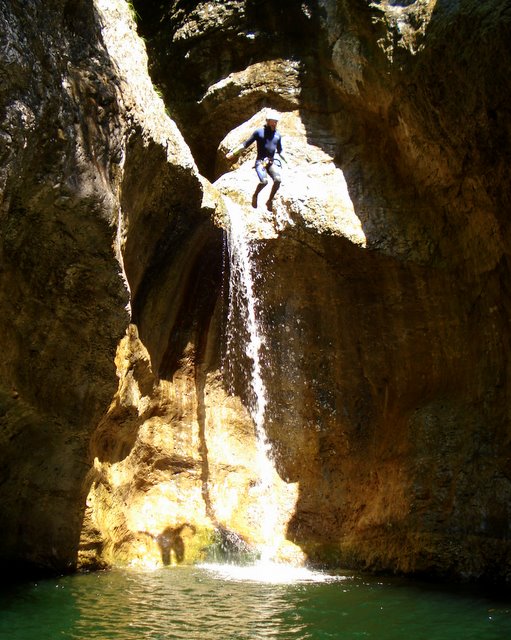
Strubklamm GC14D8W GEOCACHE OF THE WEEK – August 1, 2011

Strubklamm GC14D8W

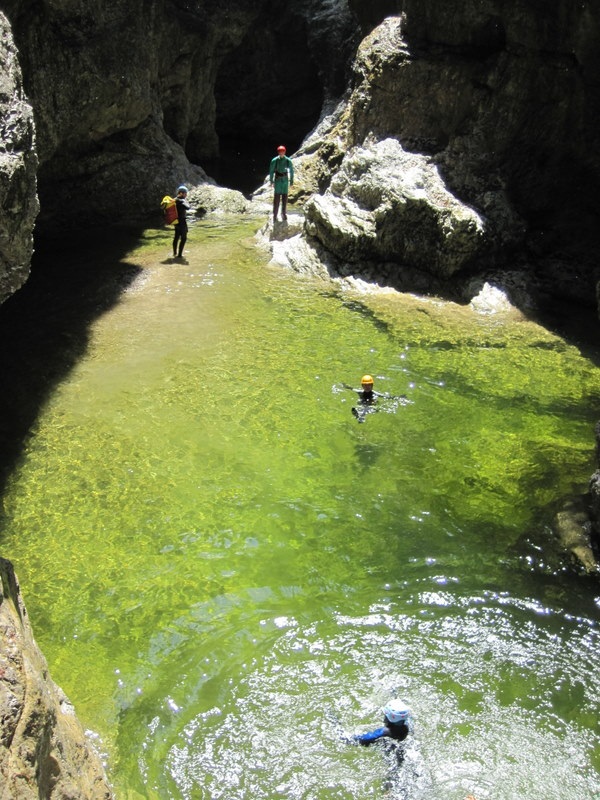
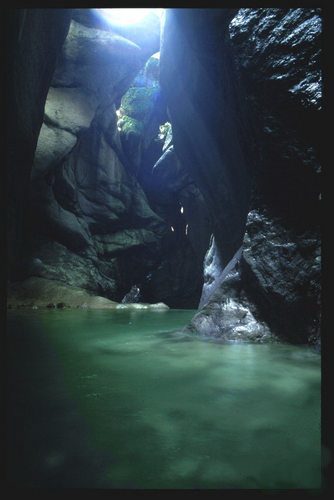
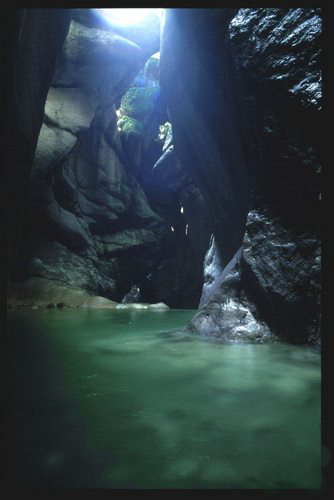
Not far from Salzburg, Austria a daring adventure waits among the steep cliffs that shoulder the Almbach River. Strubklamm (GC14D8W) is a difficulty five, terrain five geocache placed by Baumrinde & sternfänger in 2007.

The cache owners ask geocachers to understand the risks, find the cache in groups and bring the proper equipment. The list of equipment includes a wetsuit, helmet and climbing gear.

Strubklamm GC14D8W

The cache container is located down a steep gorge. There’s more than just a cache to be found at this location. Cachers will navigate to the gorge, then climb up the canyon walls to jump off of perches (again and again) into a deep, refreshing pool of water. Some who logged a smiley on the cache say they jumped from as high as 13 meters (42 feet) into the water below.

Strubklamm GC14D8W

Continue your exploration of some of the most engaging geocaches from around the world. Explore all the Geocaches of the Week on our blog or view the Bookmark List on Geocaching.com


Geocaching.com Presents: Lost Places – Germany

[youtube]SCSLqmCGANQ[/youtube]

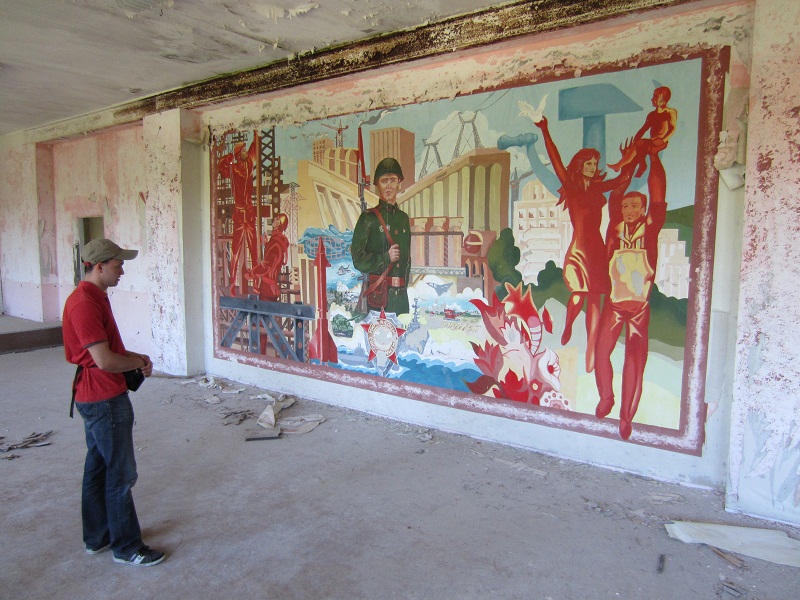
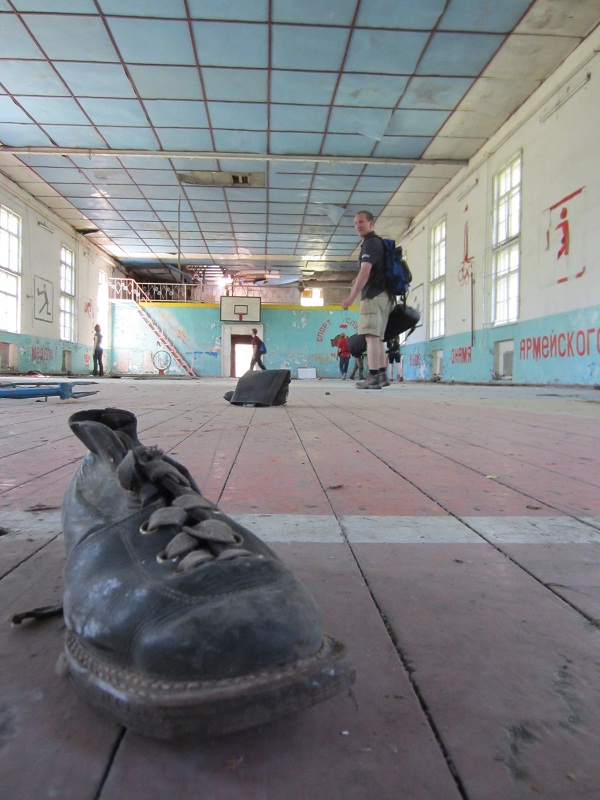
Watch the first Geocaching.com Presents video from Germany. Join a group of German geocachers as they explore an abandoned Lost Place Cache that thousands of soldiers used to call home. Lost Place Caches take geocachers to a location that has been all but forgotten by the modern world. Follow along as geocachers search a decommissioned Soviet military base to log a smiley on a difficulty 3.5, terrain 3.5 Multi-Cache. The cache, Stadt im Wald, is located in what used to be East Germany.

"Stadt im Wald" Lost Place Cache

The video is spoken entirely in German. Click the CC button for English or German subtitles.

The next Geocaching.com Presents video from Germany is scheduled to post on August 11th. Go behind the scenes with the German geocaching bloggers and musical talent (they even have their own geocaching CD) known as Dosenfischer.

"Stadt im Wald" Lost Place Cache

Sehe das erste „Geocaching.com Presents“ Video aus Deutschland. Schließ dich der Gruppe von deutschen Geocachern an, als sie einen Lost Place, der sie  zur einer ehemaligen sowjetischen Militärbasis führt, erforschen. Das Video ist komplett in deutscher Sprache.

Klicke auf die CC-Taste für die englischen oder deutschen Untertiteln. Das nächste „Geocaching.com Presents“ Video aus Deutschland soll  am 11. August veröffentlicht werden. Blicke hinter die Kulissen  mit den deutschen Geocaching Bloggers und dem musikalischen Talent (sie haben ihre eigenen Geocaching CD), das als Dosenfischer bekannt ist.

Groundspeak Weekly Newsletter – July 7, 2011

Track Your Travels

Over the last 11 years, the geocaching community has walked millions of miles in pursuit of geocaches. You travel up hills, down hills, around hills and sometimes to that little park down the street all to find these hidden containers. And now on Shop Geocaching, we have something that you can lean on (literally) during your geocaching journeys. The new Trackable Traveler’s Stick (TM) from Brazos Walking Sticks is handcrafted and travel-friendly. It unscrews into three parts and is only 19 inches long when disassembled, so you can store it in your backpack when it’s not in use. It is also easy to pack into a suitcase when flying.

This version of the Traveler’s Stick is made especially for geocachers. The Geocaching.com logo and a unique Trackable code are carved into the wood of each stick. You can activate the Trackable and “dip” the stick into each cache that you find to track your travels! Learn more about Trackables.

Check out the “What’s New?” section of Shop Geocaching to see more fun items, like the “Log my Dog” Trackable collar and the Event Cache Trackable name tag.

Click here for a list of International Retailers.

Help Save Our GPS! Geocachers Rally to Stop Potential GPS Signal Interference

Using your GPS device in the United States to find the latest geocache could end with nothing but signal interference. That’s if the current proposal before the Federal Communications Commission (FCC) by the multi-billion dollar communications giant LightSquared™ is approved. According to press reports, LightSquared’s current proposal could render tens of thousands and possibly hundreds of thousands of GPS receivers obsolete starting as early as next year. But there is something you can do about it.

The LightSquared proposal involves offering an open wireless broadband network in radio frequency bands adjacent to those used by GPS receivers. LightSquared plans to use both satellites and land-based towers to provide this service.

A report delivered to the FCC in June shows significant interference to GPS receivers from LightSquared’s operations.

Groundspeak has joined a group of those willing to raise their voices in objection to this current plan. The group is called A Coalition to Save Our GPS.  We ask that you add your voice to the conversation. Tell the FCC that the current proposal by LightSquared could affect the family friendly activity of geocaching. Here’s why.

The LightSquared cell towers reportedly cast a signal significantly more powerful than the distant GPS satellites. GPS devices cannot filter out the stronger signal, resulting in interference. Tests reported to the FCC using a simulated LightSquared network reportedly jammed GPS devices used for aviation, surveying, agriculture, the U.S. Coast Guard and personal GPS navigation devices. Tests also confirmed that ambulance and police cars lost their  GPS reception within 600 – 1,000 feet of a LightSquared tower.

The FCC has asked for feedback from the public on the report. Comments will be taken until Saturday, July 30.  The “reply to comments” period then lasts until August 15. After the public comment period is closed, the FCC can announce a decision at any time. We’re asking that geocachers, and anyone who cares about GPS, rally to make the voices of GPS device users heard.

What can I do?

Everyone who cares about GPS should let the FCC know about the threat that LightSquared poses.  In writing to the FCC, we encourage you to cover the following points in your own words:

  • How you use GPS technology in your business and/or personal life
  • What would happen to your business/personal life if GPS became unavailable or unreliable
  • While more capacity for wireless broadband services is important, it should not come at the expense of GPS, which is critical to the global economy
  • The results of the testing that was performed at the FCC’s request show that GPS reception on certain devices could be affected by LightSquared’s proposed service.
  • Now that the test results have shown interference to GPS, the FCC shouldn’t allow LightSquared to keep trying out modified versions of its plan to use the spectrum near the GPS band.  LightSquared’s operations and GPS are fundamentally incompatible and the FCC should order LightSquared out of that band.

How do I tell the FCC to save GPS?

The FCC has an easy-to-use portal on its website to submit feedback on the testing results:

(1)  Click on this link for the FCC’s Electronic Comments Filing System (ECFS):  http://fjallfoss.fcc.gov/ecfs/upload/begin?procName=&filedFrom=X

(2)  In the box which says “Proceeding Number,” type:  11-109. It is important to include this docket number with your comments.

(3)  In the designated boxes, enter (a) your name or your company’s name, and (b) your mailing address/city/state/zip.

(4)  In the box which says “Type in or paste your brief comments,” do so.  Click “Continue.”

(5)  A review page will load listing all of the information entered.  If correct, click “Confirm.” (6)  If you have trouble, contact the FCC ECFS Helpdesk at 202-418-0193 or e-mail at ecfshelp@fcc.gov.