The art of urban camouflage: an interview with alfonsgf
Cache owner alfonsgf specializes in 3D-printed cache containers. His stealthy caches are hidden in plain sight at many of Barcelona’s most popular tourist destinations.
But there’s more to his caches than meets the eye! His creativity, attention to detail, and keen eye for the ideal hiding spot set his caches apart.
What’s your background outside of geocaching?
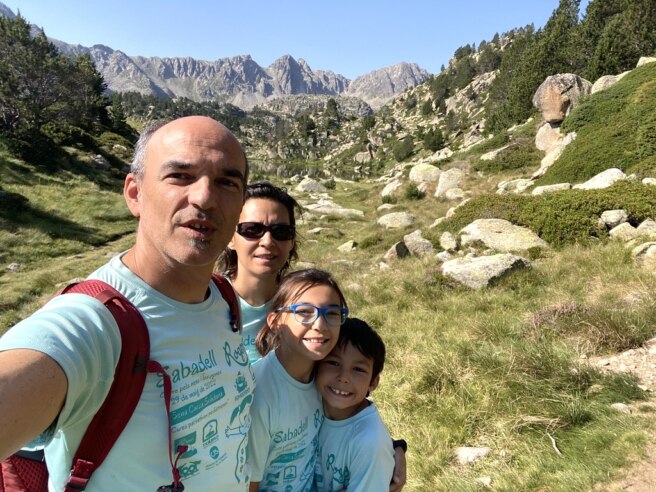
Hello, my name is Alfonso, and I’m part of team alfonsgf, which consists of four [family] members. I studied Computer Science and Cybersecurity, and currently work in a software development team at a University. This background has helped me both solve and create Mystery Caches and has also given me the skills to understand the technology needed to design and build most of my caches.
How and when did you hear about geocaching?
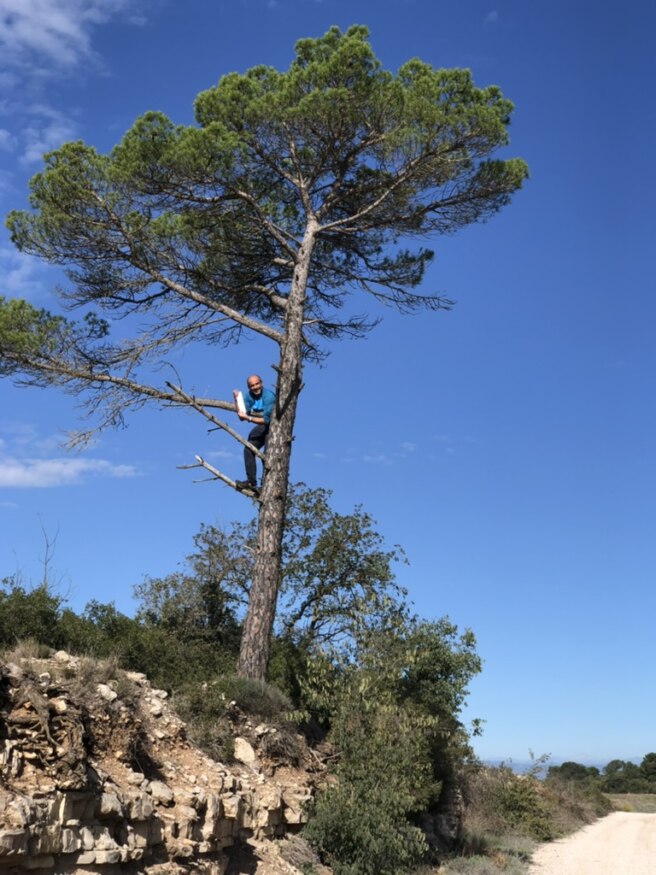
We discovered geocaching in 2013. During a family gathering, my brother told us about a game he had just learned about and after explaining the basics, we went out to look for our first cache. After a short search, I had it in my hands, and I instantly knew I was hooked. That’s when we started geocaching as a couple. Our children were born into geocaching and now join us wherever we go, enjoying the game as a family.
There are so many fantastic geocaches in Barcelona and Catalonia. What local caches or cache owners have inspired you?
In our early days, I was inspired by the local Mystery Cache creators. Later on, a local team hiding urban caches in plain sight throughout Barcelona caught my attention. Today, I continue to be inspired by various teams who create all kinds of caches, from large, intricately detailed boxes that are truly works of art, to unique containers with clever openings, field puzzles, electronic caches, others with sound features, urban mimicry hides, and more.
Naming every creator who has inspired us would risk leaving someone out, but they know who they are and how much we appreciate their work. We’re incredibly lucky to live in an area with a rich geocaching history, filled with amazing teams and even better people, finders, hiders, event organizers, translators, and reviewers.
In 2024, many of us joined forces to create an Adventure Lab® geoart, 104 in total, along the Mediterranean coast spelling out “Catalunya.” New initiatives keep emerging to bring us together, promote geocaching, and welcome new teams to the game. This year, four Block Parties are being organized in Catalonia, along with dozens of themed Community Celebration Events, many of them of exceptional quality and truly memorable. It’s a year of celebration, and we’re all incredibly inspired and motivated.
What keeps you engaged with the game?
We love traveling guided by the geocaching map, hiking trails, discovering new places, learning stories, and meeting special people through the game. We enjoy both long cache series and spending time on unique caches. We also value the friendships we’ve formed with other teams over time, some of whom have become closer friends.
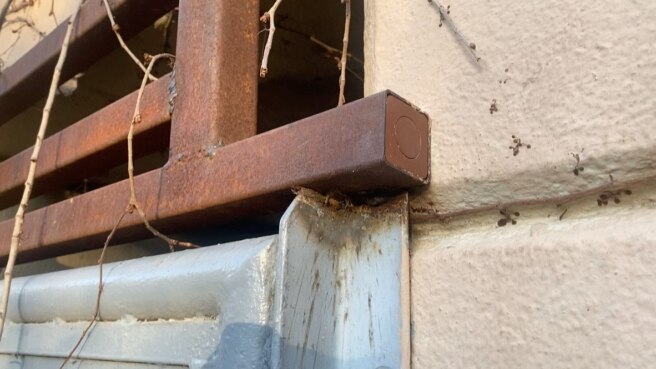
But in the last three years, what keeps me especially motivated is dedicating my time, energy, and care to creating urban caches that surprise and leave a lasting impression.
What is your favorite cache(s) you’ve found?
Choosing a single favorite cache after over 14,000 finds is as difficult as picking just one inspiring geocacher. In 12 years of geocaching, we’ve come across so many amazing caches, locally and during our travels, that the list would be endless.
However, I’ll highlight two of the most original and surprising caches we’ve found in recent years, plus the very first cache placed on the Iberian Peninsula. We consider these as must-visits for anyone visiting Catalonia:
- GC9ZWP9 – 🪝👽 EL GAAANCHOOOO!!! 👽🪝HOTEL CPS Woodies 2022
- GCA3222 – GAF. Caseta dardos (pila 9v)
- GC2D4 – Montserrat
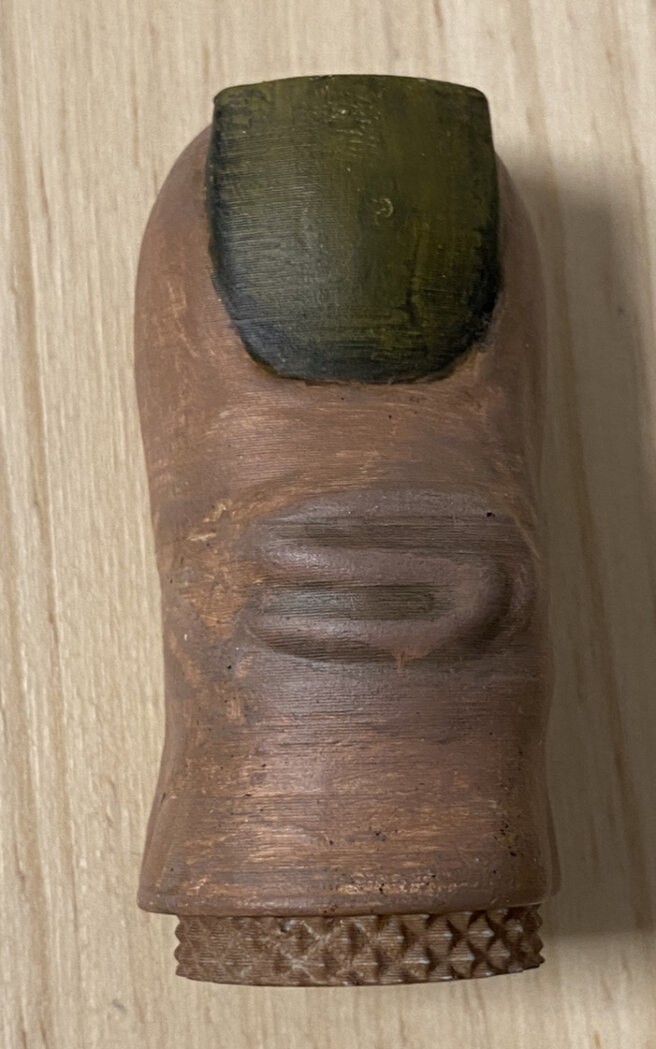
Well, that’s certainly surprising.
You own many 3D-printed mimetic caches. How do you create your designs? Do you use a template or pattern?
We currently have 59 physical caches published, all using 3D design and printing techniques, most of them brush-painted.
The first caches were organic shapes, like those in our Fauna Urbana and Flora Urbana series (urban animals and plants). These models are partially adapted by me to serve as geocache containers. I use design software to add compartments for logbooks, screw caps, magnets, and other elements to make them cache-ready.
Our Mimetic series, on the other hand, features containers that I design completely from scratch, tailored to fit specific urban locations. These are unique containers placed in plain sight, often in high-traffic areas, but meant to go unnoticed by muggles. That’s the essence of the series.
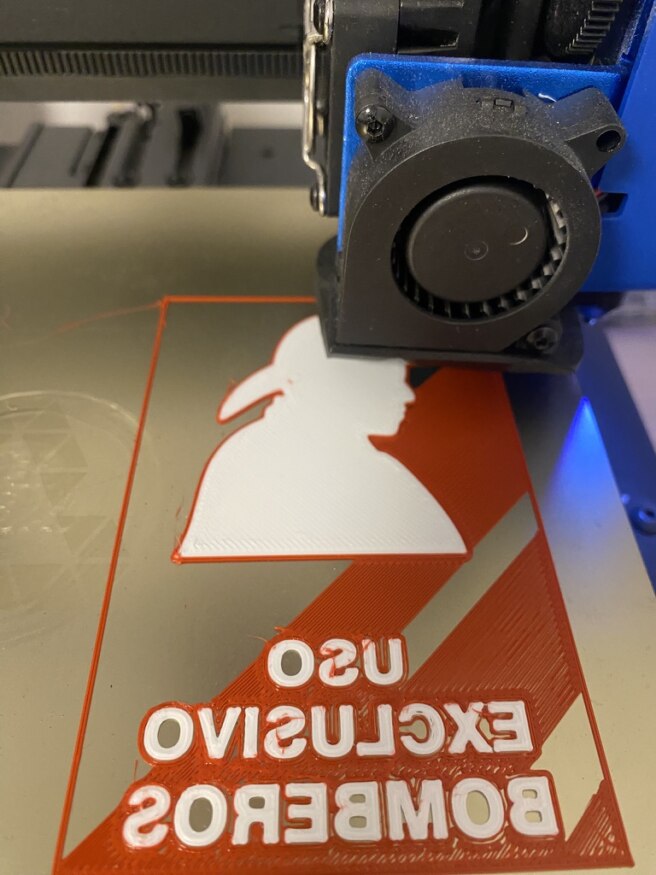
When you’re planning a new cache, what do you usually think about first—the location where you’ll hide it, or the design of the cache container?
The creative process is quite interesting. While walking around the city with a geocacher’s eye, some urban element will catch my attention, and suddenly, something clicks in my head, and a new idea is born. It’s a magical moment. I usually carry a caliper with me and take measurements right then.
Sometimes weeks or months go by before I revisit the idea and hiding spot and start shaping it. Then I move to paper, and if it feels solid and viable, I begin designing. This phase can take hours or even days of work. Watching it come to life is thrilling. After that comes printing, sanding, priming, brush painting, and varnishing. I’m a perfectionist, so nothing is finished until it looks perfect to my eyes. Finally, I install it, not an easy matter sometimes, as most are plain sight.
As a hider, I’ve gone through different phases and styles. It’s necessary to innovate and reinvent to keep surprising others, which becomes increasingly difficult over time.
For most of my caches, the mimetic urban ones, I start with the location, because they can only exist in the specific spot they’re made for. The location dictates the design.
In other cases, when I fall in love with an organic model, I start with the design, convert it into a cache, paint it, and take my time finding the right place that matches the container. In these cases, it can take months or even years from completion to placement. I carry them with me until I find the perfect spot. I currently have about a dozen ready-to-hide containers still waiting for a home.
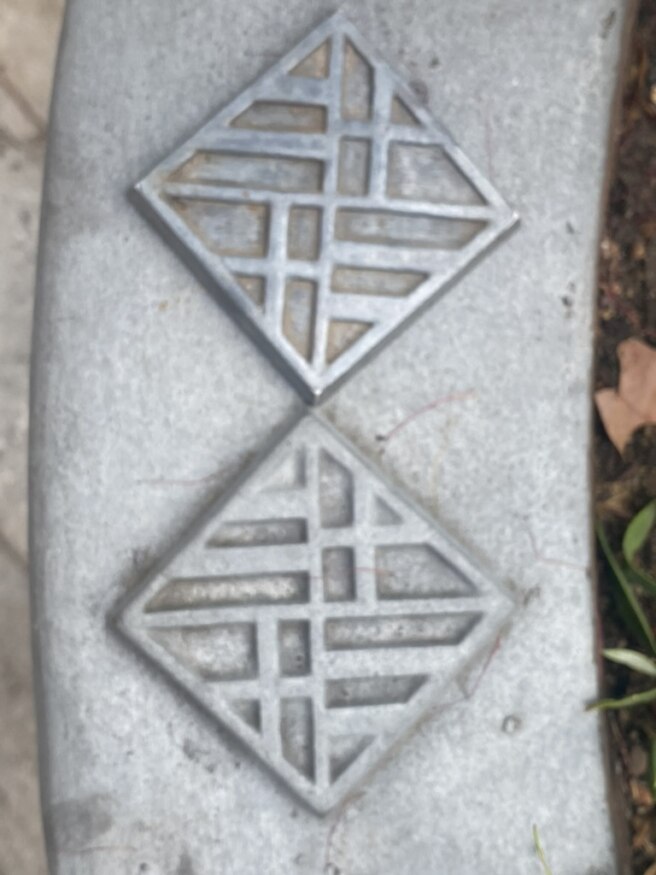
Do you have a favorite hide of your own active caches?
Each one [of my caches] is special to me, and has a good story behind its creation and placement. The finders inspire me to keep creating. Without their comments and appreciation, we wouldn’t have made so many caches, and we’re truly grateful.
If someone reading this was looking for inspiration, what words of advice would you give them?
Geocaching is a wonderful game with so many different aspects to explore. When you’re passionate about it, it becomes something that stays with you wherever you go. Sometimes you’ll feel like going after a big series, other times you’ll want to do some slow-caching and focus on more elaborate hides. You might enjoy the social side of the game, and maybe one day, without giving up the rest, you’ll feel the urge to start hiding. When that happens, try to create the kinds of caches you’d enjoy finding yourself. Be original, and put time and care into each hide. Others will appreciate it just as much as you do.
Enjoy the game in whatever way brings you happiness in each moment.
We couldn’t have said it better ourselves, alfonsgf! We can’t wait to see what new caches your team hides next!
Do you know an inspiring cache owner? Share them with us in the comments below and tell us what makes their cache hides memorable!