Geocaching is delightful because of the people who play it — adventure-seekers, makers, parents, astronauts and (sometimes) celebrities. Read their stories.
Editor’s Note: Geocaching HQ holds an all company meeting once a month. The 80 folks from HQ discuss all things geocaching. The meeting changes each month. But there’s one constant. Every meeting starts with a geocaching community story. A Geocaching Life in Pictures is the story we shared in our meeting today.
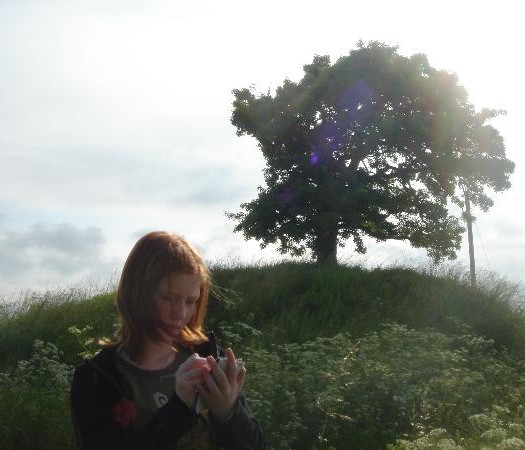
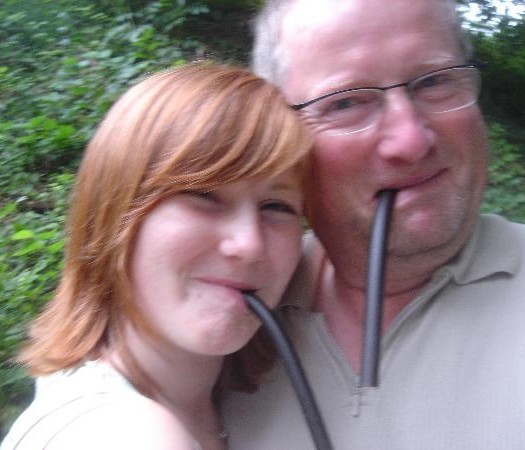
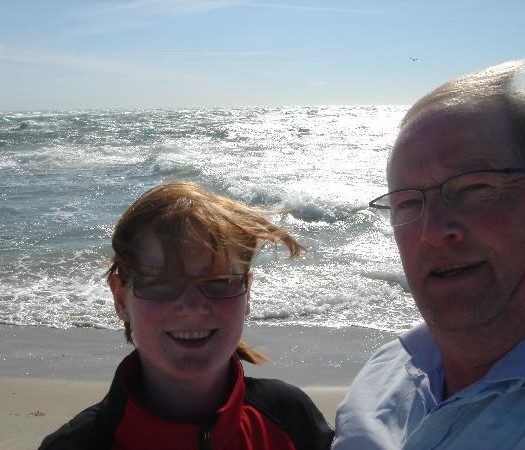
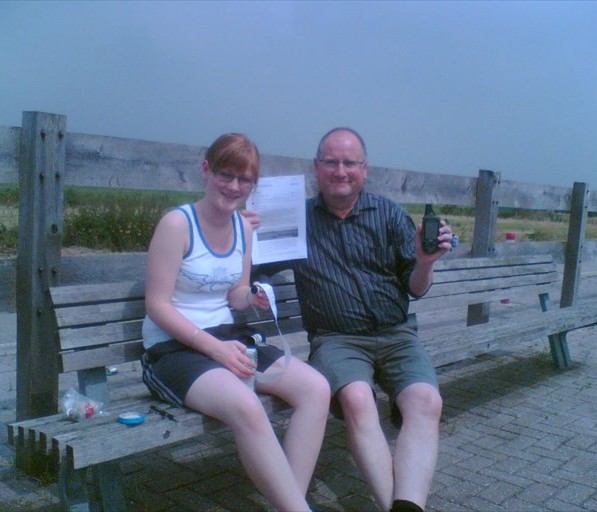
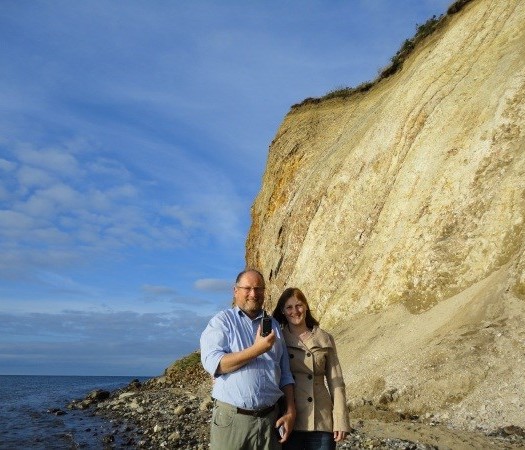
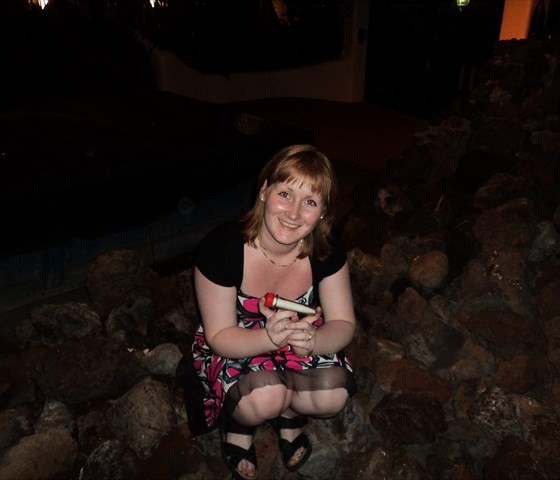
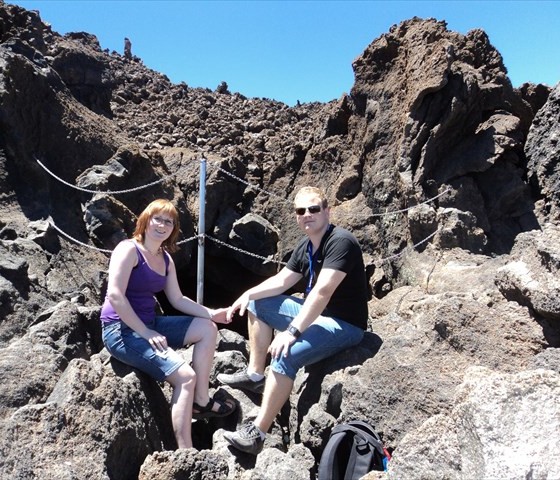
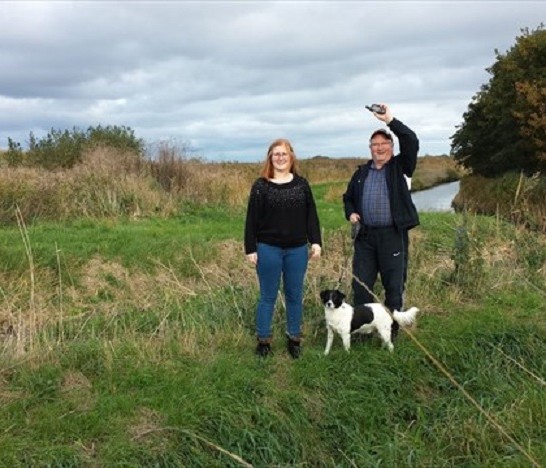
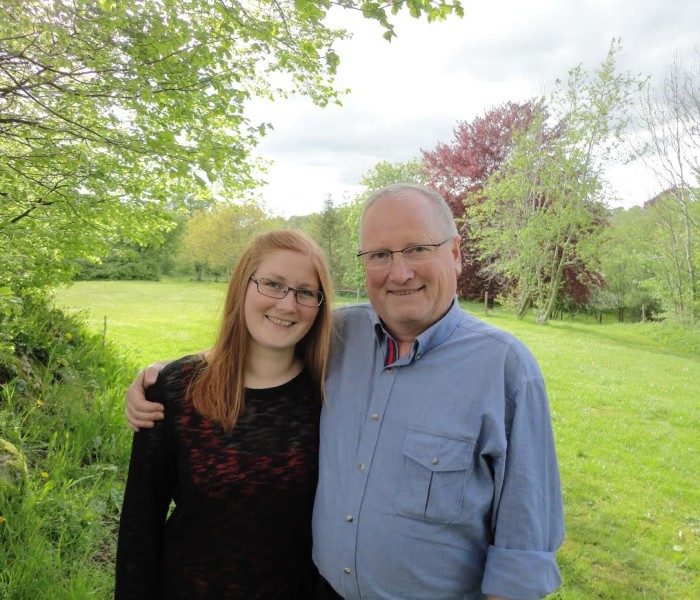
Kristian and Maja, a father and daughter team from Denmark share their #Geocaching15 story in 15 pictures. In 2004, Kristian thought of an innovative way to connect with his growing daughter. He found geocaching by reading an article while waiting in the doctor’s office. Eleven years later the duo is known as Farogdatten and have collected more than 3,000 finds. Maja has grown from a 13-year-old to owning a house near her parents.
Kristian says they still geocache together from time to time. But one note he wrote to her teachers years ago helps explain their adventure.
I took her out of school two days, to prolong a weekend, but wrote a note to the teachers, that I would guarantee for her learning history, math, language and gymnastics on our geocaching trip. They had never before had an honest note like this and I am told the note was pinned at the teachers wall for a long time.
#Geocaching15 in 15 – Farogdatter
2004 Geocache Finds: 34
2005 Geocache Finds: 533
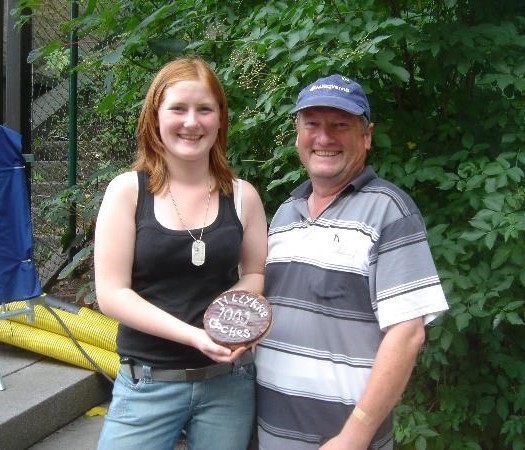
2006 Geocache Finds: 1103
2006 Geocachine Finds 1103
2007 Geocache Finds: 1552
2008 Geocache Finds: 2175
2009 Geocache Finds: 2376
2009 Geocache Finds: 2376
2010 Geocache Finds: 2560
2011 Geocache Finds: 2656
2012 Geocache Finds: 2987
2013 Geocache Finds: 3171
2014 Geocache Finds: 3522
2014 Geocache Finds: 3572
May 2015 Geocache Finds: 3,591
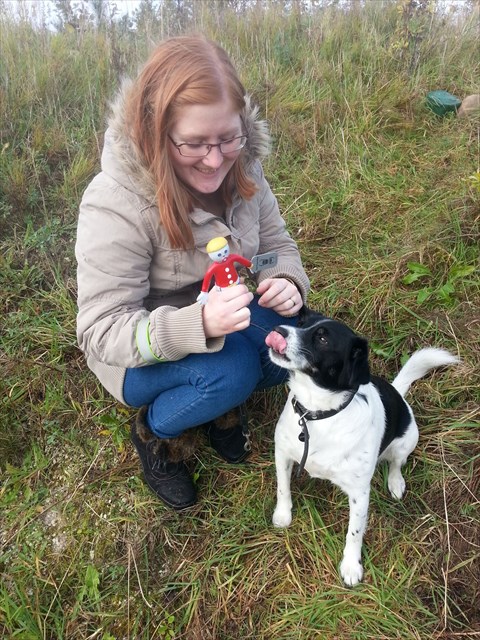
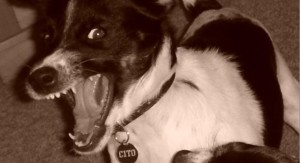
For Maja’s confirmation in 2005 she asked for one gift that would mean the most to her: a dog. She then named her dog CITO.
Maja with CITO the dog thinking about trackablesCITO the dog upon hearing someone did not pickup trash while geocaching
Kristian says geocaching still inspires and unites his family, “Well – the most important lesson, we learned, is, that it is still surprising, that geocaching can bring us new surprises.”
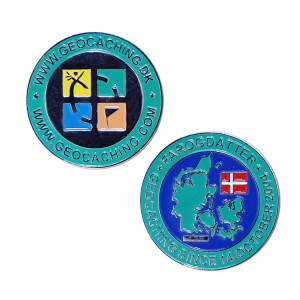
Farogdatten geocoin – 2007
Celebrate 15 years of Geocaching by sharing your #Geocaching15 pictures and stories with us on Twitter, Facebook, YouTube, Instagram – and leave your favorite #Geocaching15 stories here on the blog in comments.
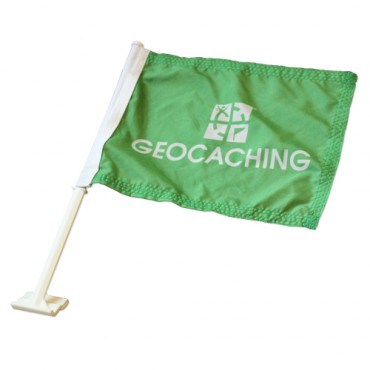
Share your story and we might just send you one of these Geocaching car flags for your #Geocaching15 road trip
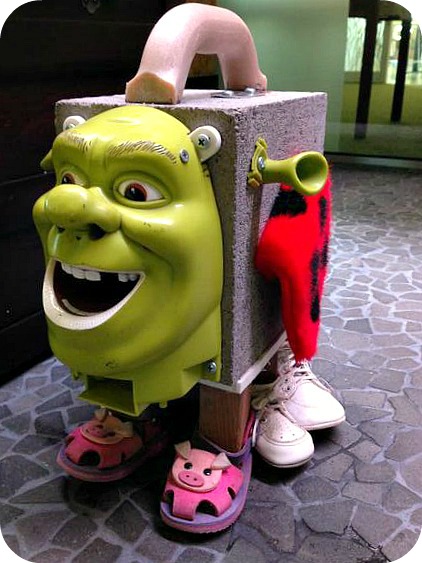
What’s made of cement, has six legs, and Shrek’s face?
You know you’re a geocacher if you answered, “Probably a trackable.” And you’d be right.
There’s something very special about a person who attaches Shrek ears and children’s shoes to a cinder block and tasks others with carrying that object from place to place. We like to think that special drive is what makes a geocacher a geocacher.
The willingness to be a little unusual, a little conspicuous, and sometimes downright weird seems to be common to geocachers. It’s an element that surfaces particularly with trackables. If you’re new to the game, a trackable is a game piece with a unique number. It commonly looks like a dog tag. These trackables are attached to hitchhikers (objects of various sorts), like the giant ones you’re about to see.
At some point, everyone—from the trackable obsessed to the fair-weather trackable logger—has gazed at a trackable and thought the following:
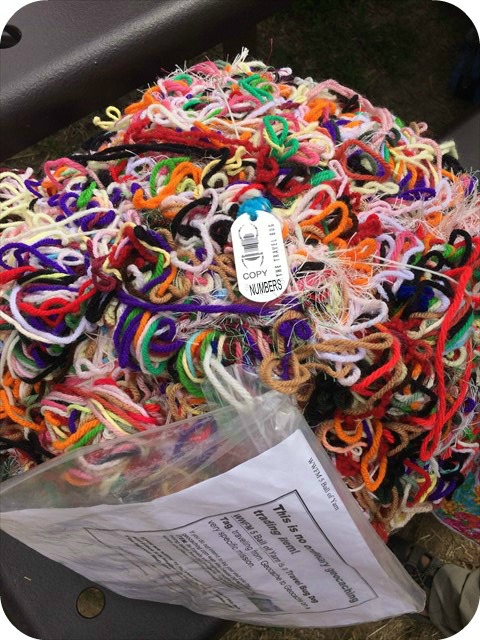
How am I going to move this [loose ball of yarn]?
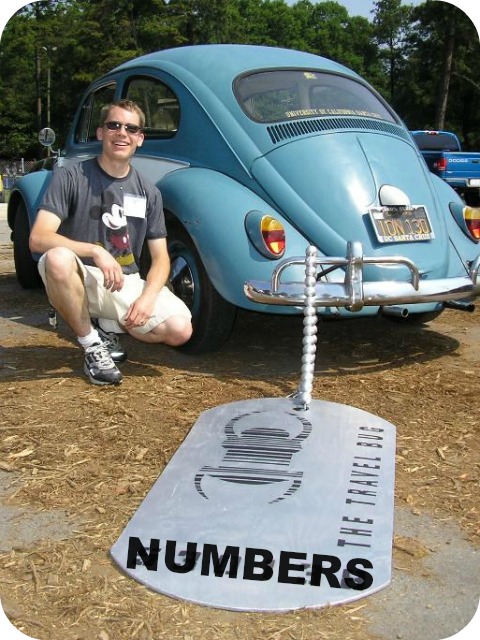
Where can I get one of these [humongous metal Travel Bug tags]?
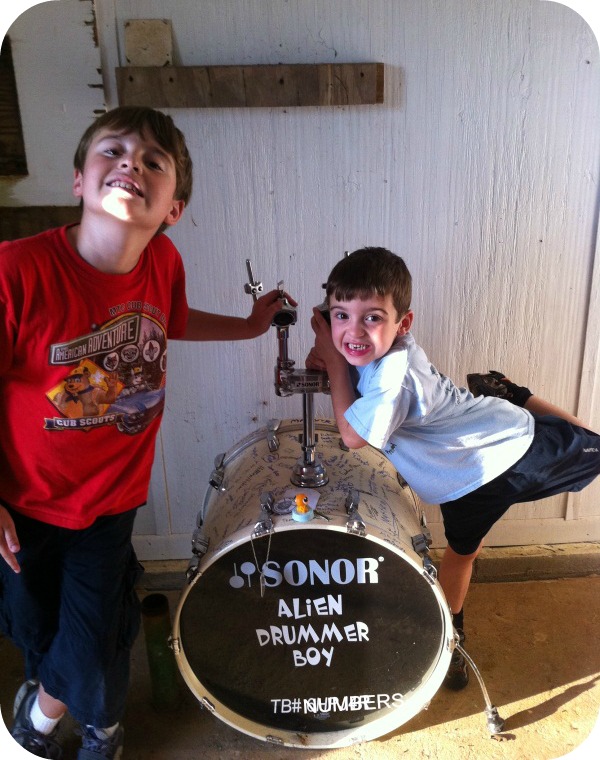
There is no chance we’re going to be taking this [instrument of extreme noise].
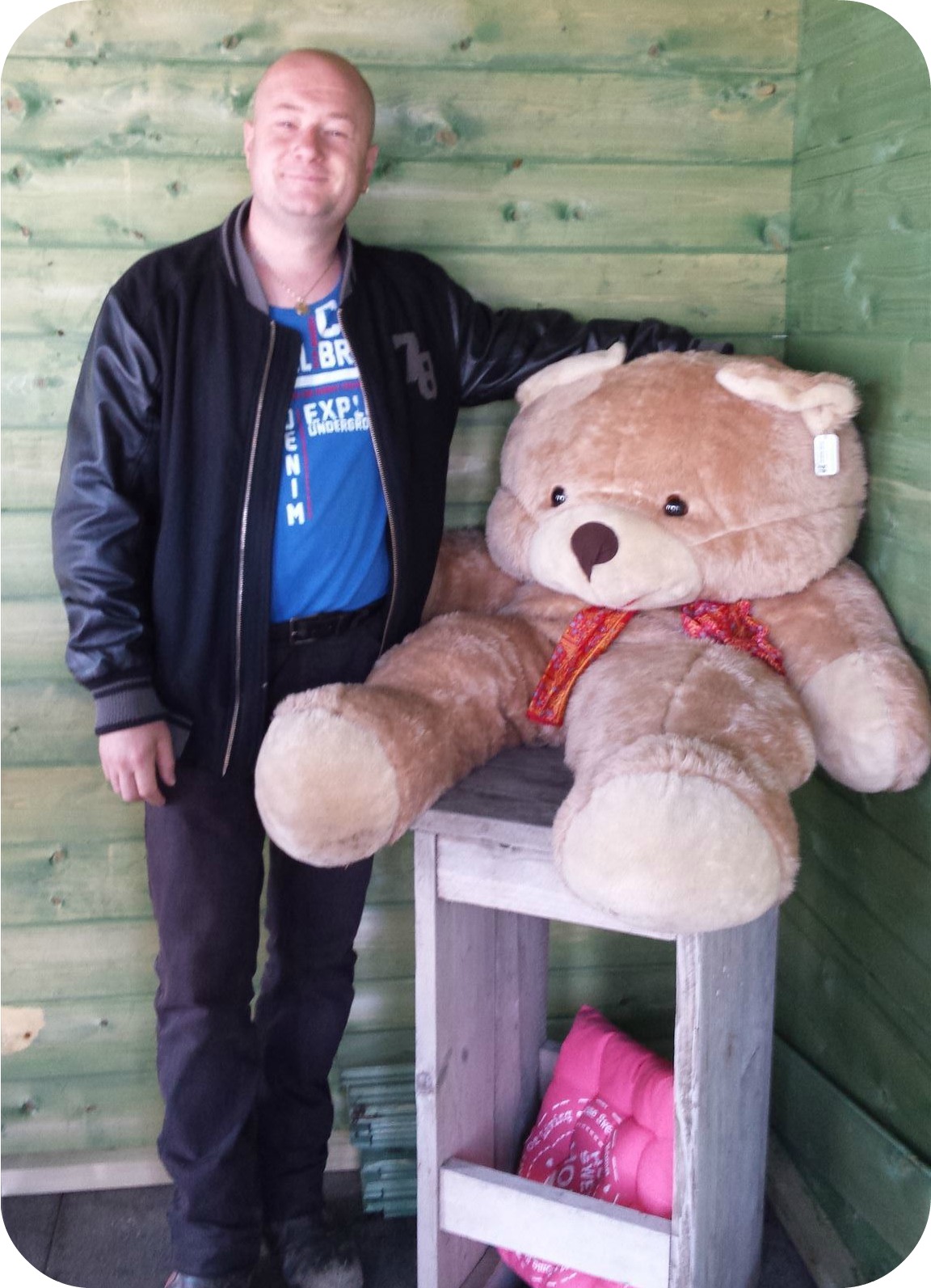
I’m taking a picture with a giant [teddy bear].
Where is the rest of [the vehicle to which this door was once attached]?
Why do trackables tend to be so weird? Because the world of trackables is so wide and hasfew limits to what can be made trackable, they are geocaching’s most widespread form of self-expression. Trackables tell stories about who we are and where we’re from. They travel the world when we can’t. They bring joy to people we’ll never meet.
But where to put the oversized, hilarious trackables you find? Check out these BIG caches and see if there’s one near you.
What’s the biggest, weirdest trackable you’ve ever moved?
Geocoins—it’s hard to imagine Geocaching without them, Travel Bugs, or any other kind of trackable. But for an entire year and a half after geocaching was born (in May of the year 2000), that was how geocaching was done. Caching primarily involved using GPS technology to discover ammo cans hidden deep in the woods, then the seekers would write long entries into pre-placed log books.
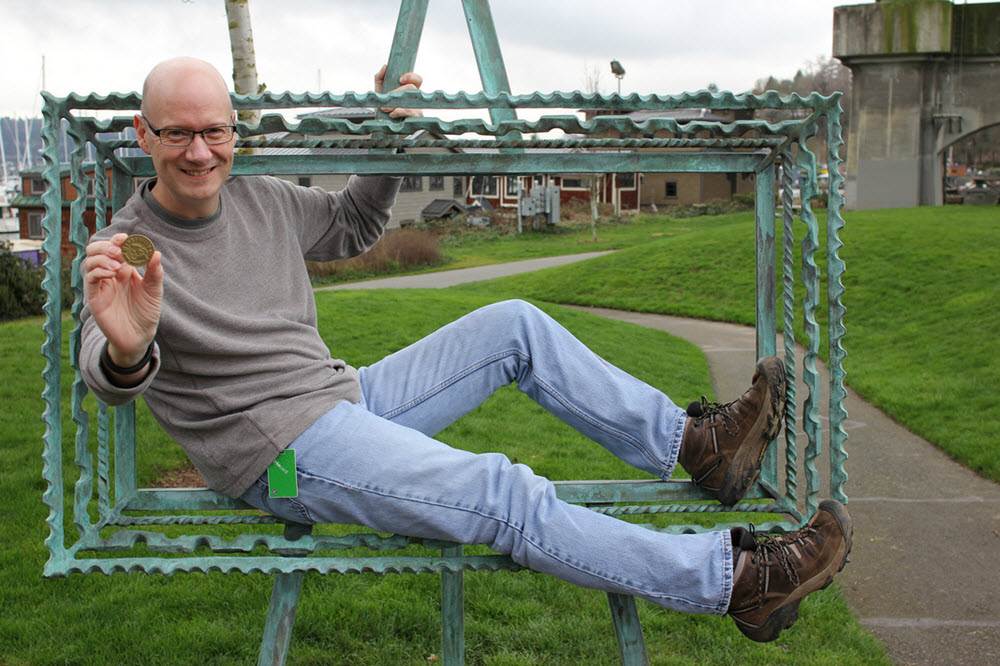
The Father of the Geocoin: Mr. Jon Stanley, aka Moun10Bike
But geocaching’s path changed forever (and for the better) when Jon Stanley, aka Moun10Bike, created and placed the very first geocoin in a cache near Deception Pass in Washington State, USA.
Not only is Jon a legend of geocaching, he’s also a Charter Member and now works as a System Analyst/Lackey with Groundspeak. We caught up with Jon between bug fixes, forums posts, meetings to keep everyone in the loop, and geocaching on his lunch break, to find out more about how geocoins came to be.
What gave you the idea to place a geocoin?
Back in 2001, I was coming up on my 100th cache find. I wanted a signature item to launch in time for that milestone and had heard about military challenge coins from a fellow cacher. They sounded like the perfect geocaching item – compact, easy to carry, durable – so I designed and minted a set of personalized coins that I dubbed “geocoins.”
Here it is, folks: Moun10Bike Geocoin 001. Try not to hyperventilate.
When was the first Geocoin placed? The coin was placed September 30th of 2001. I placed it in a cache that still stands out today in my mind as one of the best (even though it has since been archived) – Light House Point. It involved a rickety aluminum ladder that you could only access during low tide. I climbed the ladder. I didn’t know if I’d be able to do it because I have a fear of heights. But knowing I wanted to place that coin in a special cache got me up the ladder.
So the first coin was placed in that cache?
I kept the first one for my personal collection. So it was number two… 002. That was the first one placed.
And then what happened?
I placed it in there and didn’t think that much about it. Well you know, it started off really slowly. It was about 6 months after I placed or minted my coins and placed them that anyone else started making coins that I know of. They became desired items. So rather than people seeing them and moving them on, the goal was to get to it first and keep it for their collection. It was almost like a Beanie Baby craze. There was the Geocoin craze.
How many Geocoins do you think you’ve placed out in the world at this point? I’ve sent out over 1200 of my Moun10Bike geocoins so far, and over 1500 coins if you count my coinaments (a Christmas tree ornament that is trackable and shaped like a coin)!
How many Geocoins do you own? I stopped counting in 2006. At that point, it was around 1000. I have at least five times that many now.
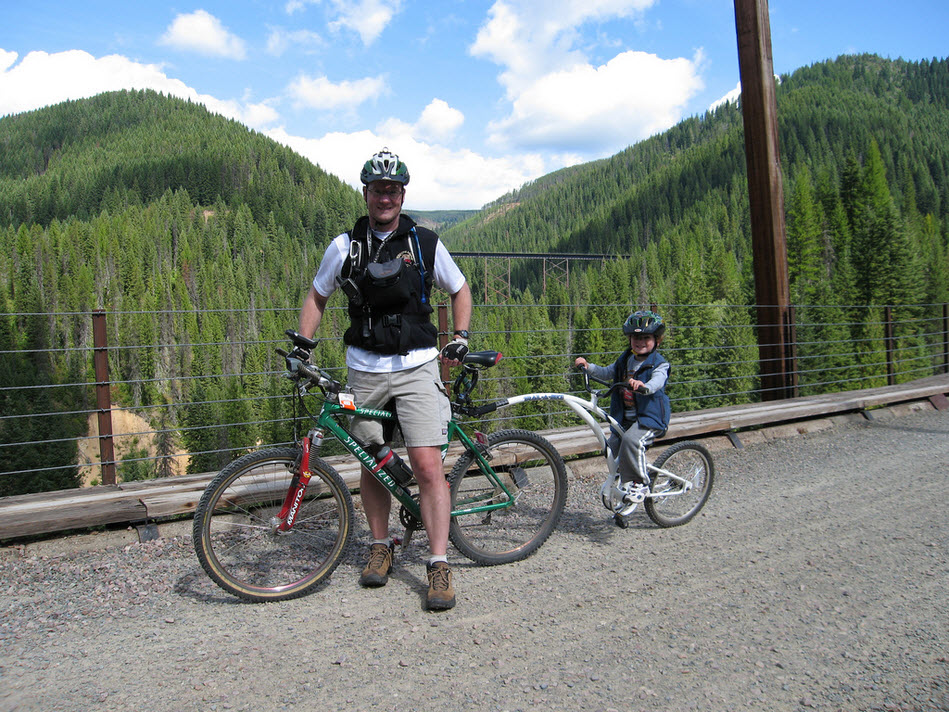
Jon, aka “Moun10Bike”, and his son Jameson, aka “Moun10Tyke”, on an adventure a few years ago.
What is something that most people would be surprised to learn about you? Hmmm, I’m pretty boring. Would it surprise people if I said that my wife and son can barely tolerate caching?
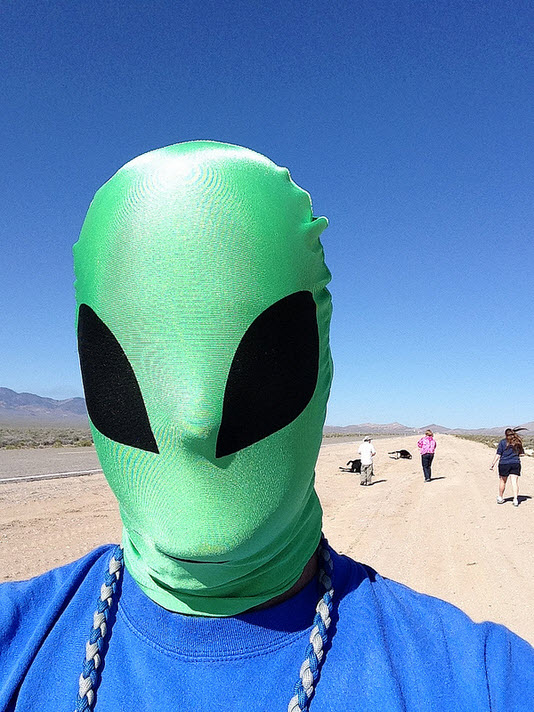
Getting abducted on the E.T. Highway
Any parting thoughts? From computers to the web, to gadgets, and then foremost the outdoors, I just couldn’t ask for a better hobby.
Sure is crazy to think that any experiences you’ve had with geocoins, Travel Bugs, or trackables lead back to Jon Stanley. Do you collect geocoins, or geocache with trackables? How have they changed the way you cache? Tell us your stories below!
Ahhhhhh. Every geocacher knows the satisfaction of spotting that ammo can, prying the lid open, and climbing inside.
Wait. What?
Geocaching team benandjayme at GC4RPG8.
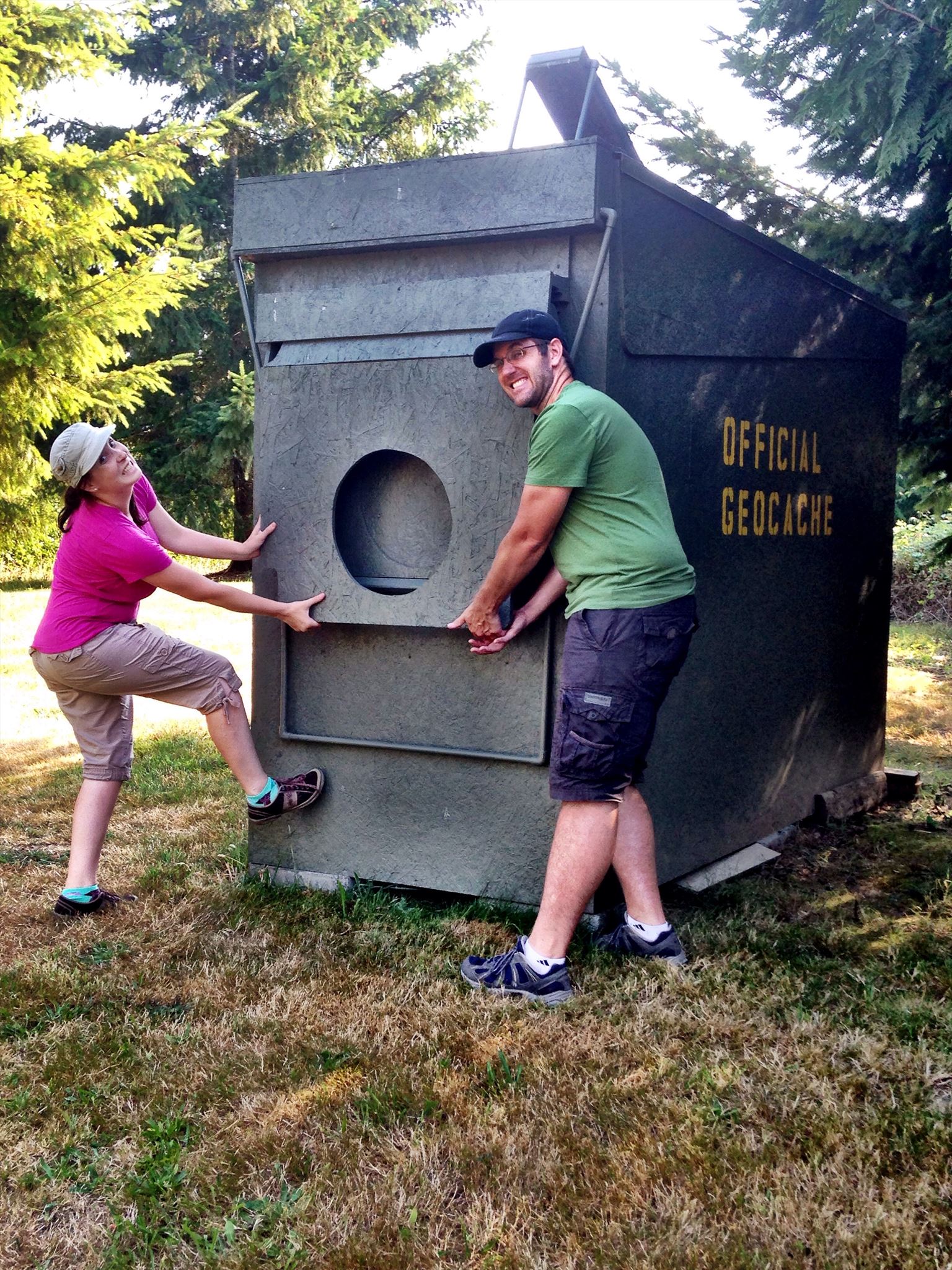
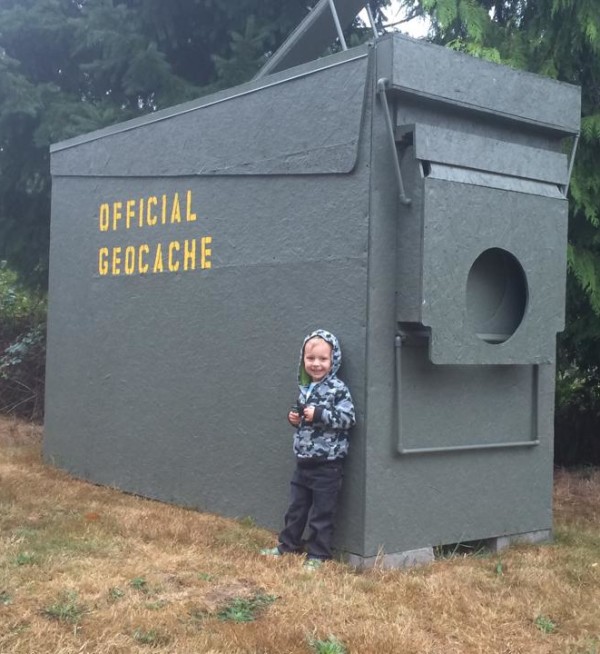
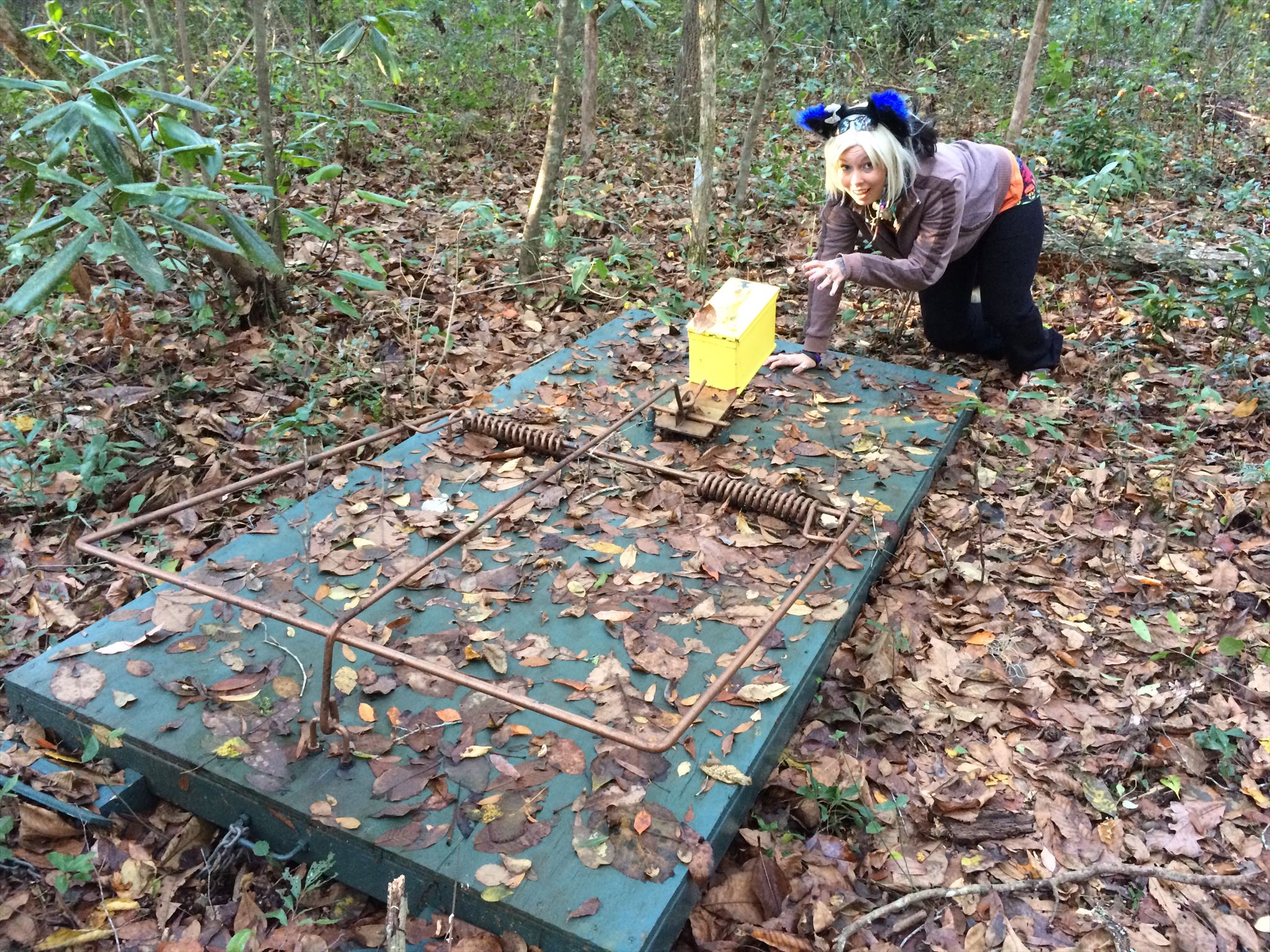
That’s right, folks. This geocache in Washington state, also known as GC4RPG8, is totally real, totally not photoshopped, and totally cool. And it isn’t going to be lost anytime soon.
Big—and we mean BIG—geocaches are a whole new type of geocaching fun, for a few very big reasons.
1. The element of surprise
A good geocache container has the finder saying, “WOAH.” A great geocache container has the finder saying “WOAH” and then mass-texting all the other geocachers she knows a photo of it. Creative geocaches don’t always have to be sneaky small, tricky to open, or intricately built. Sometimes they just need to be really, really big.
2. No trackables left behind.
Ever pick up a trackable that’s just too big for any other geocaches? Those days are over, my friend, once you find a Big Cache. Big geocaches don’t discriminate by size—though you may still have a hard time parking your trackable car.
3. Sign your name, write a novel.
No need to squeeze your ‘caching name into a strip of paper smaller than your finger…with the logbooks in Big Caches, you won’t be mincing your words. Anybody have War and Peace memorized?
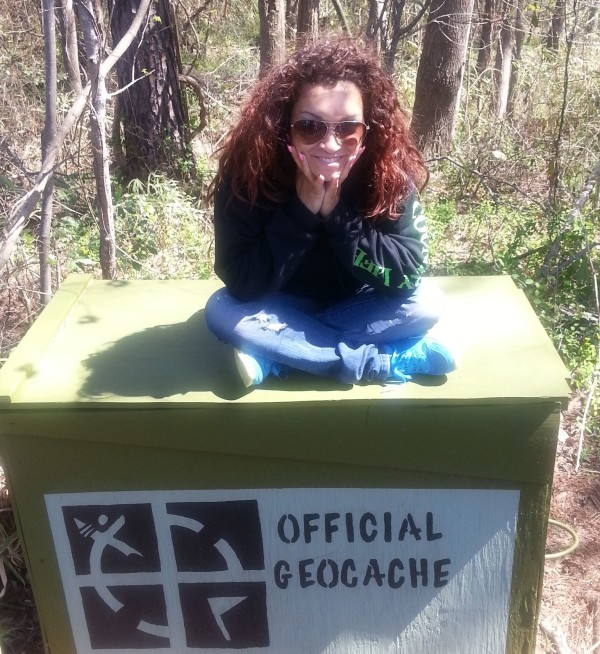
4. Photo opportunities like no other.
A picture is worth a thousand words. Here are seven thousand words.
Just taking a break on GC3F3CW.
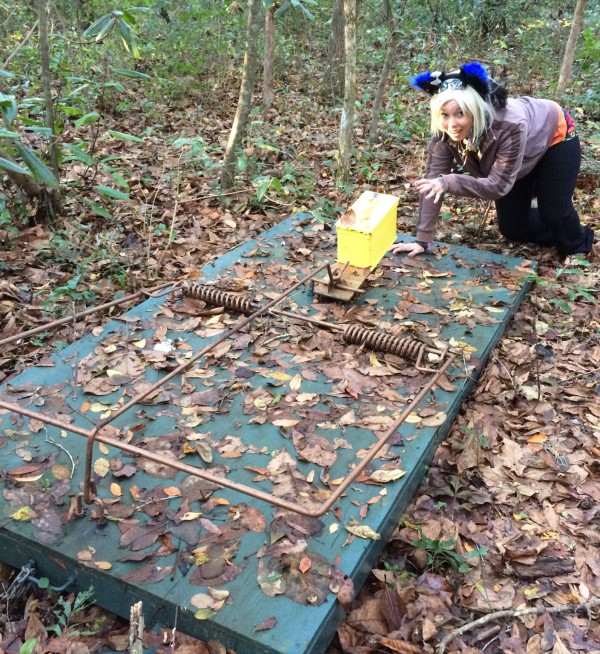
GC1DC55, or "Rat Trap"
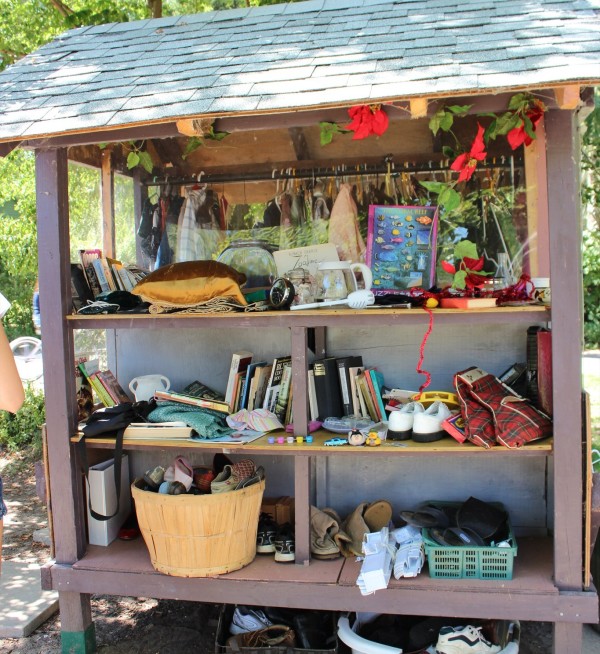
GCXCEX, or "Bridge Boutique", in Ontario.
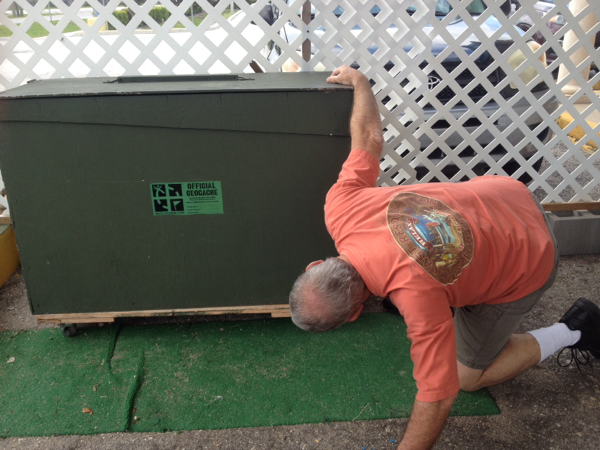
Typical "Where is it?!" moment at GC15RQB.
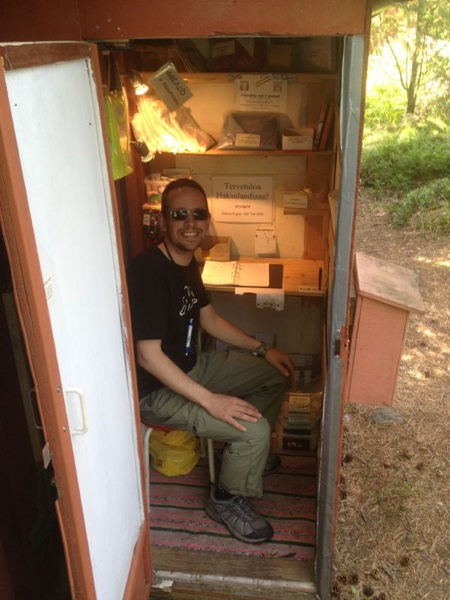
"Haksulandia", or GC16QCH, in Finland.
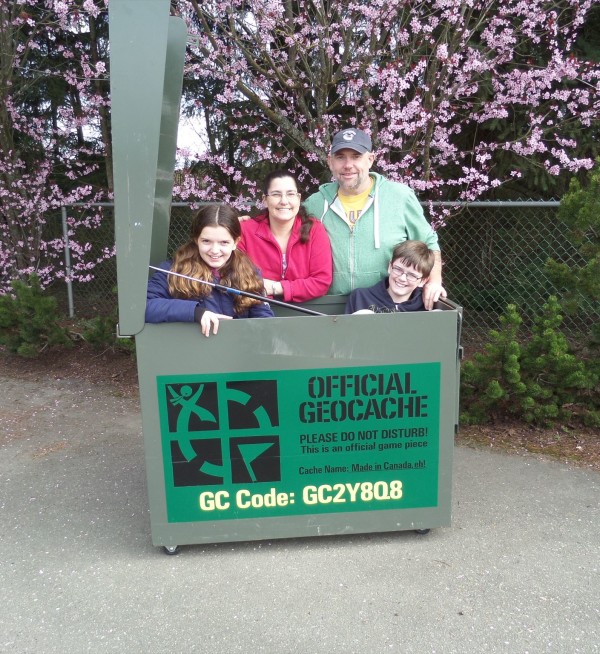
A cache the whole family can fit in! GC2Y8Q8.
GC1DC55, or “Rat Trap”GC38N61 is swag-tastic!
Sometimes, it’s not The geocache itself that’s big, but the structure that’s been built around the cache. We applaud those makers whose creativity knows no bounds, who moonlight as engineers, carpenters, and blacksmiths.
GCXCEX, or “Bridge Boutique”, in Ontario.
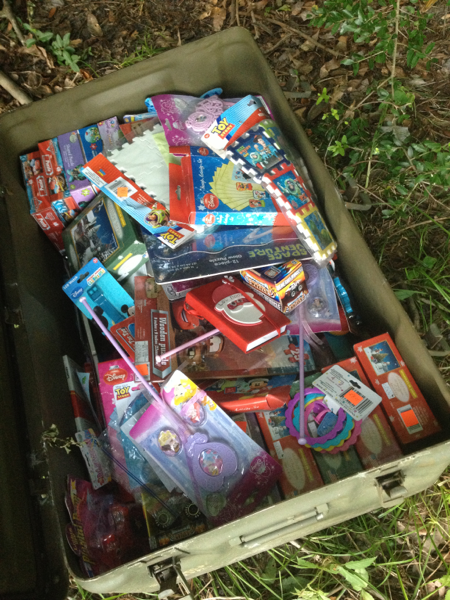
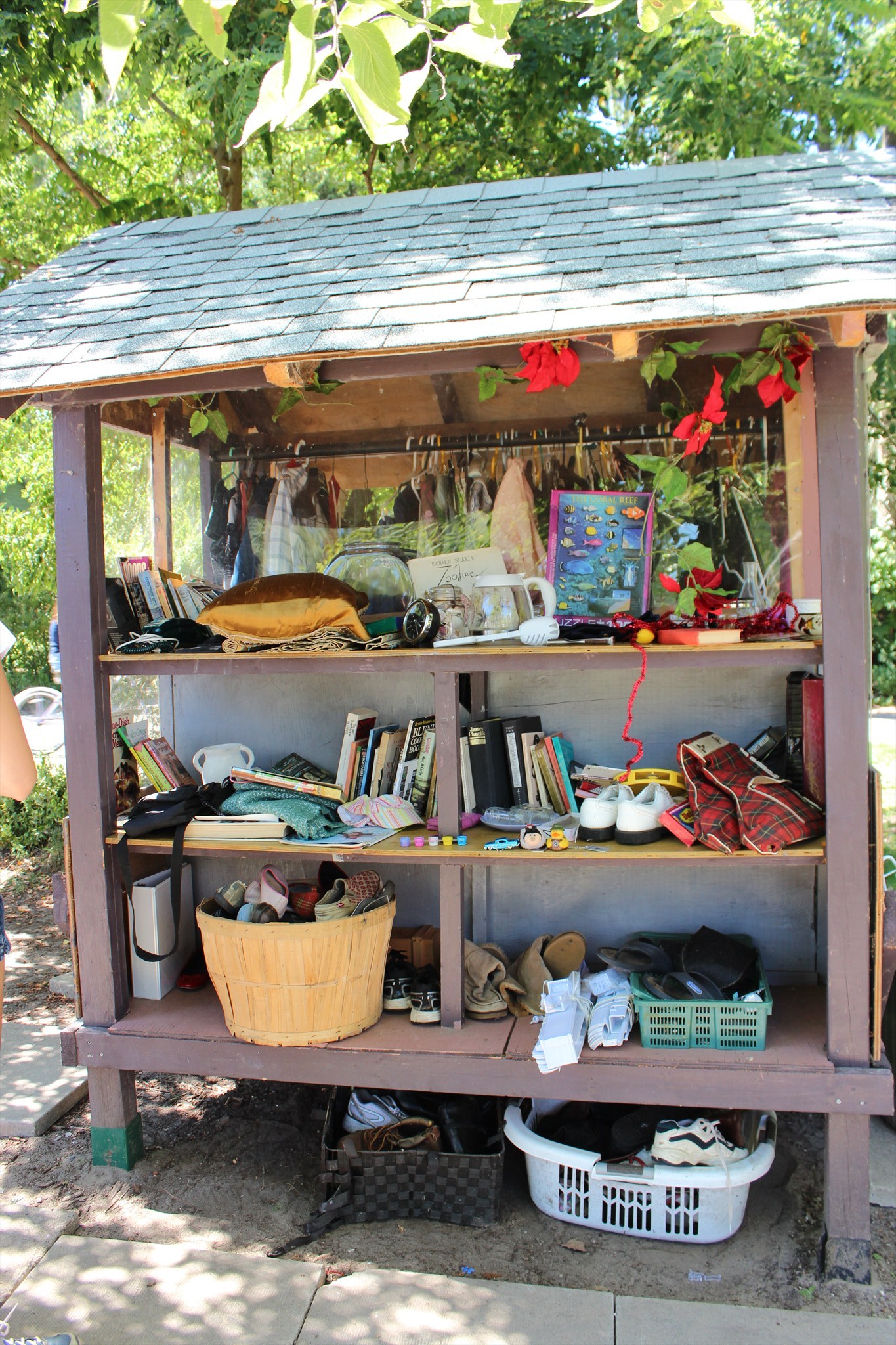
What’s the draw for a cache owner to make a Big Cache? Well, geocachers will often come from far and wide in order to find a Big Cache, often with oversized trackables and buckets of swag. A Big Cache done well can draw a range of visitors dropping favorite points left and right.
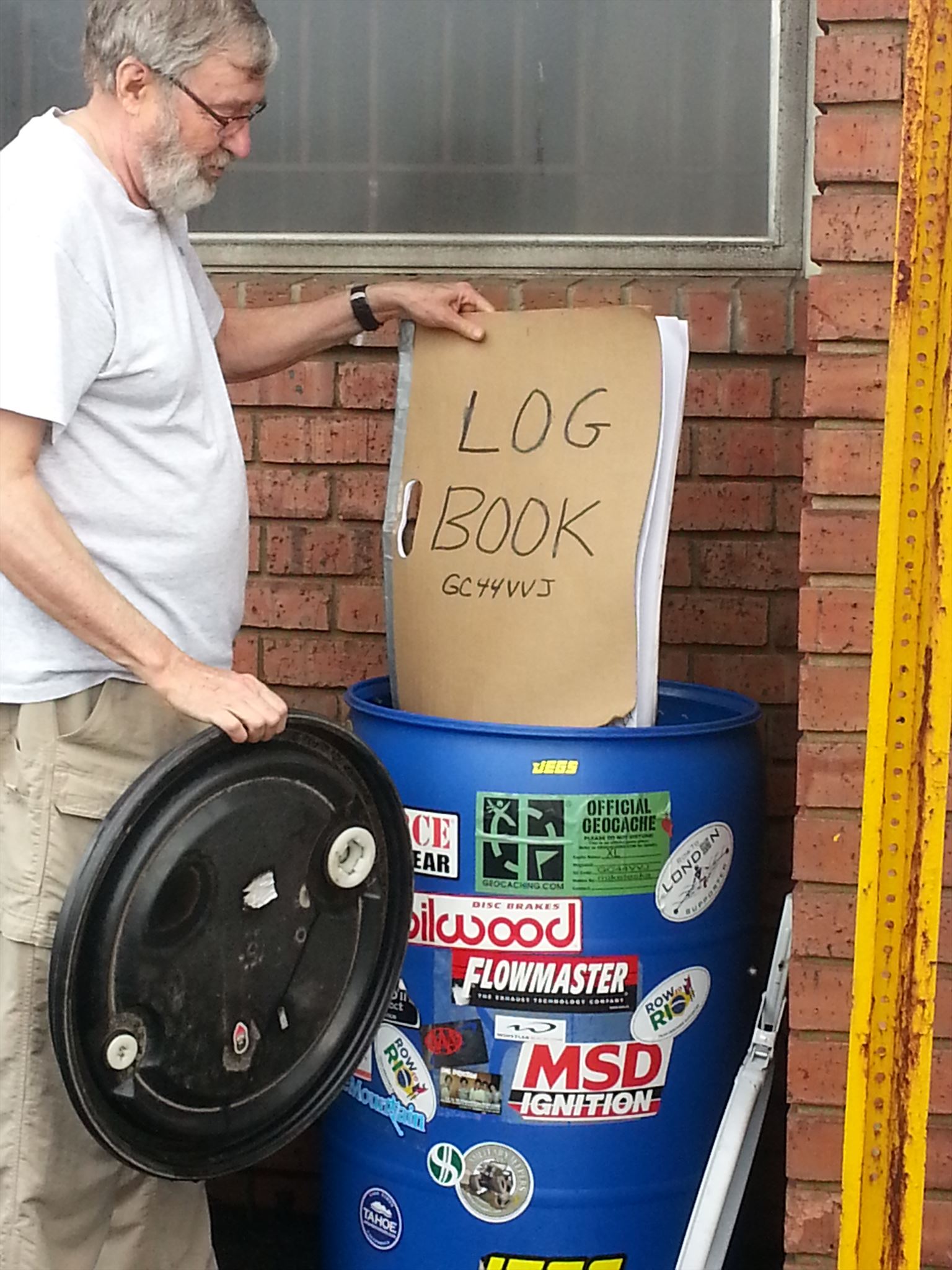
Then there’s the logbook, which, since there’s no restriction to its size in a big cache, can be a lot of fun to sign.
The logbook is in here somewhere…
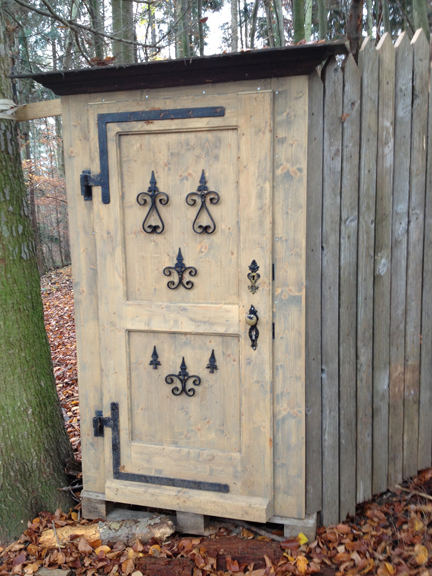
There’s something about walking up to a big geocache, and knowing that nobody in the world but a geocacher really knows what it is. Take this featured Geocache of the Week: to a muggle (non-geocacher) walking by, this is merely a beautifully constructed forest restroom.
The geocacher sees it as the final in a truly awesome multi-cache. Because that’s exactly what it is.
Das Vergessene Portal
It’s easy to find geocaches near you using the new Advanced Search. Premium Members can filter by size to suss out large geocaches near their home coordinates. Check back soon to see some really BIG trackables!
Share the BIGGEST Big Cache you’ve ever found, and the words you used to describe it to friends?
They say bad things come in threes. Poison ivy, poison sumac, and poison oak are three of the evilest plants out there. At least 50 percent of people who come into contact with these plants are allergic to them and will develop an itchy rash which can last as long as three weeks.
The best way to prevent a rash is to avoid poisonous plants all together. But if you are determined to get that D5/T5, then you need to know how to protect yourself. Avid geocacher (and dedicated nurse) Kelley Piekarek* put together these safety tips so all outdoor enthusiasts can keep themselves safe during geocaching’s busy season.
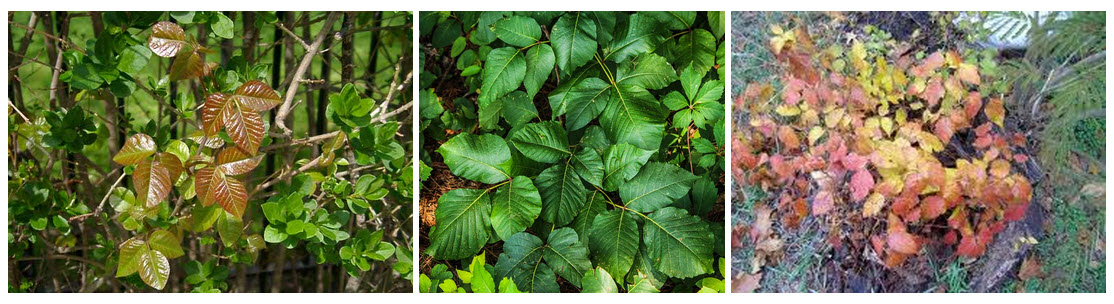
Prevention: The best way to avoid the rash is to avoid the plant. The best way to avoid the plant is to know what they look like and where they grow.
Poison ivy is reddish in spring, green in summer, and yellow/orange/red in autumn
Poison ivy:
Found throughout Canada and the United States except for parts of the West Coast. Can grow as a hairy vine or small shrub trailing along the ground or climbing on low plants, trees, and poles. Each leaf has three glossy leaflets with smooth or toothed edges. Leaves are reddish in spring, green in summer, and yellow, orange, or red in the fall. Found in woody areas, thickets, and moist places.
Poison sumac is orange in spring, green in summer, and yellow/orange/red in autumn. Often, the leaves have spots that look like blotches of black paint.
Poison sumac: Grows as a tall shrub or small tree in bogs or swamps in Northeast, Midwest, and parts of Southeastern North America. Each leaf has clusters of seven to 13 smooth-edged leaflets. Leaves are orange in spring, green in summer, and yellow, orange, or red in the fall. Often, the leaves have spots that look like blotches of black paint. May have yellow-greenish flowers and whitish-green fruits that hang in loose clusters.
Poison oak leaves tend to be glossy, and the plant grows upright. May have yellow-white berries.
Poison oak:
Grows as a low shrub in the eastern and southern North America, and in tall clumps or long vines on the Pacific Coast. Poison oak usually has a cluster of three broad leaves, though it can have up to seven. The leaves tend to be glossy, and the plant grows upright. Western poison oak has lobed leaflets like an oak tree, while eastern poison oak is more like a glossy version of poison ivy. May have yellow-white berries.
Protection:
Keep your skin covered to avoid contact with these plants
Wear a long-sleeved shirt, long pants, gloves, and closed shoes if you’re in an area where these plants may be lurking
Tie the bottoms of your pants legs or tuck them into your boots
Wear gloves when bushwhacking
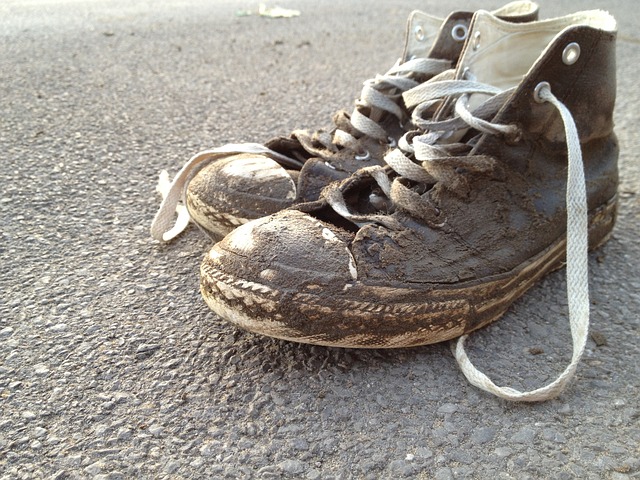
It’s a good idea to keep a pair of shoes dedicated for geocaching that can be kept outdoors
OOPS! I’ve touched it, now what? The chemical that causes the rash is called urushiol and it will stick to your skin when you touch or brush against any part of the plant. It will also contaminate your clothes, ‘caching gear and your geo-dog, too! Remember, you can’t spread the rash to other people, but you can get the rash all over again if you touch contaminated items you haven’t washed.
If you know your skin has come in contact with the plants, wash with soap and water immediately
If water is not available, wipe down the area with rubbing alcohol
Wash your clothes with hot soapy water
Hose down your boots, geocache bag, leash, and anything else you took on your hike
Wash your geo-dog well with soapy water and wear gloves while you do this (she can’t get the rash, but you can get it from her)
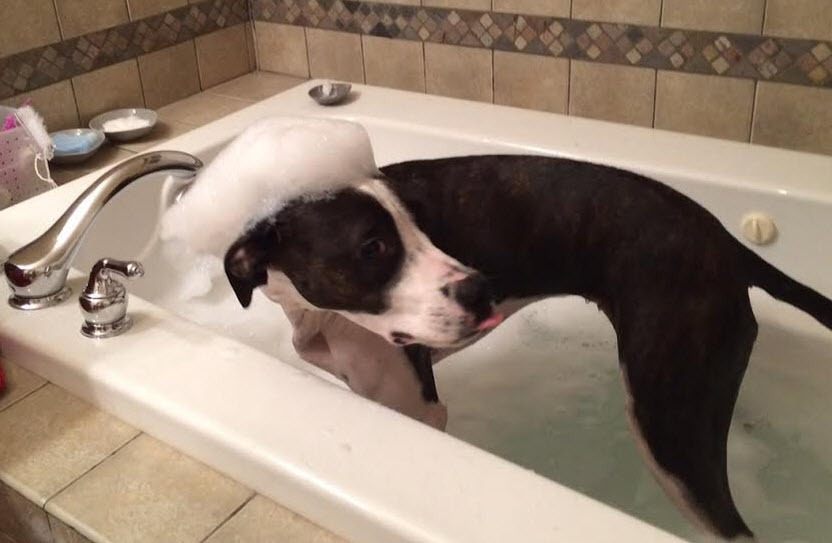
Some dogs like baths as much as they like geocaching!
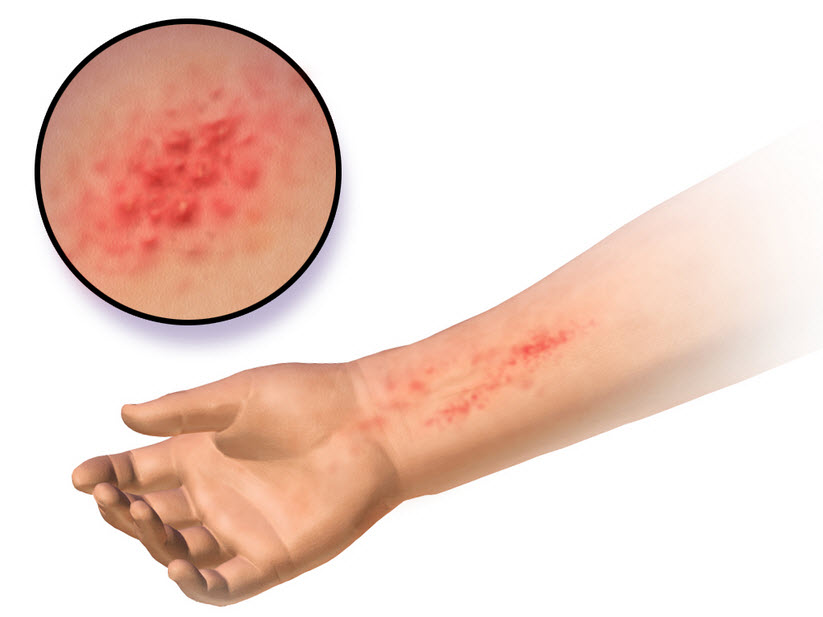
Help! I have the rash! The rash often looks like a straight line because of the way the plant brushes against the skin. But if you come into contact with a piece of clothing or pet fur that has urushiol on it, the rash may spread out. The rash usually develops 12 to 48 hours after exposure and typically lasts two or three weeks. To treat the rash at home:
Do not scratch, as scratching can cause an infection
Leave blisters alone—if blisters open, do not remove the overlying skin since the skin can protect the raw wound underneath and prevent infection
Consider applying calamine lotion or hydrocortisone cream
Consider taking antihistamine pills (with your doctor’s approval)
Rash caused by poison ivy – and this is one of the “nicer’ images
If you have any of the following symptoms, you need to go to the Emergency Room. Like, right now:
You have trouble breathing or swallowing
The rash covers most of your body
You experience swelling, especially if an eyelid swells shut
Much of your skin itches, or nothing seems to ease the itch
You develop a fever greater than 100 F (37.8 C)
The rash doesn’t get better within a few weeks
Stay safe out there my friends, and cache on! How do you stay safe while enjoying your favorite hobby?
*If the name Kelley Piekarek sounds familiar, it may be from this story that made national geocaching news in February of this year. Woof!
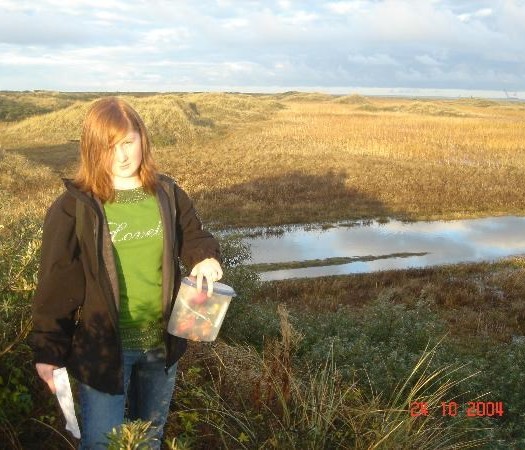 2004 Geocache Finds: 34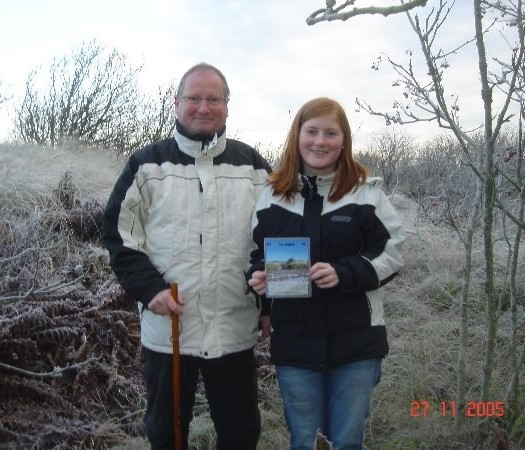







 Protection: